Eating Where Locals Eat: A Foodie Tour Through Madrid’s Chamberí Neighborhood
Eating Where Locals Eat: A Foodie Tour Through Madrid’s Chamberí Neighborhood
First time visitors to Madrid spend their time eating around Plaza Mayor, Mercado de San Miguel, and the historic Centro area. Nothing wrong with that since there are plenty of open secret gems around, but locals and serious foodies know that for traditional tapas and a more authentic neighborhood vibe, you should be going to Chamberí.
I booked Food Lover’s Non-Touristy Tapas Crawl to see how it compared to one of Madrid’s top rated food tour that I had previously done.
Our tour started just outside the center along Calle Ponzano, once dubbed the liveliest street in Madrid by Lonely Planet. There’s more than 75 bars and restaurants here, packed into one walkable area, where people sit on sidewalks for a beer after work before hopping between vermouth bars, taverns, and family-run tapas spots that have been around for generations.

TLDR: Is The Chamberí Food Tour Worth It?
Tip #1: This is the exact tour I booked.
Who This Is For: Foodies looking for a food tour in a local neighborhood outside the city center.
Skip If: You want to combine a food tour with a walking tour of the historic center.
Price: Around $80 or €68. Surprisingly lower than other tours.
Worth it? One of my favorite food tours, partially because of the energy of the guide and also because it just felt a little different than other food tours.
Bottom line: Felt less like a formal tour and more like being shown around a neighborhood by someone who actually knows where locals eat and drink.
Why Chamberí: A Short History And What Makes This Food Experience Different
The name sounds French, and that’s because historically this area wasn’t even considered a part of Madrid.
During the Napoleonic Wars, French troops chose the open fields here as a strategic elevated position that overlooked the city. The Spanish eventually won back Madrid, and named the area after Chambéry in France, supposedly as a mocking gesture.
Unlike most Madrid food tours that go around Plaza Mayor and the city center, this one gets you out to Chamberí, an area many tourists never properly visit despite being only a short 10-15 minute ride away on the Metro.
Over time, the neighborhood has maintained a reputation for being Madrid’s favorite tapas hangout spot, partly because the people who go here are still overwhelmingly local. Restaurants here can’t survive just on location or novelty, so standards stay high and traditions are honored to keep people returning.
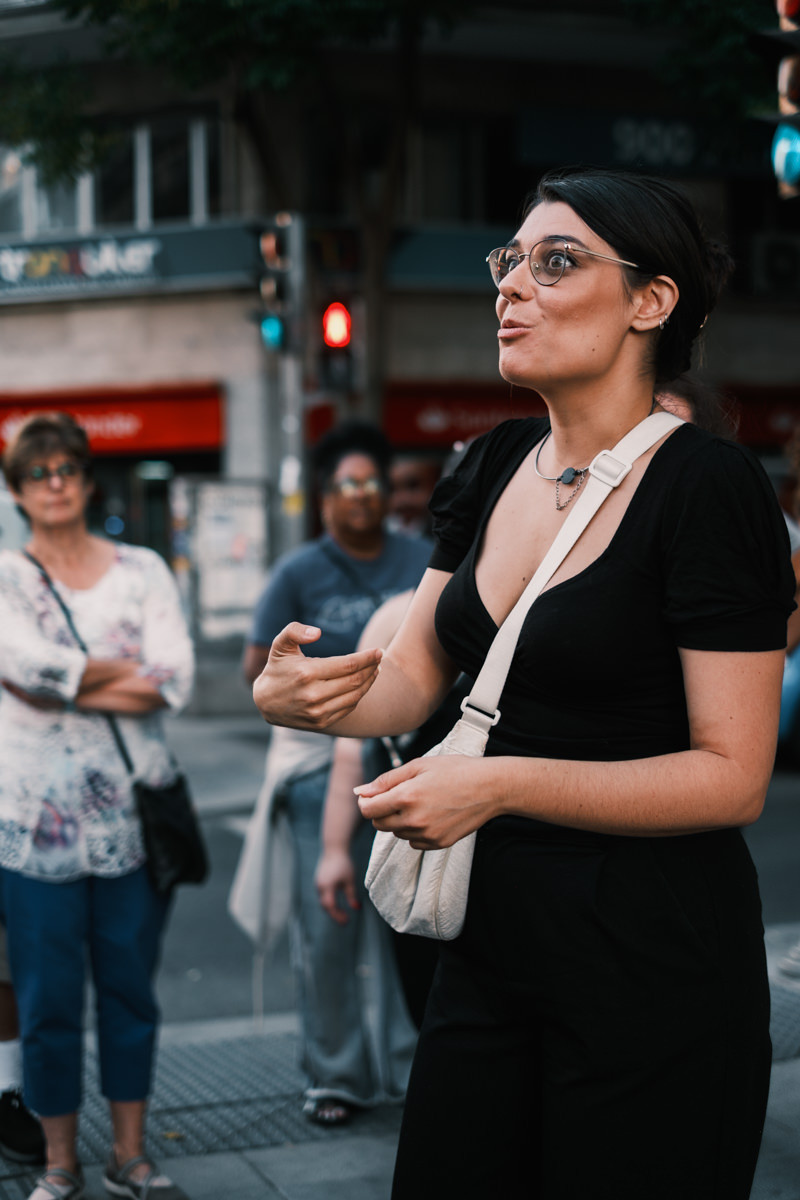
Equally important was the huge and contagious energy our guide, Ioanna, brought while telling stories and spitting knowledge about the food and local customs.
As always, I’m purposely withholding the locations of the stops to keep things a surprise, but you may or may not find some of them in my Foodie’s Guide to Madrid Lesser Known Food Scene.
Red For Wine
Tip #2: This Prado museum + behind the scenes visit is secret way to get a last minute reservation at the world’s oldest restaurant
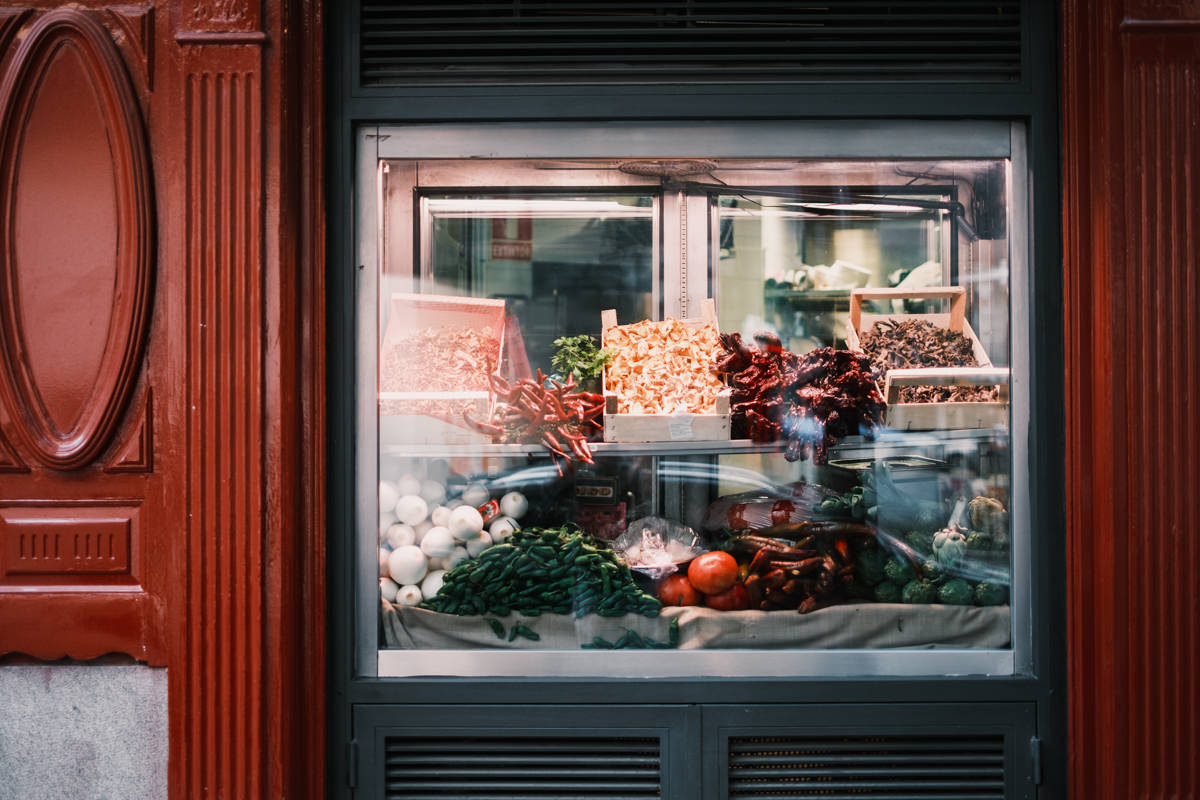
The first stop was a wine shop and tavern that has been operating for more than 50 years, easily identified by its deep copper-red exterior, a color once used throughout Spain to signal wine shops from a distance.
The format is familiar. Ioanna introduces a dish or ingredient, tells us a bit of history, and then we taste. But her charisma pulls everyone in just a bit closer.
Doing the tour with my partner, we didn’t have to choose between red or wine and could share one of each. I had a smooth Rioja Crianza that was aged for 18 months, while she had the white Verdejo from the region of Rueda.
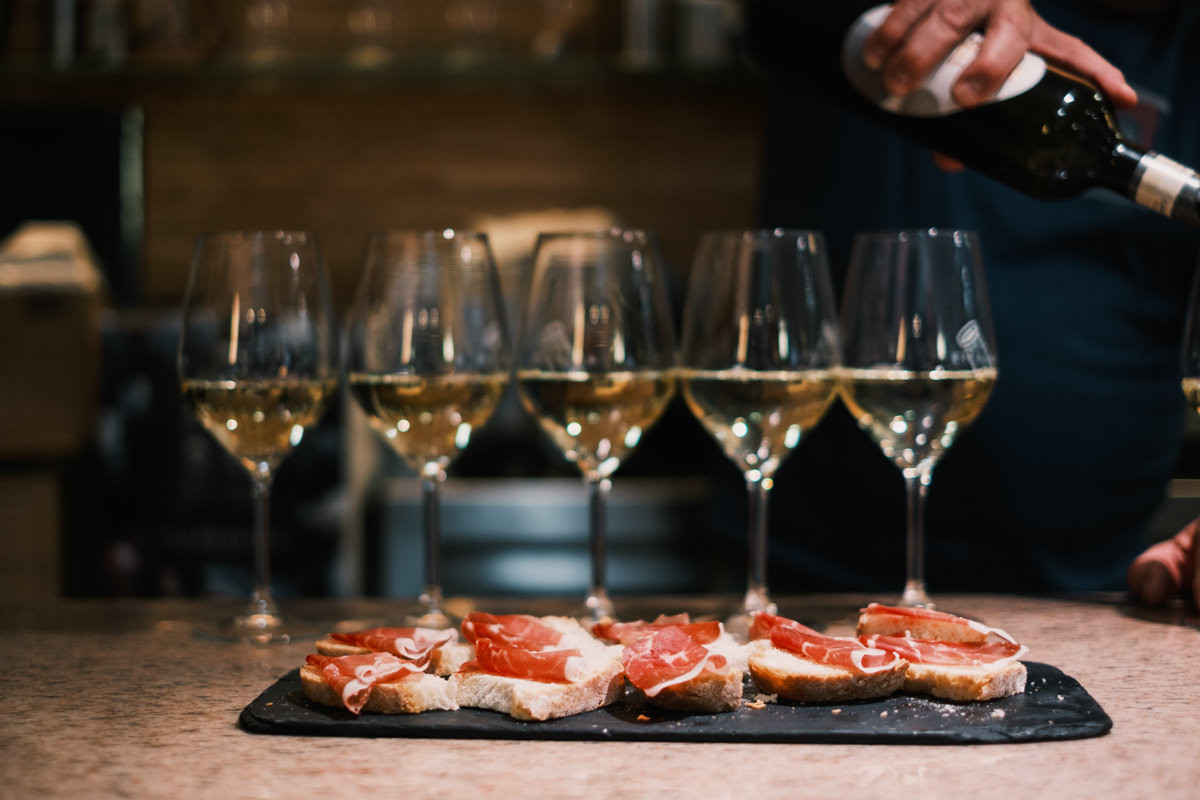
Both went down well with a tasting of Spain’s greatest comfort food: Iberian ham croquettes.
Creamy béchamel filling in a crisp but delicate golden shell, and absolutely no cheese, which is a surprise to anyone biting into the gooey goodness. But good croquettes in Spain rely solely on butter, flour, milk, and patience rather than heavy cheese fillings.
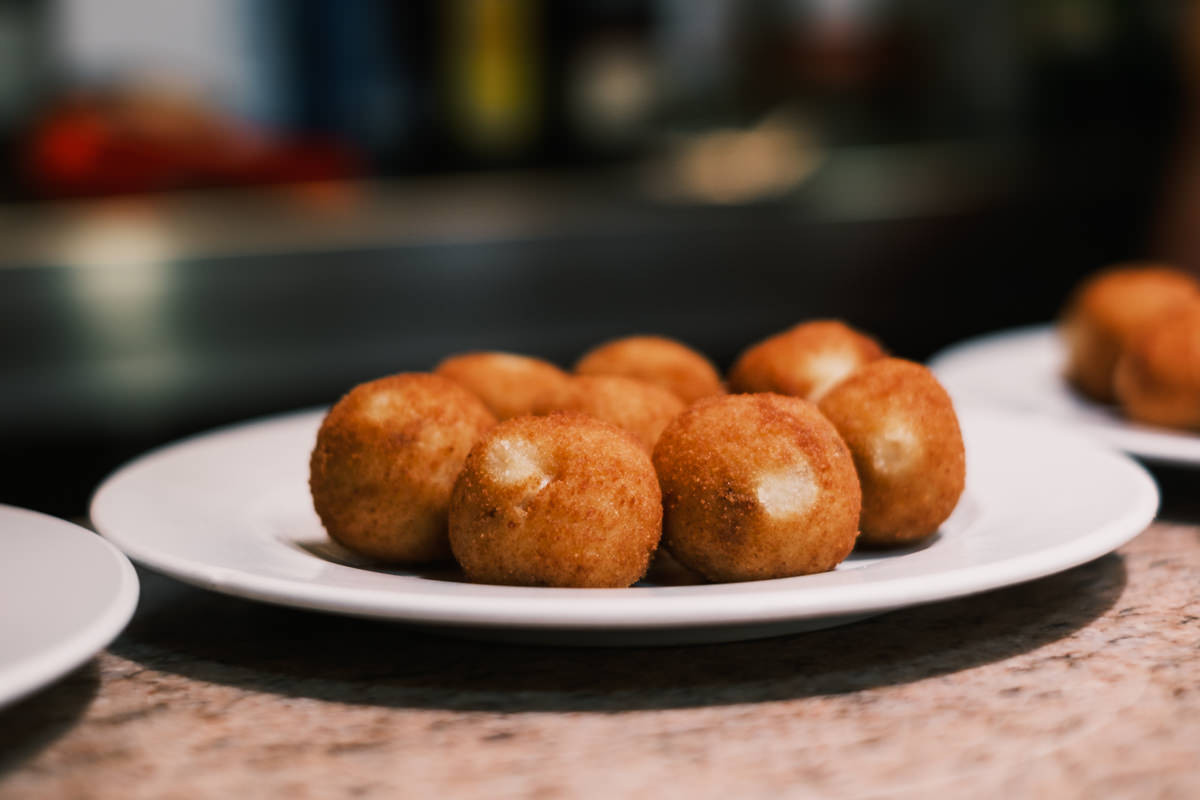
The result is heaven and easily one of the most memorable croquettes I’ve ever had.
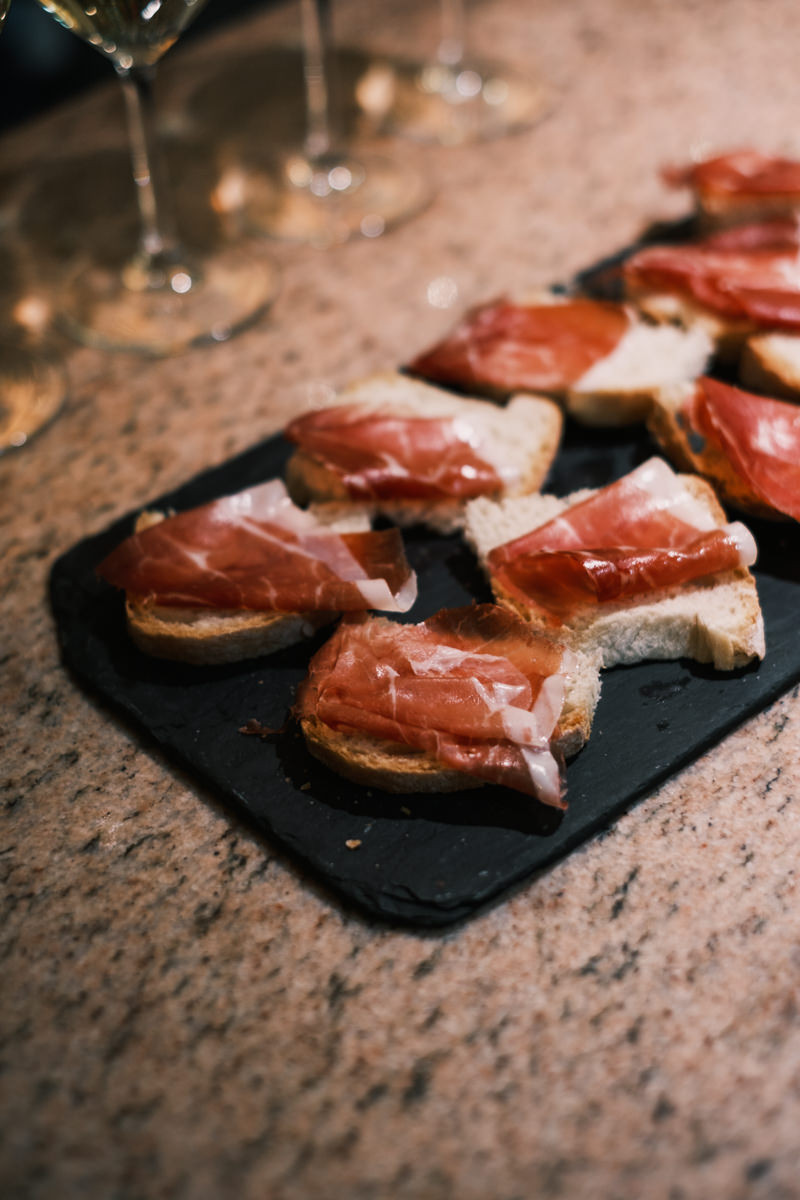
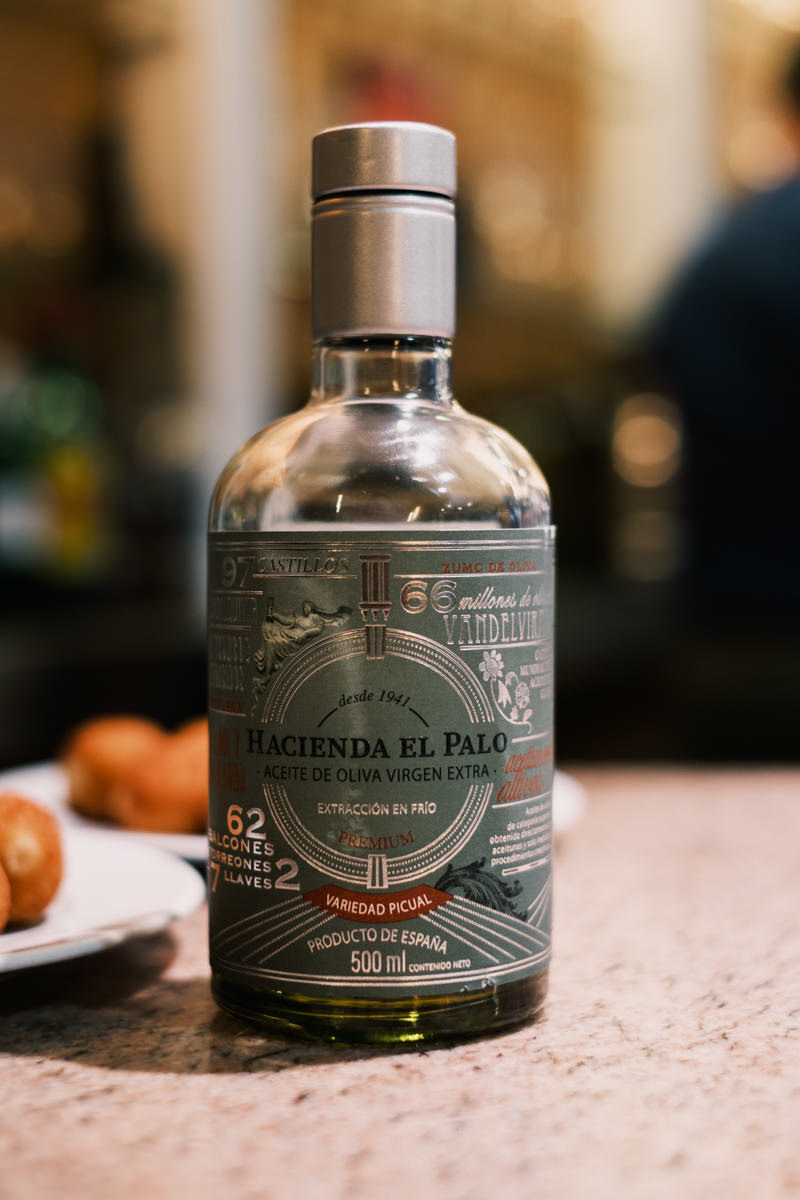
This first stop felt like the perfect introduction for anyone who’s never been to Spain. Alongside the croquettes, we had slices of Serrano ham and a tasting of early harvest extra virgin olive oil – one of our guide’s obsession.
Ioanna explained how earlier harvesting in the season yields less oil but significantly more flavor. The olive oil is thicker, greener, and a bit peppery that genuinely tastes like you’re popping a fresh olive in your mouth.
It’s Pronounced MA-OOH
Tip #3: Some paella and tapas cooking classes are more demonstrations. This one is hands-on where you cook a 4-course meal.
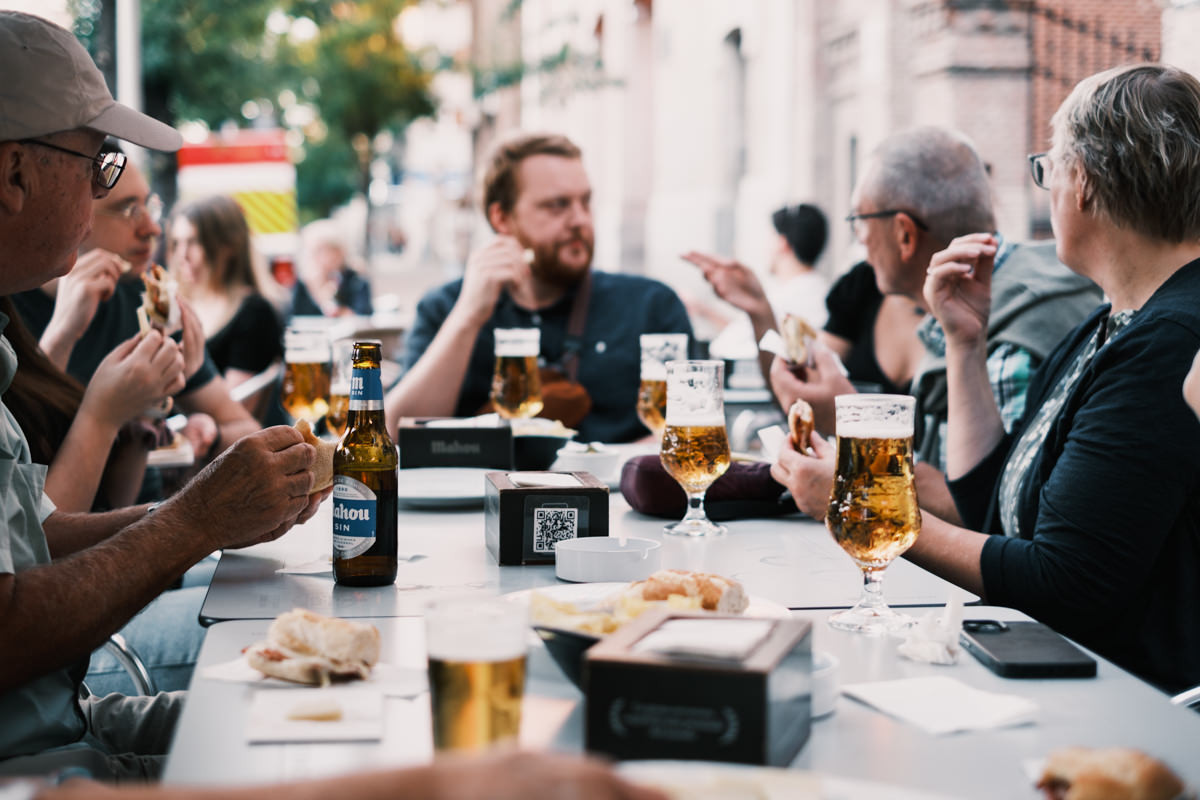
The next stop was not so much about the place as it was the classic pairing of Mahou, Madrid’s quintessential beer and the traditional Bocadillo de Lomo, the everyday man’s sandwich of cured pork loin and Manchego cheese on crusty bread.
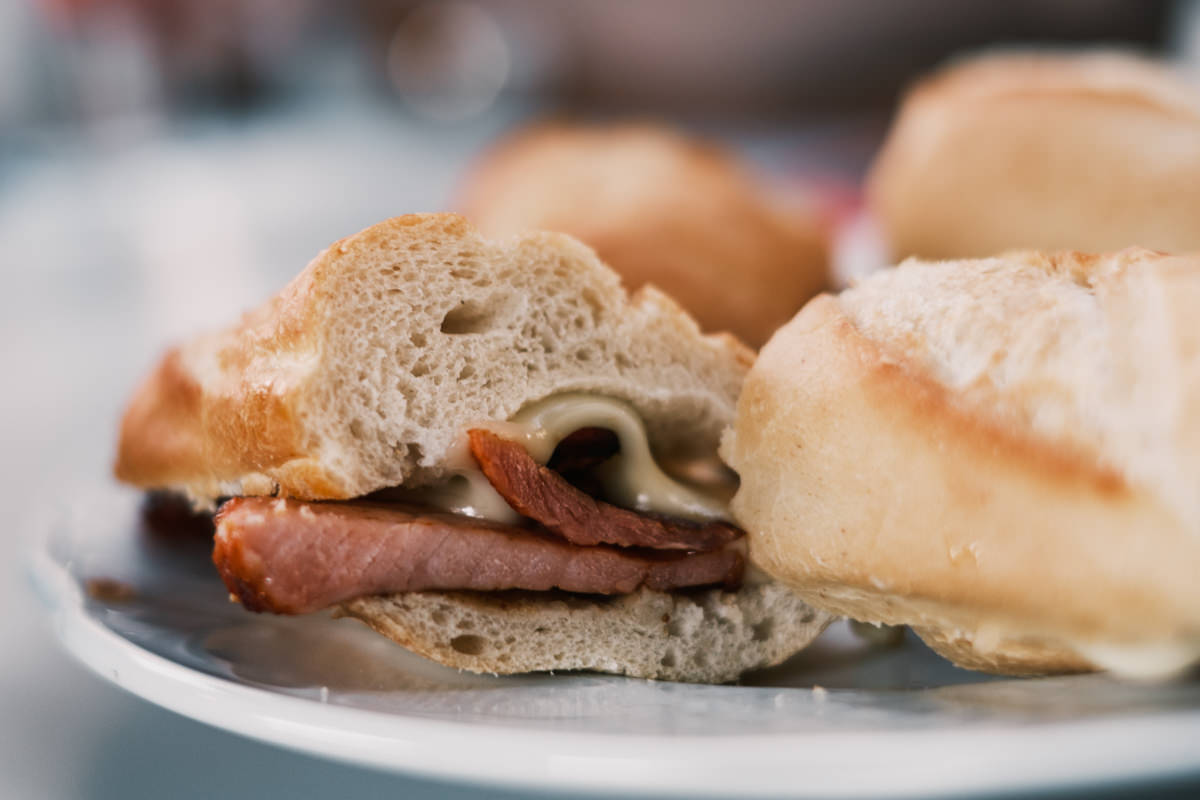
The beer, pronounced ‘MA-OOH’ and not ‘MA-WHO’, can be ordered as a caña (around 200ml) or a doble (400ml), and typically people will order the smaller size so it can be enjoy quickly while it’s cold in between bites of the bocadillo. This is a good one to remember for Spain.
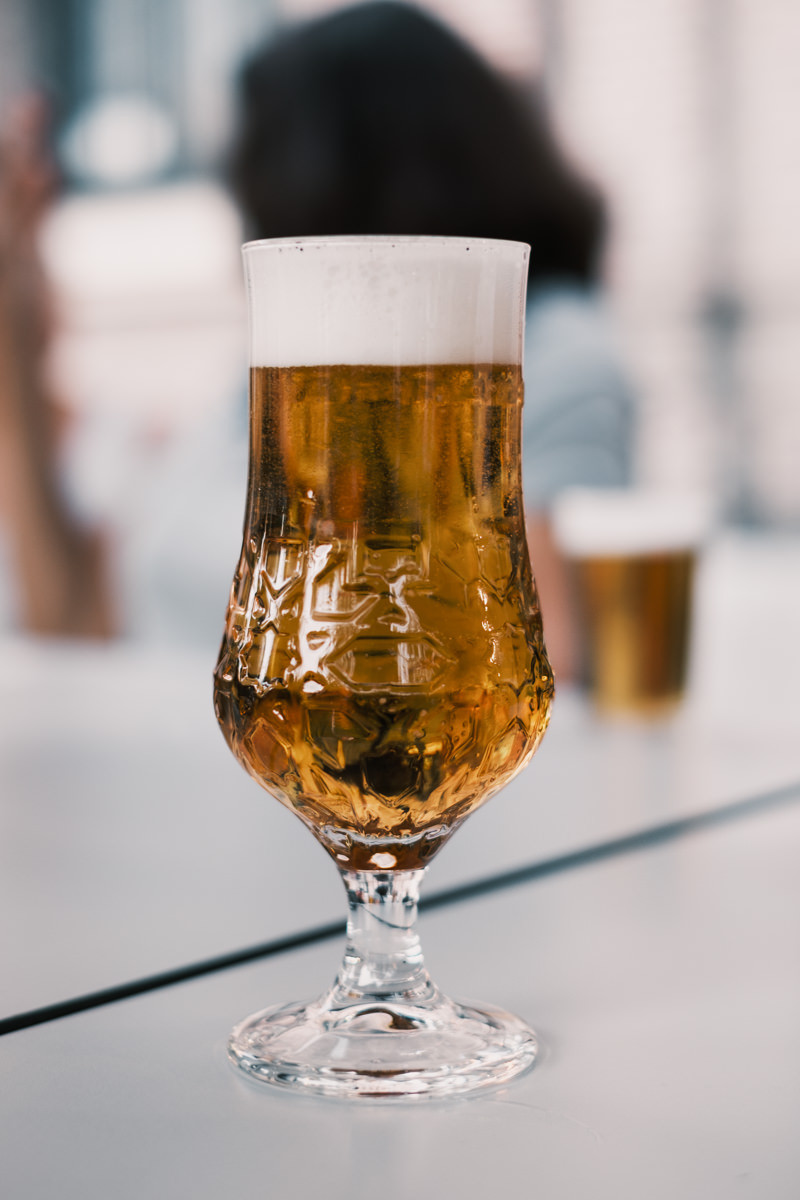
And really, this was one of my favorite parts of the tour. Just sitting on a sidewalk terrace passing around sandwiches and enjoying a cold beer over conversation.
A Preservation of Madrid’s Tavern Culture
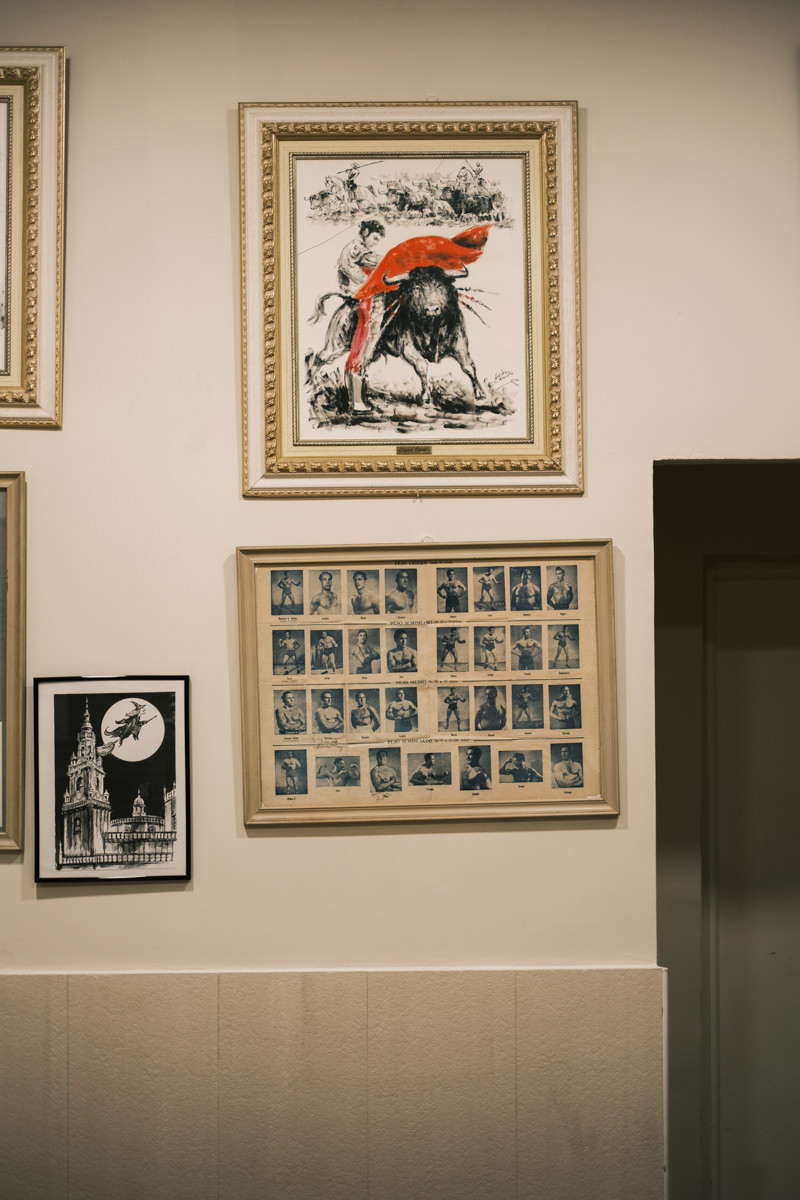
The third stop was a wine bodega started in 1916 that eventually shifted into a tapas bar a few decades ago. The decor remains more or less the same, frozen in time,
Original barrels still line the walls. Dusty bottles across different eras sit high on shelves above faded newspapers clippings, old photographs, stamps, and vintage advertisements. Even if the food wasn’t great, it’d still be a worthwhile visit.
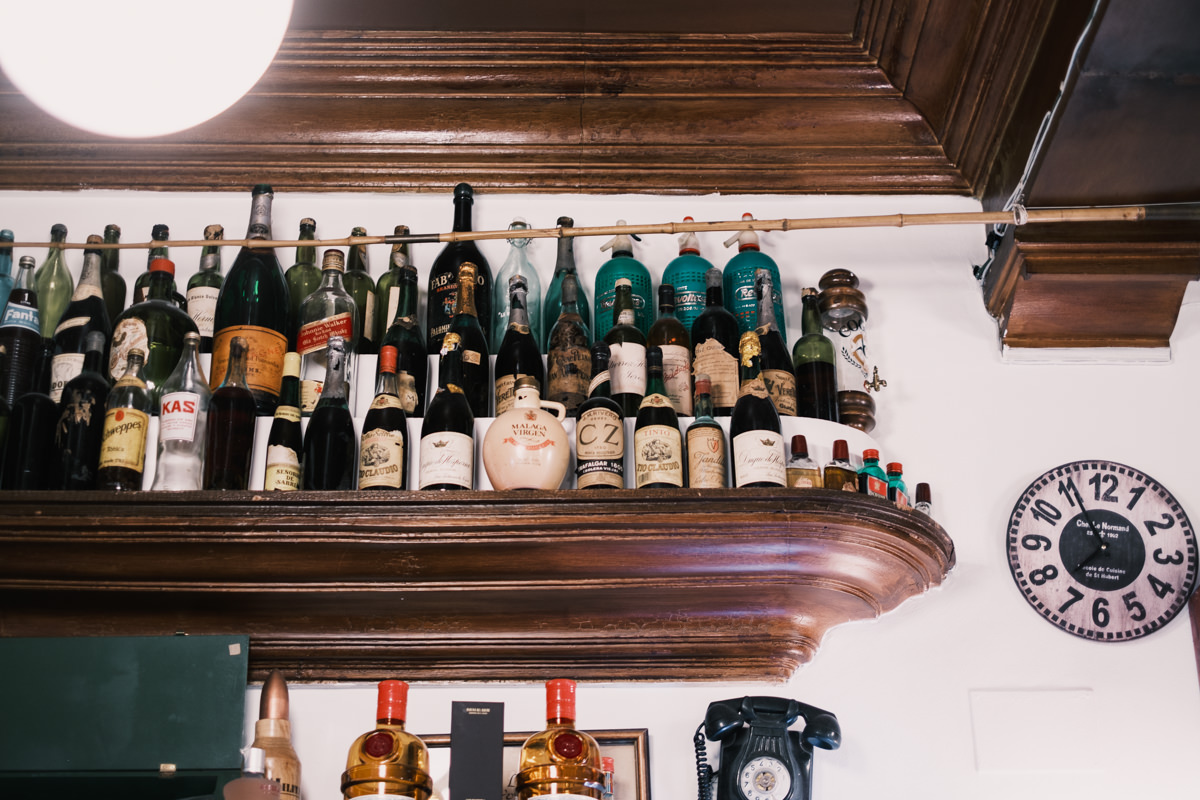
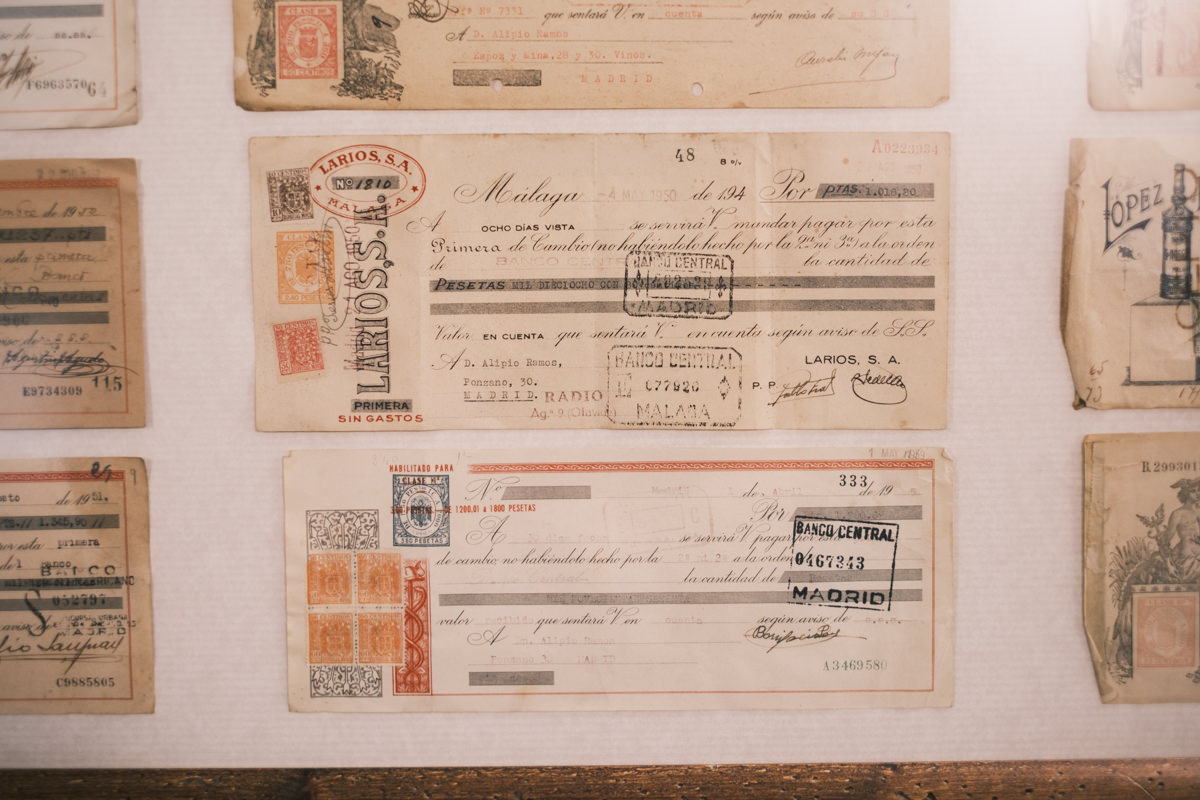
Luckily, it was, and we got to taste a good tortilla, Spain’s classic version of an omelette with potatoes.
I remember waking up early to reserve a slice of one of the best tortillas in San Sebastián.
You’d be lucky to get one before it sells out in minutes. This one was pretty close and done properly in the traditional way.
Tortilla Española: The Correct Way
Tip #4: Do the Hammam bath thing. Trust me.
Fresh tortilla española made with real eggs has a noticeably more homemade texture and flavor. But nowadays, many tapas bars use pasteurized egg mixtures because they are easier to prepare and produce a creamier consistency.
Done properly, the traditional version should have layers of melt-in-your-mouth potatoes held together by soft, slightly runny eggs.
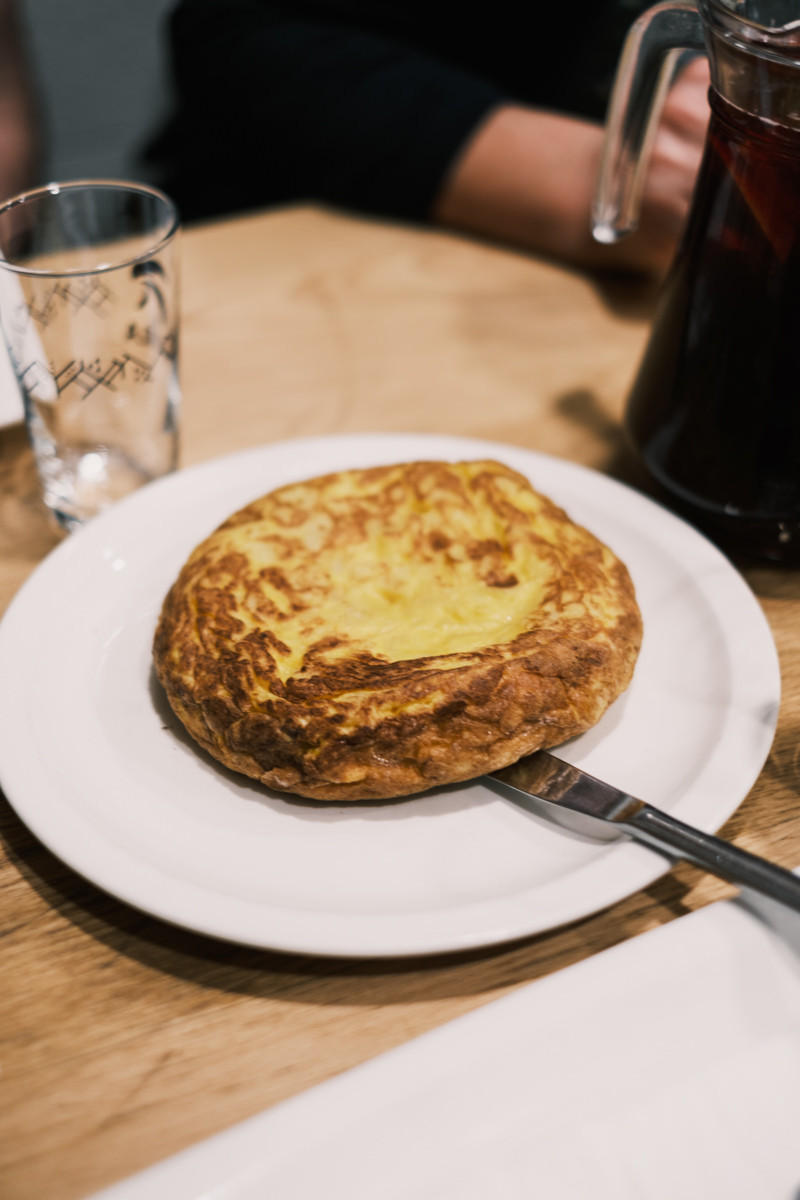
It looks deceptively simple to make, but is so easy to ruin by overcooking or undercooking one of its ingredients.
I happily accepted an extra portion.
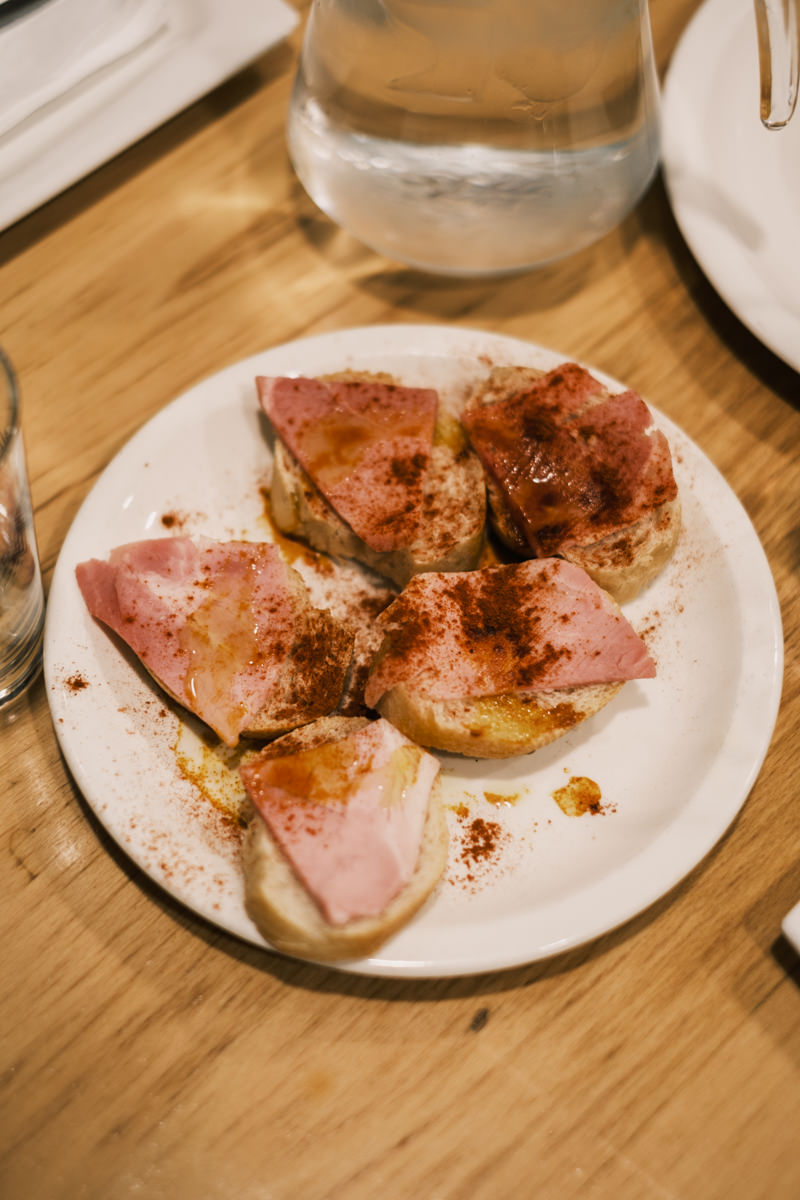
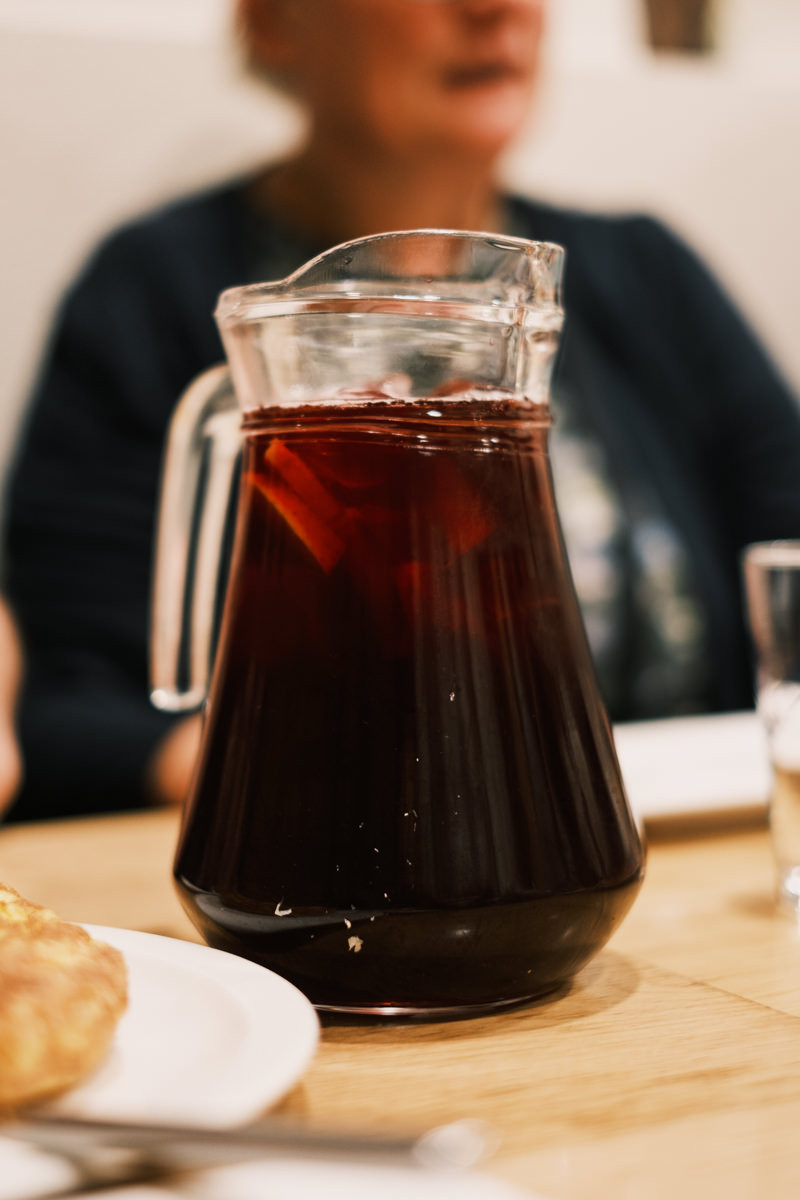
There was also tender lacón, cured pork shoulder, sliced and topped on simple pieces of bread and dusted with sweet paprika. Here, we moved from the wine and beer to sangria. But the real thing.
Real Sangria, Not The Sugary Stuff
Authentic sangria was never supposed to resemble the sugar-heavy fruit punch often served to eager tourists.
A classic version uses equal parts wine and a lightly carbonated soda, adding spices and fruits like lemon, oranges, or apples. Whatever you find in your pantry. For a stronger drink, a touch of vermouth, gin, or brandy is added.
No berries. No pineapples. No excessive sweetness or decorative flowers in jars mostly filled with ice.
Even so, it’s not something you’ll find many locals ordering. They go for the simpler Tint0 de Verano (wine and soda) or a house-made vermouth, which brings us to our last stop.
Vermouth and Madrid’s Social Culinary Heartbeat
Tip #5: There are three via ferrata routes in Madrid if you want a bit of adventure.
Our final stop was a tavern that has been family-run since the 50’s and remains so several generations later. Instead of traditional dining tables, we sat on stools around a tall communal table eating and drinking two of the most local things you have to try in Madrid.
First was the Vermouth de la casa. House-made vermouth.
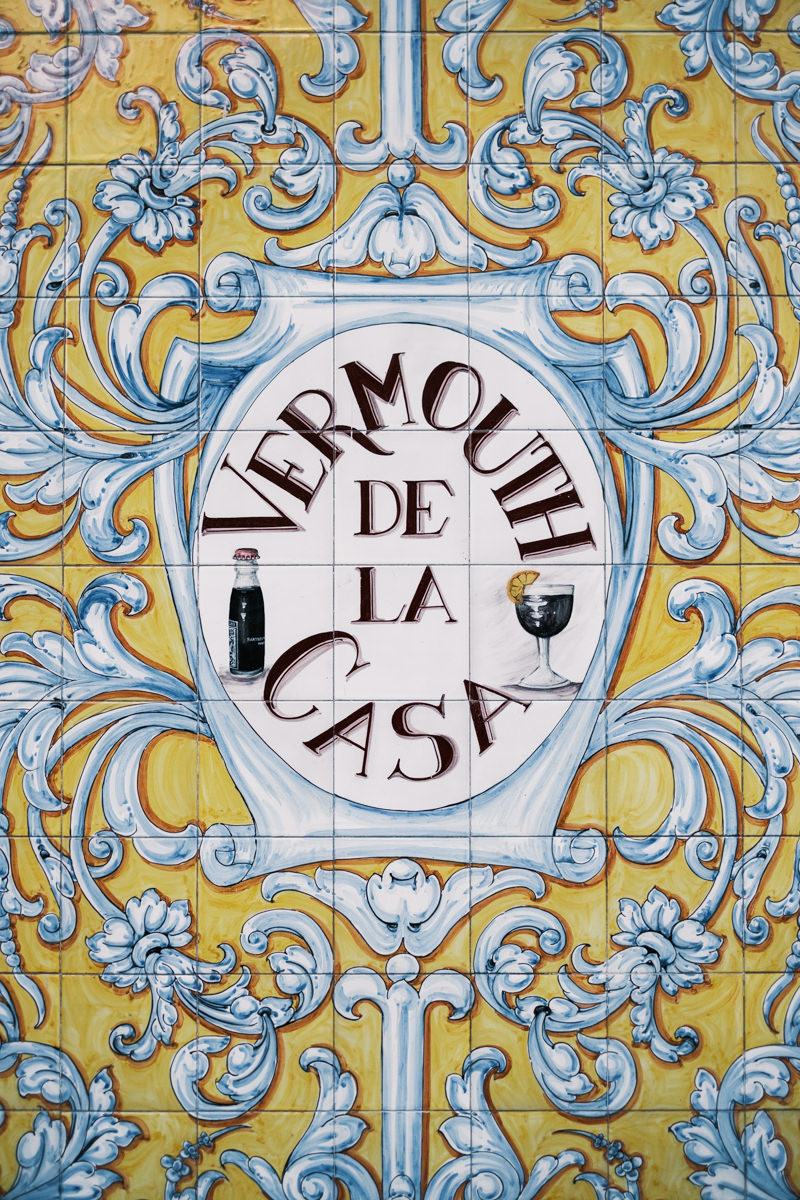
Outside of Europe, most people think of vermouth as just one of the ingredients for a martini, but in France, Italy, and Spain, it is a social ritual.
While it may have originated in Italy, the version served here was traditionally Spanish by way of fortifying white wine with a spirit like brandy and then infusing it with herbs and caramelized sugar. Many bars make their own house-made version, and most start with white wine but comes out looking like a red one and is served with ice and a citrus peel.
Why Madrid’s Fried Calamari Is Better Outside Plaza Mayor
Bocadillo de calamares (fried calamari sandwich) is one of those Madrid things you’re supposed to try. Many guides will tell you the best ones can be found at Bar La Ideal or Bar La Campana, both next to each other and conveniently located at Plaza Mayor. The long lines would seem to back that up, but from my experience, you can do better elsewhere, without the long wait and the lower quality frozen squid.
Here, the squid is fresh, lightly coated, and then fried in olive oil and served immediately. It’s tender and crispy and the pairing of aioli and a spritz of lemon really brings out the flavor of the sea.
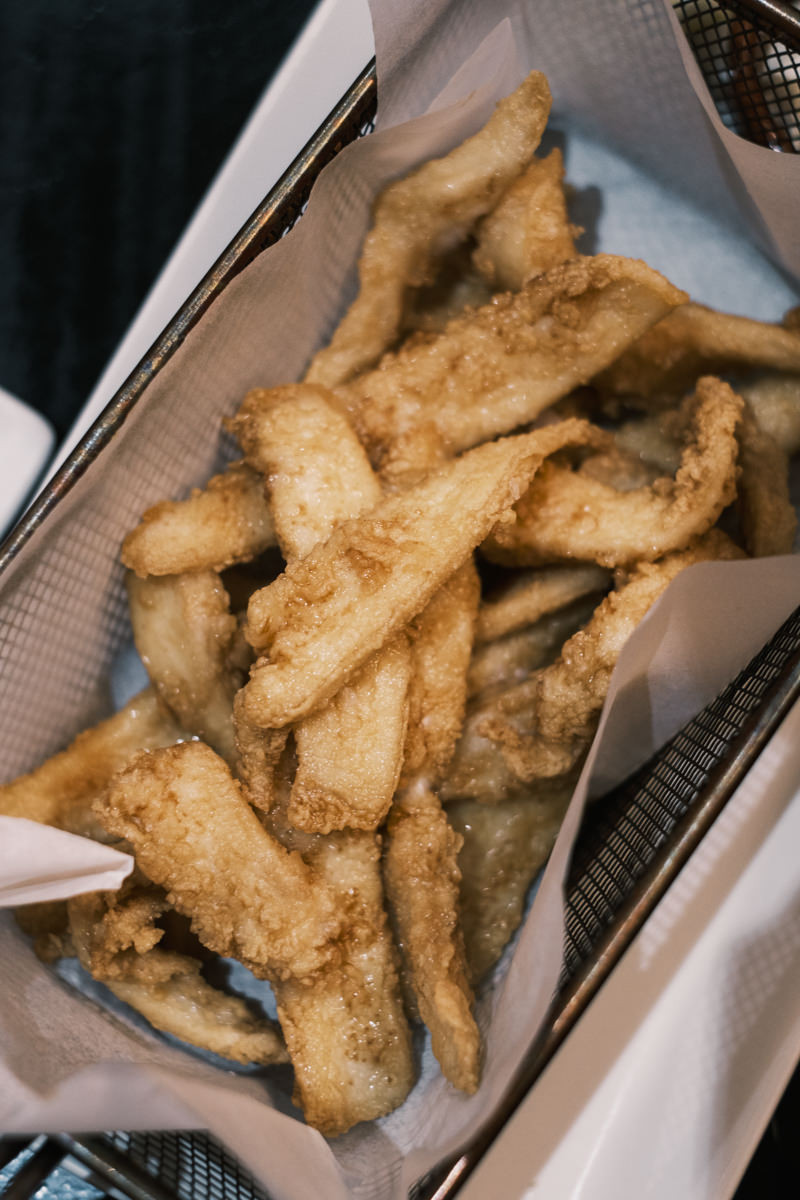
Once you’ve had it right, it kind of ruins average calamari forever.
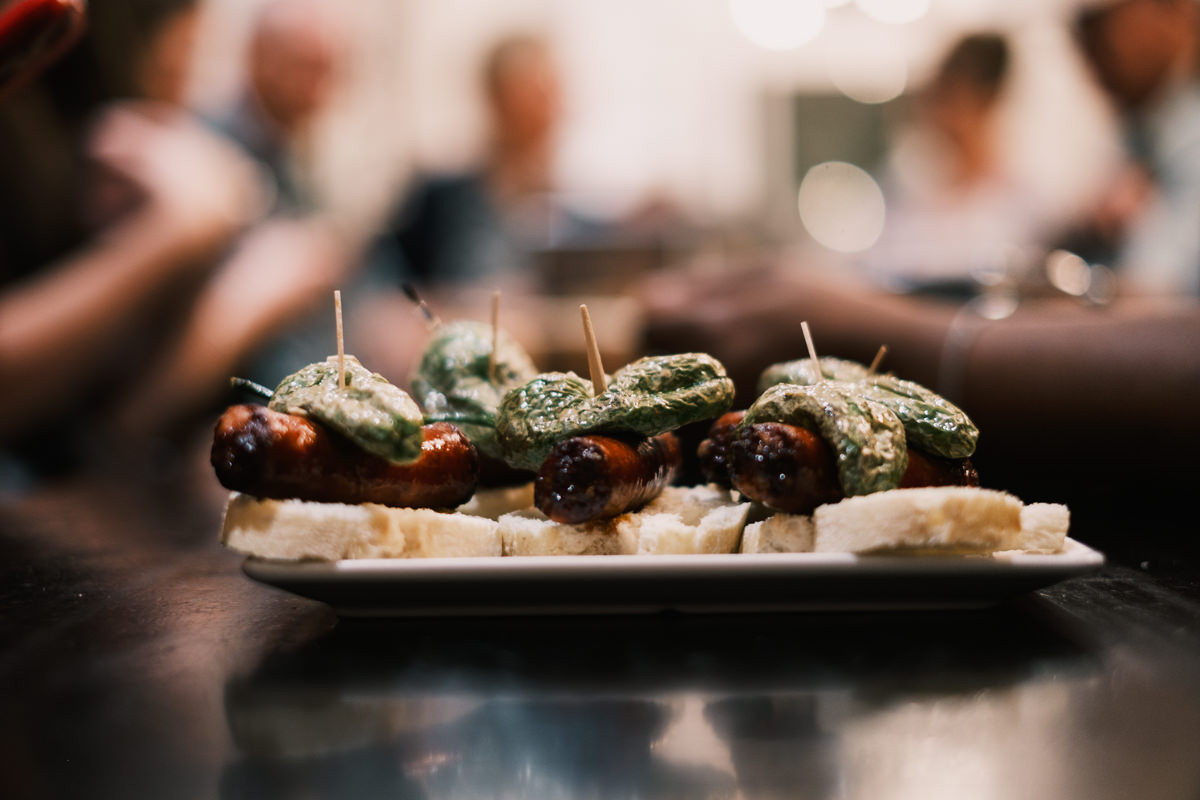
The experience was coming to an end, but nobody at the table seemed in a hurry to leave. There was still the smoky chorizo and blistered Padrón peppers to go with the last sips of our vermouth.
Everything We Ate & Drank On Food Lover’s Chamberi Tapas Crawl
Tip #6: If you’re not heading to Sevilla or Granada, catch this Flamenco show. It’s one of the bigger productions, which makes a difference.
A recap of what we had on the Chamberí food tour.
- Rioja and Verdejo wines, Mahou beer, traditional-style sangria,and house-made Vermouth.
- Iberian ham croquettes
- Early harvest extra virgin olive oil tastings
- Serrano ham and Iberian pork loin
- Aged Manchego cheese
- Tortilla española
- Lacón
- Fresh fried calamari with aioli
- Chorizo and Padrón peppers
I wasn’t full full, but left pretty satisfied and slightly buzzed.
Is It Worth It?
Tip #7: If you have time, check out the Barranco de Somosierra canyon about 1.5 hours away from Madrid.
I always recommend people check out Chamberí, just because you get a different read on Madrid than just staying around the center.
Can you do this on your own? You can try these same dishes in many places around Madrid, but have context and stories makes it more than just eating.
You can read about it, like you’re doing now, but it’s different when you’re learning first hand why certain ingredients matter, why locals care about specific preparations, and what makes eating in Madrid different from Sevilla or Barcelona. A good guide can make or break a tour and we had an excellent one in Ioanna.
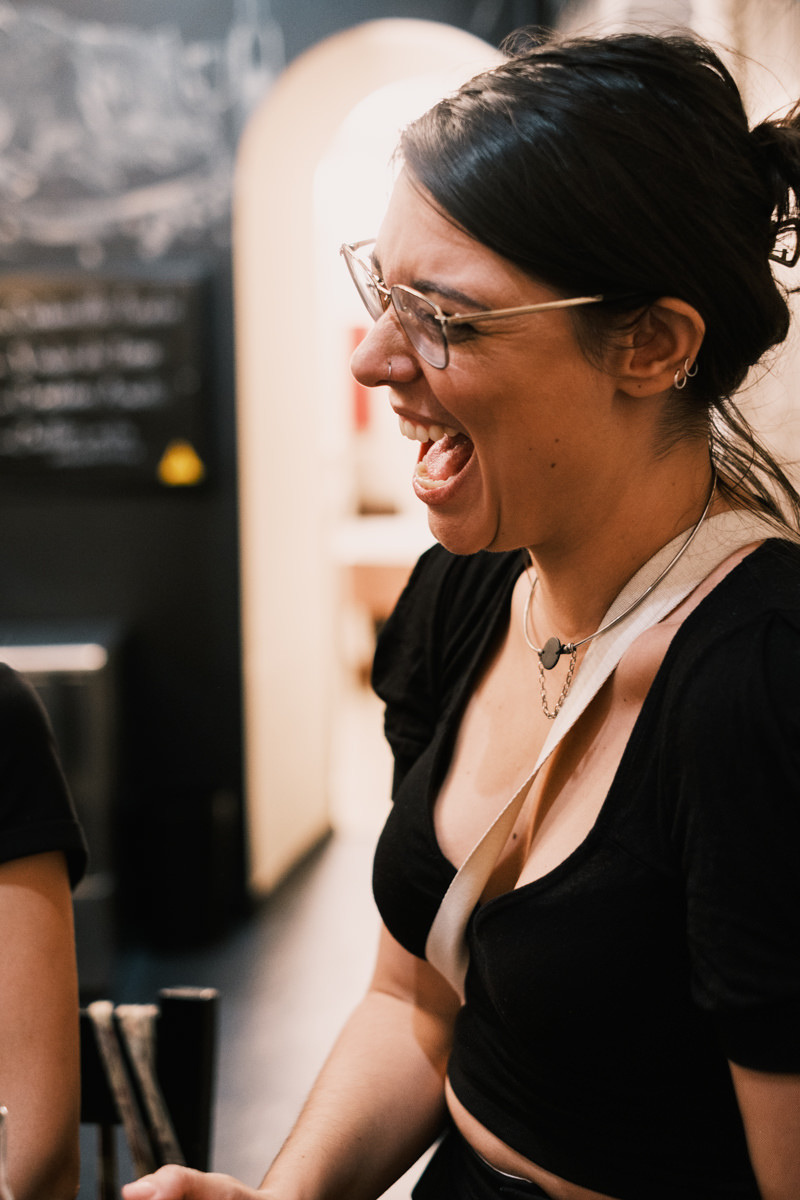
Overall, I liked that you really got a good sampling across the board hitting up some good versions of classic tapas and a different type of drink at each place. It’s a tour I can recommend to my friends, especially at the price point, so I’m glad I did it.
Final Thoughts
I’ve been to Madrid several times, and on this last trip, I ended up focusing on organized food experiences, including two very different food tours in Madrid.
One that focused on the historic center with an emphasis on Spanish wines and this one (apparently, it’s the only one) that takes you to a more local neighborhood for a more authentic food scene.
You can’t go wrong with either, but together, they showed two different sides of Madrid.
If I had to choose one, I’d probably go with this one, just because finding popular spots around the city center is a lot easier.
And for that reason, I put together my Foodie’s Guide To Madrid’s Hidden Gems and Open Secrets that’s a polished version of the short list of places I recommend to my friends when they’re visiting Madrid.
I also did a behind the scenes private visit and lunch at the world’s oldest restaurant, Sobrino de Botin and a wine tasting and lunch trip to Ribera del Duero.
You can also check out my other guides around Spain if you’re visiting more than just Madrid.
Updated on August 19, 2026