Cesarine Review: The Closest Thing To Cooking With An Italian Nonna
Cesarine Review: The Closest Thing To Cooking With An Italian Nonna
For years, one particular food experience I’ve had on my bucket list for Italy is to “cook with someone’s nonna.”
You know, a loud and lively kitchen, getting yelled at for adding too much salt or not enough salt, and of course getting a taste of the sauce before it hits the plate and being told that ‘that’s how you make the ragù.’
I couldn’t just go around asking if I could cook with people’s grandmothers, but I might have found the next best thing.
You Come To Bologna To Eat
Bologna is widely considered the food capital of Italy, even earning the nickname of La Grassa (“The Fat One”). People from Naples, Tuscany, and Sicily will fight you on that – but even they might admit that Bologna does food very, very well.
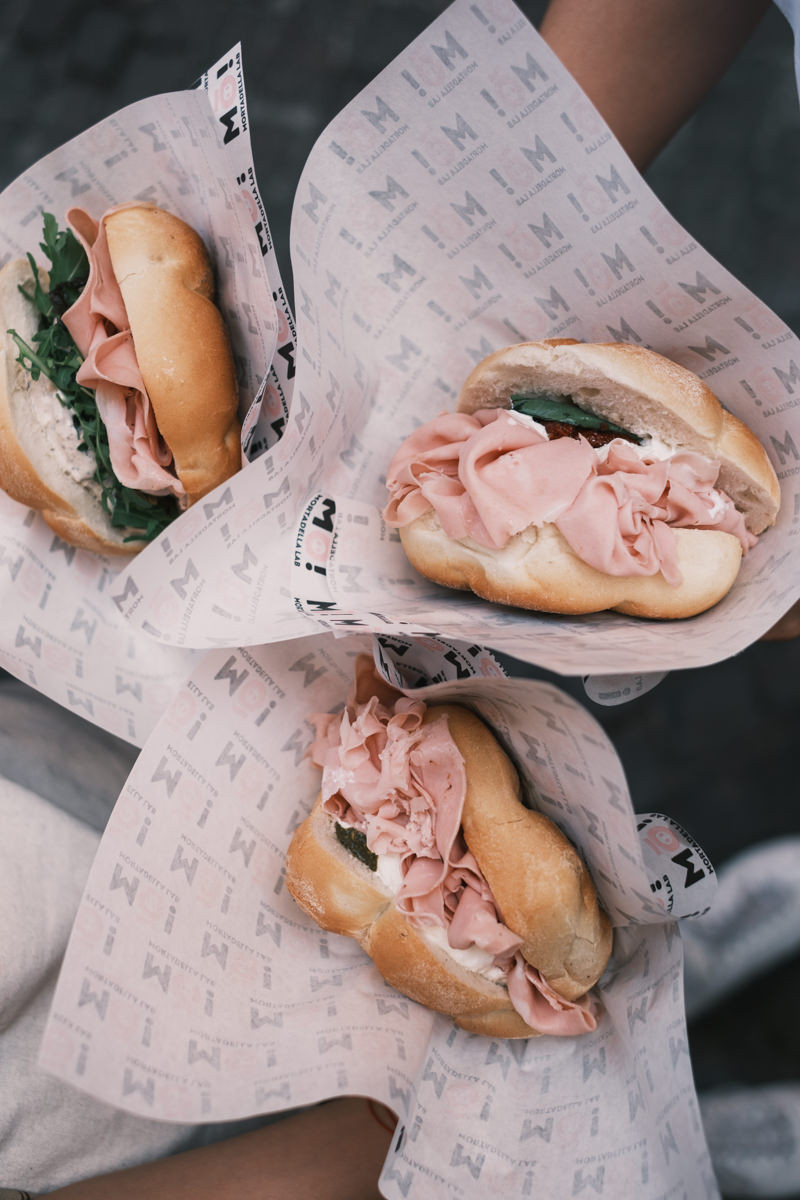
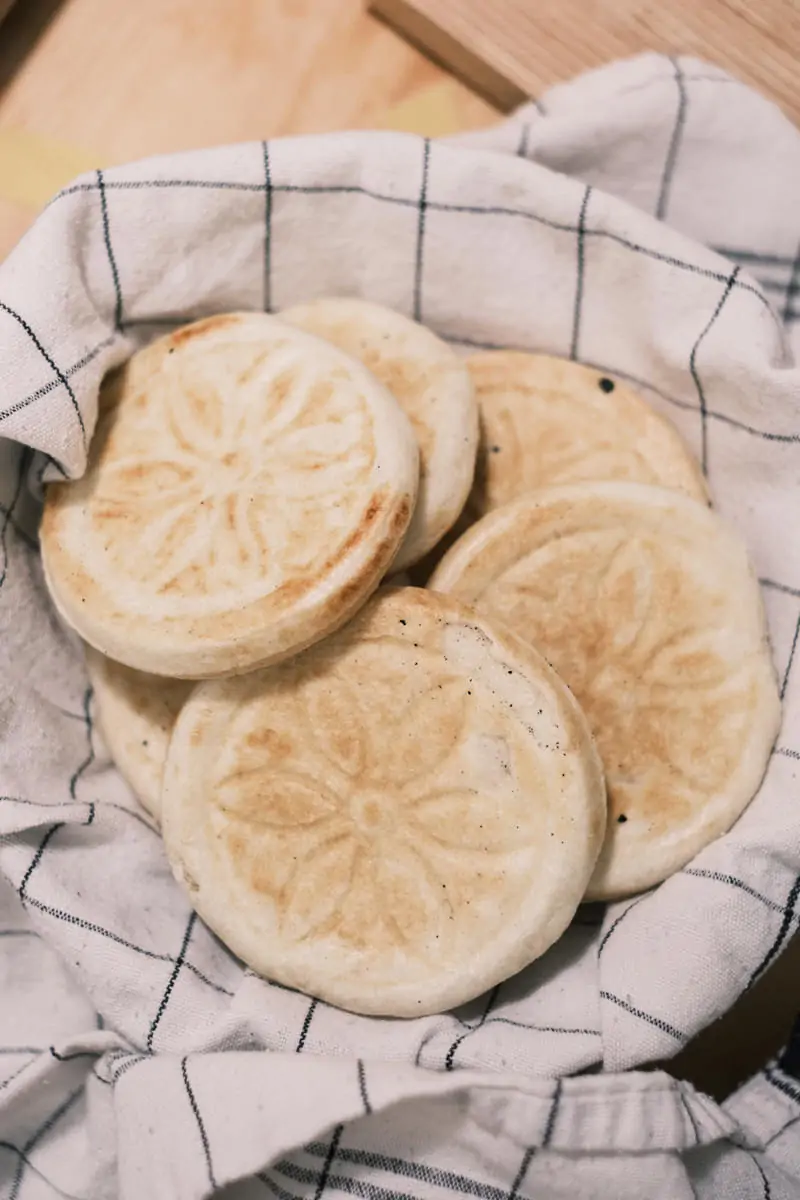
I’m thinking Fat mortadella sandwiches, tagliatelle with slow cooked ragù alla Bolognese, and steaming tigelle to go with all the cured meats and cheese the region is known for.
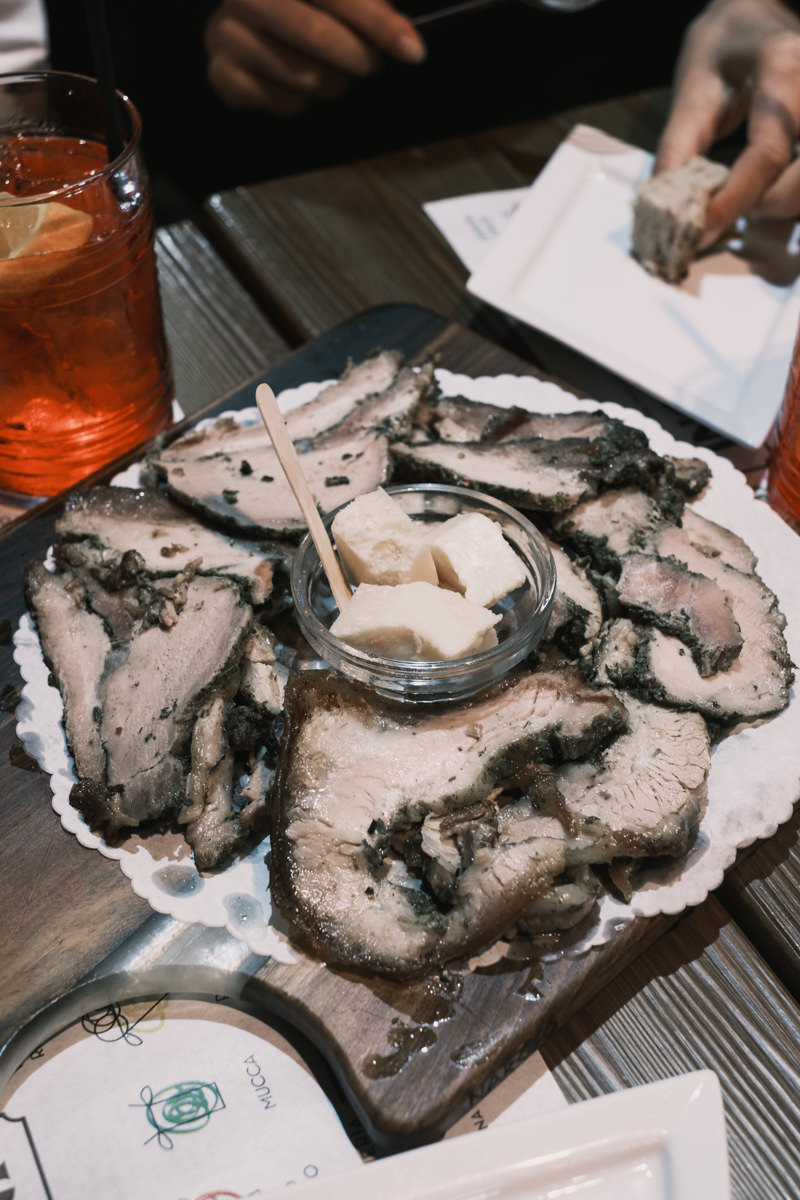
TIP #1: Consider going on a food tour that takes you outside of Bologna.
Since I was visiting Bologna for the first time, I didn’t want to just settle for a random food tour (I recommend this one in the city and this one leaving the city) or cooking workshop, and there were no shortage of them. It actually made choosing quite hard.
There were some good recommendations from friends, but it was Cesarine, a platform for finding home-based cooking classes with locals that caught my attention. On paper, it was almost exactly what I was looking for, but I tempered my excitement and reserved my judgement until I could try it out myself.
How To Pronounce Cesarine: CHE – ZA – REE – NEH
Cesarine Quick-Take TL:DR
Here’s a high level summary if you like to skip to the last page of a book.
Best For: Travelers looking for a unique culinary experience, a chance to experience Italian hospitality and engage in real cultural exchange
Less Ideal For: Large groups or people wanting a cheap pasta workshop
Hands-On Level: Roughly 70/30 hands-on cooking vs demonstration
Cost: $110–160 per person.
Worth It Factor: High. A hidden-gem find and an experience you don’t find everyday.
Value: Excellent. A bargain for what you get.
What Makes Cesarine Different From Traditional Cooking Classes In Italy?
TIP #2: Good option for large groups
A traditional cooking class in a commercial kitchen workshop space is more or less dependable.
As long as the reviews are good, you know you’re getting something centrally located, hands-on, and designed for all levels. Group classes can also be cost-effective, and have multiple classes a day to fit your schedule. For most tourists, it’s a fun activity to pass a few hours where you can eat and also learn a thing or two. The downside is that some can feel like a sterile classroom with too many participants and not enough attention.
What makes Cesarine different is that they are a community of local home cooks that offer small group or private cooking classes from their own homes.
There’s around 1500 of these ‘Cesarinas,’ scattered all across Italy, not just Bologna, each offering a unique home cooking experience. Each selected and vetted by an in-house team to ensure their class, the kitchen, home, and hygiene protocol all meet the standards set by Cesarine.
Note: FYI, I reached out to the company to ask a bunch of questions.
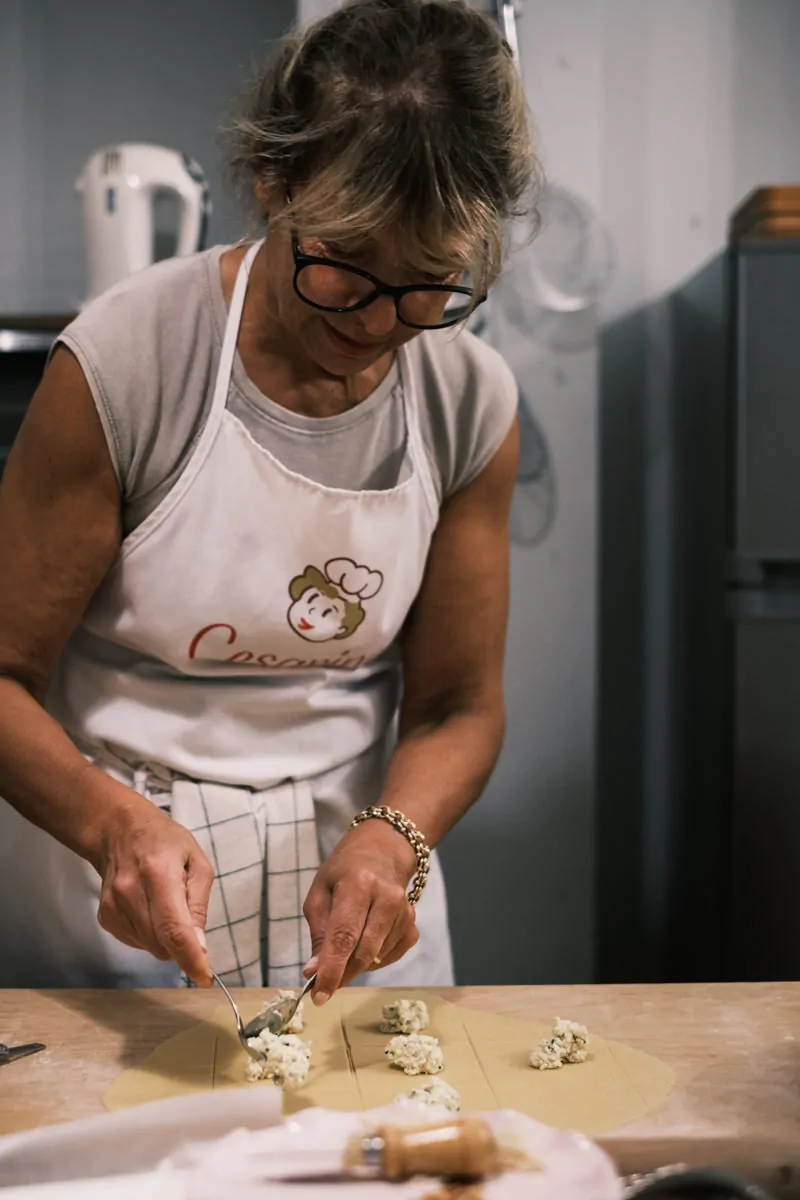
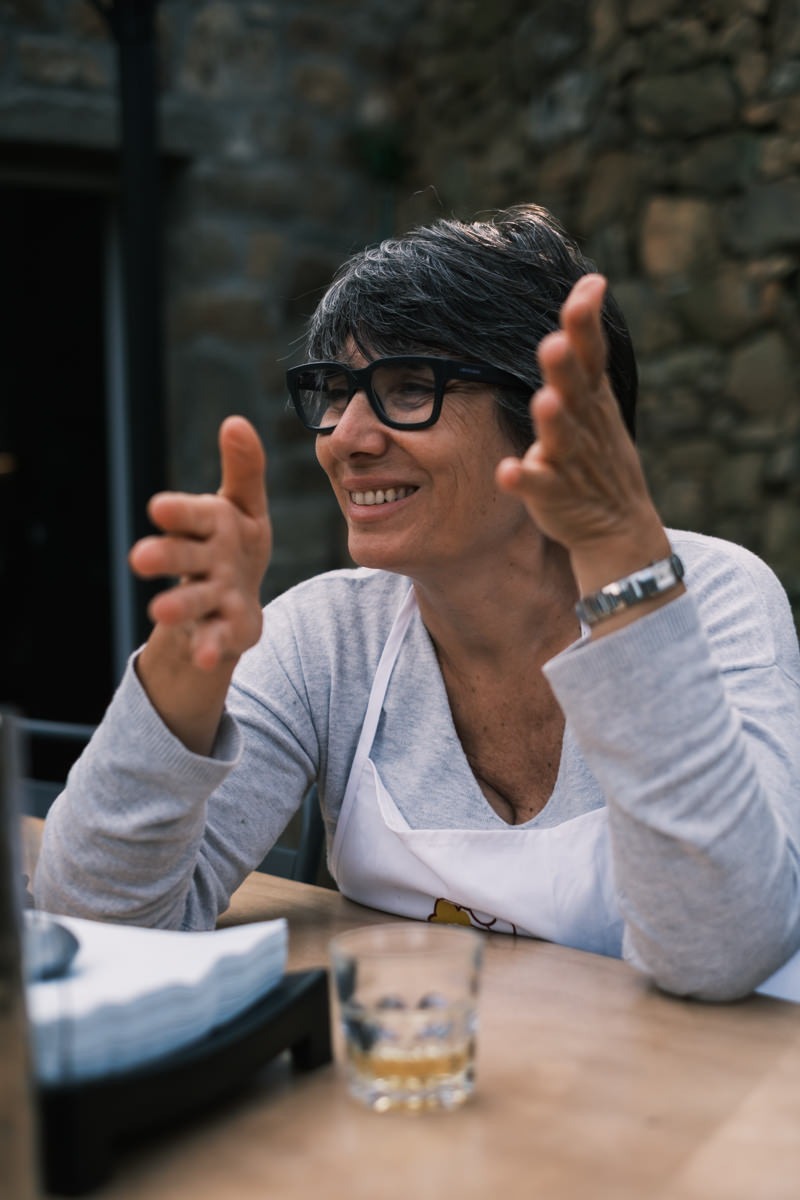
Now curious, I actually spent a couple hours looking at other classes beyond Bologna, just because I wanted to see photos of the homes and kitchens themselves.
In my head, I was already planning another trip around Italy just around these cooking experiences.
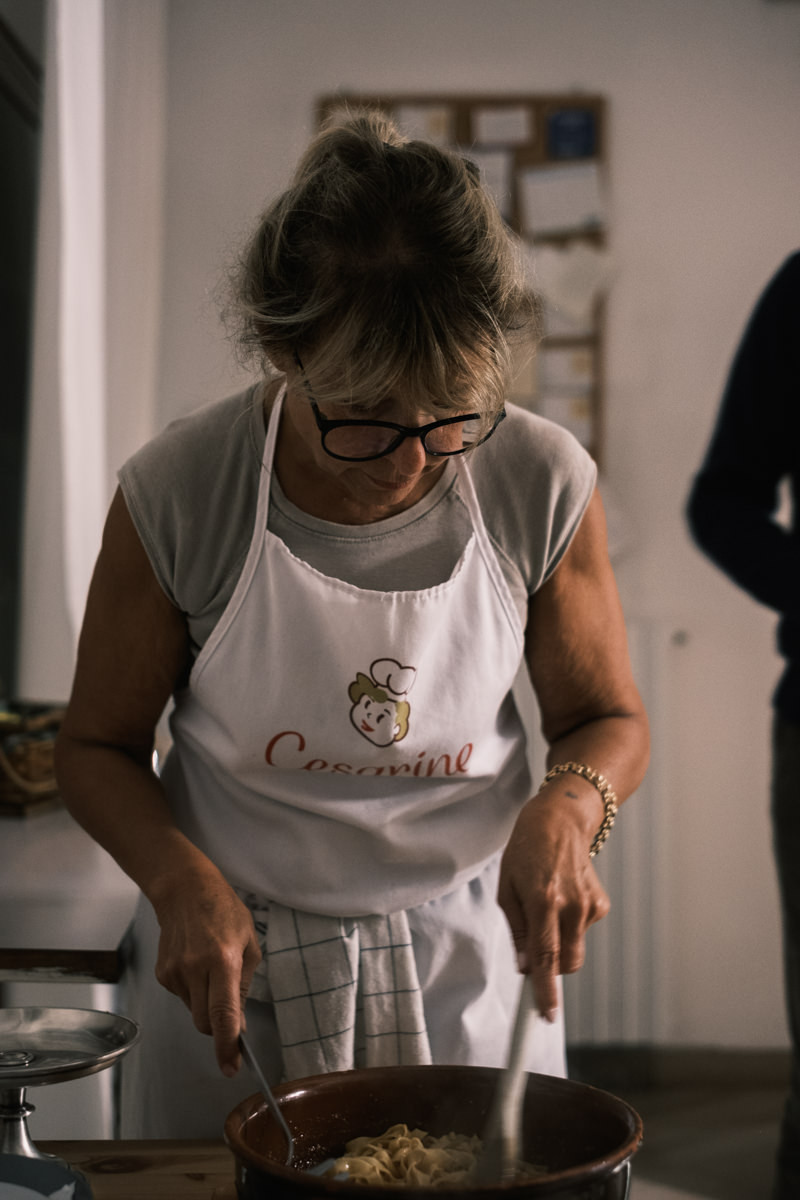
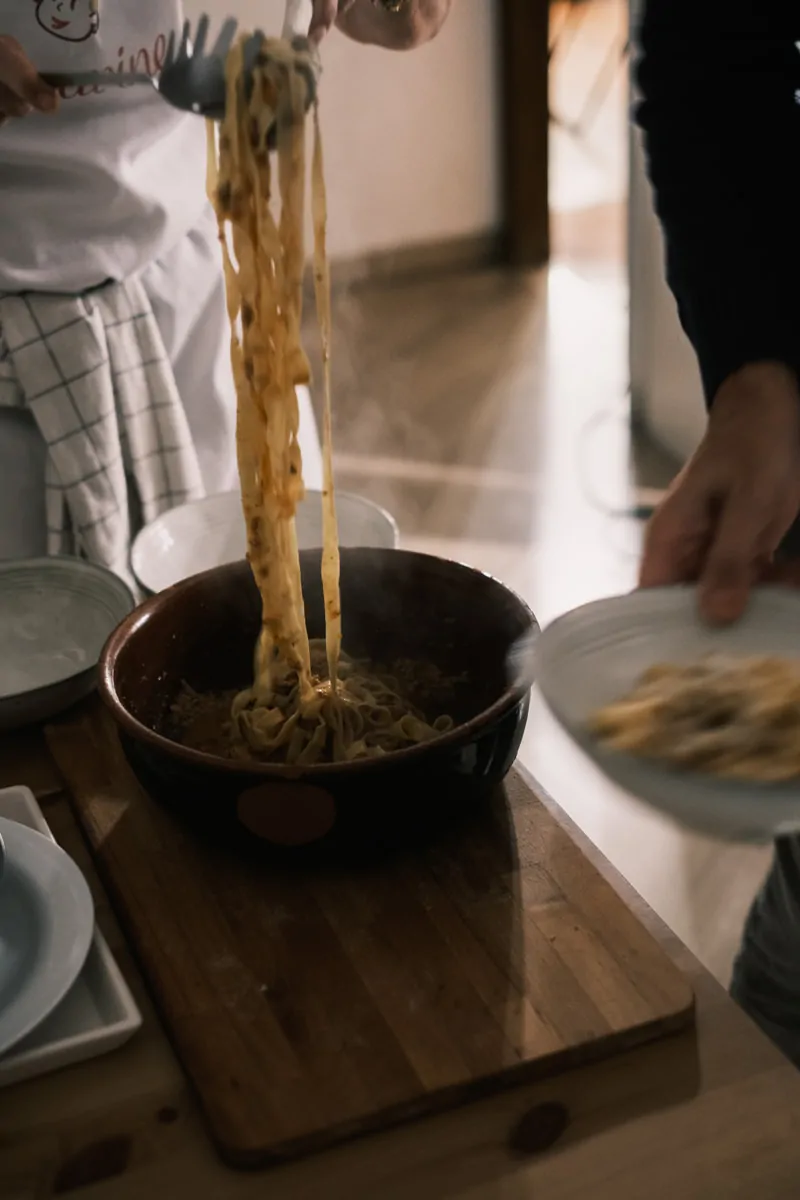
There were a few options that stood out in Bologna, and I ultimately settled on an experience with Cesarina Cristina to learn how to make Tigelle, Tagliatelle al Ragu, and Tiramisu at her bed and breakfast home in the historic center.
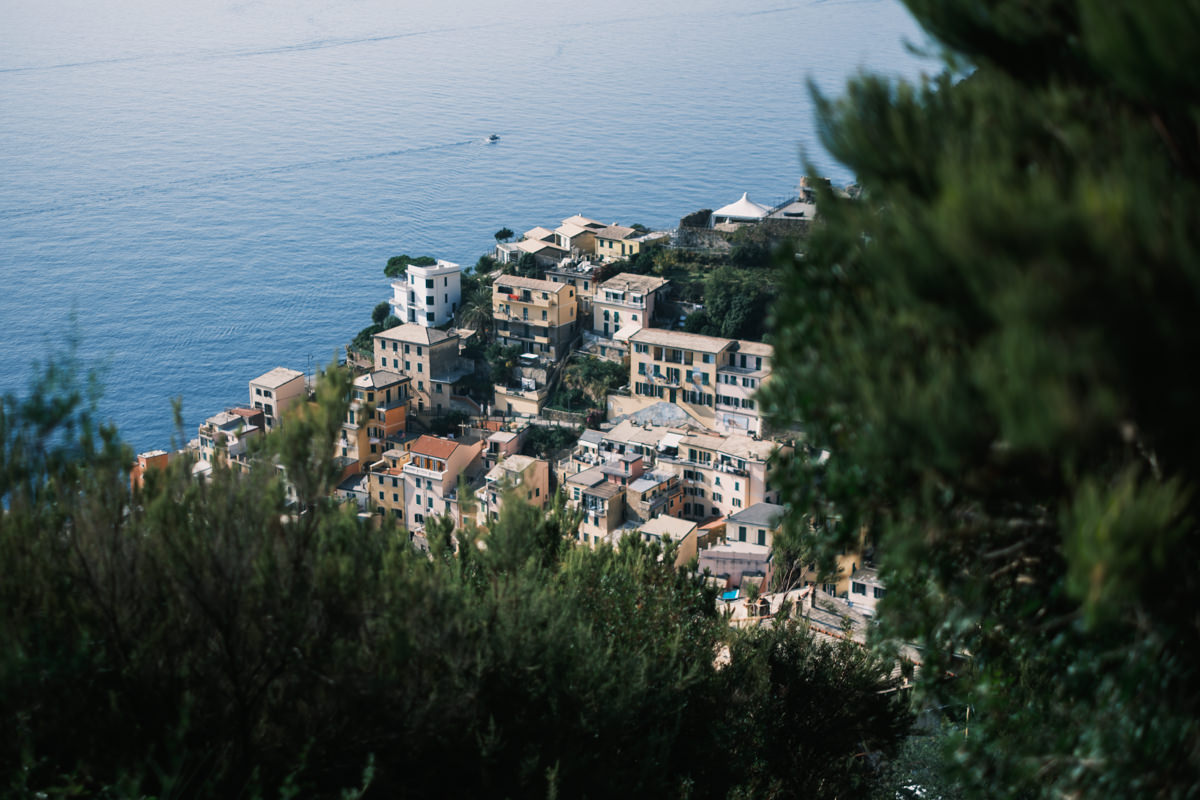
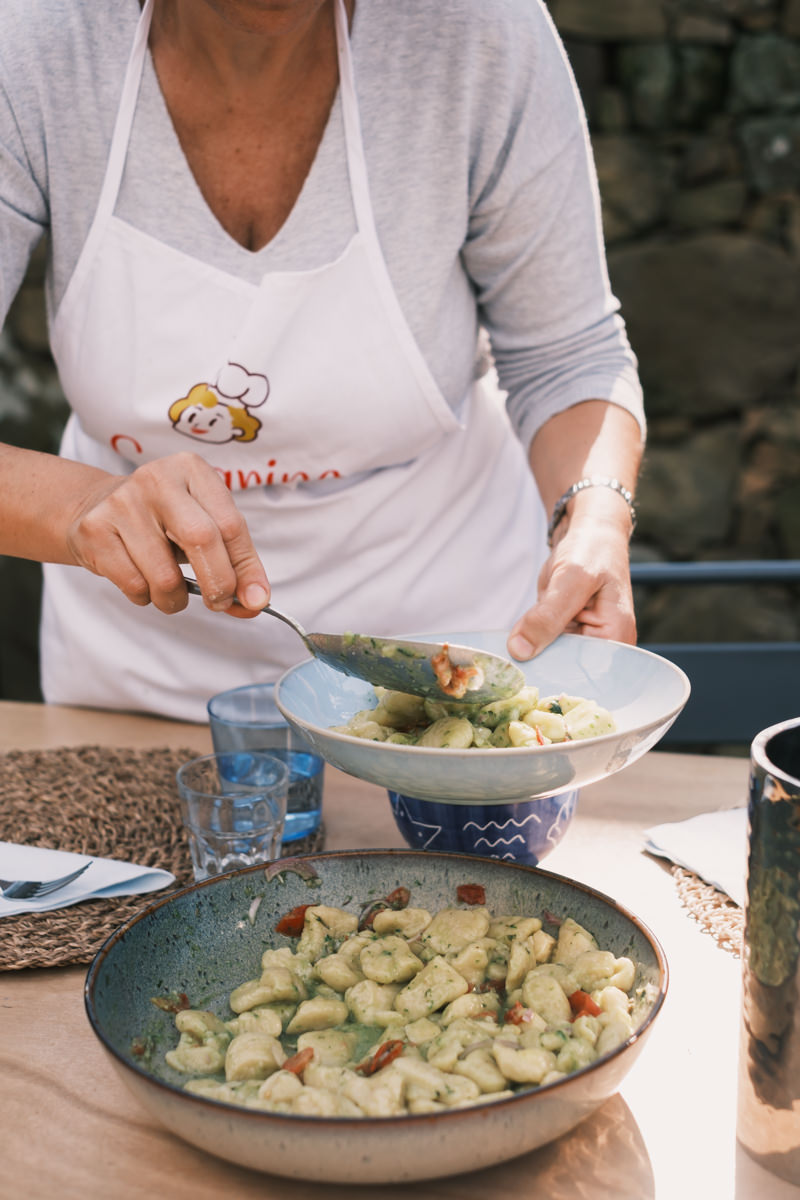
And then, because I couldn’t help myself, I booked another one in Cinque Terre just because of the stunning terrace and open-air kitchen atop the hillside of Riomaggiore. Definitely bookmark this one with Cesarina Barbara for your trip.
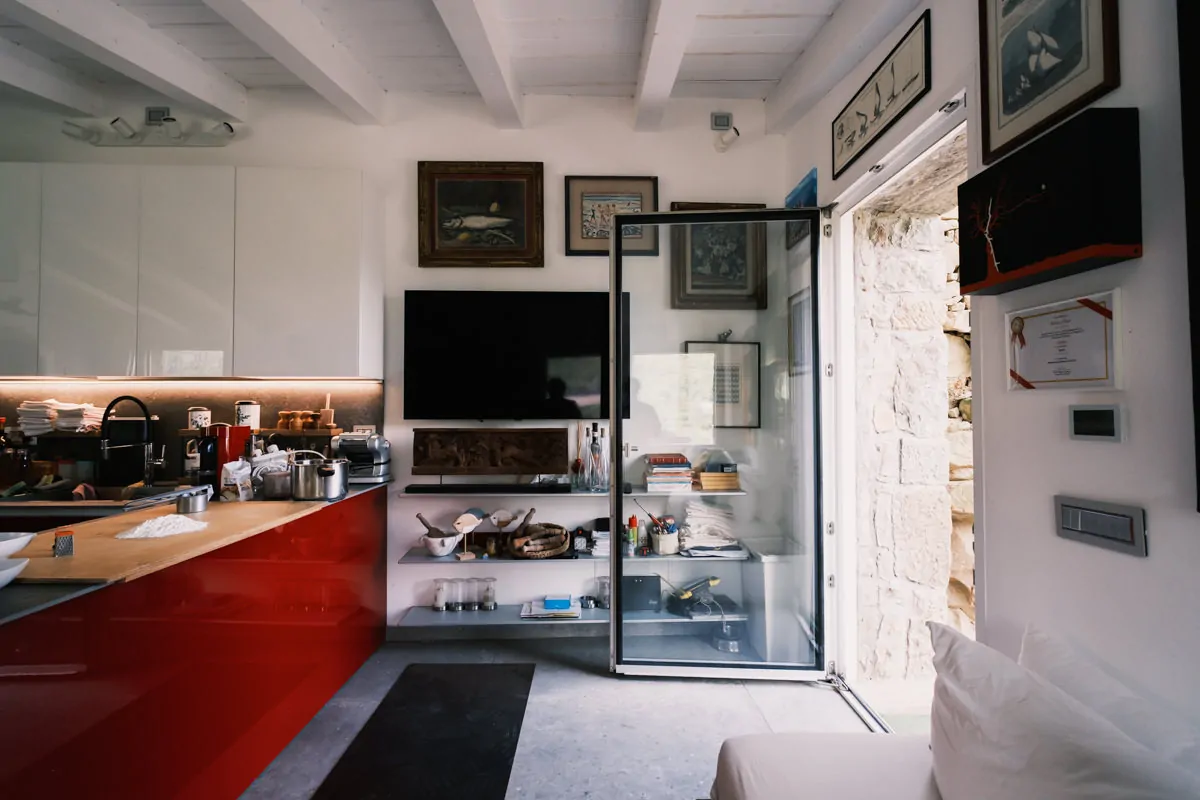
Cooking In A Real Home (With A Real Nonna)
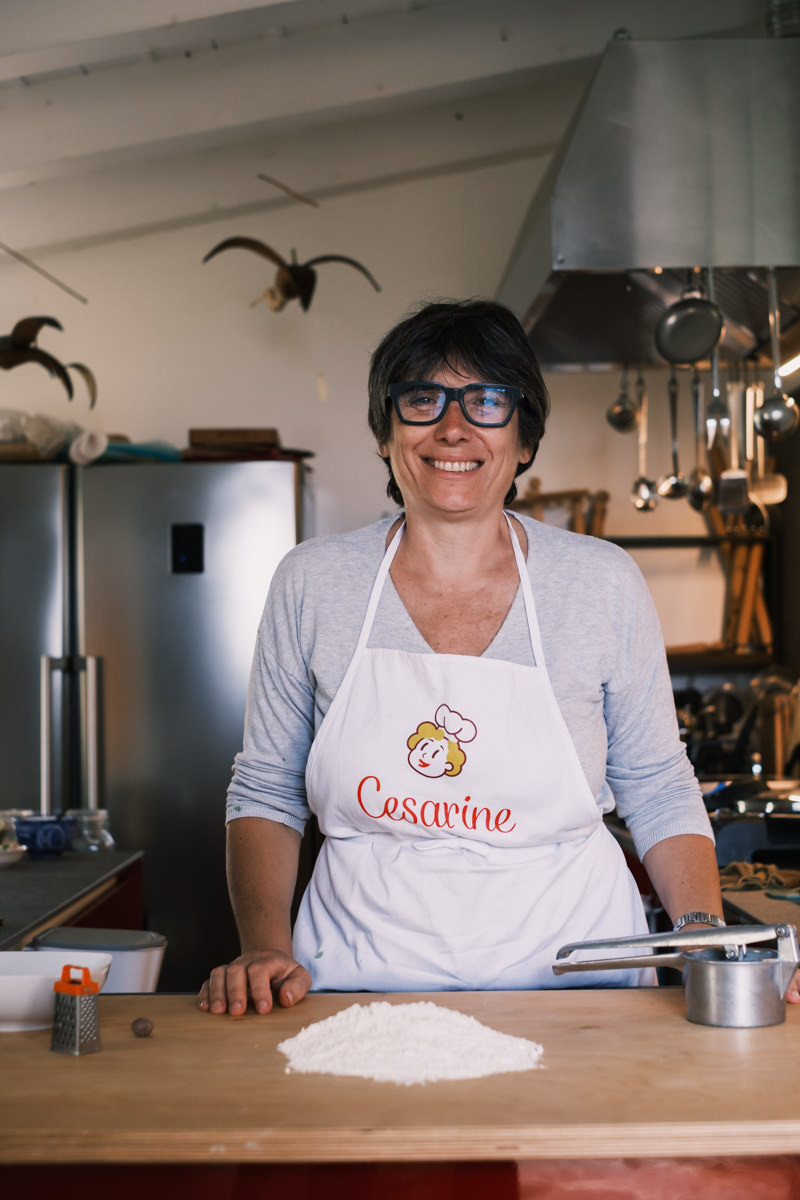
Cristina’s home was just minutes from the crowded Piazza Maggiore, but you’d hardly know it, with its tucked away and unassuming location. From the photos and even after meeting Cristina, I would never have guessed that she was a grandmother.
But, it just so happened that Cristina became a grandmother just the evening before, welcoming a new member to her family.
So, I could officially check off ‘cook with someone’s nonna’ from my bucket list.
TIP #3: Bologna is quite close to Parma. Don’t miss it.
But grandmother status or not, you’re getting the closest experience to cooking with real Italian mothers and grandmothers (or grandmothers to be).
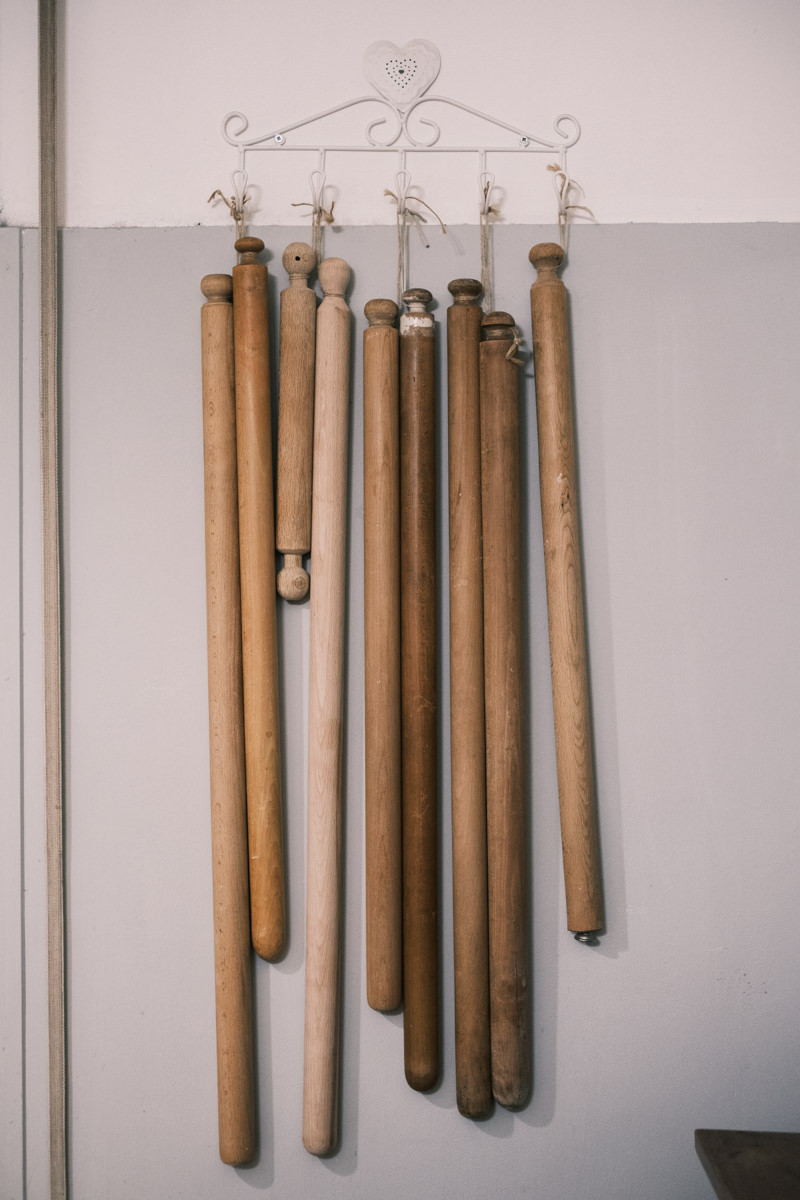
In her kitchen, rolling pins hung from the wall, not just decor, but a visual reminder of the tools and recipes passed down from generations of use.
Now I wanted a bunch of my own weathered rolling pins too.
Learning Real Regional Italian Recipes That Have Been Passed Down
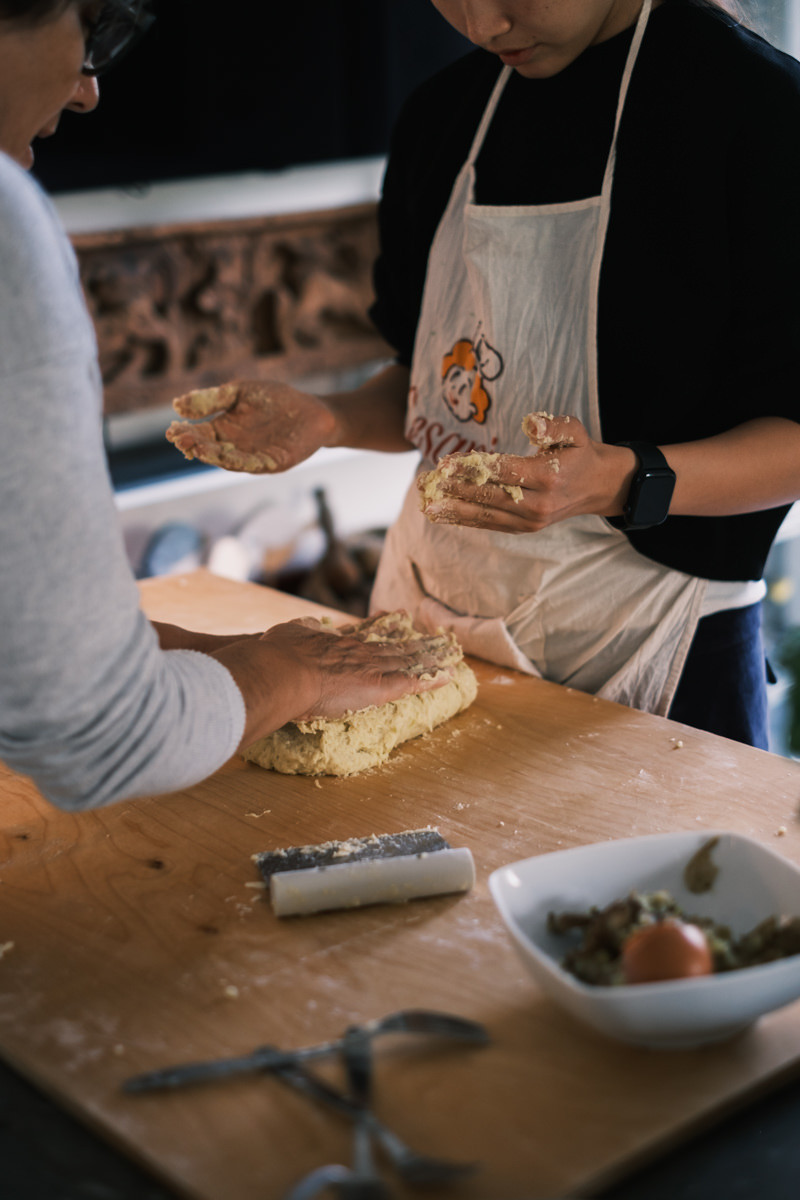
I’ve been cooking all my life, and I’ve made fresh pasta before, but under Cristina’s eyes, I felt like I was learning everything over for the first time. It’s true what they say about how ‘you don’t know what you don’t know.’
That’s exactly what happened when Cristina started talking about flour protein percentages and adjusting the flour ratio if your eggs are too light. What?
I have never once thought about the protein content of flour or to weigh my eggs.
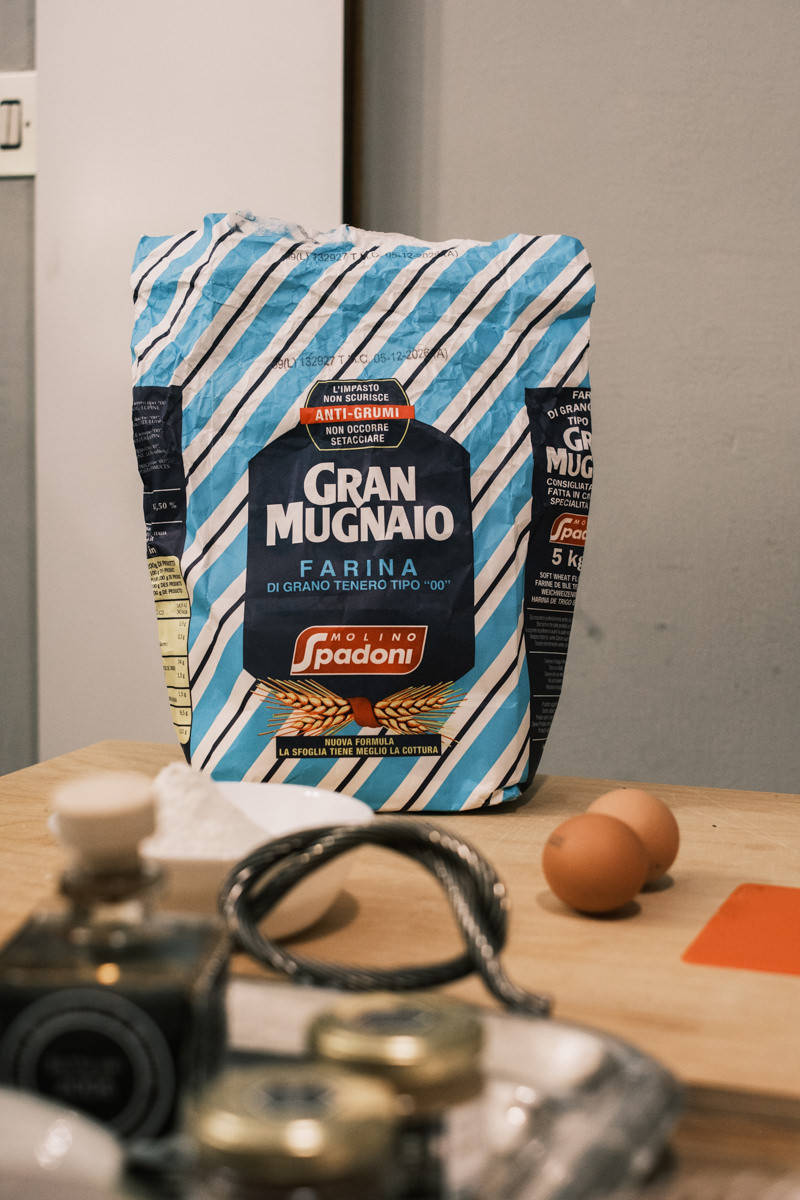
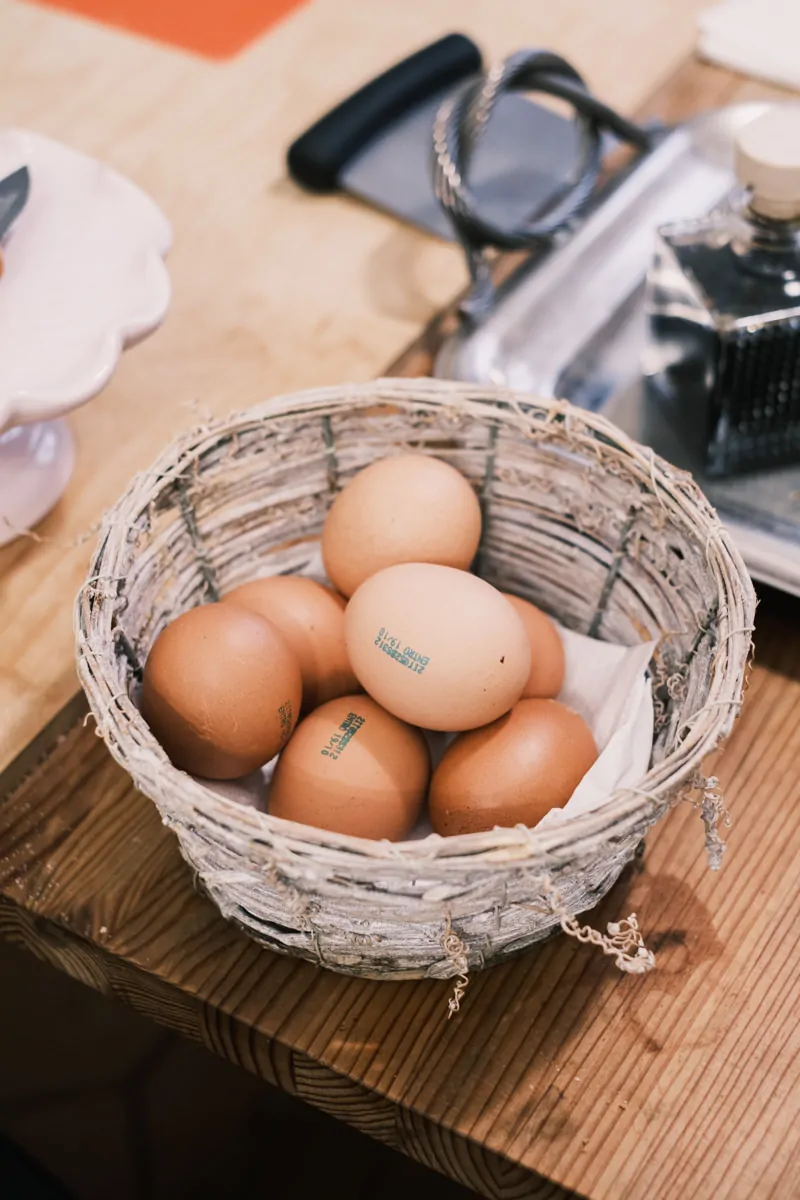
For something like fresh egg pasta, a lower-protein flour will yield a more delicate and smoother dough and smaller eggs will change its texture. For Cristina’s recipe, we wanted 00 soft wheat flour with 8-11% protein and 100g of flour to an extra-large egg (75g).
And I haven’t even begun with the kneading technique. You can read about my full experience with Cristina if you’re interested.
Then the Ragù, not Bolognese, never just Bolognese. Both Cristina, and later Barbara in Riomaggiore, made a point of telling me that there is no such thing as Spaghetti Bolognese in Italy. Here, it’s called Ragù alla Bolognese, and the meat sauce is not paired with spaghetti. You need a thicker pasta like tagliatelle for the sauce to stick to.
And the ragù is not a just ground beef and tomato sauce you slap together. It’s a precise heritage recipe that requires at least 2 to 3 hours of slow cooking for the flavors to develop and absorb.
A new official recipe for Ragù alla Bolognese has been registered into the Bologna Chamber of Commerce after 41 years.
Whether it was the pasta or the tiramisu, there was a particular way she was taught to make it, and that was the version I was getting.

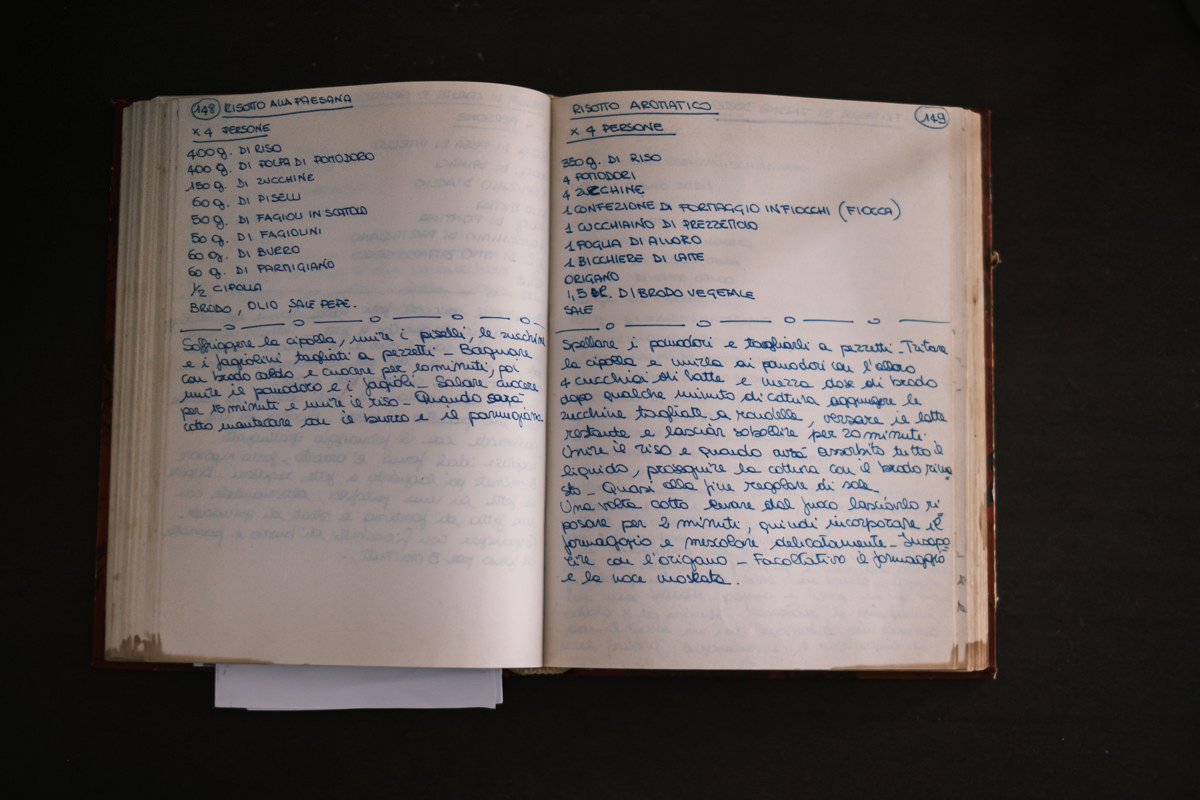
A Recipe Is As Much About What’s Not In It, As What Is
I thought each cesarina would be staunchly defensive of their recipes, the way it’s been portrayed in movies. But when I asked about variations, they responded quite neutrally.
“Of course, there’s no one right way to make the pasta, but this is probably the best way to do it.”
Said, with a slight smile.
They also talked about what you’re not supposed to put into recipes, as much as what you do. It felt like a response triggered by what people outside of Italy are always adding to ‘spice up’ or ‘improve’ traditional recipes. I definitely was not going to bring up pineapples and pizza.
What’s most important, accordingly to both women, are the ingredients. “Always local, when possible. And the season.”
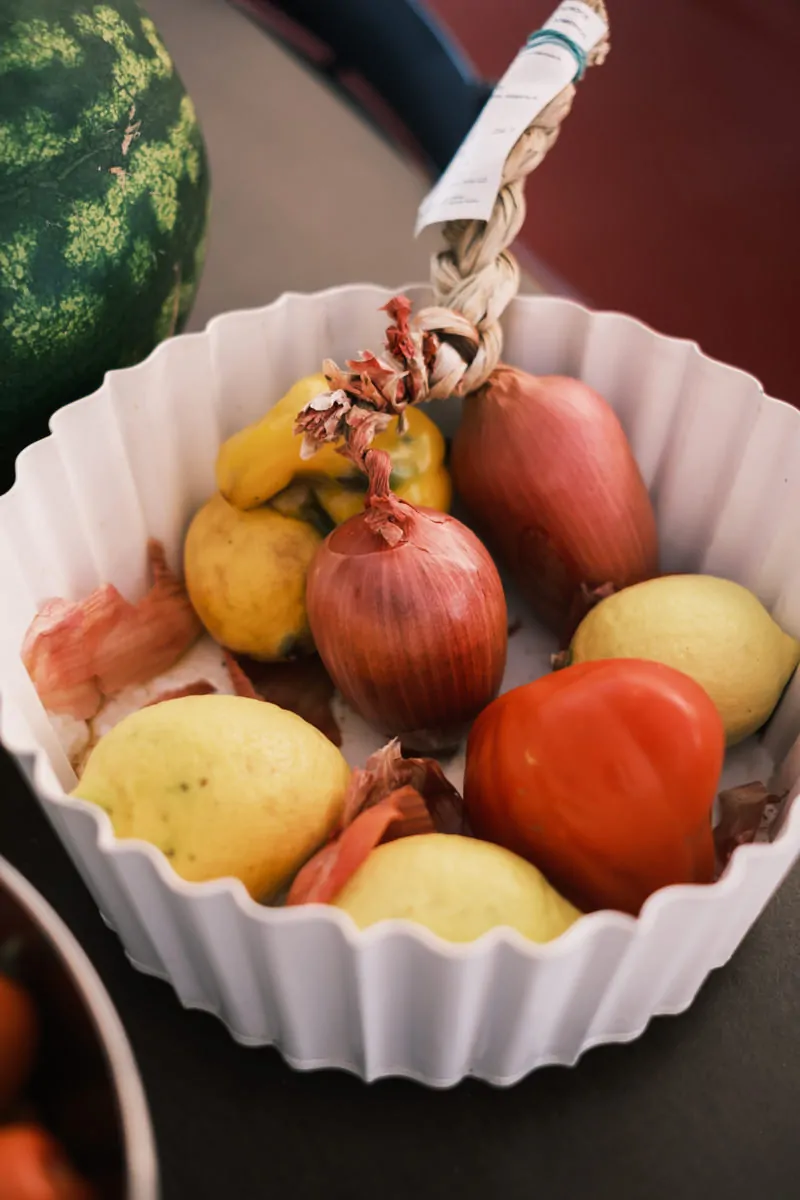
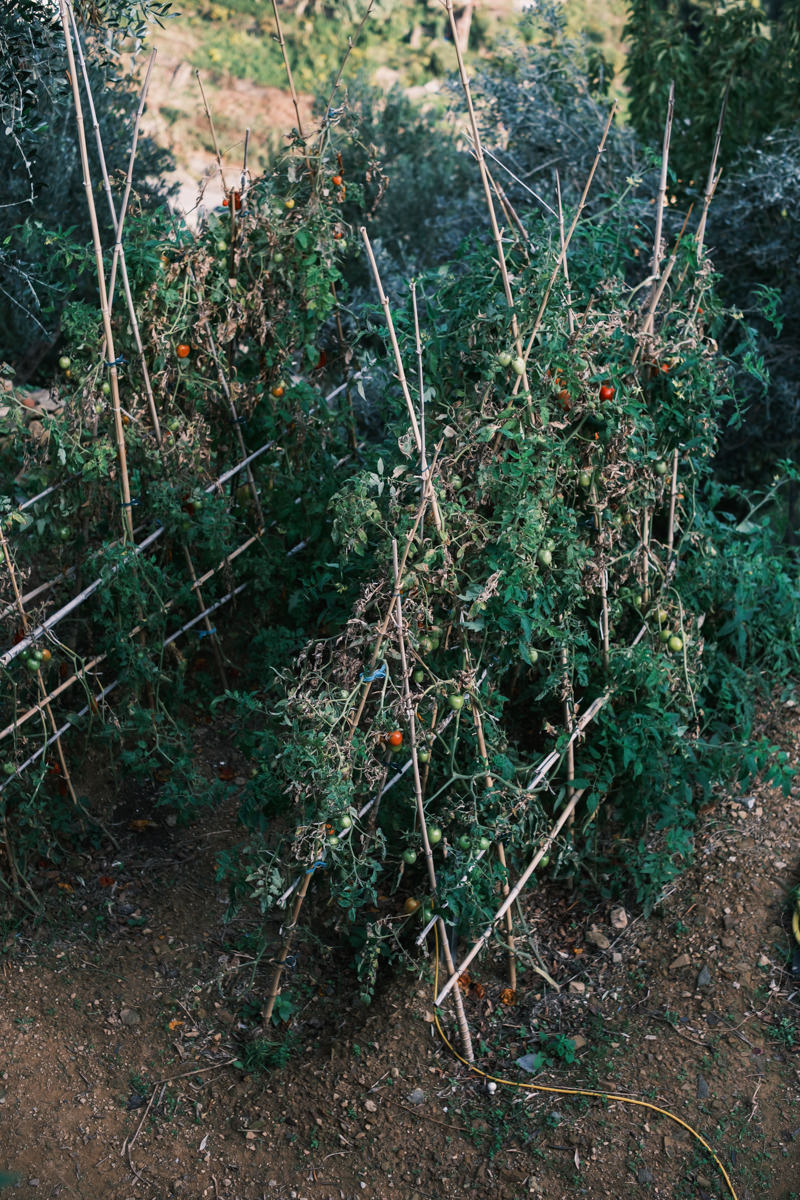
In most Italian kitchens in the past, you worked with what you had access to regionally, and what came from your own garden, or your neighbor’s garden.
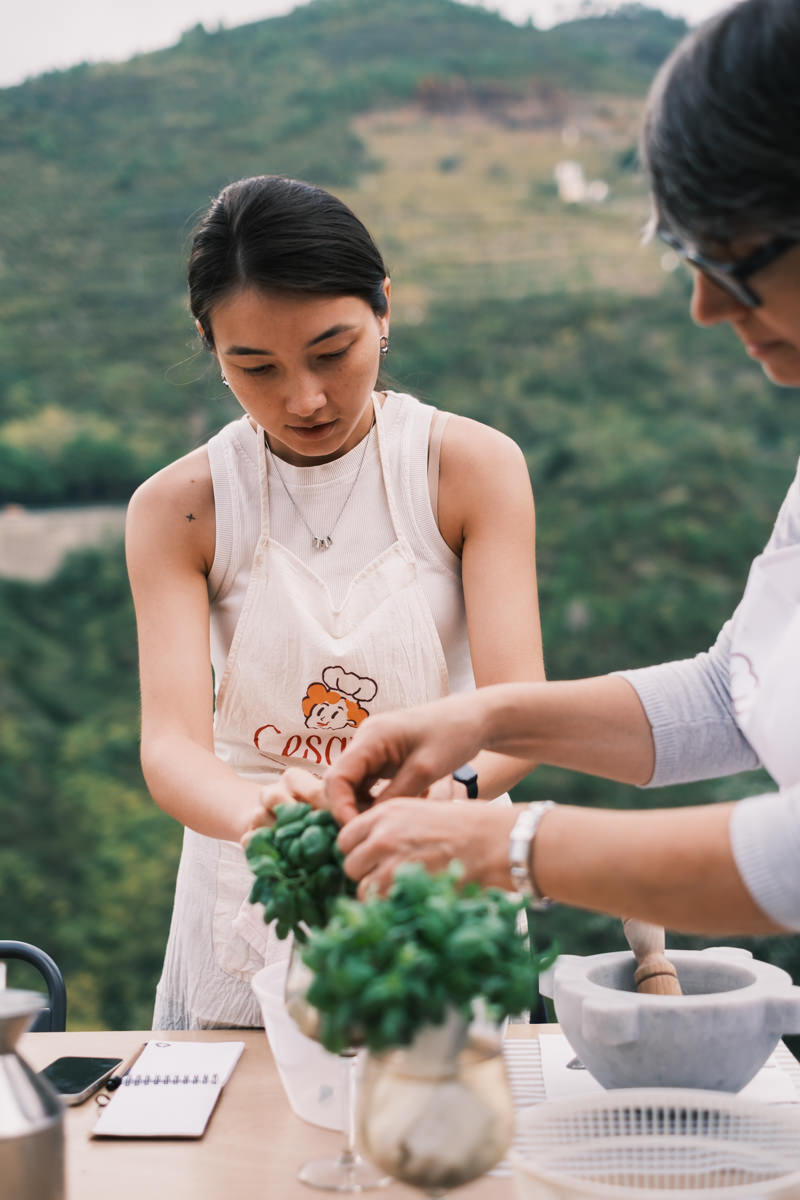
For her pesto, Barbara uses highly prized (and expensive) pine nuts and Aglio (garlic) di Vessalico from the local Ligurian coast (where Riomaggiore and Cinque Terre is located) as well as fresh basil from her garden.
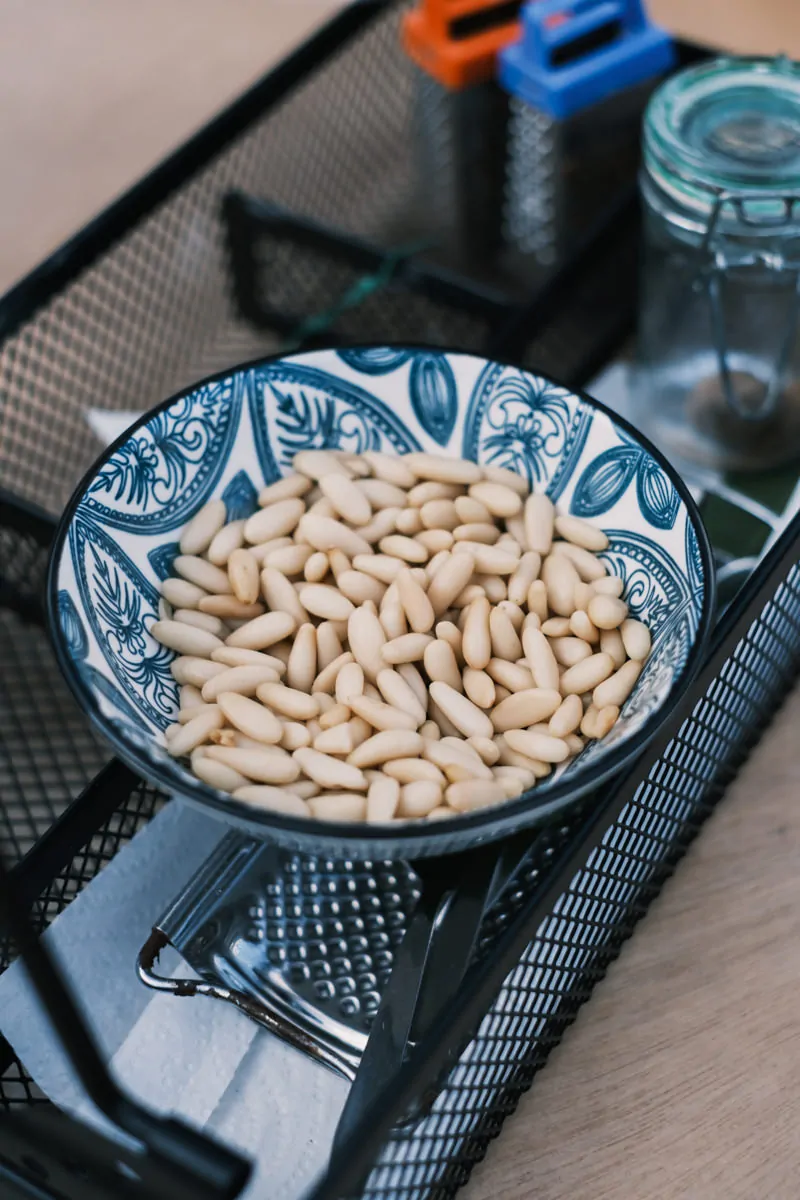
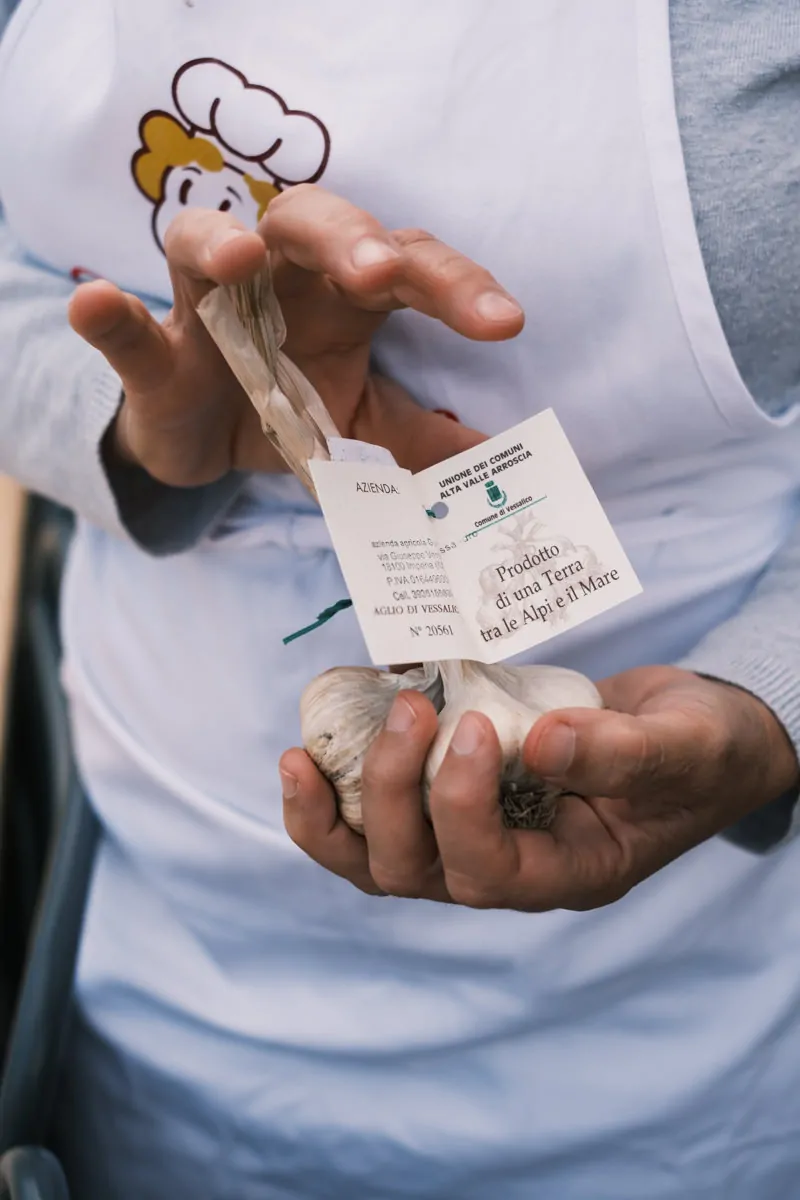
It was a stark difference from the always-available supermarket culture I’m used to in the US, and I was a bit saddened knowing that access to these fresh ingredients would be more difficult (and even more expensive) after I leave the country.
You Will Get Yelled At…In A Loving Way
I secretly delighted when both women called my partner and I out for not doing things the proper way. We didn’t mind.
We were going to make and eat from their recipes after all, and this was not one of those ‘pat you on the back for your participation’ kind of thing. If you weren’t kneading hard enough or working the mortar thoroughly, the pasta could dry or the sauce might not break.
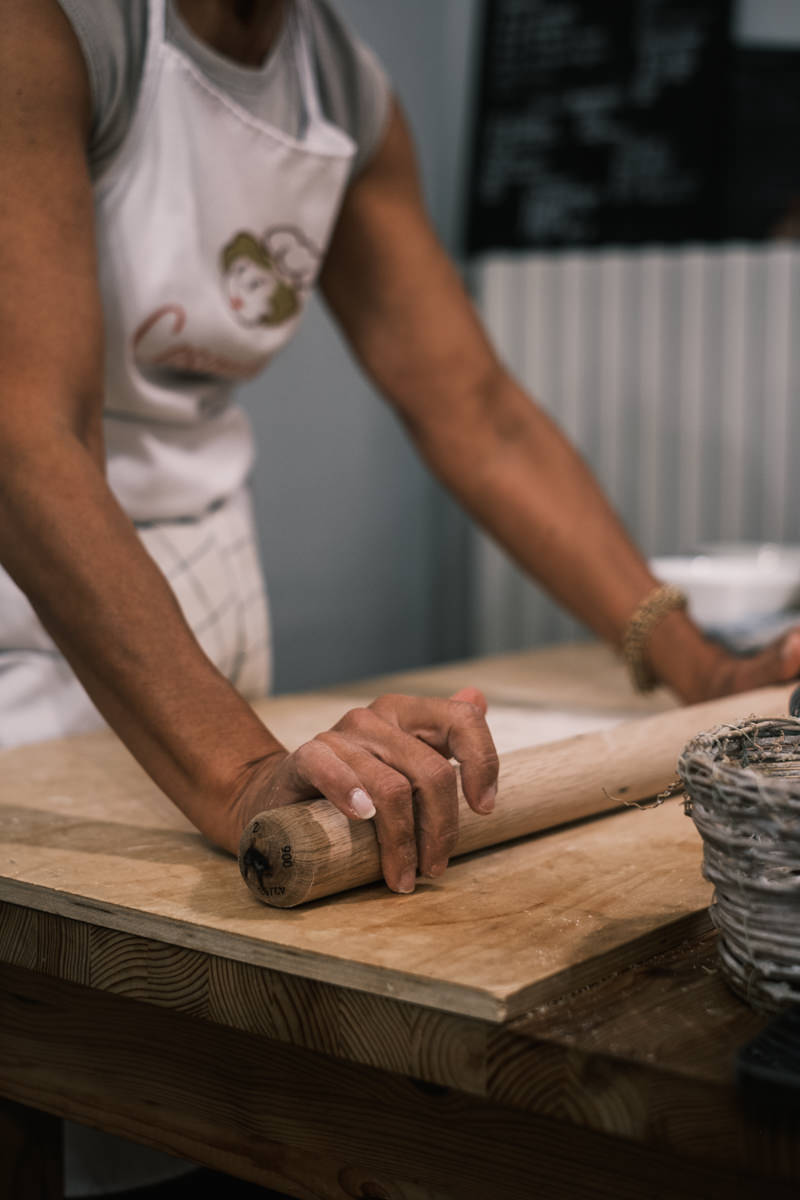
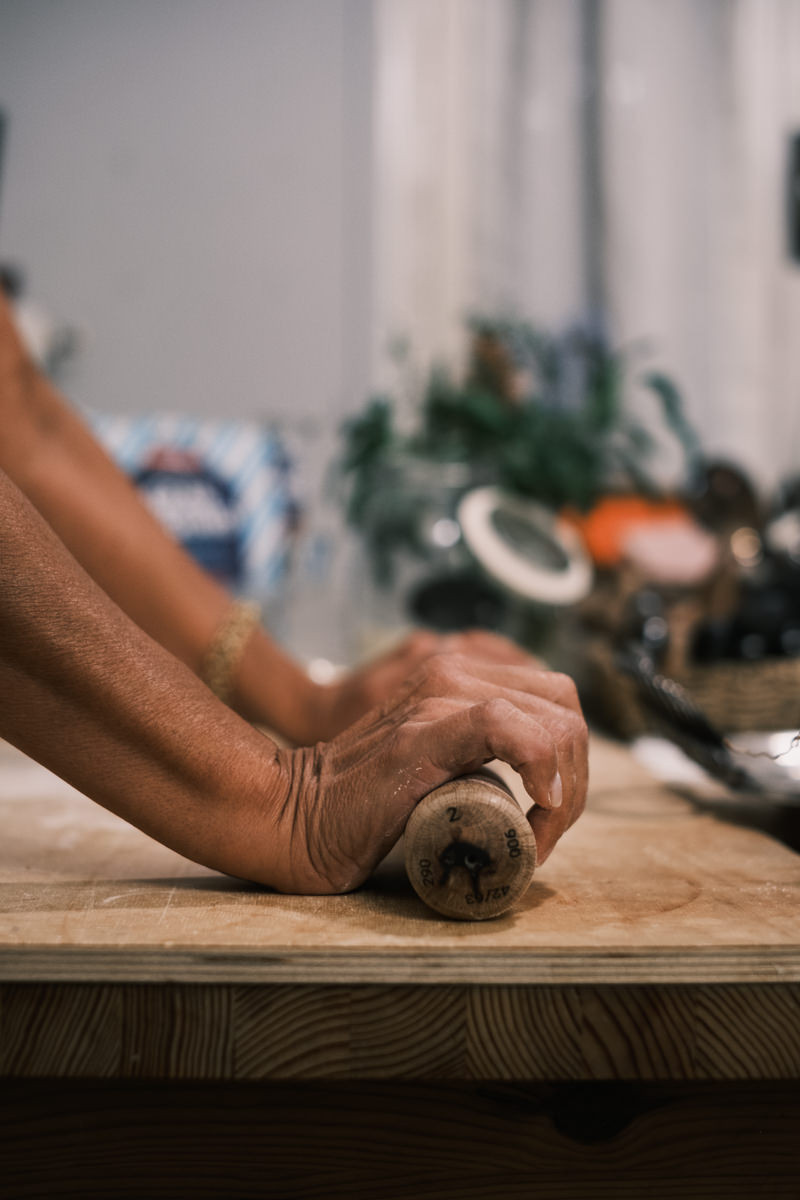
I’m glad Cristina pointed out how uneven and light my pressure was with the rolling pin, or else I never would have caught it myself and would keep wondering why my sheet of pasta dough refused to flatten out.
Similarly, Barbara told my partner not to be scared to mix the gnocchi dough. And she definitely used some hand gestures to point it out.
Don’t get me wrong, they wanted us to do it right and were not afraid to say so, but they were also very nice and encouraging about it.
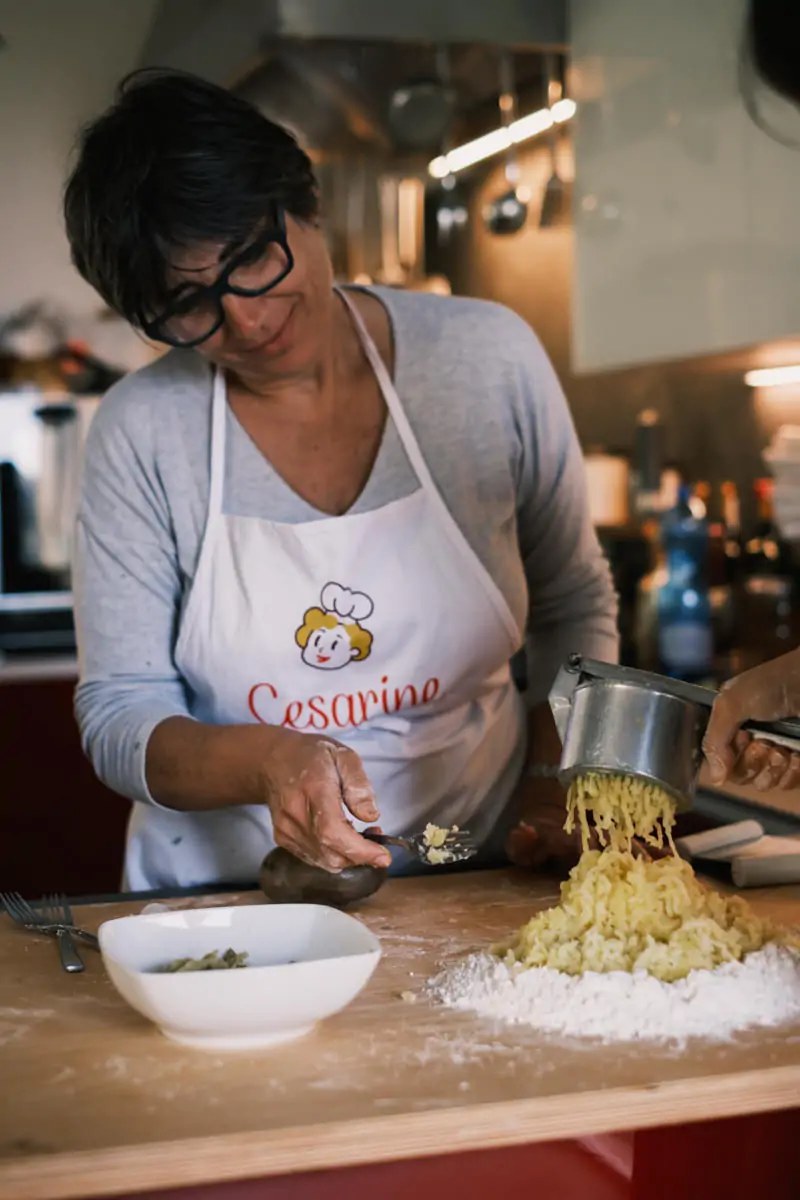
Living Your Own Version Of Tucci In Italy
My cooking experience in Riomaggiore felt like me living out an episode of my own travel show in Italy.
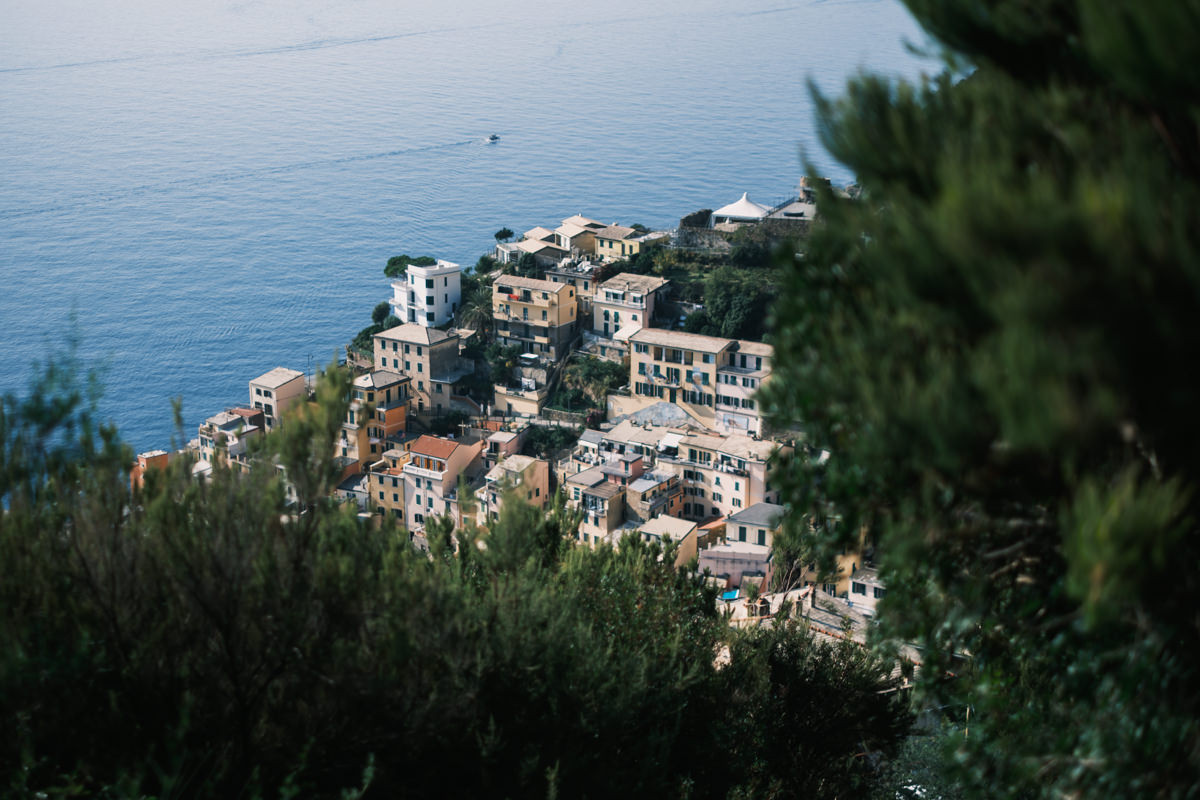
Riomaggiore is the first of the five towns that make up Cinque Terre and the adventure began as soon as we got off the train from La Spezia. Barbara called us via FaceTime to give almost step-by-step instructions on how to get to her place.
To make sure we didn’t get lost (because ‘Google Maps’ shows the wrong way’), she’d tell us to call her back as soon as we got to the next landmark. It culminated with a hearty climb up a generous number of uneven steps to get to her home, earning all the calories we would soon be consuming.
At the top, we were greeted with a big hello by her husband and their two dogs, like this was the most normal thing.
There’s also a taxi option, which Barbara recommends, if you want a less rigorous way of arriving.
How Did We Get Here?
If Bologna was opening the doors to someone’s home, Riomaggiore felt like visiting them in their countryside vacation house.
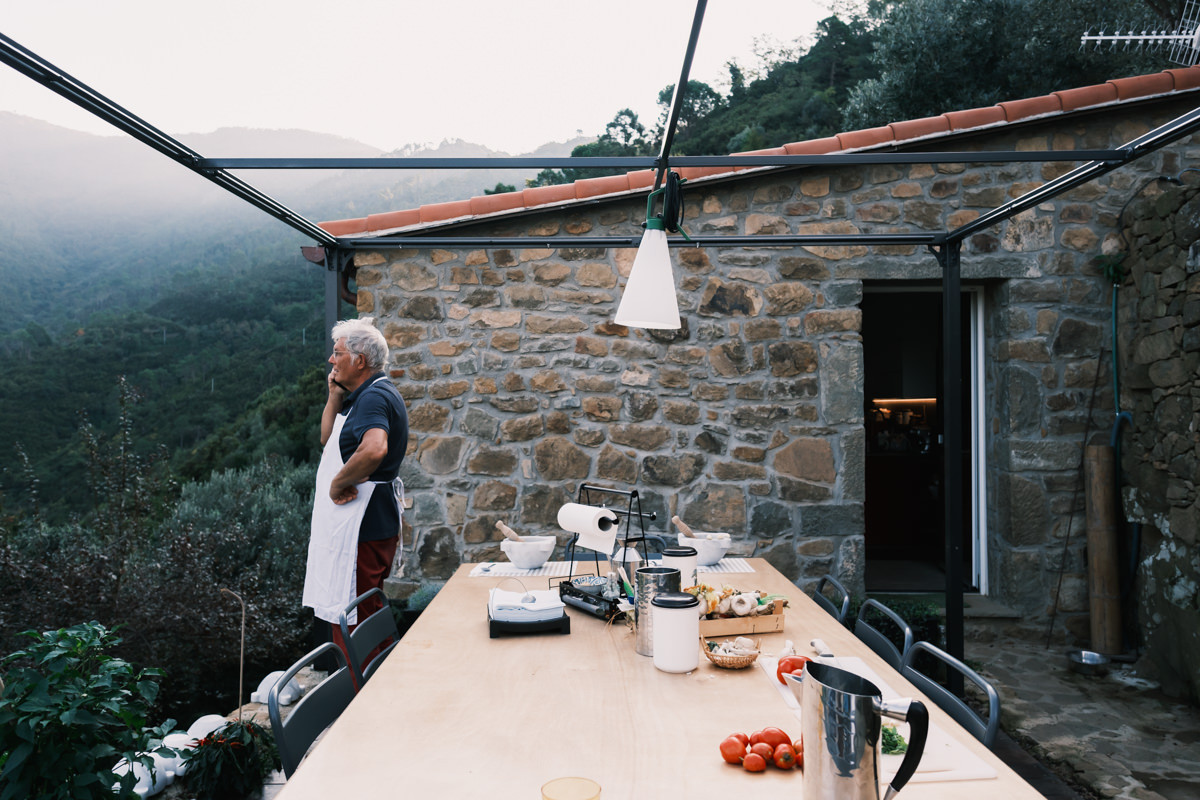
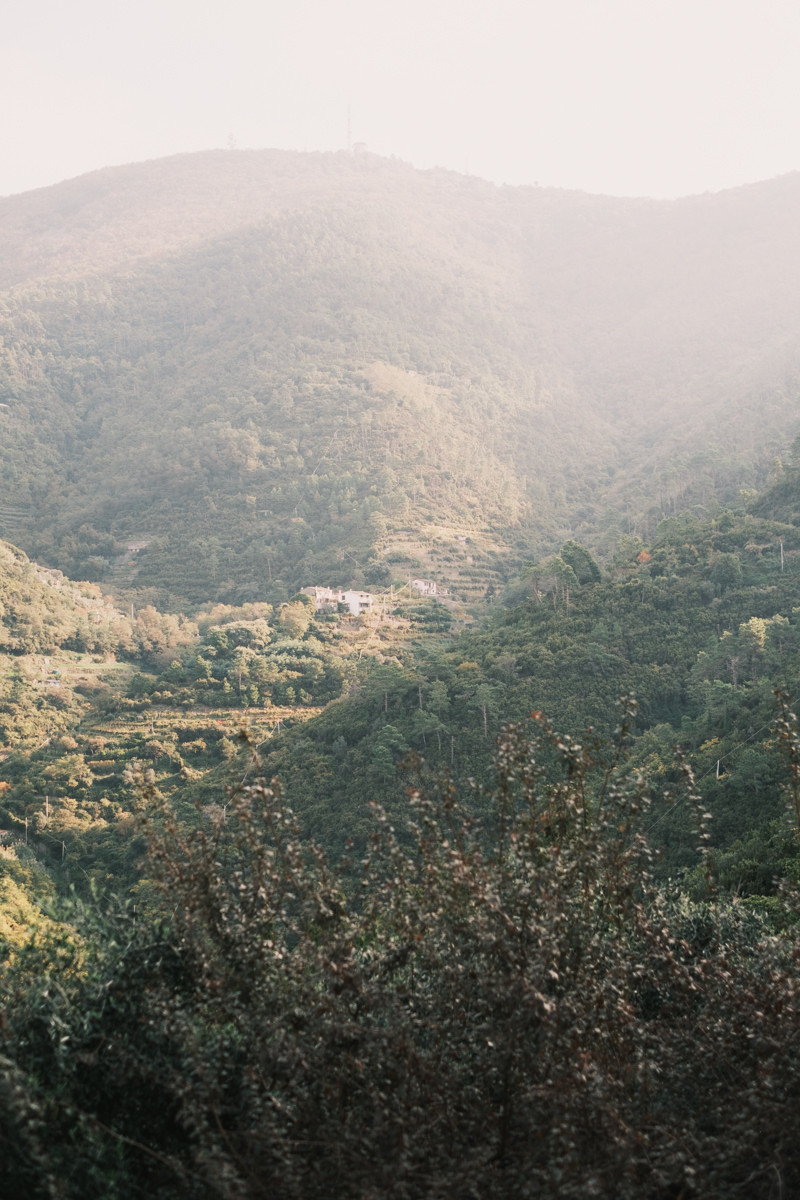
Barbara and Stefano’s place sits on the side of a steep hilly vineyard high above the village of Riomaggiore, where maybe 0.1% of all travelers to Cinque Terre would ever visit. Their home, a historic stone cottage, looks out over the surrounding terraces. Their closest neighbor is across the other side of the valley.
Interesting fact, when they were renovating the house, a lot of the construction material had to be trucked up to the neighboring hill and then flown over by helicopter to their remote location.
I can’t think of another situation where I could have ended up visiting this part of Cinque Terre.
On their open terrace, a large table had been set for our gnocchi and pesto making. This would be where I’d spend the next few hours with a few glasses of wine.
Cesarine Vs Airbnb Experience Cooking Classes
Cesarine is not the only place where you can find home-based cooking classes in Italy. I’ve seen a couple of Airbnb Experiences offering something similar, but they are individual one-off experiences. I liked that Cesarine is sort of a curated collection of these home-based experiences that you can reliably choose from wherever you are in Italy.
I’ve only done two of these Cesarine experiences, but both exceeded my expectations and each were highlights of my time in Bologna and Cinque Terre.
The learning and cooking were part of it, but it was the location and hospitality that really made the experience stand out.
One interesting side note I learned about Cesarine is that there’s sort of a community within the community with the chefs themselves, where they’ve visited each other’s homes to cook together. I thought that was pretty nice.
Who Cesarine Is (And Isn’t) For
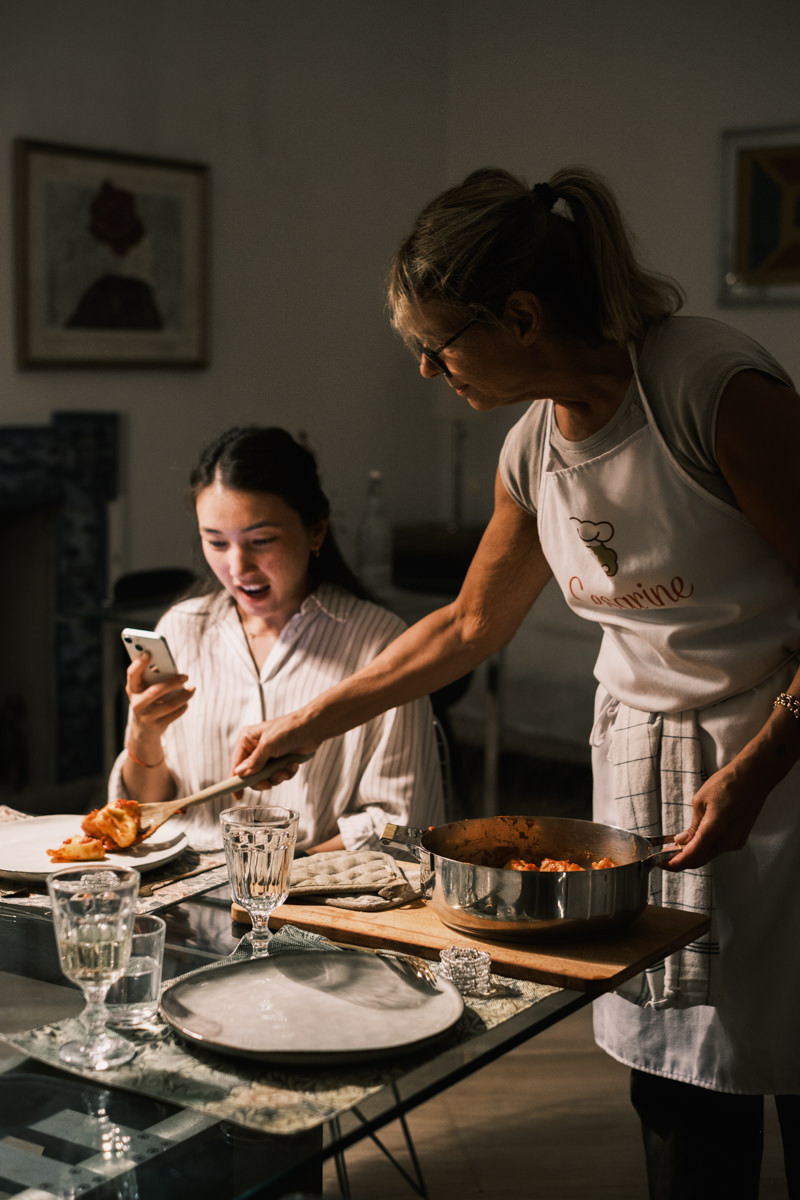
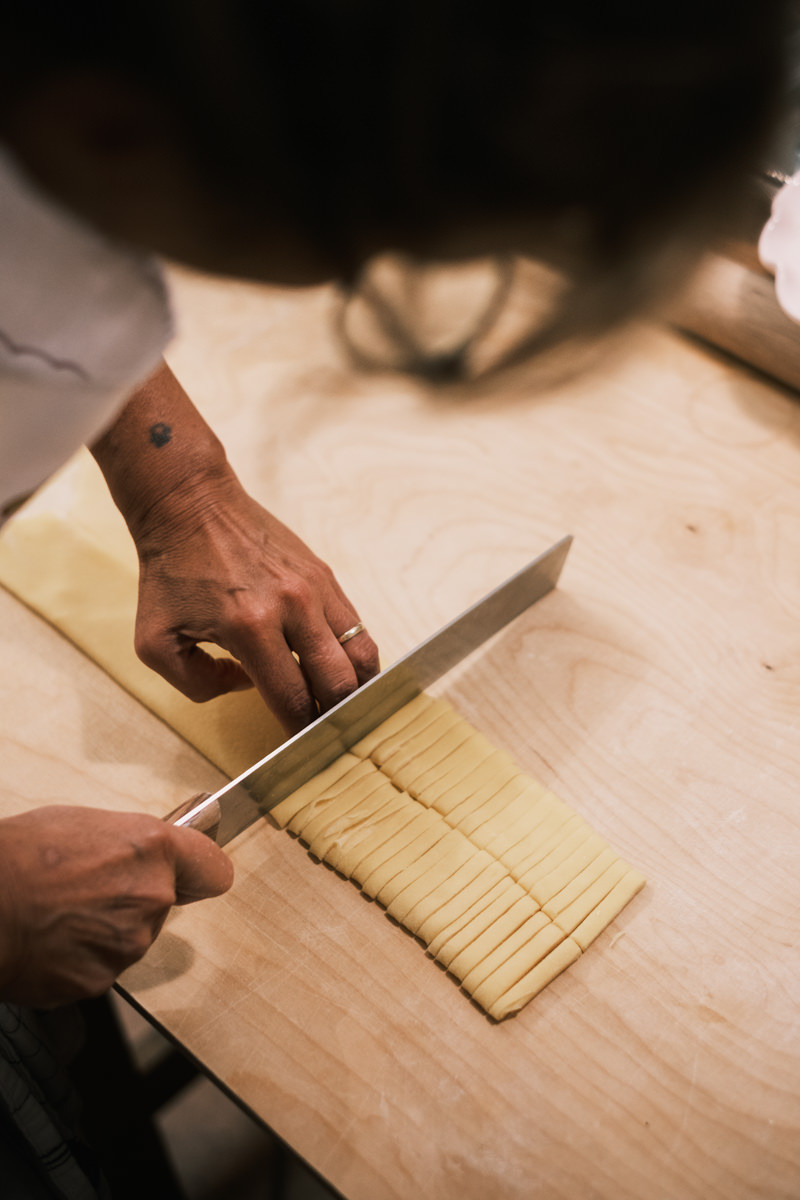
In both experiences, the cooking was probably 70/30 hands-on vs demonstration. In Bologna, I got to make the tagliatelle and tortelloni from scratch as well as the tiramisu, but the tigelles were prepared by Cristina’s husband, and the ragu was something they had prepared ahead of the class.
Logistically, it made sense though. Ragù takes several hours to make, so it would have been difficult to do it within the time limits, especially when you need to set time aside at the end to sit down and enjoy the meal.
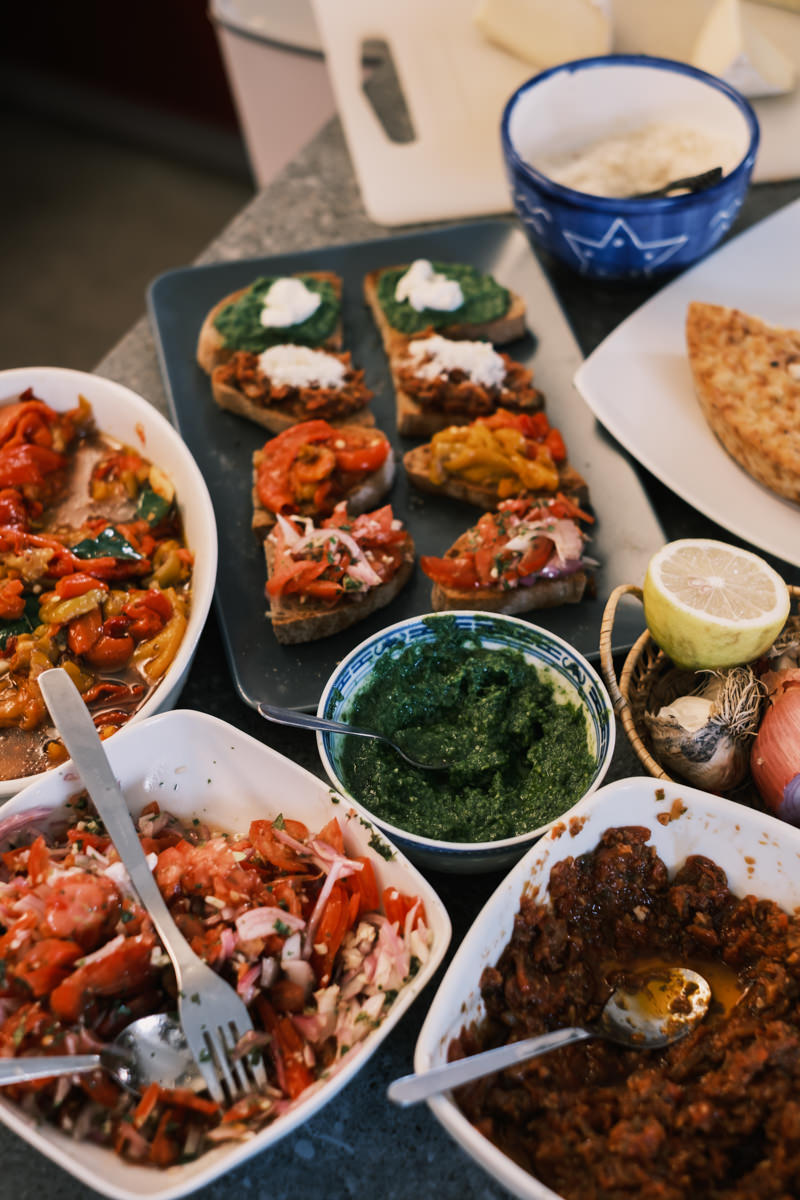
In Riomaggiore, we did the gnocchi and pesto from start to finish, but much of the prep for the bruschetta and salads were done by Stefano while he walked me through it. I didn’t mind at all since we were occupied the entire time with the tastings and drinking in between the chatting and cooking.
They did go through how everything was made and provided us with the recipes and detailed instructions to take home.
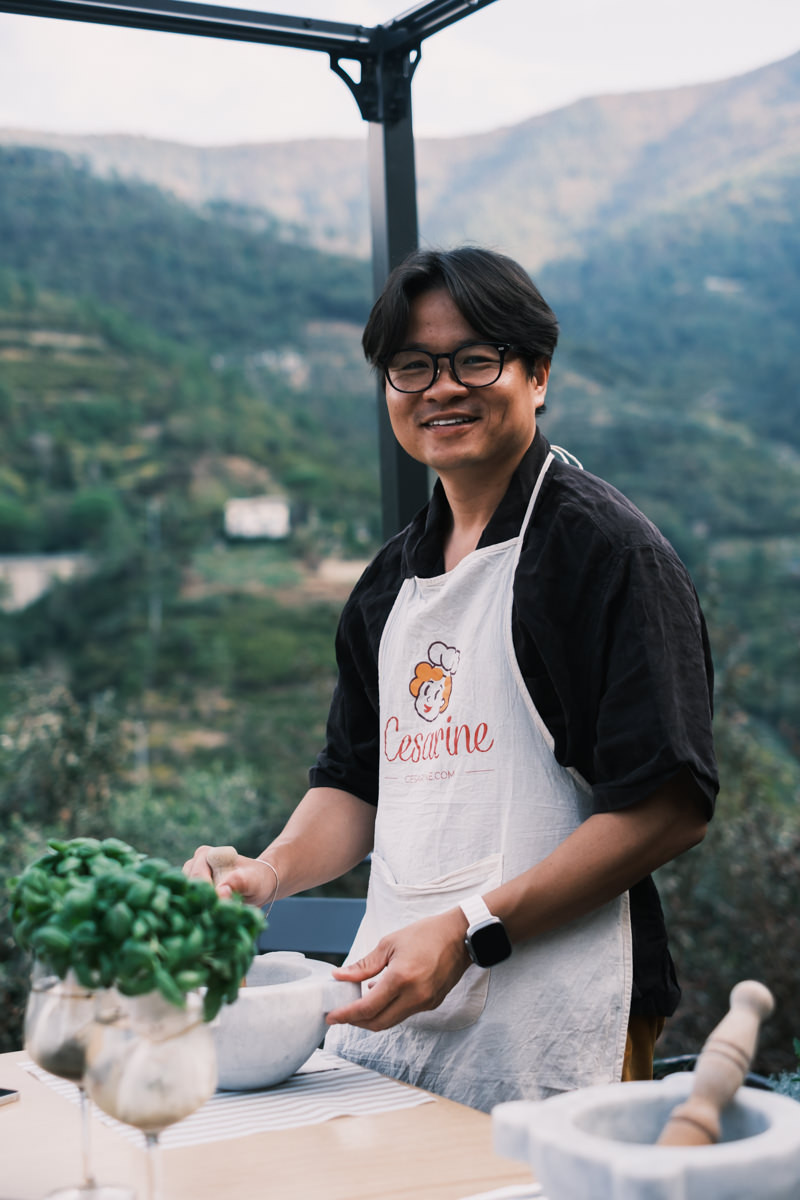
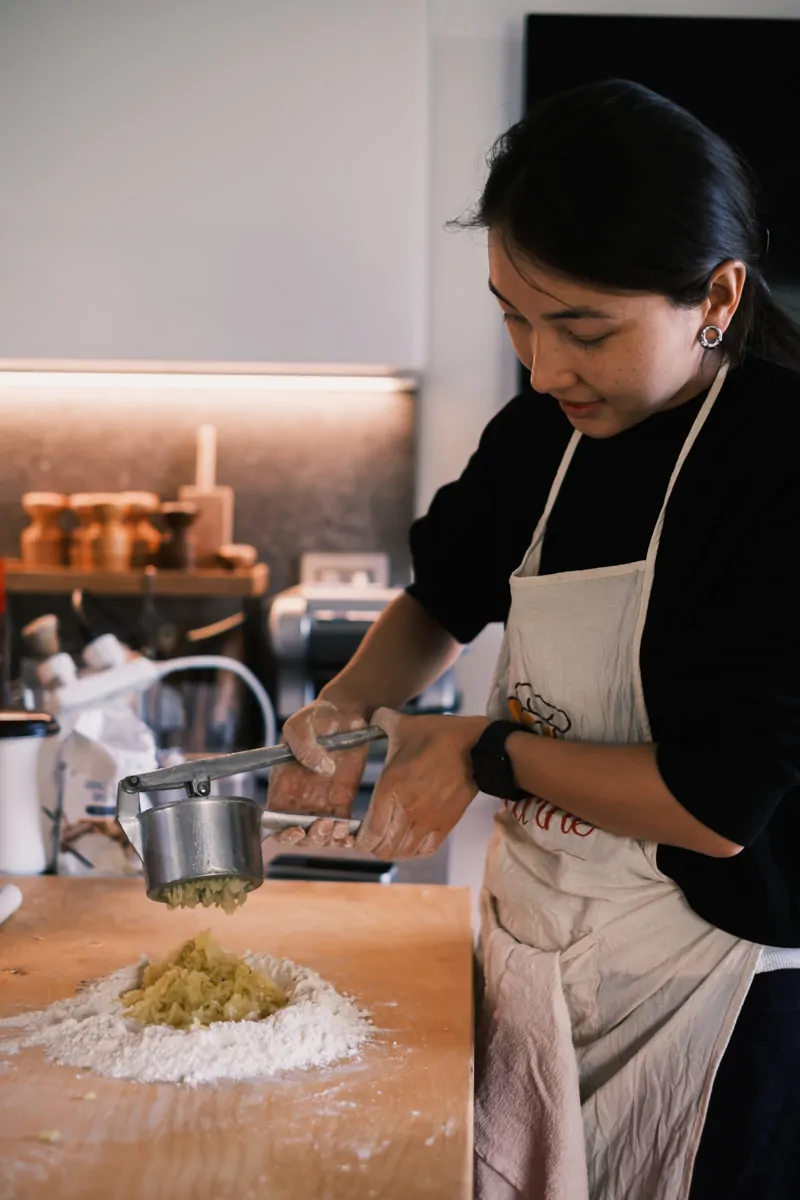
Reality check here. At the end of the day, you’re still being invited into someone’s home and spending real time with them. It’s not a one-way service. While some classes and spaces can accommodate for larger groups, this probably isn’t for a loud, bachelor/bachelorette party type group looking to just roll some dough and day drink. There are plenty of other options for that.
Personally, I think this is for people who want a unique culinary experience with some back and forth cultural exchange. You get a chance to learn how to do some proper Italian cooking while enjoying good conversation and a meal together.
Is Cesarine Worth It?
TIP #4: Book Barbara’s Class If You’re Heading To Cinque Terre.
When I looked at cooking classes in Bologna, there were options that ranged from around $60 – $160 per person for 2-3 hour pasta making class. Most of the Cesarine experiences were from $110 – $160, which is on the higher end of that range, and yet feels like a bargain.
You’re getting a hands-on cooking class, a multi-course meal with drinks at the end, and the experience of doing it all with a local in their own home. I can’t emphasize enough how special each of these experiences were, and the best part was how different they both were from each other. Knowing this, I have every plan to do more of these experiences for other cities in Italy on my next trip.
Booking Tips: Book hosts based on their homes as much as the menu. The setting matters as much as the recipes. See my short list of recommendations below.
Final Thoughts
Put it this way, I keep a short list of recommendations for friends from almost every location I’ve visited. Cesarine is one of the top recommendations now for Italy in general.
If you have some flexibility in your itinerary, I would even suggest planning for a class in an off the beaten path location somewhere near one of the major cities you’re visiting.
I’m building out a shortlist of Cesarine experiences that catch my eyes both for the recipes and the locations. If you’re interested, bookmark this page because I’ll share it soon.
Updated on August 19, 2026