Grindelwald 2026 Complete Planning Guide + 9 First Time Mistakes To Avoid
Grindelwald 2026 Complete Planning Guide + 9 First Time Mistakes To Avoid
This is part 1 of a 3-part Grindelwald complete planning guide series. If you’d like, you can bookmark my more in-depth guide on where to stay recommendations and a full ACTIVITIES GUIDE that breaks down what’s worth doing, what you can skip, and what to book ahead.
Our trip to Switzerland started with a reel of a beautiful and dizzying via ferrata climb in Switzerland. In Italian, it translates to ‘iron way,’ and you can think of it as a mix between hiking and rock climbing, where you cross a route built into the side of a mountain using steel cables, metal rungs, ladders and bridges to safely get across. Hence the ‘iron.’
My partner had been wanting to go to Switzerland for some time, so I was getting a lot of hints by way of these Swiss travel reels.
Why not? The flights from Porto to Geneva were looking really cheap, September looked to be a great time to visit, and there were a few other bucket list experiences I have been wanting to check off myself.
I also decided balancing yourself on iron rungs off the side of a cliff with a 600 meter drop would be a great place to propose to my girlfriend.
I’ll get to that later.
So we looked up the via ferrata route and soon started adding names of places like Mürren, Gimmelwald, and Lauterbrunnen to our everyday vocabulary. That list soon expanded to include Jungfrau, Eiger, Stechelberg, Wengen, Grindelwald, and Männlichen. There was also a First Mountain that sounded generic until you find out there’s no ‘second’ mountain, and it’s actually pronounced ‘feer-st.’
It was a lot to take in. And I learned a lot before, during, and even after the trip. But it’s absolutely worth it. I mean, the place looks unreal.
So for this guides, I decided it was best to start with 1) an overview of the area and the important towns/villages and then go straight into 2) a list of mistakes you should and can avoid in your planning.
Quick Jump Navigation
- Breakdown of the Jungfrau Region
- 9 First Time Mistakes To Avoid
- Weather
- Which Travel Pass To Get?
- Where To Stay In Jungfrau
- Where We Stayed
- Our Actual Grindelwald/Jungfrau Itinerary
- What We’d Do Differently
- FAQ
- Final Thoughts
So What’s Special About Grindelwald?
The name might sound familiar if you’re a fan of the Harry Potter series, specifically the Fantastic Beasts prequel. Before Voldemort, there was another dark wizard by the name of Gellert Grindelwald.
The town is not named after that wizard from Harry Potter.
But at least that’s why it sounded familiar to me. Grindelwald also happens to be the main base for most people visiting the greater Jungfrau region, home to perhaps the 2nd most famous mountain in Switzerland after the Matterhorn – the Eiger.
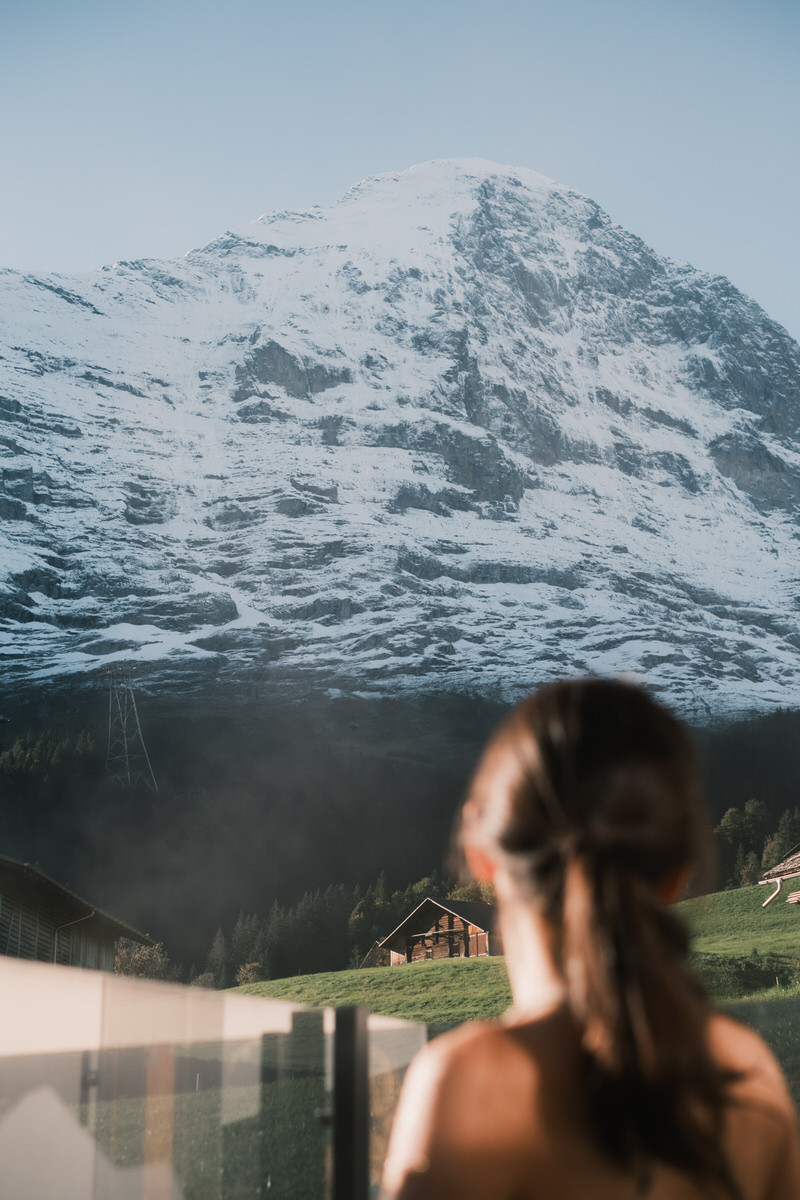
And honestly, you can’t get a better view of the famous Eiger North Face than right in the middle of Grindelwald town itself.
This guide is actually about the whole Jungfrau region, but it’s fair to say that Grindelwald really is the heart of it all, and also my personal recommendation for where to base yourself as well.
Do As I Say, Not As I Did
My first mistake was booking our return flights before we had a full plan.
When we figure out everything we wanted to do, we had to really pack them all into a relatively tight travel schedule. In the end, we were only able to spend 4 nights for this part of the trip (3 in Grindelwald and 1 night in Lauterbrunnen).
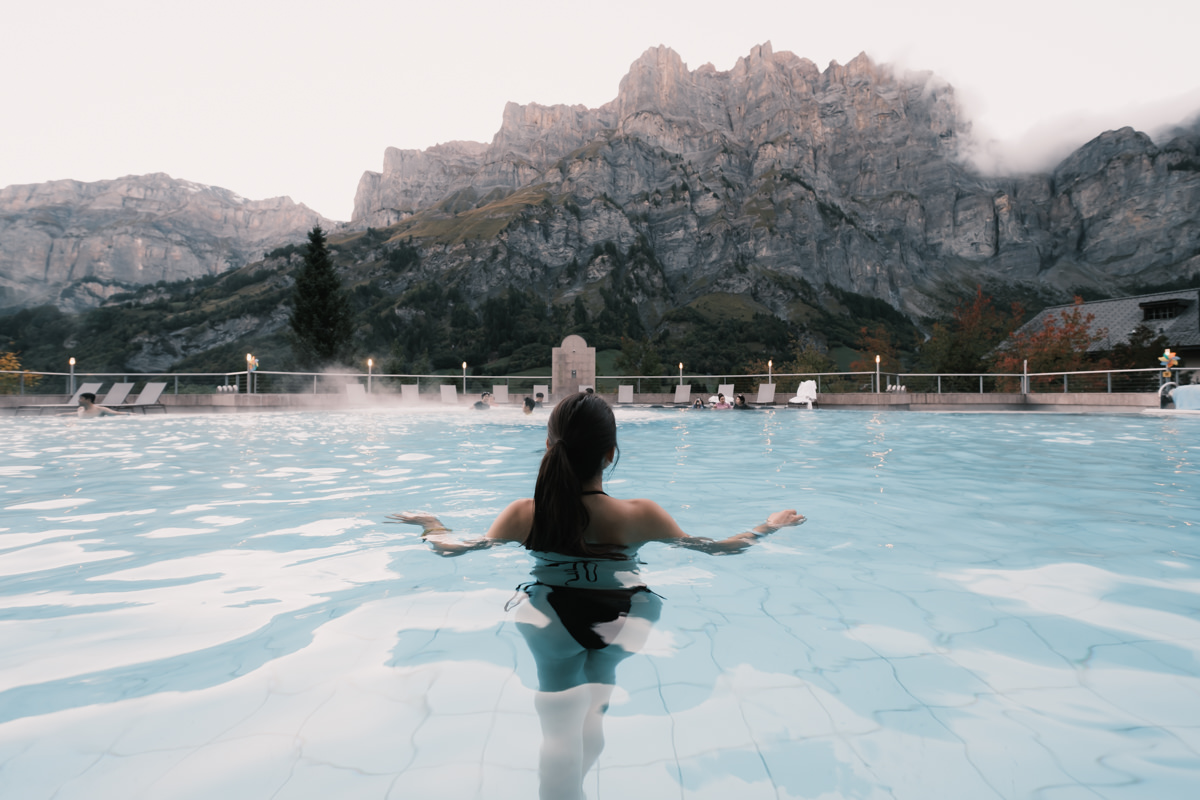
We spent another couple of nights in Leukerbad on the way back to Geneva. I degress, but it’s definitely a spot you should put on your radar, especially if you’re into thermal hot springs.
A couple of extra days in the Jungfrau area would have been great, but at least it was almost enough to cover most of the highlights: First Mountain, the Grindelwald Glacier Canyon, the Mürren-Gimmelwald Via Ferrata, Pfingstegg, Mannlichen, and the waterfalls in Lauterbrunnen.
We didn’t get to everything, like Jungfraujoch, home to Europe’s highest railway station, but we came away with a pretty clear sense of what’s worth prioritizing and what isn’t. And even snuck in a spontaneous visit to an alpine cheese festival in Wengen that we didn’t know about beforehand.
Understanding the Jungfrau Region: A Primer
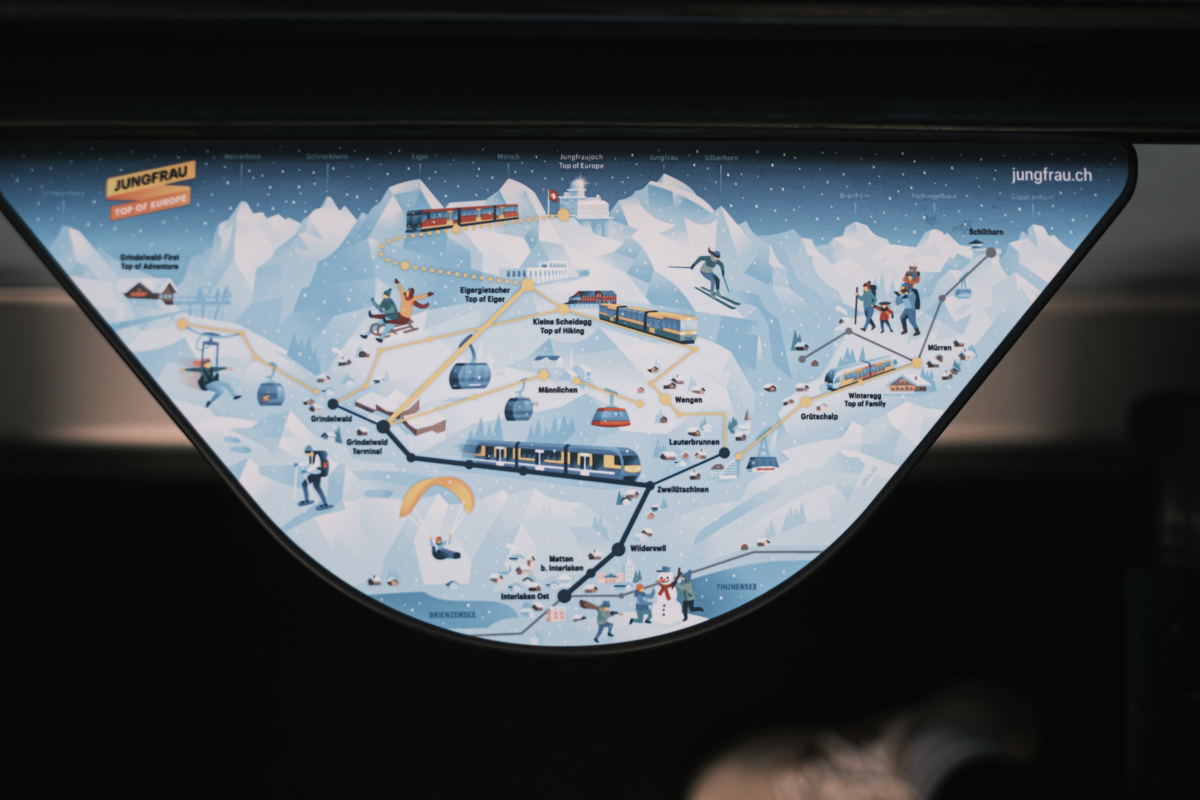
- Almost in the middle. Jungfrau region looks like a triangle and lies just a bit south and a bit west of the country’s geographical center. The main transportation hub is Interlaken, regardless if you’re coming from Zurich, Bern, or Geneva.
- There are two valleys. To west is the Lauterbrunnen Valley and to the east is the Grindelwald Valley.
- There are three iconic mountains. There’s over 100 mountain peaks here, but the Eiger (3,970m), the Mönch (4,107m) and Jungfrau (4158m) are the three most famous ones.
- There are 5 main alpine. Interlaken (566m), Lauterbrunnen (795m), Grindelwald (1,034m), Wengen (1,274m), and Mürren (1,638m). And a handful of smaller hamlets like Gimmelwald, Stechelberg, and Isenfluh.
- Grindelwald has two stations. Grindelwald (in the main town) and Grindelwald Terminal (about 1 mile west). The main station connects with Interlaken, Lauterbrunnen, and Jungfraujoch via Kleine Scheidegg. The latter is where you take the Eiger Express to get up to Jungfraujoch via Eigergletscher or the gondola to Männlichen, and is also a shopping complex on its own.
- They are all connected. You can stay anywhere, because they are all connected by an efficient transit system.
9 First Timer Mistakes To Avoid When Planning Your Trip to Grindelwald
- Arriving with a fixed itinerary. We built one, and it fell apart almost immediately, mostly because of unpredictable weather. September is one of the best months to visit this region, but forecasts here can flip in a matter of hours regardless of season. We had to shuffle around our via ferrata day because of rain, which meant everything after it moved too. Keep your itinerary as a flexible checklist, not a schedule, and leave room for unexpected changes and developments. A rained-out day needs a backup, but so does a surprise, like the cheese festival we stumbled into that reshuffled our whole afternoon.
- Staying in Interlaken. It’s bigger, it has more restaurants, and if you want to be near water, it’s an option. But if you’re mainly here for the Jungfrau region, staying in Interlaken means adding unnecessary train trips to almost every single day. It’s not a long ride, but it adds up fast over 4 or 5 days.
- Being spontaneous with your transport. Swiss trains are super reliable, but reliable doesn’t mean constant. Just because a train runs on time doesn’t mean there’s another one leaving in 10 minutes. Some routes run every 30 minutes, some run once an hour, and mountain connections can be even less frequent. Map out your legs in advance, not just for your itinerary, but enough to know how often certain routes run and what connections you’ll need. That’s what allowed us to adjust on the fly when plans changed, instead of guessing and hoping.
- Buying a Swiss Travel Pass and assuming that’s all you need. The Swiss Travel Pass is a great pass if you’re covering a lot of ground around the country, but if you’re mostly staying in one region like this, you’ll want to look at something like the Jungfrau Travel Pass instead. They don’t fully overlap, and most of what we did around Grindelwald was covered with the Jungfrau Pass rather than the Swiss Travel Pass. Also, don’t fall into the trap of riding trains just to feel like you’re ‘getting your money’s worth’ out of a pass. I’ve watched people do this with the Eurail Pass and the Japan Rail Pass too, and it’s the best way to travel a lot and experience little. I recommend actually pricing out your legs against the pass cost. That said, for me, the real value of a pass isn’t always the savings, but not having to deal with ticketing logistics at every station. It’s also about having flexibility since not every ticket allows open boarding or open seating. (Side note to myself: I want to write a separate piece just on when the Swiss Travel Pass makes sense for a broader Switzerland trip.)
- Renting a car. I’m not saying you shouldn’t rent a car for your trip. But, if you’re just going to be in the Jungfrau area, you might not need it. We found some great prices here and initially thought about renting a car, but decided against it so we could ride the Belle Epoque train. We only wished we had a car once, to get to Aare Gorge, which required backtracking to Interlaken first with the trains. Everything else, and I mean nearly everything, was easier by public transport, since we relied heavily on trains and cable cars to get up mountains across valleys.
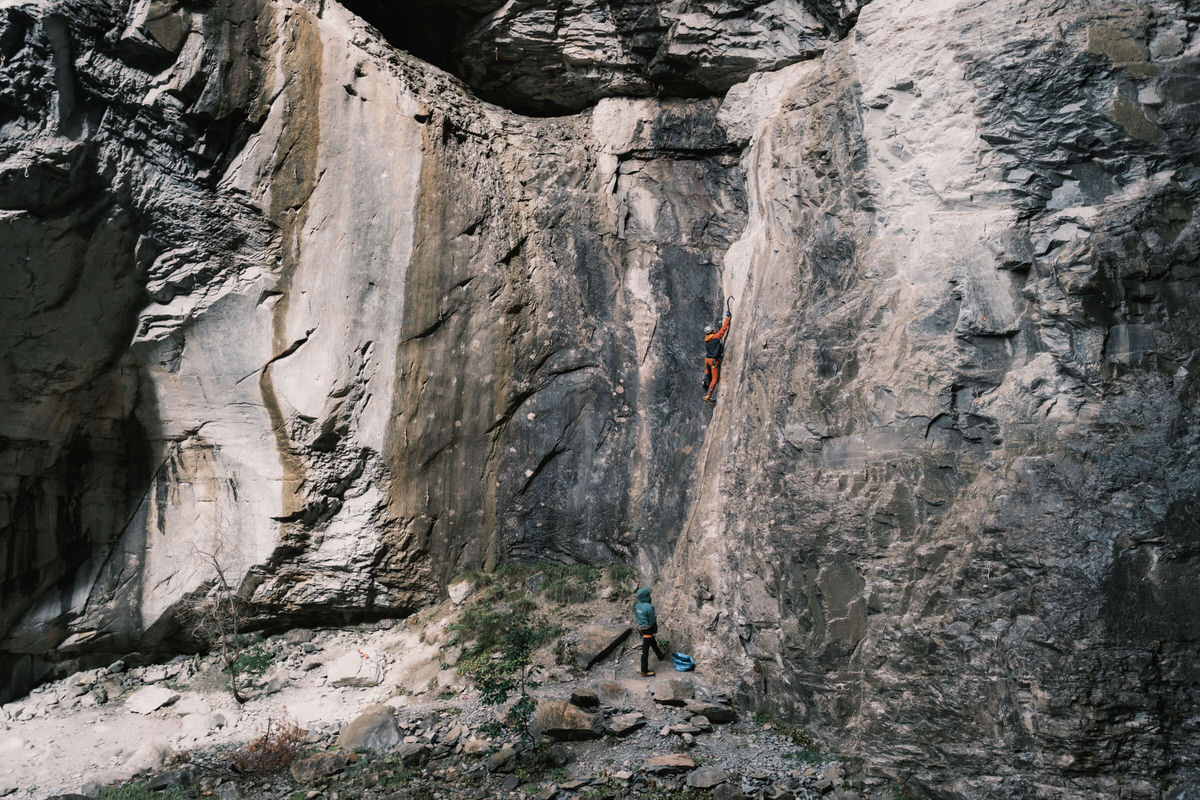
- Chasing what you saw on social media. The Belle Époque train is one example. People online dress up and bring their own tablecloths and glassware trying to recreate some vintage dining fantasy that doesn’t actually exist onboard. It’s not that kind of experience, and honestly it must be awkward to play this pretend game. But to each their own. The ride itself is beautiful as it is, no props required. Another example is the Mürren-Gimmelwald via ferrata we came for. Everyone posts the same jaw-dropping shot of the cliffside drop. Fewer people show the tightrope sections, the shaky Nepalese bridge, and especially all the long ladder climbs (some on an overhang).
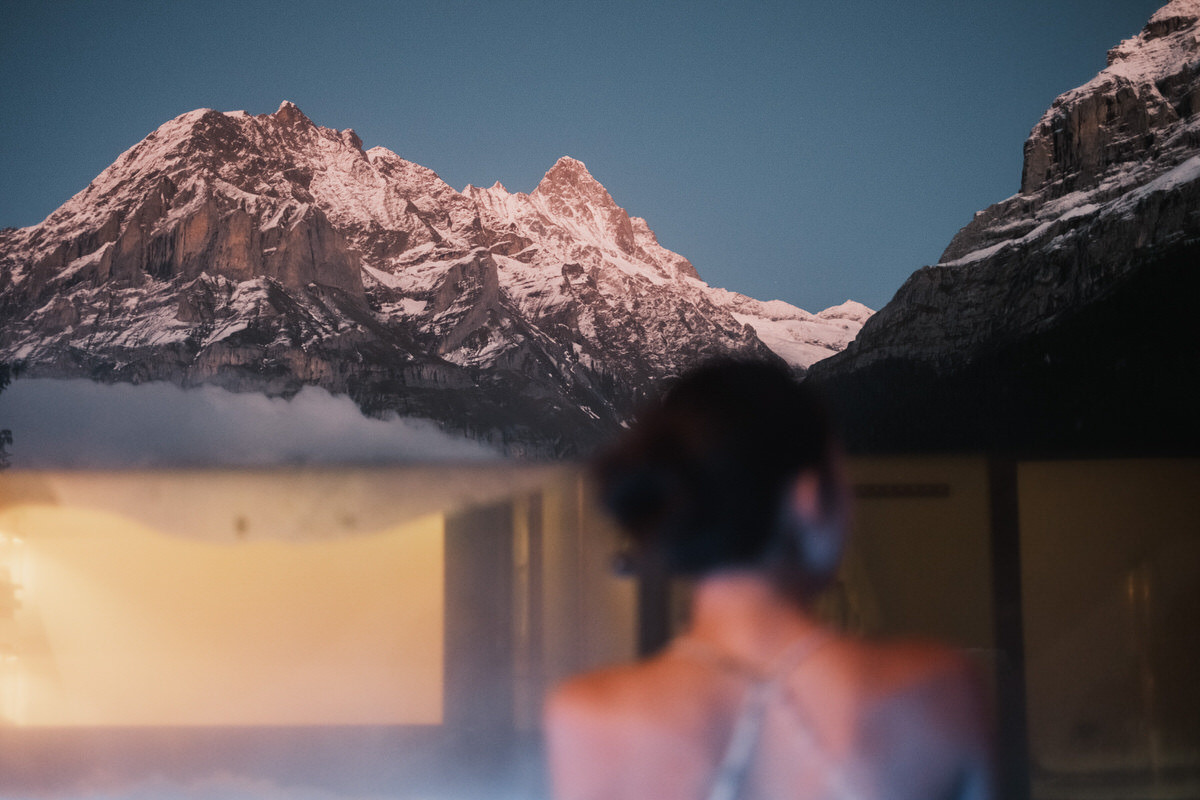
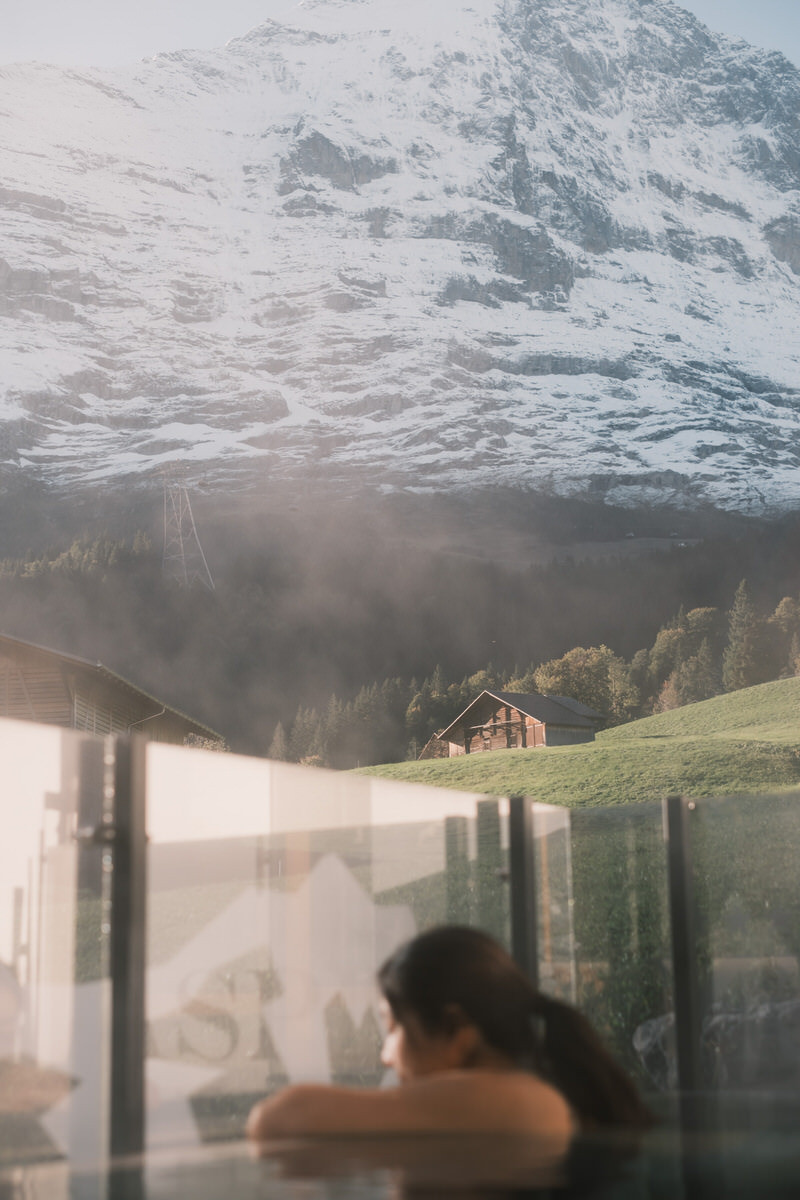
- Not making time for a soak or a steam. If you book a hotel with a spa, save some time to actually use it. Sitting in an outdoor hot tub with a mountain view at the end of the day was one of our favorite experiences. After days of chasing train connections, that stillness mattered more than we expected.
- Skipping the half board. At alpine hotels, the in-house restaurant usually isn’t a fallback option, it’s often the best meal you’ll have that day.
- Only following lists, including this one. First-timers gravitate toward the big names, Jungfraujoch, First Mountain, and there’s good reason for that. But talk to locals or Europeans who return here often, and you’ll notice they’re not racking up gondola rides every day. They pick a base, and then spend time taking in the scenery. A slow morning walk. A bike ride. Or some paragliding (tandem if you don’t have a license). Jungfraujoch is probably incredible (we didn’t make it, more on that later), but it doesn’t have to be on everyone’s list.
Weather In Grindelwald And The Jungfrau Region, Throughout The Year
Most important to know. The valley and the mountains above it are basically operating in two different seasons at all time, except possibly in the peak of summer.
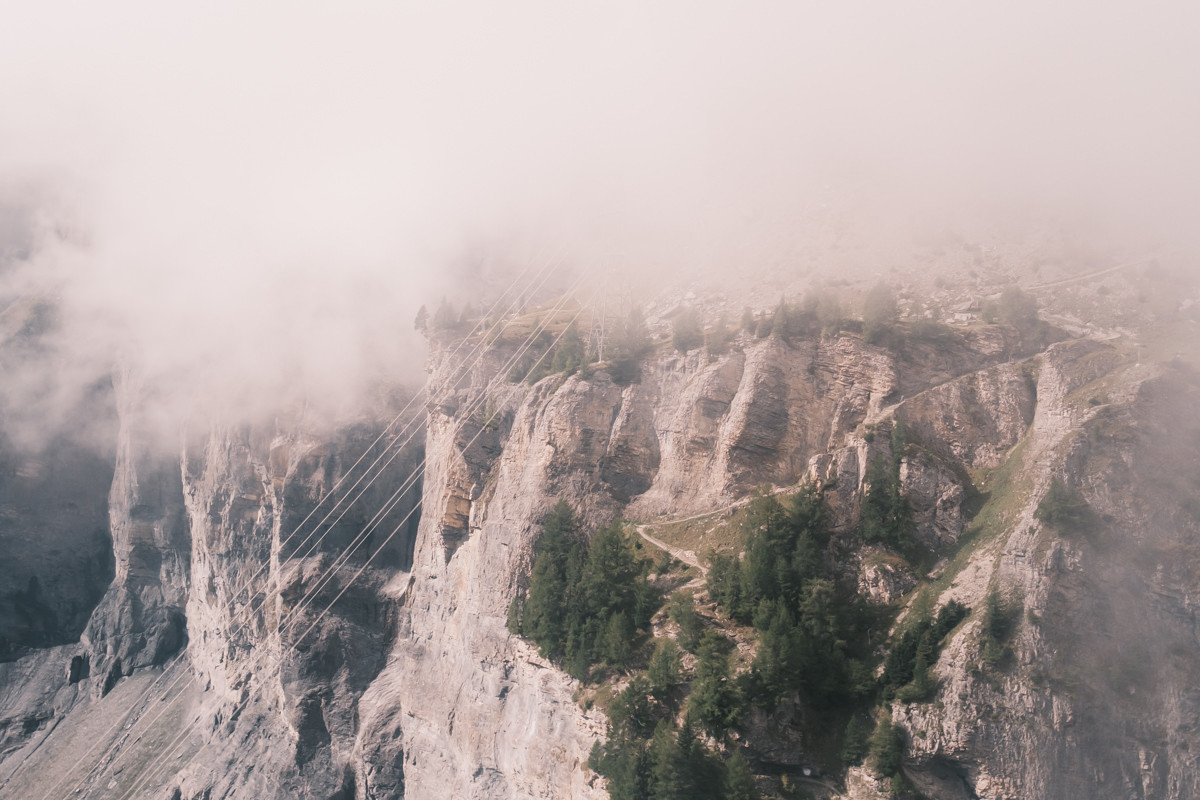
Grindelwald town sits at just over 1,000 meters, but First Mountain, Kleine Scheidegg, and Jungfraujoch is much higher and you can get snow even in the spring, summer, or fall. We experienced this in September when it was sunny and warm in town and actively snowing at the top of First.
Similarly, the weather was pleasant in the Lauterbrunnen Valley, but Murren was covered in a layer of mist, because it was higher up.
Pack layers no matter what season you’re visiting, and look carefully at the weather forecast for each specific area.
Winter (December to February)
This is the most straightforward season and the region shifts almost entirely into ski mode. It’s going to be mostly sub-zero temperatures in the valley, with highs rarely climbing above freezing and lows regularly dropping to -10°C or colder. A lot of the activities will be closed. I’d recommend always having a pair of microspikes in your pack since they’re are so lightweight and easy to carry.
Spring (March to May)
This is the one of the trickier shoulder season to plan around. Things should be melting and greening up in the valley and some of the villages, but higher elevations will still be in fully snow and ice mode well into May. Some cable cars and trails will be closed between the end of the ski season and don’t reopen until June. May tends to be one of the wetter months of the year.
You most likely won’t be able to do any of the via ferratas or First Mountain activities.
Summer (June to August)
This is the peak season that extends into Otober. Daytime temps in the valley are mostly comfortable, but range from chilly to hot. Trails and mountain activities are fully open, and you get longer daylight hours. When the weather’s good, things will sell out and book up faster like the First Mountain ticket lines and via ferrata rental slots.
July actually gets a lot of rainfall, so don’t assume ‘summer’ means ‘always sunny.’
Autumn (September to November)
This shoulder period is when we visited, and I’d consider it one of the best windows if you time it right. September specifically tends to be the driest month of the year here, with a lot of the summer travelers mercifully back at home. It’s supposed to be dry, but you’re not immune from rain. The forecast changed a lot in the weeks heading into our trip. We went from no rain to all rain to ultimately having 1.5 days of rain across the 5 days we were there. We had to be flexible with our itinerary, but it worked out.
By late October and into November, more and more of the summer activities start to shut down for the winter transition. Temperatures drop fast, so you should know why you’re choosing to go if you’re going this time of year.
A Few Practical Notes
- Jungfraujoch is a different climate entirely at above 3000 meters. It’s snow-covered and cold year-round, so dress for a winter summit regardless of when you go. Gloves, beanies, the full nine.
- Regardless of season, keep checking the forecast the night before any weather-dependent activity. There are usually pages that show if activities are running. Conditions can shift very fast.
- Activities operators (via ferrata gear rental, canyon swing, paragliding) will typically cancel or reschedule for weather rather than run something unsafe. So your itinerary should have a buffer day built in. If all goes well, use it to add a hike, another activity, or just relax in the spa.
- For photographers who want snow-capped peaks against green valley floors, the fall season was great. I got a lot of shots that I loved where the weather was an equal part of the magical final result.
Which Travel Pass To Get?
There are four travel passes that can make your life easier and save you some money. Sort of. And it’s confusing, so I’ll get you started and you can figure out what makes sense for you. It’s different for everyone and every trip.
Swiss Travel Pass vs Swiss Half Fare Card
The Swiss Travel Pass is sort of the original pass that covers unlimited train, bus, and boat travel across all of Switzerland. It includes access to 500 museums and attractions and offers discounts on some mountain railways. It’s not cheap, but nothing in Switzerland is.
There are options for 3, 4, 6, 8, or 15 consecutive days and for 1st or 2nd class travel. The Swiss Travel Pass Flex is more expensive, but allows you to choose 3, 4, 6, 8 or 15 days of your choice within a month.
You can find all prices and options here. But for starters, a 3 day pass in 2nd class is CHF 254 (289 for Flex) or USD 405 (461 for Flex) for 1st class.
The Swiss Half Fare Card is a pass that gives you 50% discount on most forms of transports including a lot of gondolas and cable cars. It’s a one time fee of CHF 150 and is valid for 1 month.
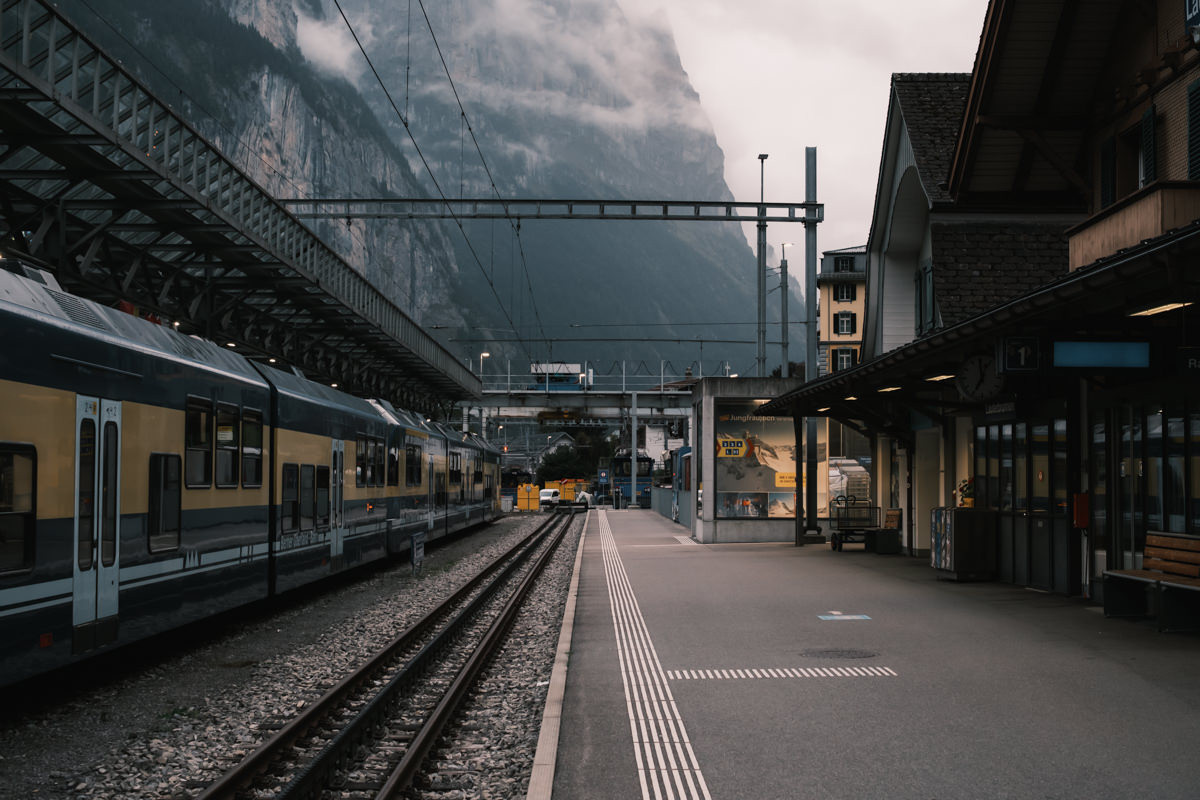
Is The Swiss Travel Pass Worth It?
The only way to tell if the Swiss Travel Pass is worth it financially is to price all the trains, buses and boats you plan on taking against the cost of the appropriate pass. Unfortunately, if you read through forums and you’ll find people spending hours making spreadsheets to figure this out. It’s not an easy answer.
In general, the Swiss Travel Pass is worth it to me if you’re traveling for at least 8 days and better if you plan to get the Flex version. The best value is for 15 non-consecutive days in a month priced at CHF 519 for 2nd class. That comes out to about CHF 35 a day.
A 3 day Flex pass at CHF 289 comes out to CHF 96 a day. If you’re planning to spend more than that in daily transport, it’s still worth it.
On our first day, we took the train from Geneva Airport to Montreux, then took the buses out and back to Chillon Castle (entry was free with Swiss Pass), then did 1st class on the stunning Belle Epoque train to Zweisimmen, and connected from there to Interlaken and onwards to Lauterbrunnen.
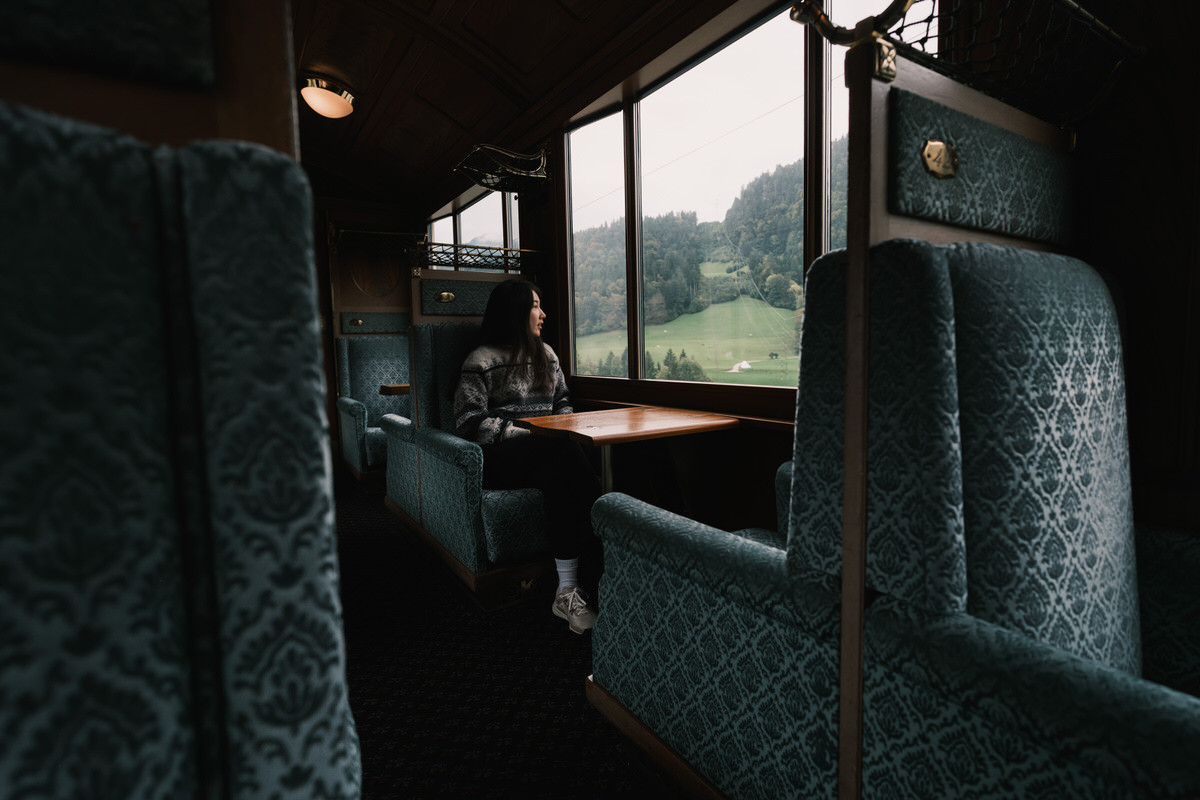
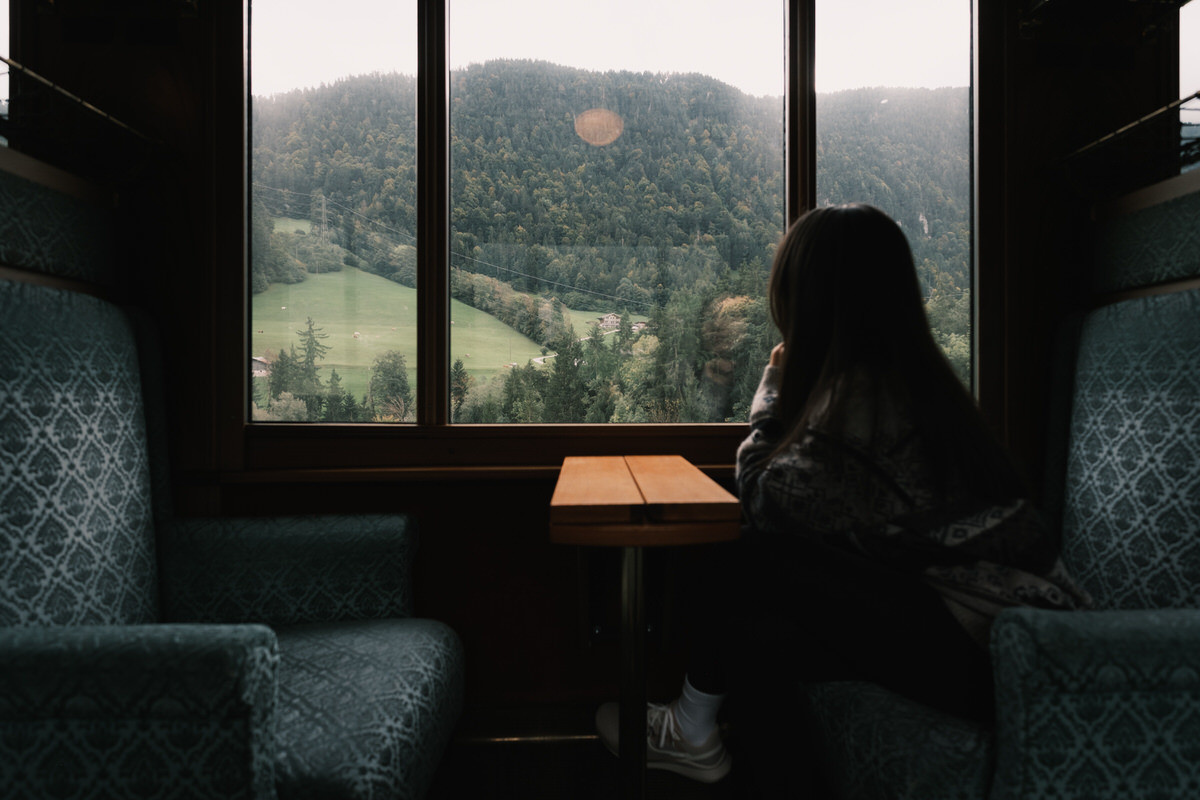
We definitely got our money’s worth that day, but the next day, we mostly relied on our Jungfrau Travel Pass for the mountain railways and cable cars. So having the Flex pass meant we could use one of our days for onwards travel to a different part of Switzerland.
Further example. A simple trip from Zurich to Bern alone will run you about CHF 50 unless you’re booking a specific saver fare in advance. On something like the famous 8-hour Glacier Express between Zermatt and St. Moritz, you’re looking at CHF 213 for second class and CHF 326 for 1st class. That is almost halfway towards covering any full pass.
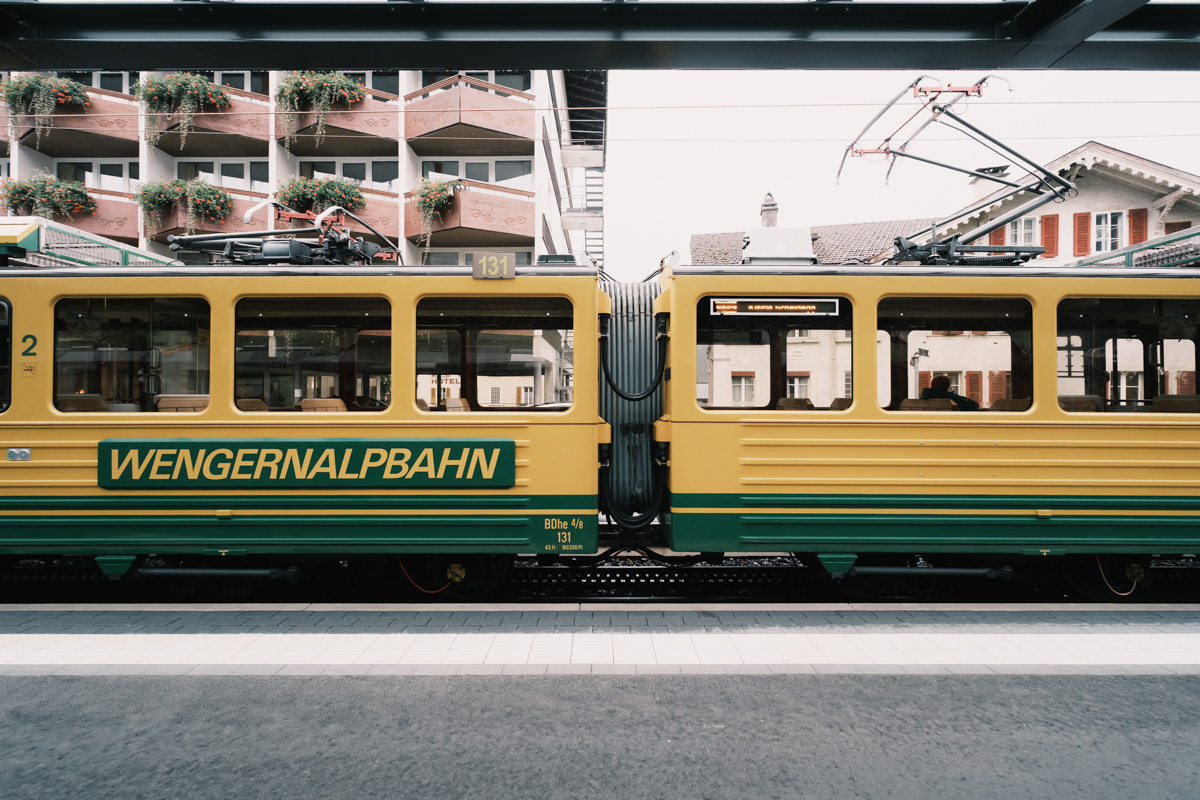
It really depends on your travel plans. If you’re spending most of your time in one city or a region, it’s probably not worth it.
However, an overlooked aspect of the Swiss Travel Pass is the convenient of not having to figure out all the ticketing logistics and local transports in every town. For me, this is huge and also allows me flexibility and ease of mind to change my plans on the fly. And we didn’t waste time buying tickets everywhere.
Most trains don’t require reservations with the pass (some like the Glacier Express or the Bernina Express do).
If you’re mostly focusing on one region, like Jungfrau, the Swiss Travel Pass is not worth it.
You can also buy all the passes in the links below for the same price and pay in your local currency instead of CHF.
Is The Swiss Half Fare Card Worth It?
The Swiss Half Fare Card is lot easier to justify since you’re basically saving 50% on all your transport. At CHF 150, that means that as long as you are planning to spend more than CHF 300 in transport, you’re going to be saving money.
Generally speaking, if you’re only going to get one pass while traveling all around Switzerland, it should be the Swiss Half Fare Card.
The longer your trip is (up to 1 month), the more valuable it becomes.
For a lot of my friends visiting Switzerland and not hopping from one town to the next every day or jumping on long expensive trains, I tell them to go with the Swiss Half Fare Card.
If you’re just going to Jungfrau and your trip is less than a week, I wouldn’t bother with the Swiss Half Fare Card either and just focus on one of the two regional passes below.
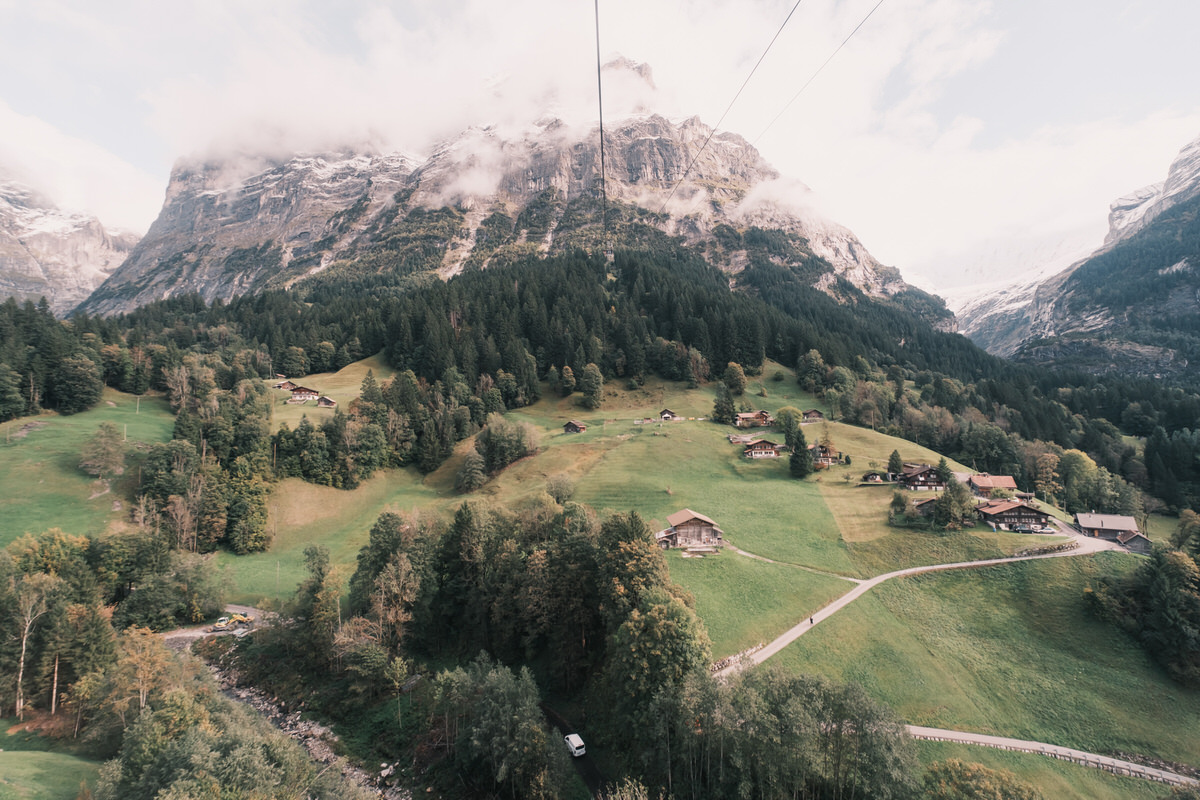
Jungfrau Travel Pass vs Bernese Oberland Pass
The Jungfrau Travel Pass and Bernese Oberland Pass are two regional passes that happen to cover the Jungfrau area, specifically things gondolas, cable cars, and and mountain railways that are not covered by the Swiss Travel Pass.
If you’re doing a similar trip to me and staying mostly in the Jungfrau region, it’s better to get the Jungfrau Travel Pass since it covers the gondola to First Mountain, all the trains and cable cars between Interlaken, Grindelwald, Lauterbrunnen, Murren, Wengen, Männlichen, and Schynige Platte.
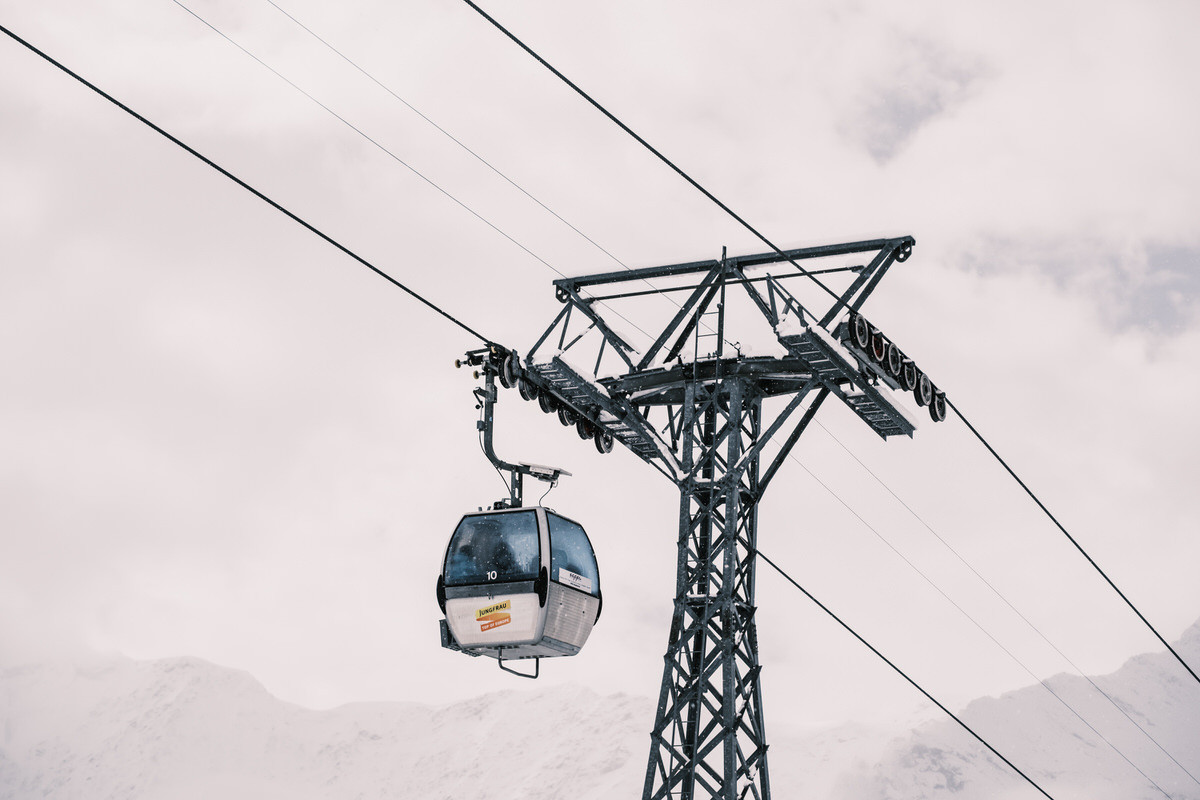
It even covers the boat cruises on Lake Thun and Lake Brienz and the buses in Grindelwald – and gives you a heavily discounted rate up to Jungfraujoch, along with the convenience of not having to book any of these in advance.
A few things it doesn’t cover are the buses in Lauterbrunnen Valley, the cable car from Lauterbrunnen up to Murren (you can still get to Murren via a mountain train), the trip up to Schilthorn from Murren, Pfingstegg, and the activities on First.
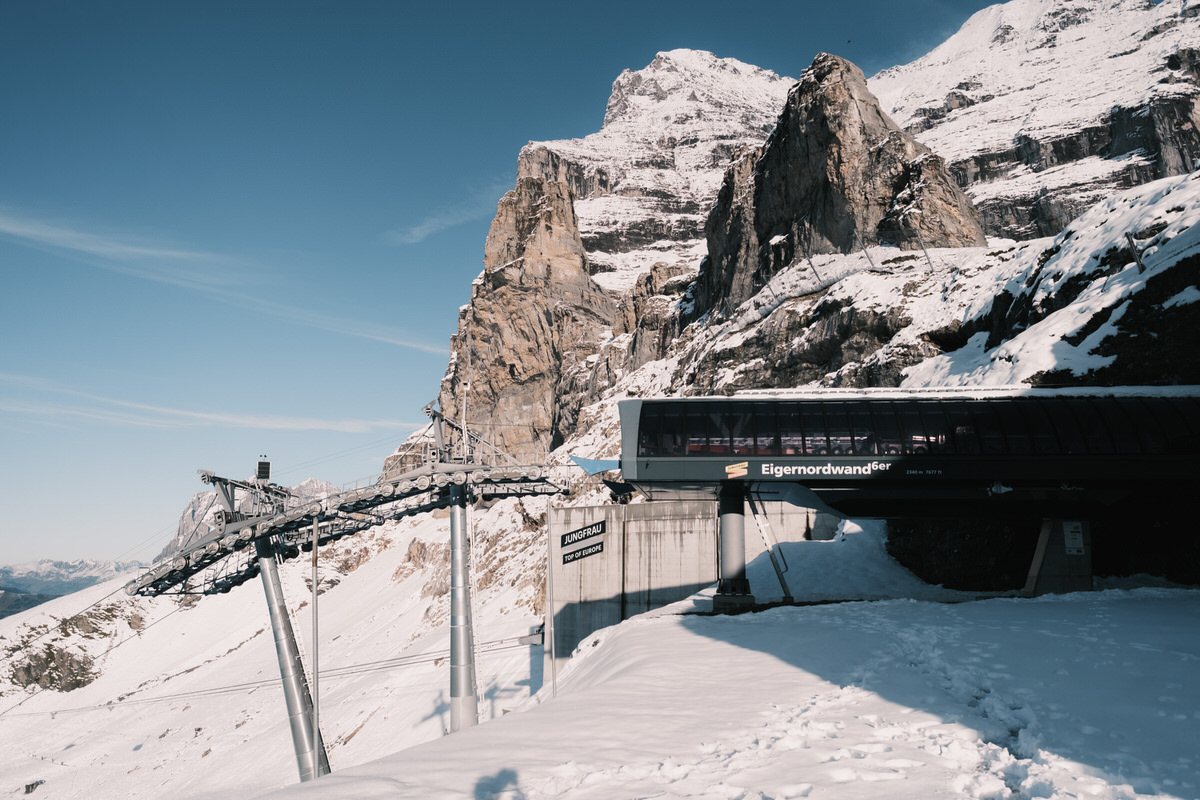
A lot to take in. If you’re doing a lot of the things on my activities guide and want to jump around, it’s worth getting the Jungfrau Travel Pass, especially if you already have the Swiss Half Pass, which also gives you around a 25% discount on the Jungfrau Travel Pass.
The Bernese Oberland Pass, overlaps with a large portion of travel in the Jungfrau region. It offers only a 50% discount for the gondola up to First, and a 25% discount off Jungfraujoch, but covers Pfingstegg, all transport to Mürren, Schilthorn, as well as travel from Bern or Lucern to Interlaken.
Again, it depends on your trip. You can price out both here.
So Where Should You Stay In The Jungfrau Region?
Here are the 5 main villages (ordered by altitude):
- Interlaken (566m)
- Lauterbrunnen (795m)
- Grindelwald (1,034m)
- Wengen (1,274m)
- Mürren (1,638m)
You can check out my full guide on the different villages and my recommendations across the Jungfrau region.
If you’re planning to visit a lot of different attractions, I wouldn’t choose a village necessarily for proximity to any one attraction, since you can get around pretty easily and everything is accessible. Instead choose it based on vibe and quiet level.
Lots of tour groups will stop or stay in Interlaken because they are hopping all over Switzerland. It can get very loud and busy here, so I’d personally skip Interlaken as a base.
Grindelwald is equally popular, but not nearly as bad as Interlaken. It’s more lively than crowded. If you like to shop and be around people and have lots of options, you can choose Grindelwald confidently.
Lauterbrunnen or Wengen is the middle ground if you want a bit more quiet without giving up too much access. Both have their own charm, but Lauterbrunnen has an edge for me because of the waterfall right in town.
If you truly want to disconnect, go up to Mürren or Gimmelwald. Or actually, you can even book a mountain lodge stay right at the top of First mountain. It’s only accessible by cable car, and once all the day-trippers leave, it’s just you and the other guests. So basically, the only way down between 5 pm and 8 am is to hike down.
We did look at accommodation options in every village, and I kept the shortlist if you want to have a look at what we liked and picked out for ourselves.
This was the spreadsheet I created when I was researching my own trip, so it has a shortlist of the places we were looking at in each village, and links to activities we wanted to book. I also added some post-trip notes, tips, and recommendations and put all the links in one place. You can download that here.
Where We Stayed
We initially wanted to find unique stays away from the crowd, so I booked the Mountain Hostel in Gimmelwald (the end point for the via ferrata) and at the Berggasthaus First at the top of First Mountain. Both were basic dormitory shared rooms with a few private options, but you couldn’t beat the locations.
When I decided I’ll be proposing to my girlfriend on the trip, I wanted to surprise her with something nicer and more romantic than a bunk bed.
That’s when I looked towards Grindelwald for more options, specifically something with a spa. We both love a good sauna and hot tub.
Hotel Kreuz & Post had arguably the most convenient location in Grindelwald, right next to the main train station, with a clear and direct view of the Eiger’s north face. That view was obscured by the clouds when we arrived, but when it finally cleared, the mountain felt like it was right in front of us. They had a modern spa that was as beautiful as it was functional. I loved the red light therapy sauna.
Breakfast was included in the stay, which was really nice.
You can read my full review of the Hotel Kreuz & Post hotel along with more photos.
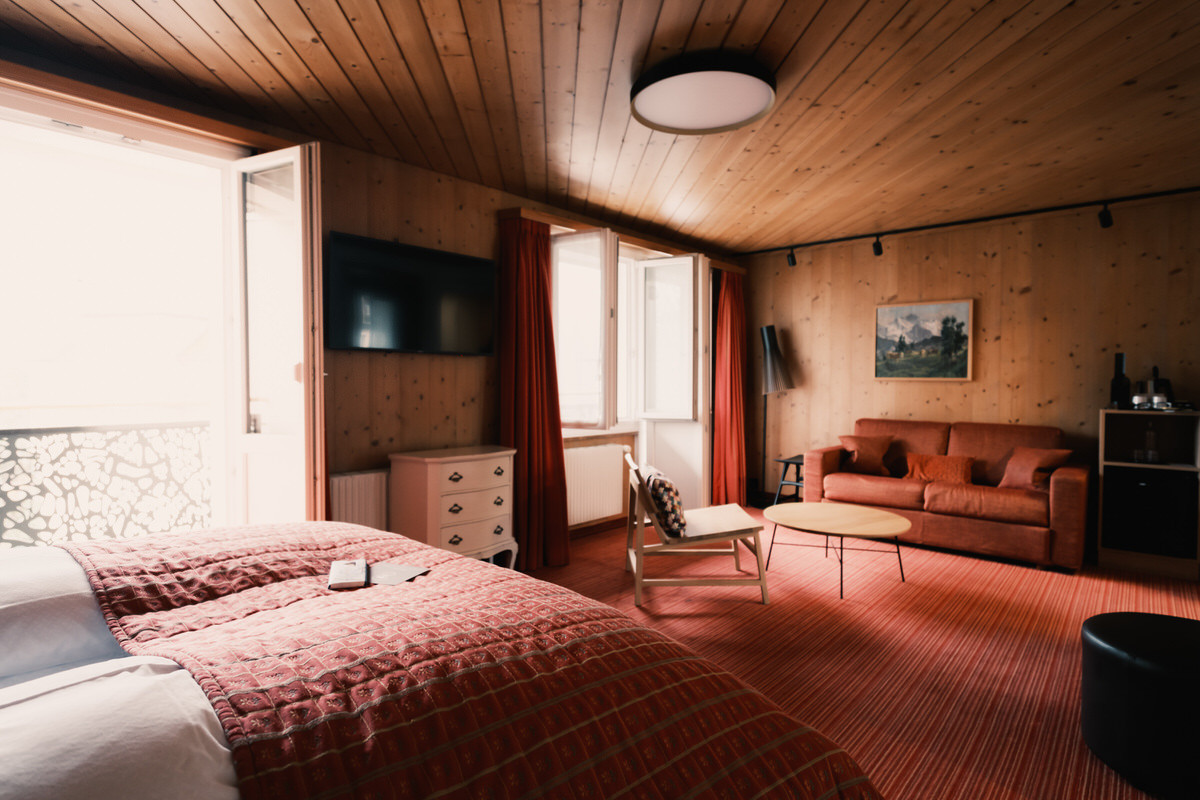
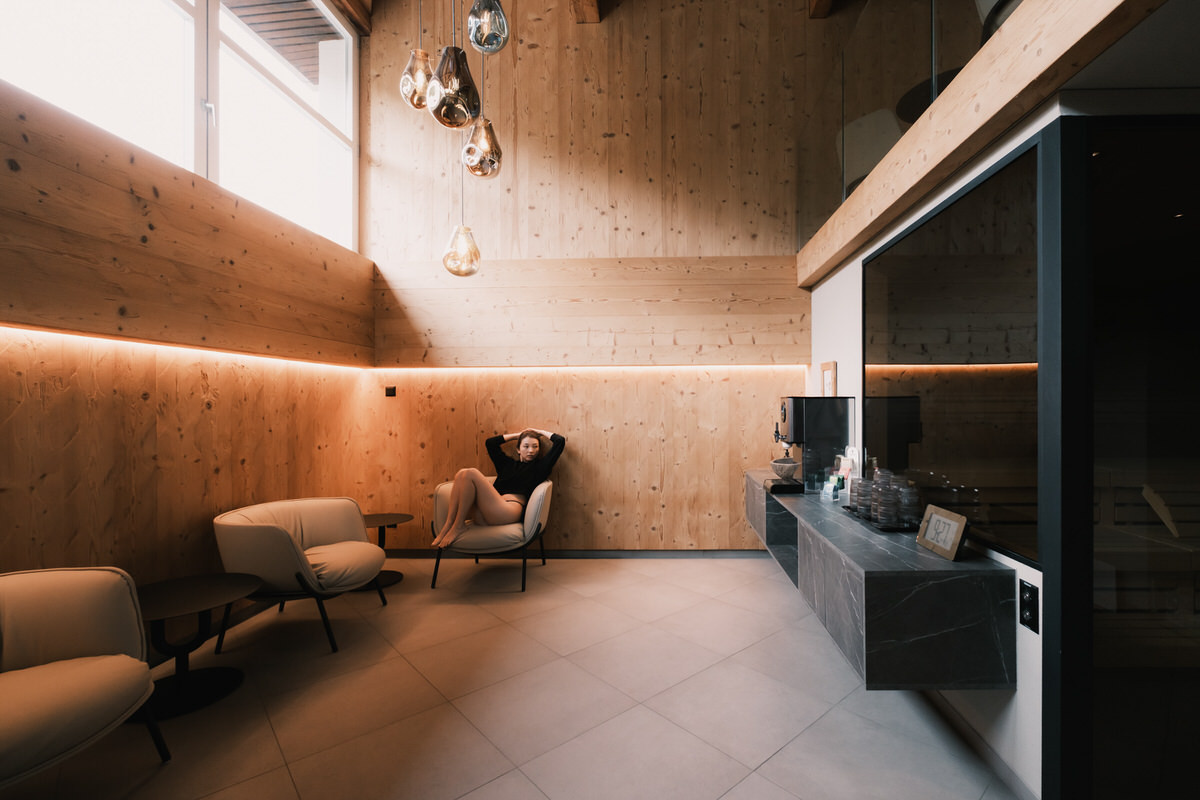
For the second half of our stay, I still wanted a bit of escape from the crowds, so we stayed in Grindelwald, but moved to the Aspen Alpin Lifestyle Hotel, itself tucked into foothills of the Eiger outside the center. ‘Escape’ is a strong word for an 8-minute drive, but it did feel like a completely different pace, where we could retreat to and relax.
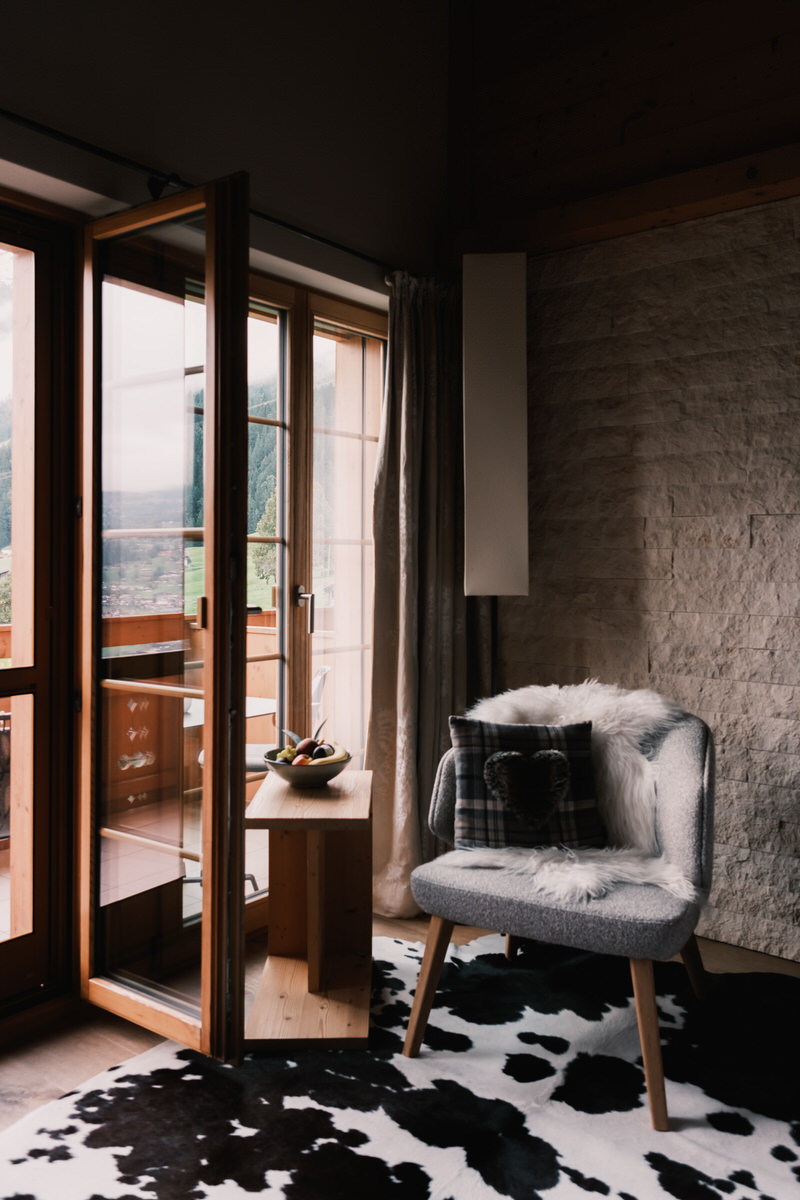
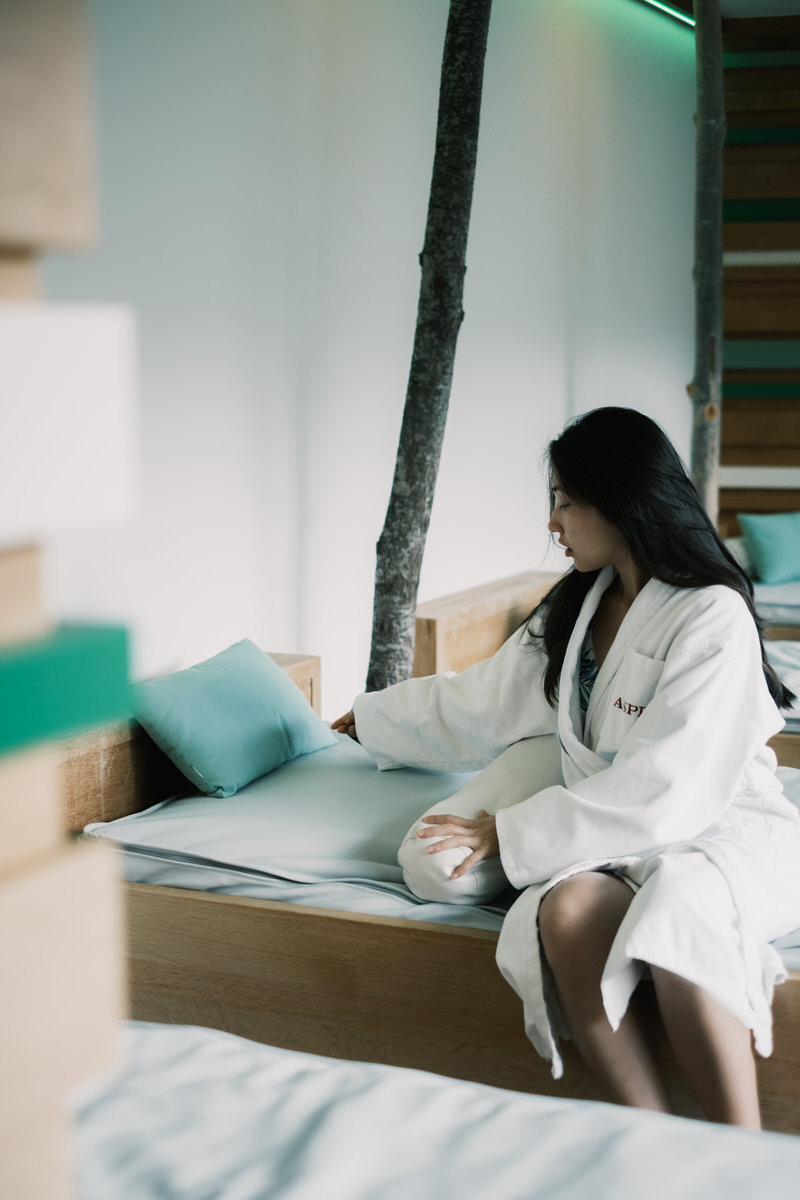
They ran a free pick-up service to and from the train station, but there was also a bus that picks up right in front that dropped us off in town and the Grindelwald Terminal. It was also just a 40 minute walk, which we did once and turned into one of the nicer strolls of the trip.
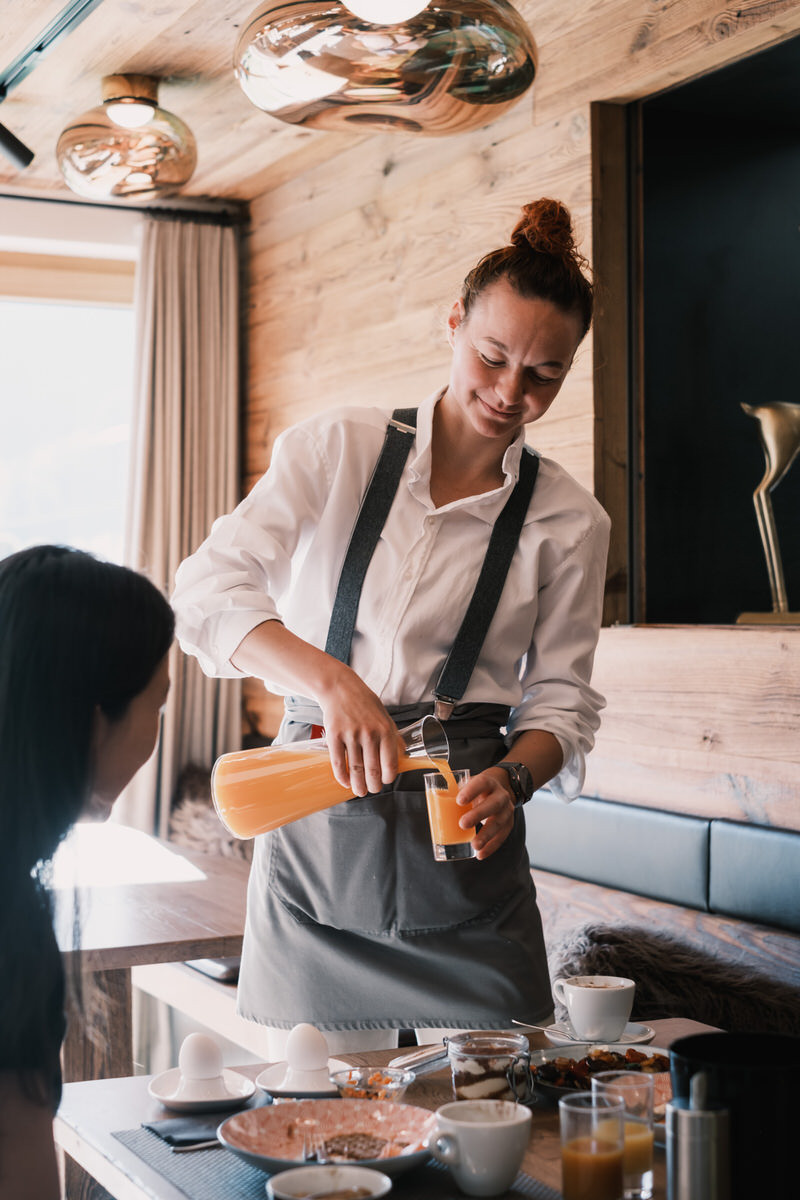
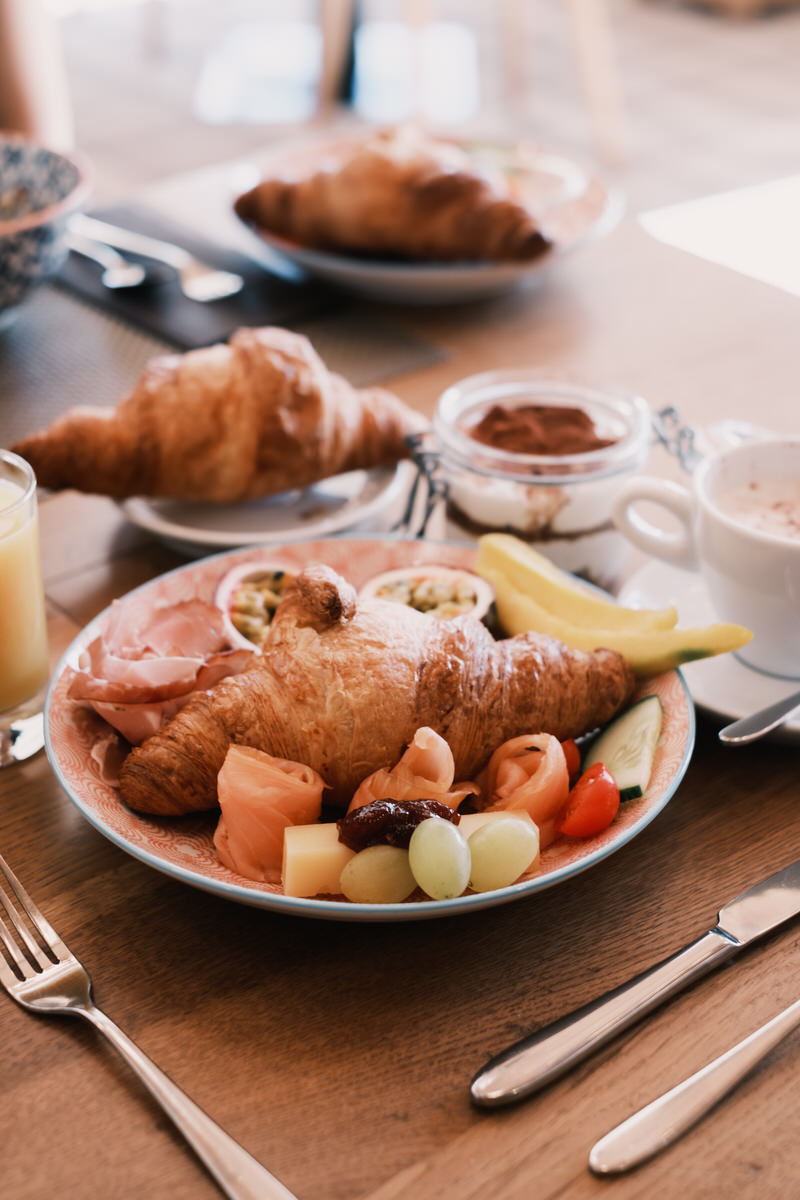
The restaurant here was excellent, and the breakfast might have been the best of our entire Switzerland trip. Our waiter jovially insisted we take another croissant, despite our very full plates, because it had just come out of the oven. It was the single best pastry on the trip, and maybe across all my visits to Switzerland. Buttery, fluffy, and…I digress.
The spa here was the real draw though, an outdoor hot tub with a mountain view that we somehow had to ourselves each time (sunrise, sunset, and at night).
You can read my full review of the Aspen Alpin Lifestyle Hotel if you’re interested.
These two aren’t the only good options in Grindelwald, just the two we picked. We had a longer shortlist going in, and a few of those were already sold out by the time we were ready to book, which tells you something about how far ahead you should plan.
Our Grindelwald/Jungfrau Itinerary
After planning, and re-planning on the fly to adjust for weather interference and other mishaps, here’s what our final itinerary looked like. Honestly, it was a 9/10 itinerary built around near perfect transport connections. It still wasn’t perfect, and we couldn’t do everything (that would be impossible), but you can definitely use it as a rough skeleton.
Day 1: Arrive, Lauterbrunnen
Landed at Geneva Airport. Took the train to Montreux for a side trip to Chillon Castle, while we waited for the Belle Epoque train. Scenic train from Montreux to Zweisimmen (we sat on the right side, which is arguably the better side because the lake is on that side), change trains to connect to Interlaken and then up to Lauterbrunnen for the night.
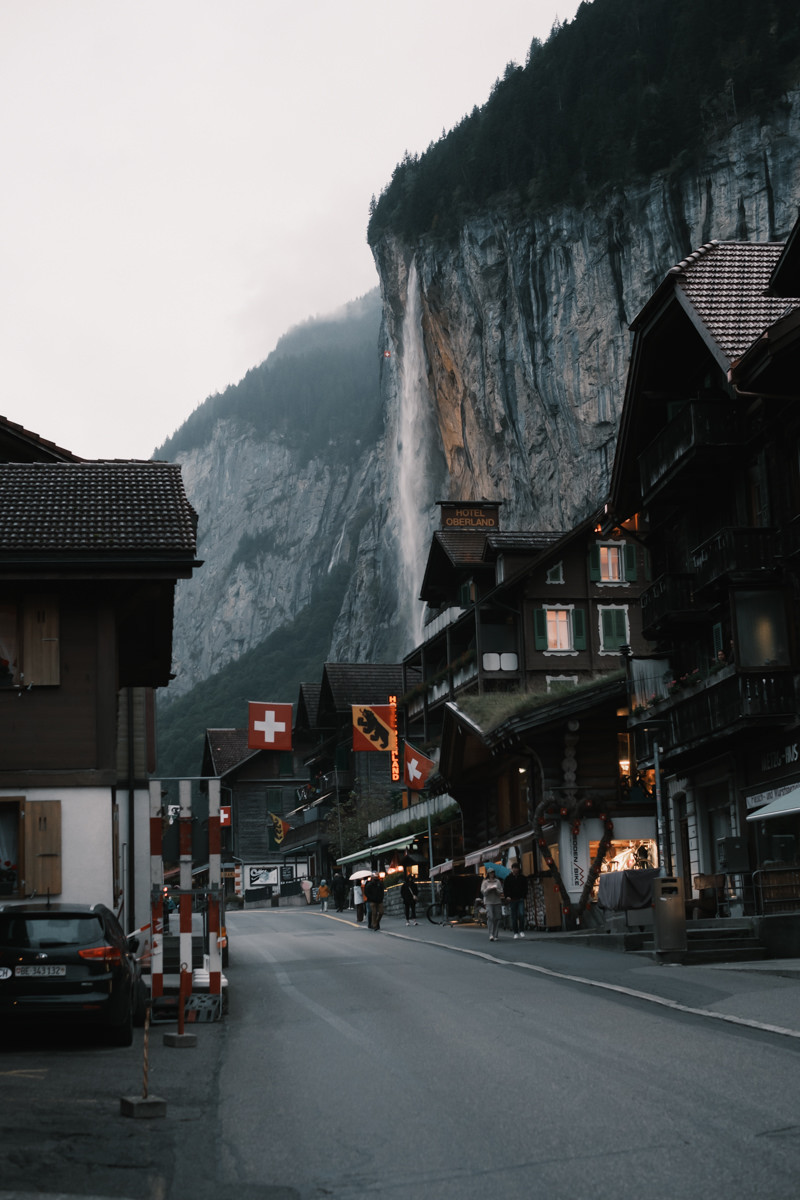
Stunning view of the Staubbach Falls right from the middle of town when we arrived. Just missed the COOP market closing at 7 pm. Glad we grabbed some food ahead of time back in Montreux.
We planned to stay at the Hotel Silberborn, but it was no longer available when we booked, so we ended up at the Valley Hostel, which wasn’t bad at all. We just needed a place to sleep so we can head straight to Mürren in the morning. That’s the view outside the hostel in the middle of town. Unreal.
Day 2: Mürren, Gimmelwald, Lauterbrunnen
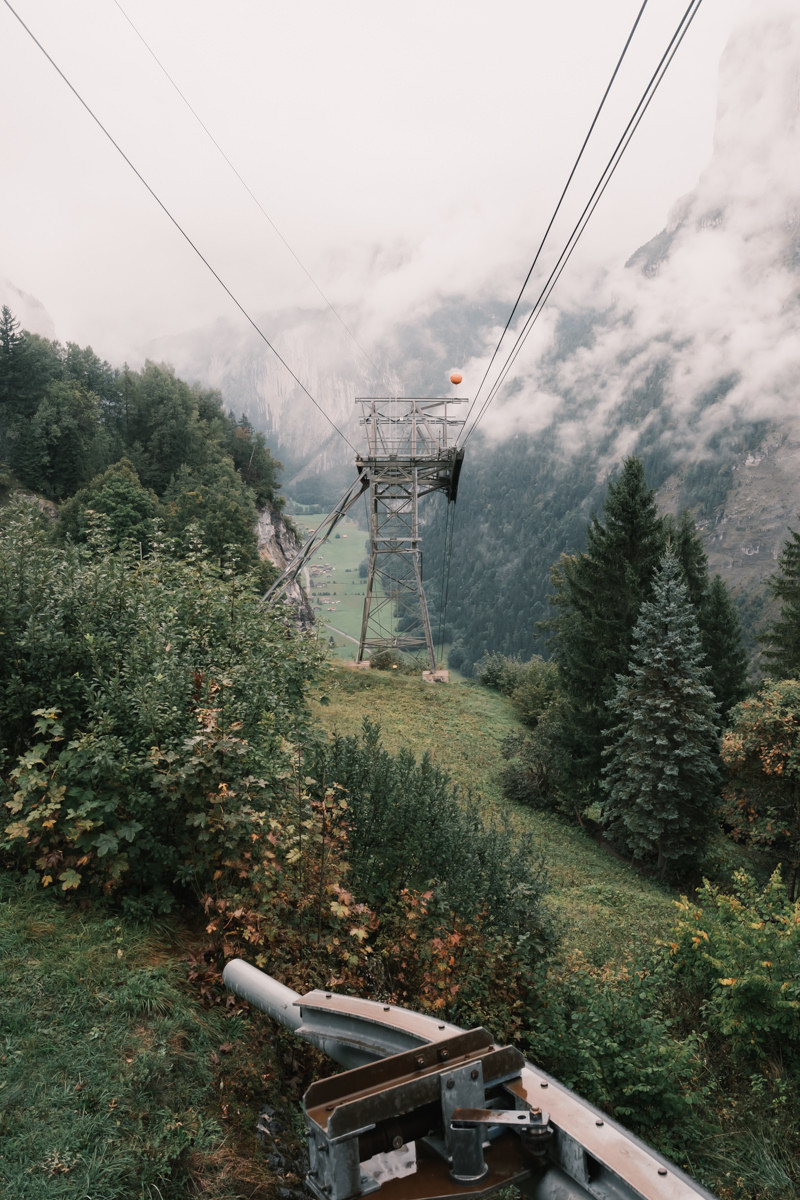
Despite the rain forecast, we still optimistically took the cable car up toward Mürren at around 8 am, explored the village and grabbed breakfast at the COOP. The Intersport opened at 9 am and we got confirmation that it was too dangerous to go out when there’s any forecasted rain or if it rained in the last few hours because the rungs get really slippery. Seemed a bit conservative, but after doing it in dry sunny weather, we absolutely agreed with their caution.
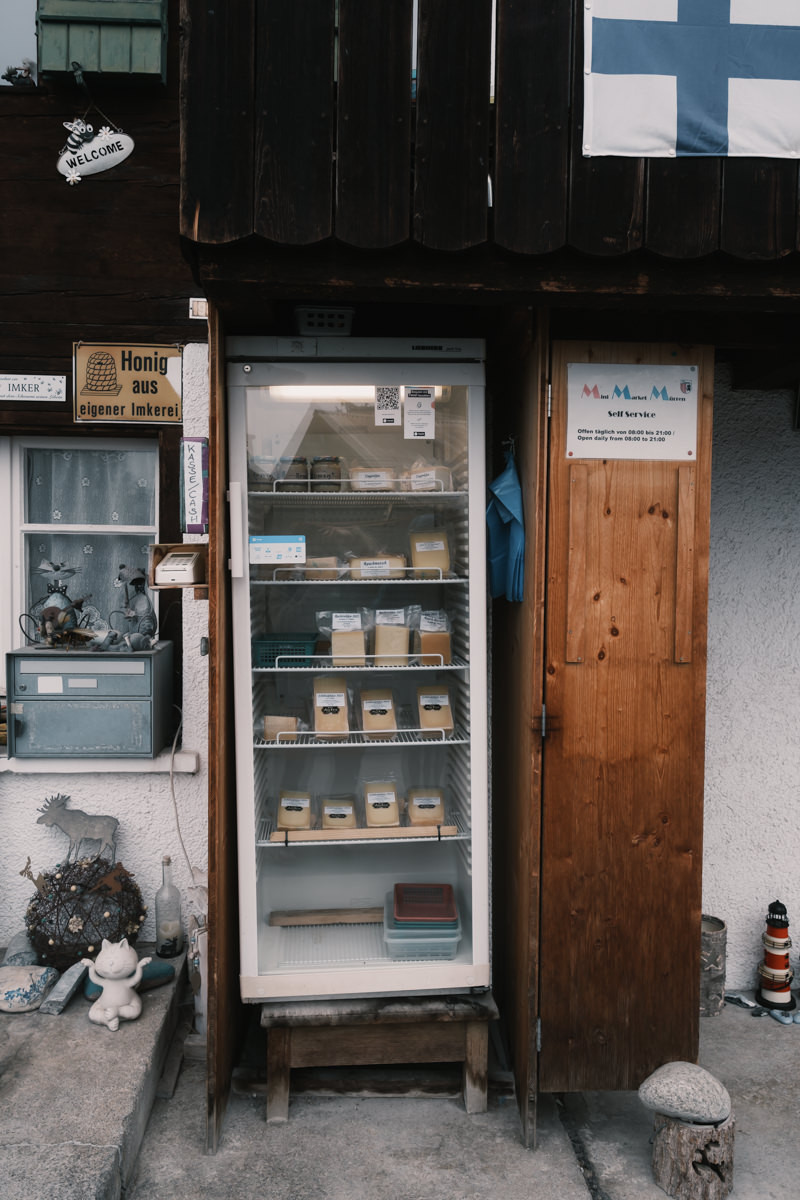
We did a quick change of plans and enjoyed a nice hike from Murren down to Gimmelwald and even bought some cheese from a self-service fridge on the side of the road operating on an honor system. We stopped for a coffee at the Mountain Hostel, and then took the cable car back down to Lauterbrunnen.
Spent about 2.5 hours exploring Trümmelbach and Staubbach Falls. Definitely worth visiting.
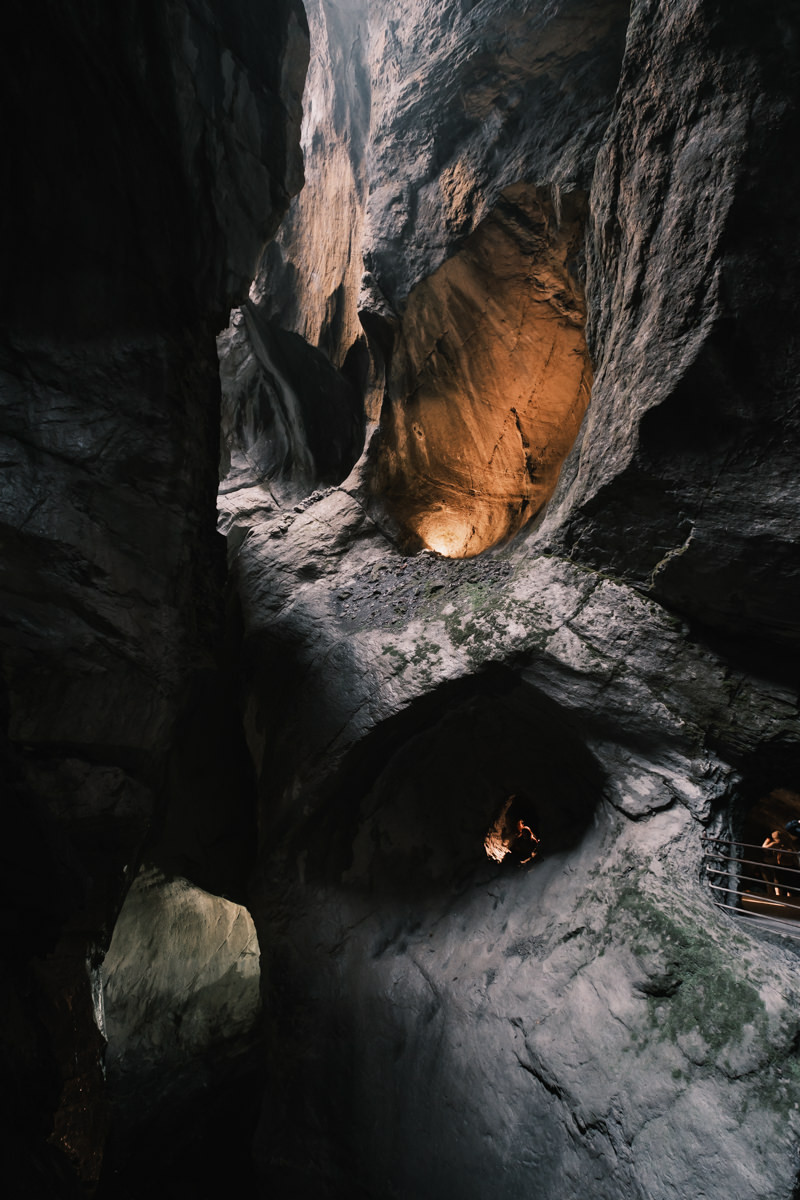
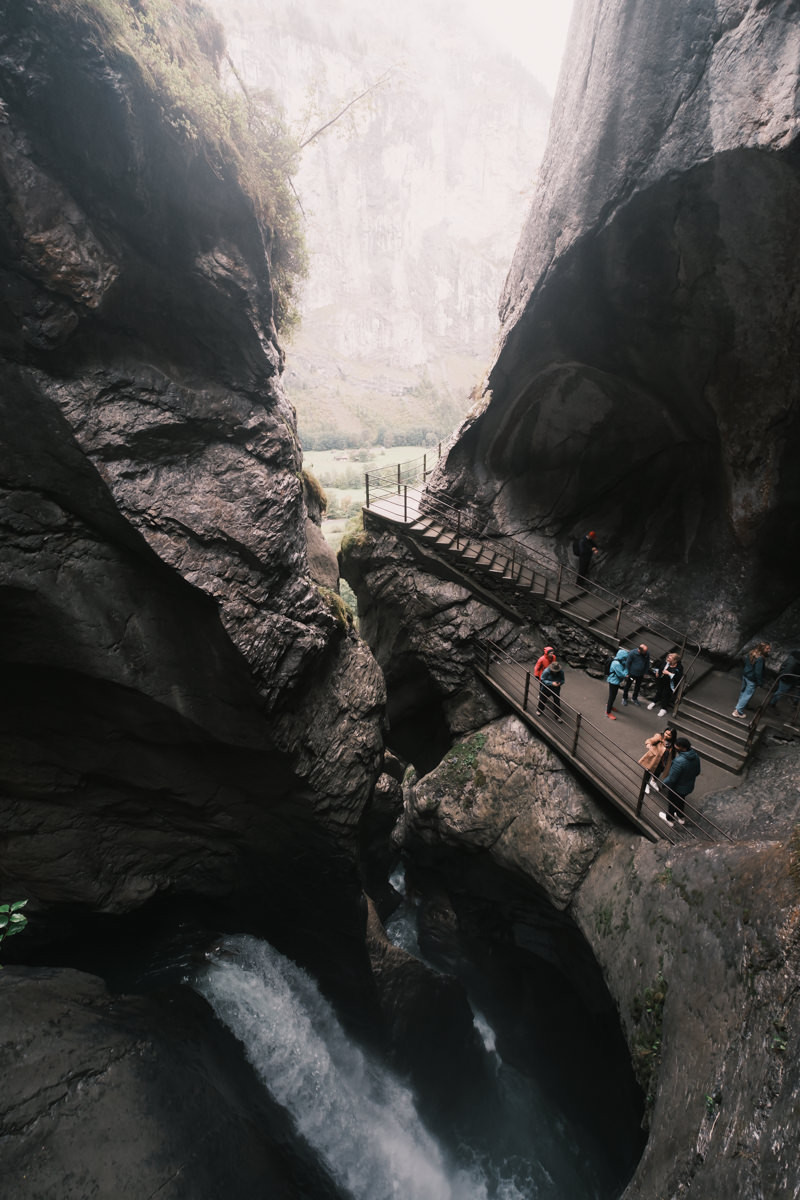
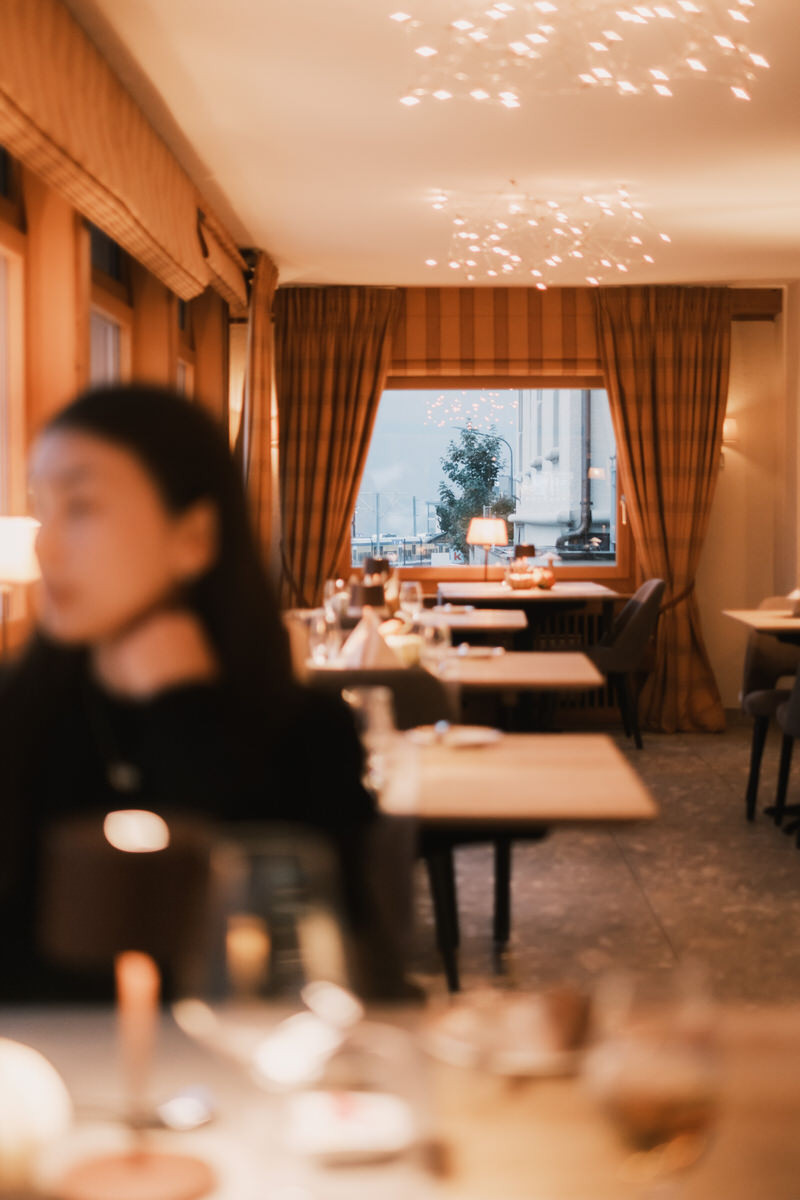
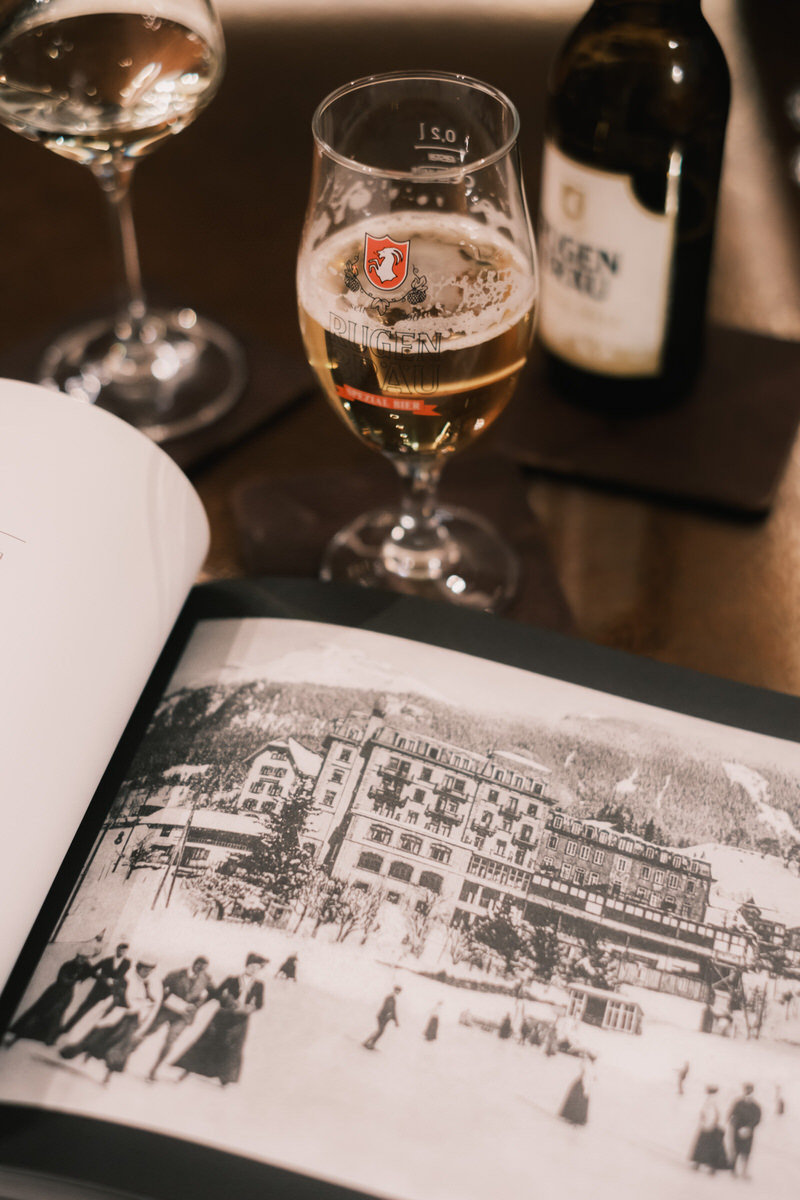
Jumped on a quick direct train to Wengen to check out the town and then went to Grindelwald via the Lauterbrunnen and Zweilütschinen route. We checked into the Hotel Kreuz and Post, had a drink in the lounge while it rained outside, had dinner at their restaurant, and then went down to the spa to relax.
The via ferrata and proposal didn’t happen, which definitely was a downer, but we were able to fill in the time well and had a great first full day.
Day 3: First Mountain, Grindelwald Canyon, and Pfingstegg
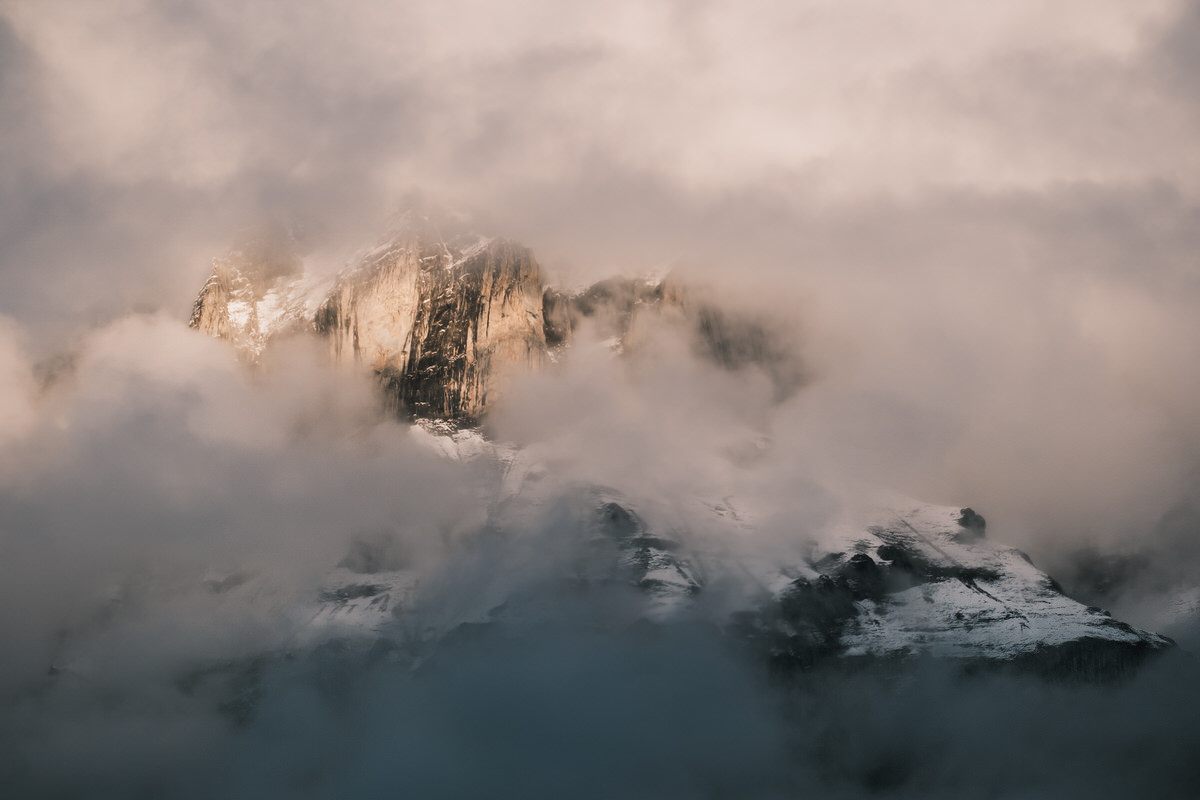
The view of Eiger was still blocked by the clouds in the morning, but the sun came out after breakfast as we headed to the First Bahn cable car station. Huge change going from the sunny valley floor up to a snowy cliff walk. It’s lazy, but I have to use the word magical here. The only downside was not seeing the view and the drop because of the white-out conditions.
We’re also glad we somewhat planned for this weather with our packable down and rain jackets. If you’re interested, here’s a list of my current travel gear. We took our time here enjoying the walk, warming up with a hot drink at the restaurant before heading back out.
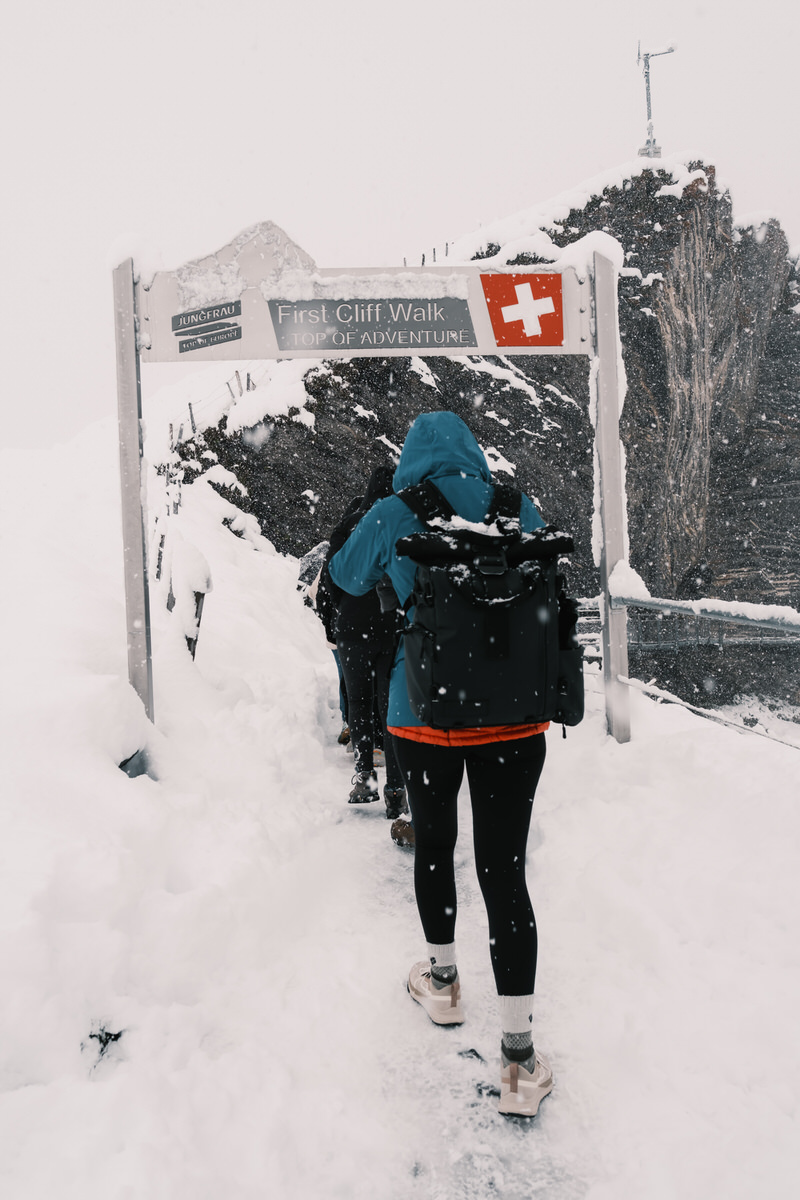
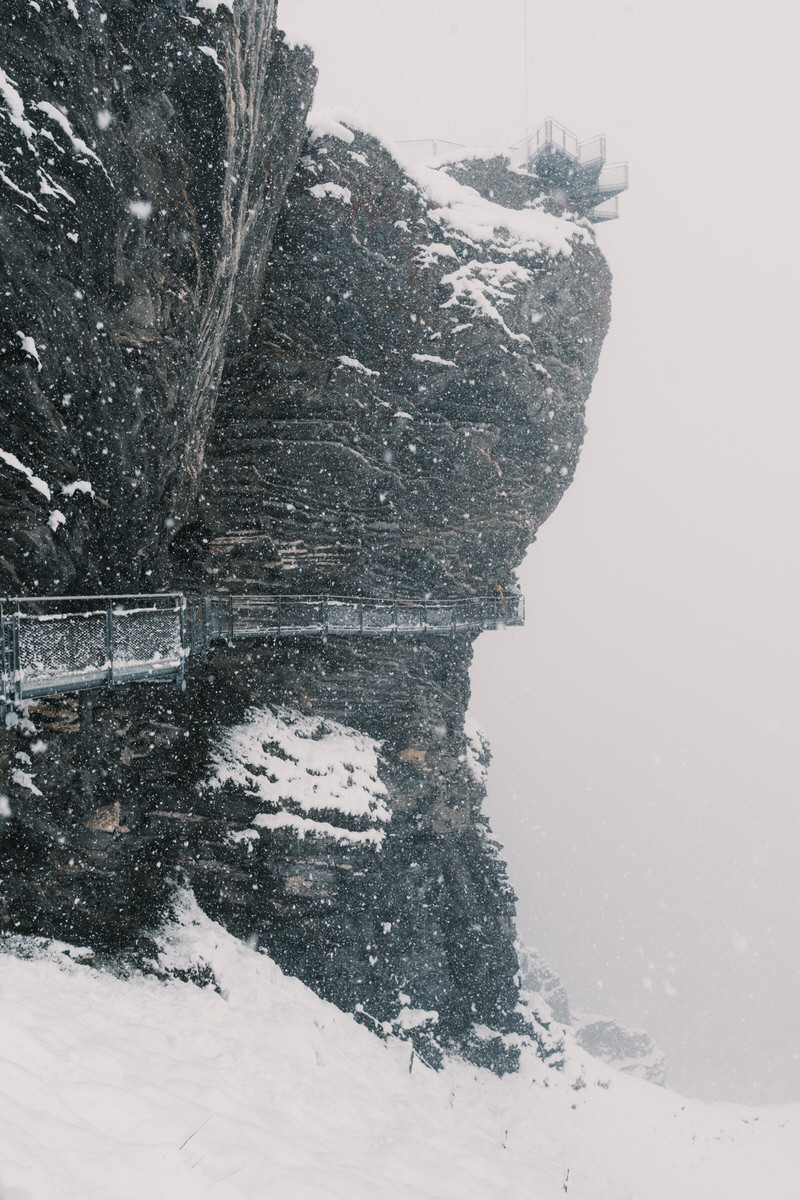
In almost a blink of an eye, everything cleared up, revealing just how close we were to the wall of mountains to one side. There’s a board the updates you with which attractions were opened. Unfortunately, because of the weather up until that point, everything except the cable car was closed.
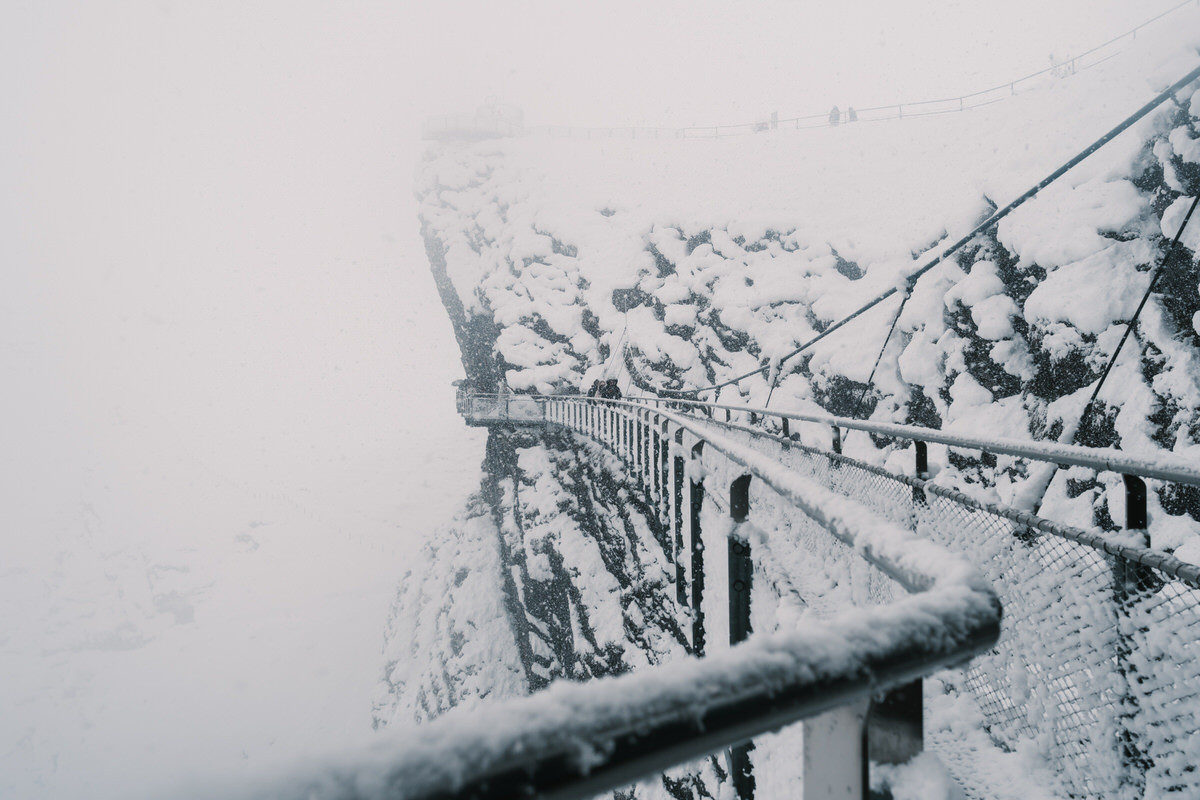
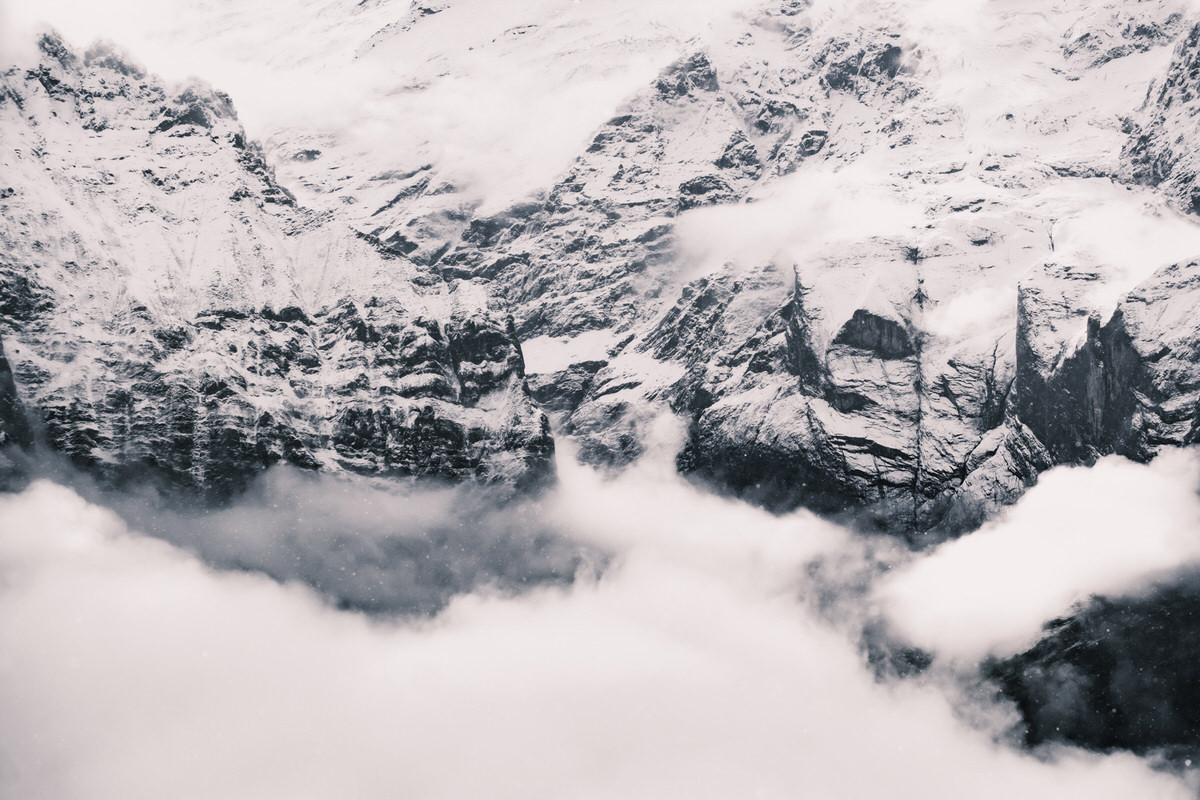
We were disappointed, but accepted our fate. We were planning to do every attraction that would take us from the top to the bottom, but you don’t definitely don’t want to do the Trotti Bike or the Mountain Cart when the road conditions are wet and slippery.
The First Mountain Cable Car has 3 stops. Bort (Middle station), Schreckfeld (Upper-Middle station), and First (Top station). On the way down, we saw that the Glider was now opened, so we jumped off at Schreckfeld, prepared ourselves mentally and strapped in for that.
We originally had Grindelwald Glacier Canyon and the Canyon Swing schedule for the next day, but the weather forecast appeared sunny and clear, so I was lucky to be able to move our swing and canyon visit up a day, to make space for the via ferrata (should the clear weather forecast hold).
We started with the swing, which takes you up the backside of the canyon to the jump point. From there, your only way down was to launch yourself into the canyon below. I’ve done something similar before in New Zealand, but nothing had prepared my partner for such a jump. She had never done a bungee either. Between her somehow going down head first, the scream head throughout the canyon, and then the triumph yell at the bottom, this was undeniably one of coolest experiences of her life.
Still high from the thrill of the drop, we did the canyon walk going through tunnels and passing under waterfalls along the way.
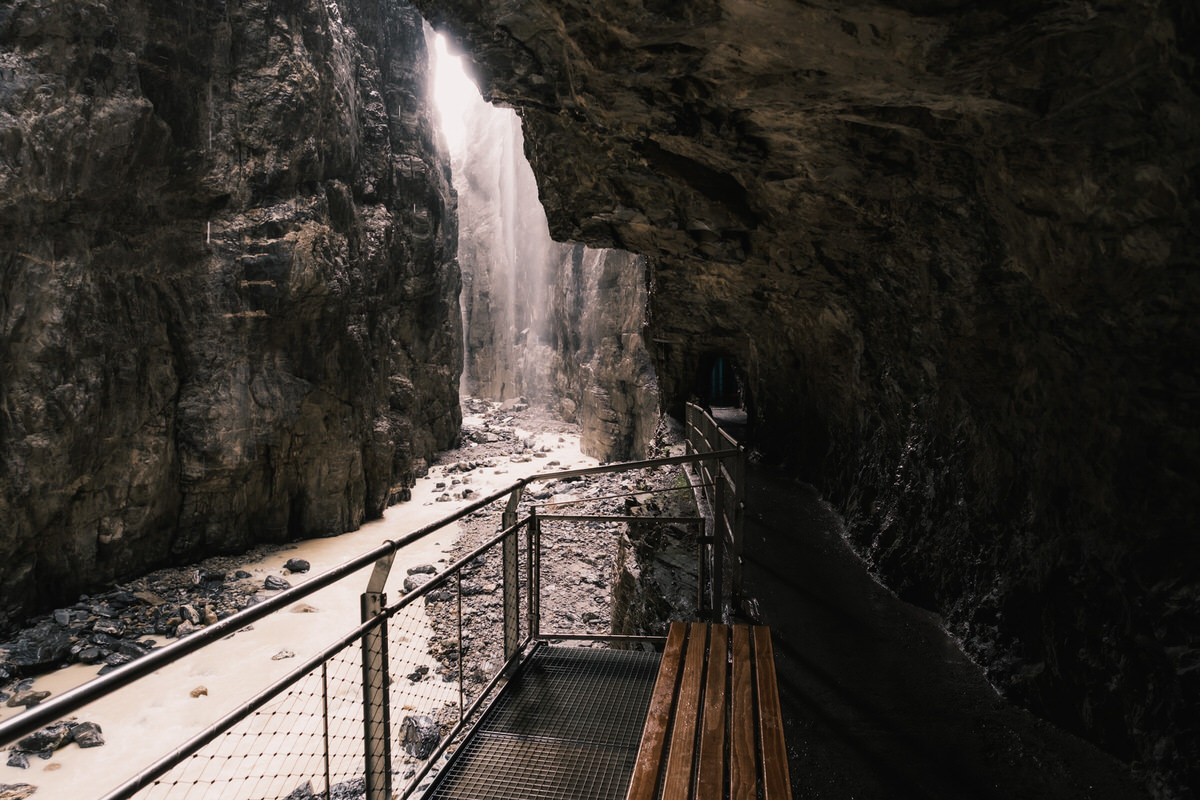
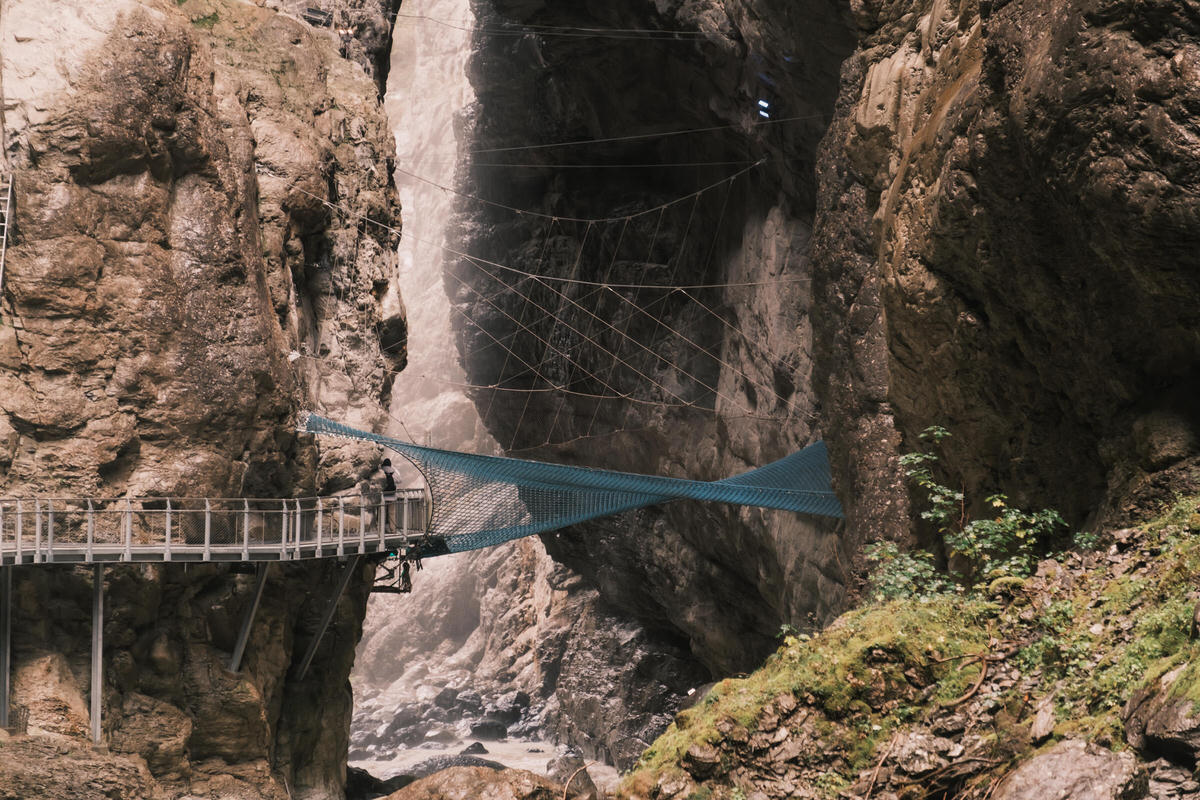
Because of the precise timing of all the transport, we were able to head straight to Pfingstegg cable car stop on the way back. I would definitely pair Pfingstegg with the Grindelwald Glacier Canyon. It only takes about 5 minutes to get to the top, where you have another beautiful view of the valley below.
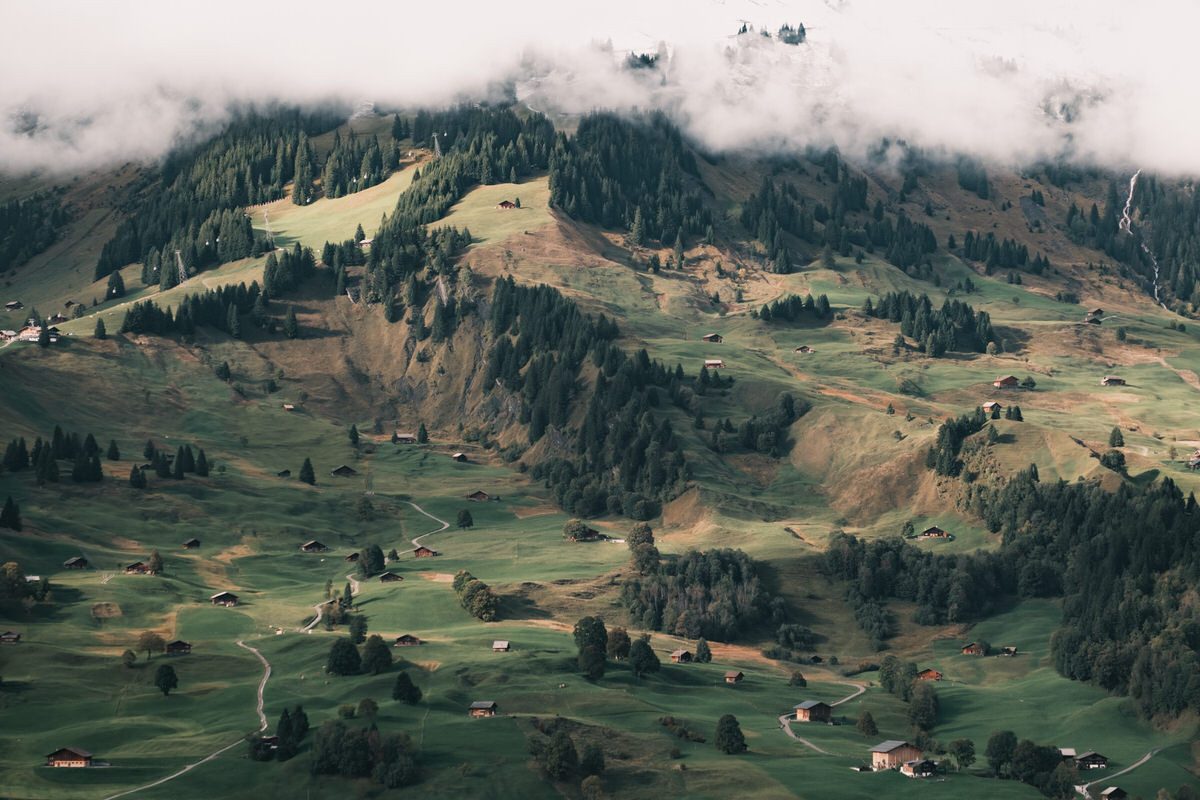
The highlights here are the Fly-Line and Toboggan, two thrilling adventures that’s suitable for most people. Definitely not as scary as the canyon swing.
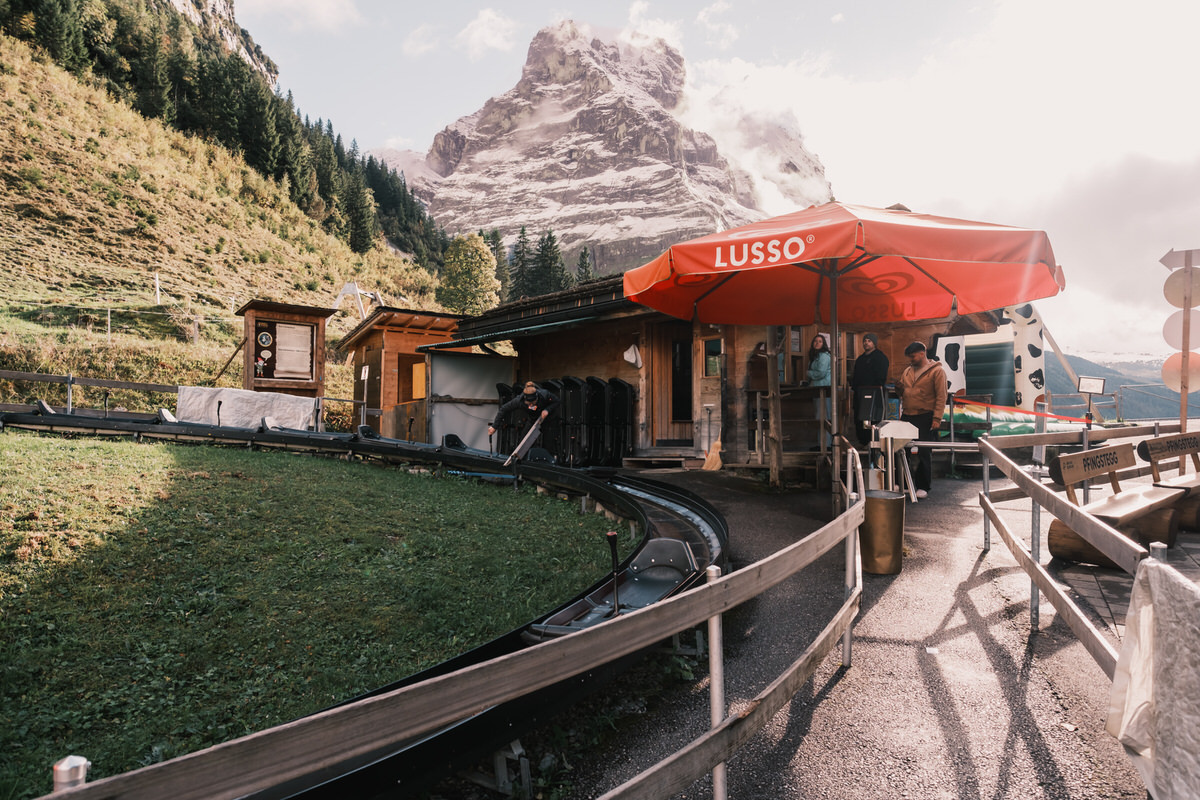
With time on our hands, we skipped the cable car ride and hiked back down via the switchback trail. That took about an hour and brought us right back into Grindelwald town. We were able to explore the town now that it wasn’t raining outside, and then headed to the train station where we were picked up to be taken to our Aspen Alpin Lodge stay.
Having snacked all day, we decided to spend the evening at the spa instead of rushing to dinner. We saved that for the next evening.
Day 4: Via Ferrata, Cheese Festival, Mannlichen and Eigergletscher
This was the big day. Since the via ferrata route had been closed for a few days, the reservations that backed up. Luckily, the people at the Murren Intersport were kind enough to offer me two last minute rentals when I filled them in on my proposal plan.
It was a bit of backtracking to Lauterbrunnen, then over to the cable car to get up to Mürren, but the excitement of finally having clear weather for the via ferrata made ride go by very fast.
Still, I’d recommend staying in Lauterbrunnen like we originally did if you, if you want get an early start without the commute. We started right when it opened at 9 am.
I was going to pick a spot when it felt right, and I had a whole mini speech prepared, but when the time came, I completely forgot everything. I’m just glad I was able to capture the moment with my 360 camera and more importantly that she said yes, and I didn’t drop the ring. We were safely clipped in above the 600m drop, but the ring wasn’t, and pulling that box from my cargo pocket was probably one of the most focused I’ve ever been in my life.
You can check out my proposal below:
View this post on Instagram
The route wasn’t too crowded, and we felt like we were going at a good pace, but it still took nearly 3 hours to complete. We needed to return the gear back in Mürren. Based on the time tables, I optimistically thought we could run from the station to the shop and back in a few minutes to catch the train to Schilthorn. We got our heart rates up trying, but just missed it by a minute.
Luckily, all my planning and reading I did ahead of times to note different routes and time table meant we had an immediate back-up plan to head straight to Wengen for the alpine cheese festival that we found out about a couple days before.
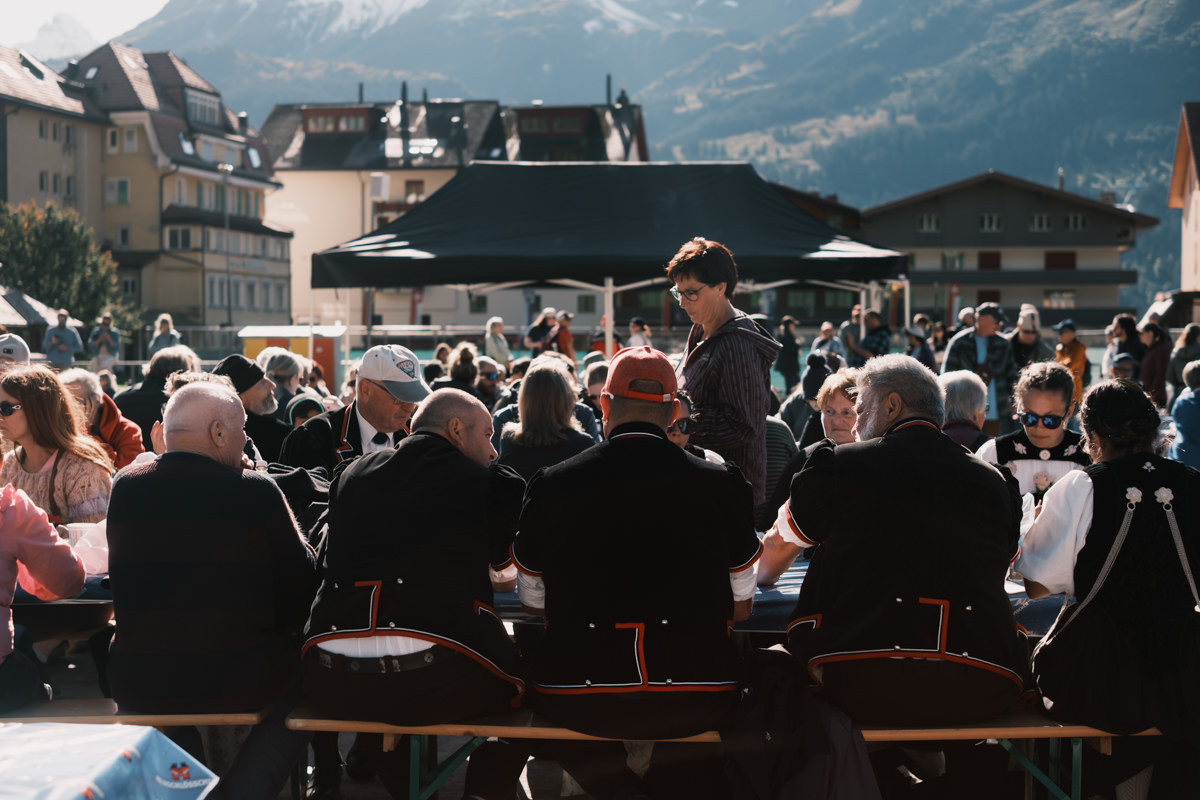
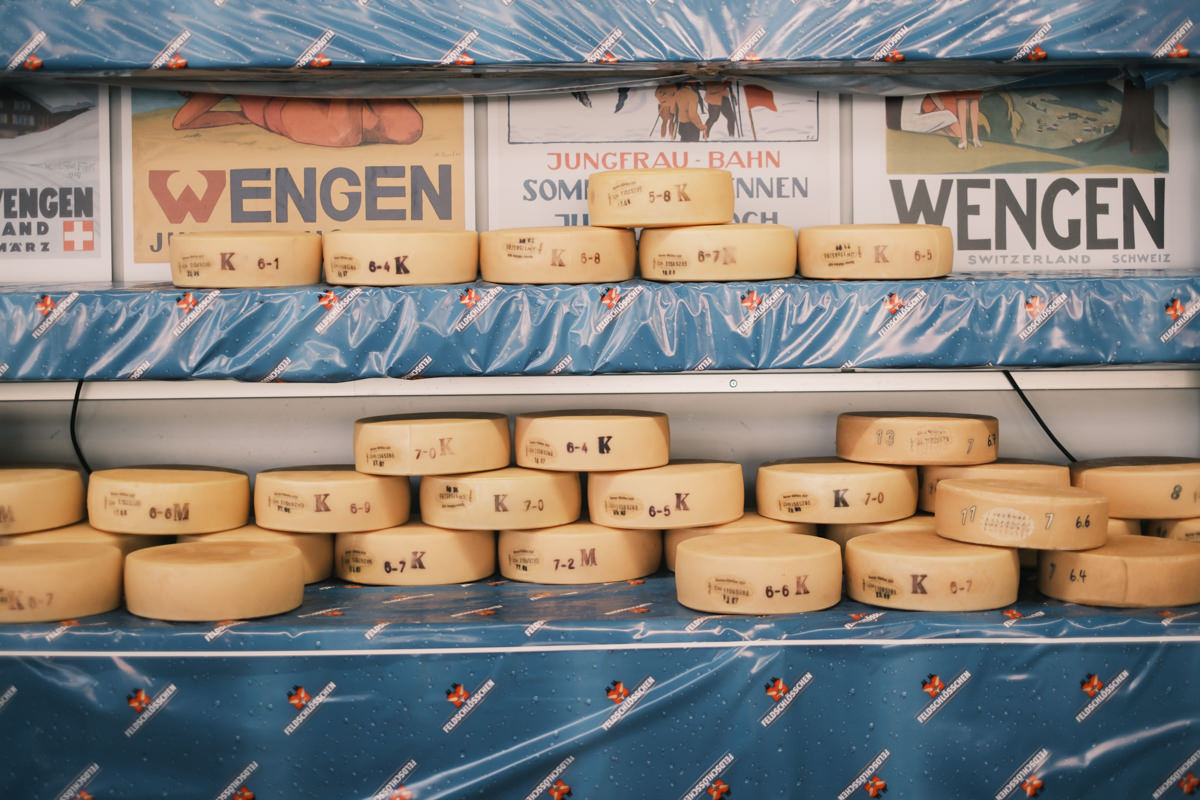
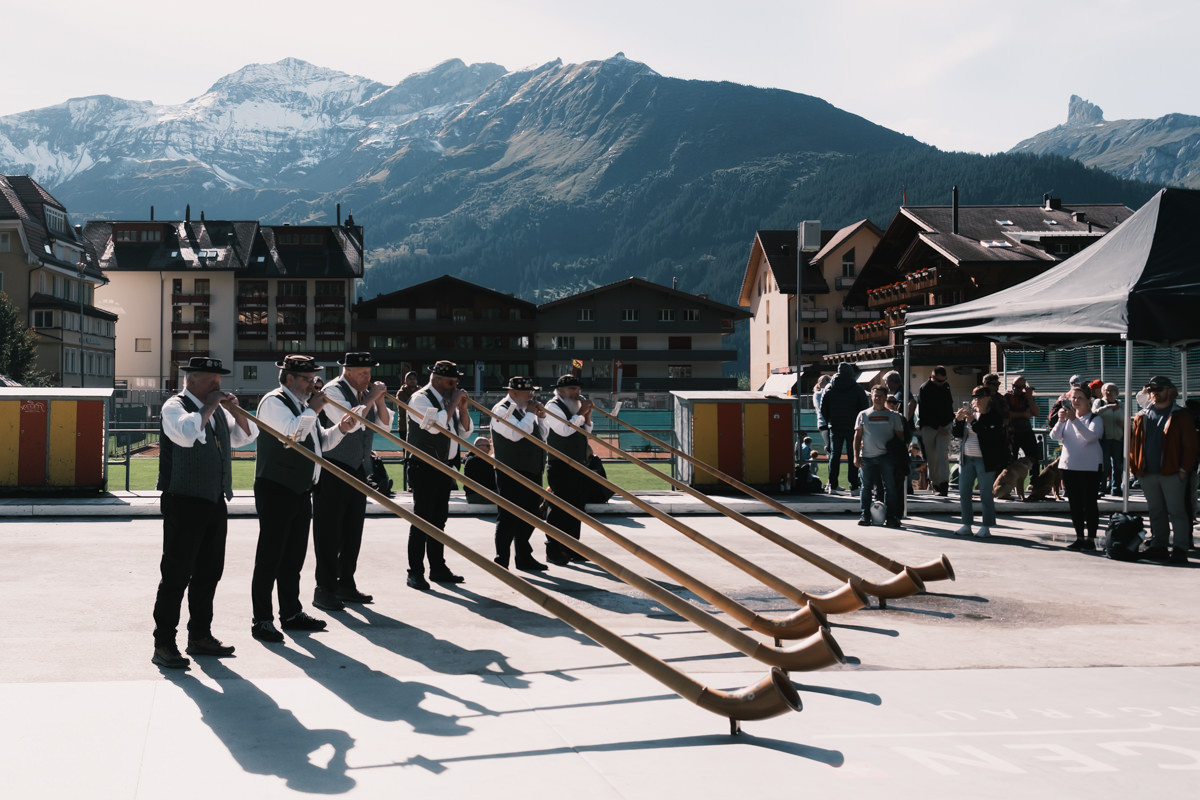
This was an unexpected surprise and it was nice to take part in a local event complete with sampling from massive cheese wheels and witnessing the famous alpine horns.
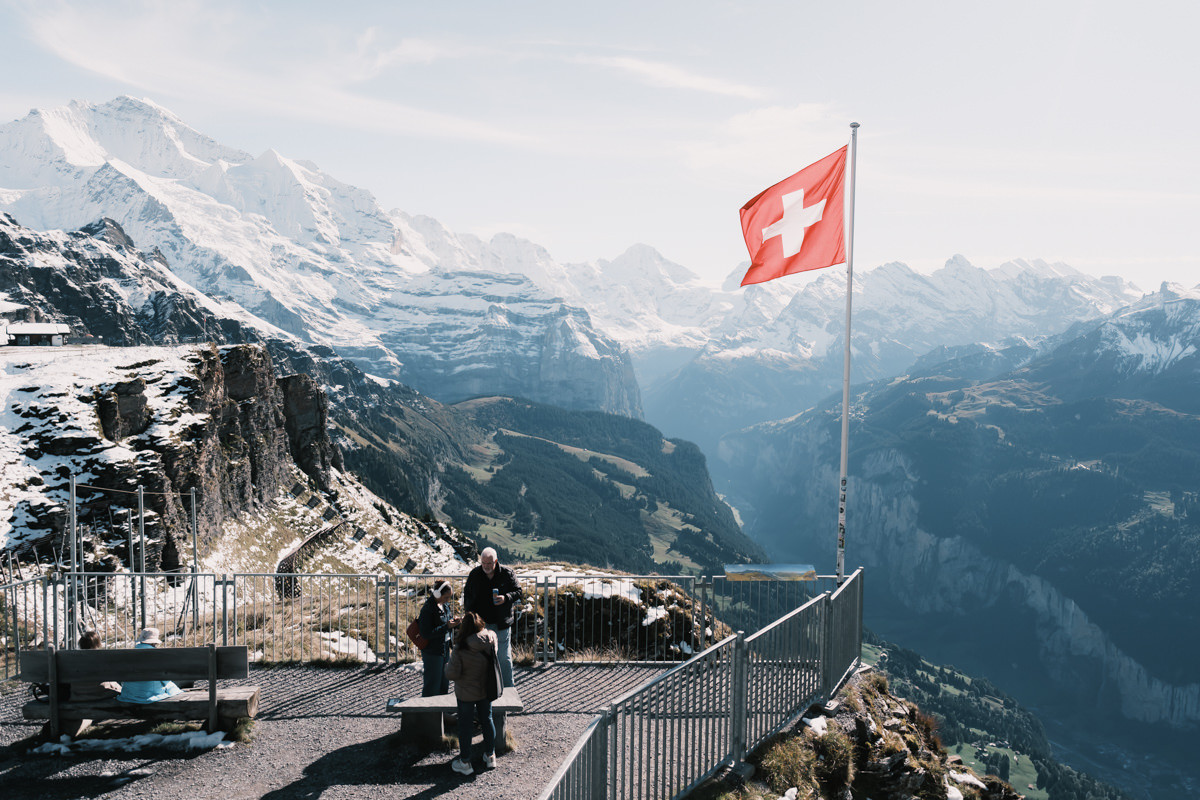
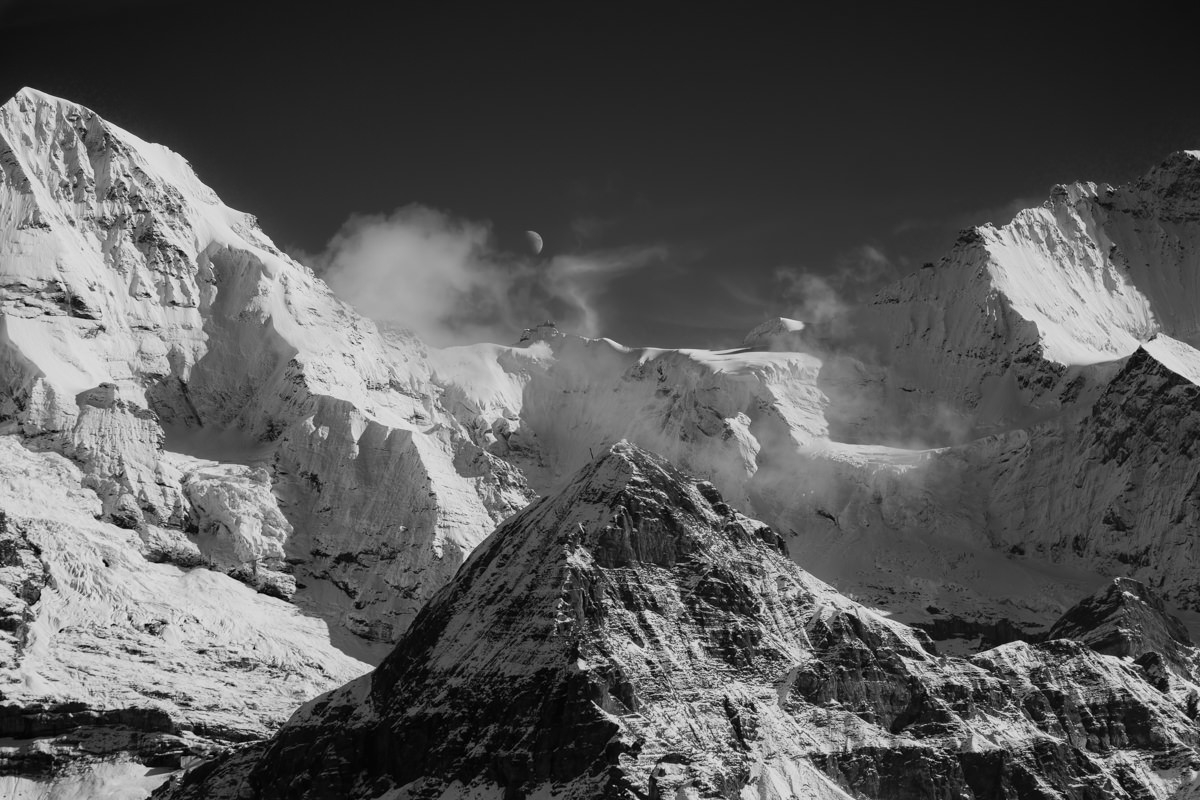
From Wengen, we took the Männlichen cable car to the summit station. You get another great view of the famous mountain range. It’s small, but you can actually see Jungfraujoch from here. We did the Royal Walk here, a short 1.1 mile (1.7 km) round trip walk uphill to get a 360 view of the valley below.
I got one of my favorite shots of the trip here with the mountains, Jungfraujoch, and the moon all together.
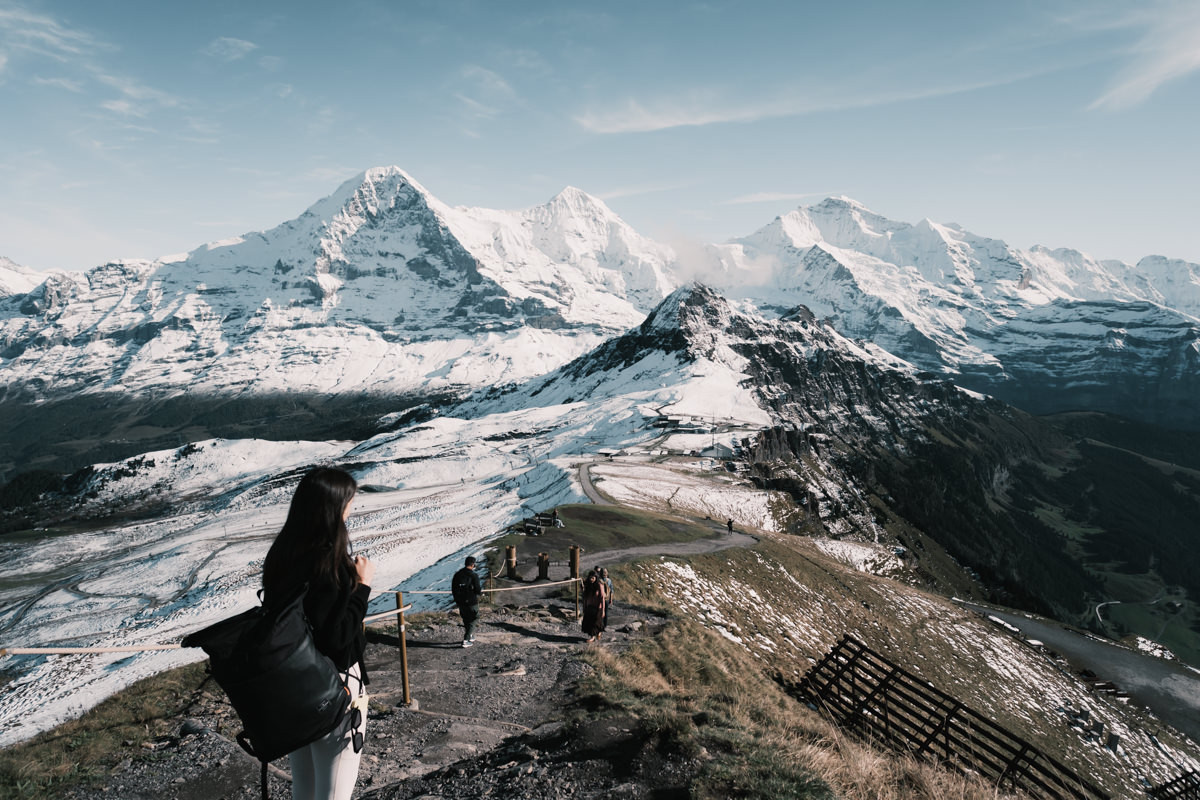
You can also do the Panorama Trail to Kleine Scheidegg (4.5 km) from here. We regrettably didn’t have time for this, but it was high on our list. It was easy to get back to Grindelwald from Männlichen since there’s a beautiful scenic gondola ride straight down to Grindelwald Terminal.
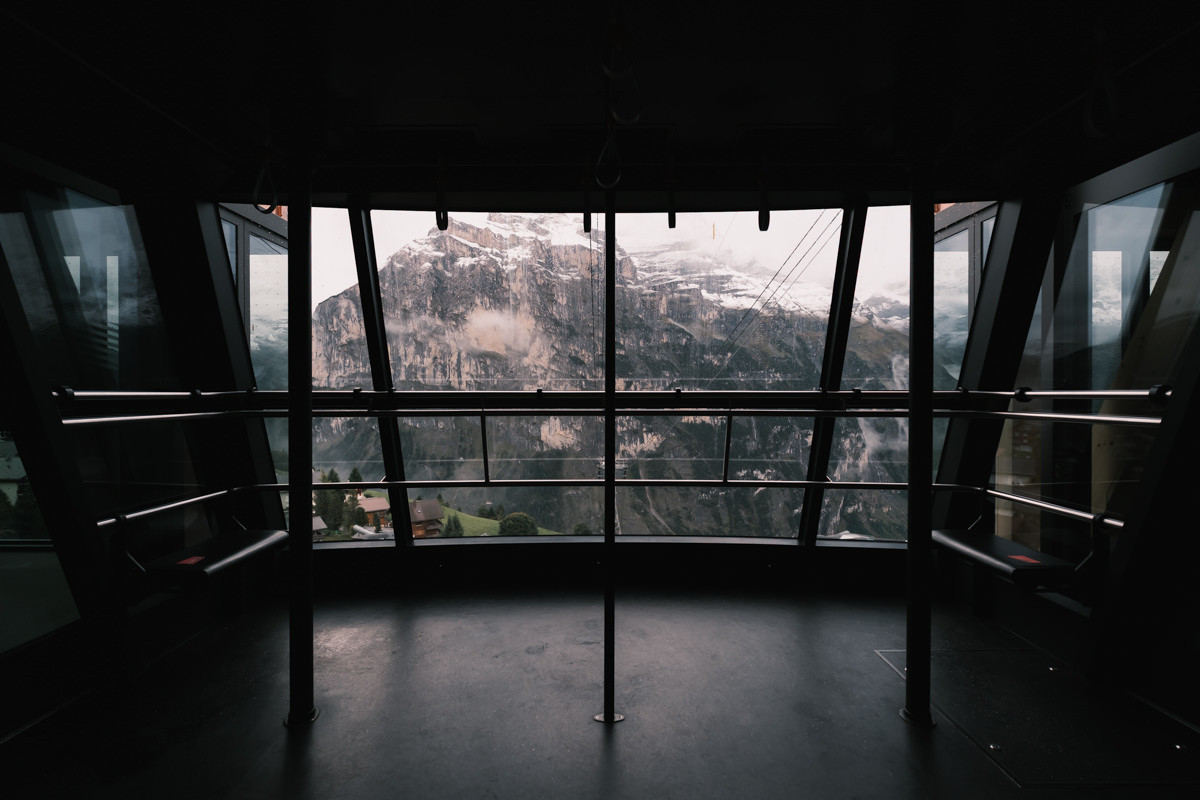
When we got back here, we saw that the Eiger Express was still running. This would have been the way up to Jungfraujoch by getting up to Eigergletscher and then transferring to the Jungfrau Railway for the cogwheel train leg up to Jungfraujoch. We knew it was too late for Jungfraujoch, but since our pass included the Eiger Express, we decided to take it up for the experience anyway.
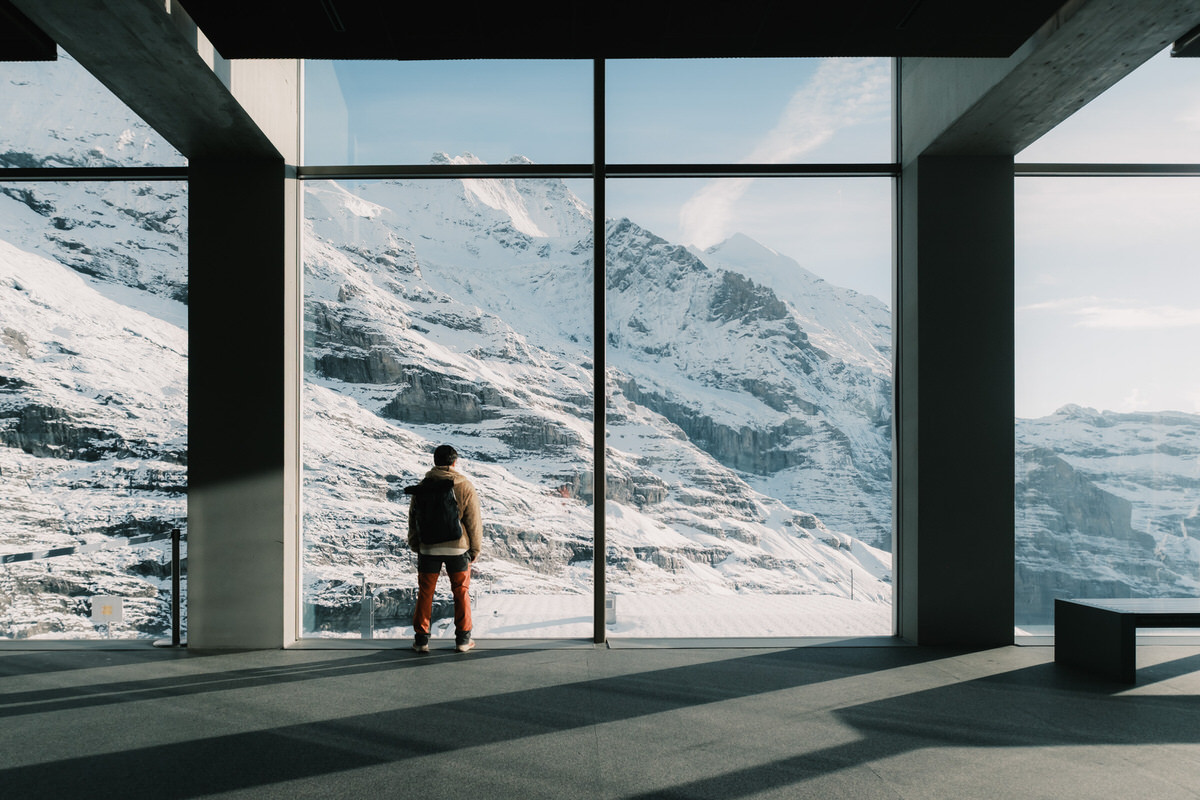
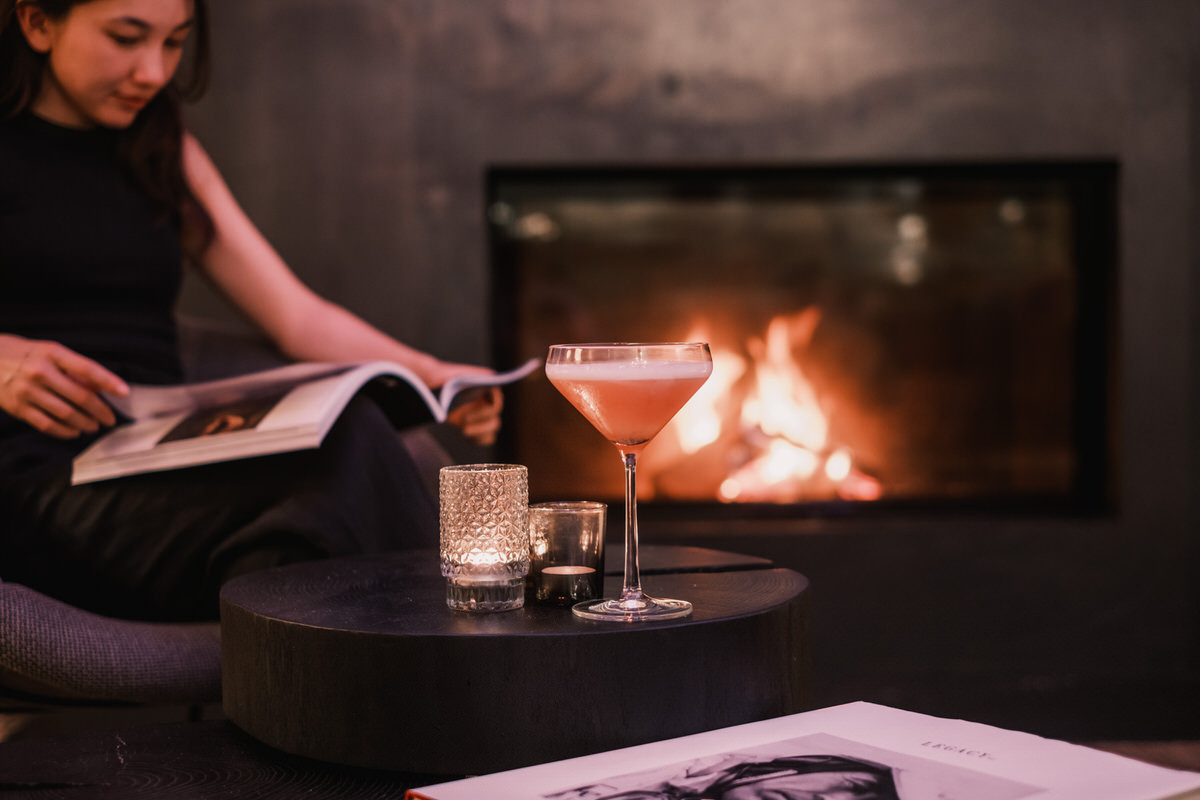
Back at the Aspen Alpine Hotel, we celebrated our engagement with cocktails and an amazing dinner at the hotel restaurant.
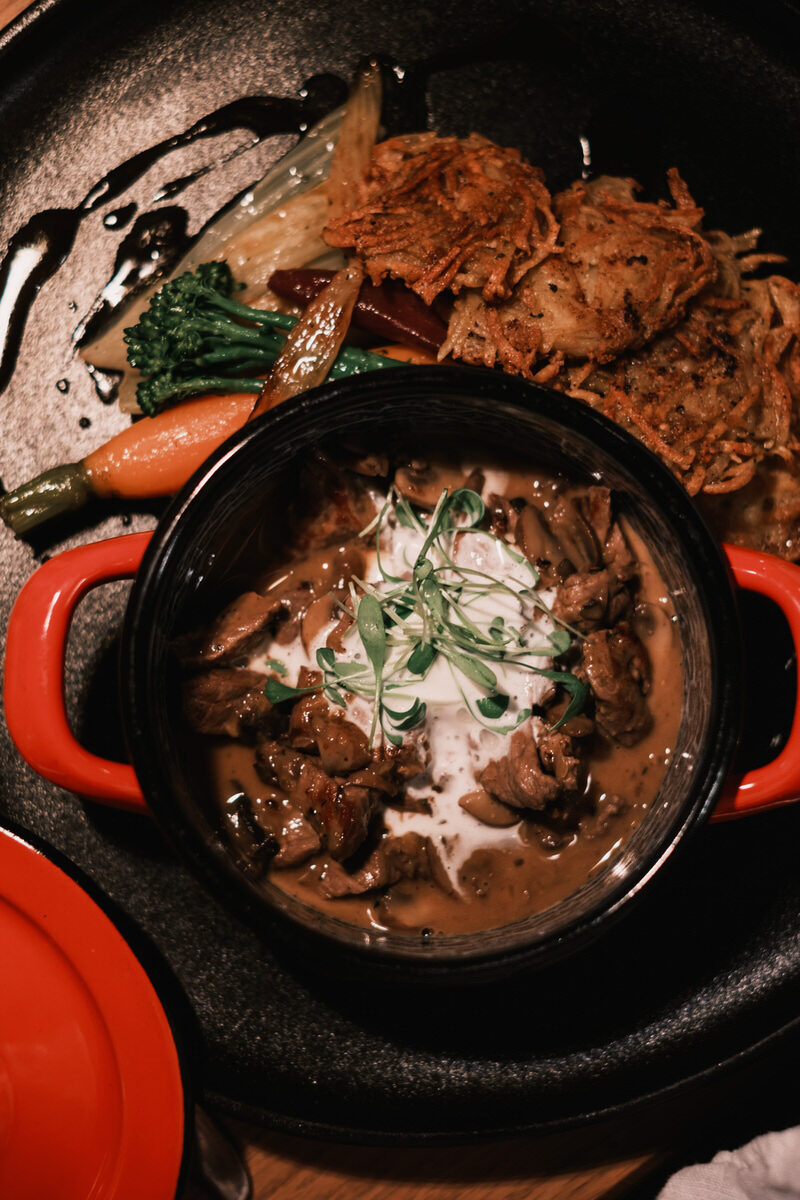
Day 5: Breakfast and Onwards To Leukerbad
Our last day in the Jungfrau region was capped with another amazing breakfast with freshly baked croissants at the hotel and a morning soak in the hot tub before we started for a trip to Leukerbad.
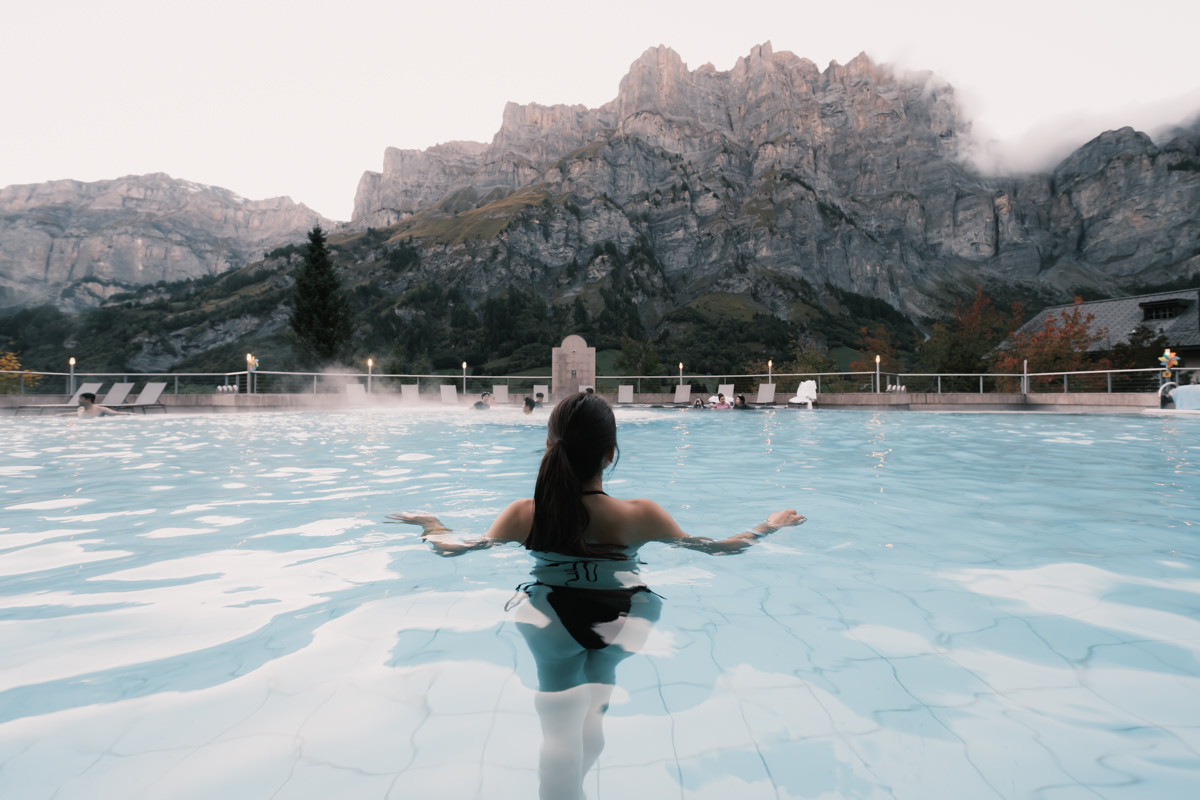
This is another mountain gem that you should put on your radar since it’s more of a thermal baths destination for Swiss tourists and those who prefer to escape the crowds while still having a similar spectacular mountain backdrop. It’s also home one of the coolest Via Ferrata routes in Switzerland.
You can also check out my full write-up on the best things to do in Grindelwald + day trip options.
What We’d Do Differently (Or What We’d Do Next Time)
If we were doing this trip again, the easiest change would be to add in at least a full extra day from the start.
Mainly as a weather buffer, but also to allow time for other itinerary changes because we came across local events once we were there, like the alpine cheese festival in Wengen. Missing our original via ferrata window because of the rain created a small domino effect that eventually cost us Jungfraujoch entirely, and still the one thing I deeply regret, especially since our passes already covered it.
We’d have also considered adding time for Schilthorn (a must for James Bond fans), Aare Gorge and Reichenbach Falls (Sherlock Holmes fans). We were right there, but they just kept losing out to bigger name attractions (FOMO) when it came down to time.
Lastly, when we were up in First Mountain, the weather actually prevented us most of the activities like the First Flyer, Trotti Bike, and Mountain Cart. We were at least able to do the Eagle Flyer, but having more free time meant we could have just chilled and waited for the weather to clear, which it eventually did, but we were already moving on.
Same with the paragliding. It was raining on the day that we were planning to do it.
We fixated on the main attractions, but we could have and should have built in time for the Lake Bachalpsee hike, Schynige Platte-First hike, and some rock climbing.
Grindelwald/Jungfrau Quick FAQ
- How many days do you realistically need in Grindelwald? Four to five days is enough to cover the highlights, First Mountain, the Glacier Canyon, a day trip to the via ferrata, and either Jungfraujoch or Mannlichen. Add a day or two if you want to also fit in Schilthorn or Aare Gorge, or if you want a genuine buffer for weather.
- Is Grindelwald or Interlaken better to stay in? Grindelwald, if your focus is the Jungfrau region specifically. Interlaken is bigger and closer to the lakes, but it adds a commute to nearly every day of activities. See the full base breakdown above for how Lauterbrunnen, Wengen, and Mürren/Gimmelwald compare too.
- Do you need a car for Grindelwald and the Jungfrau region? Not really. We did the entire trip on public transport and gondolas, and only wished we had a car once, for Aare Gorge. Most of what you’ll want to do here is accessed by train, bus, or cable car anyway, since a lot of the terrain simply isn’t drivable. It might be worth it if you’re traveling onwards with multiple people an
- How do you get from Geneva Airport to Grindelwald? By train, with at least one transfer depending on the route (through Spiez and Interlaken, for example). It’s a scenic ride and part of the fun, but budget a good chunk of the day for it if you’re doing it in one go.
- What is the Swiss Travel Pass, and when is it actually worth it? It’s a pass covering trains, buses, and boats across the country, with discounts (not free entry) on many mountain excursions. It’s worth it if you’re covering a lot of ground across multiple regions of Switzerland. If you’re staying focused on just the Jungfrau region, a regional pass is usually the better fit. (I’m planning a separate article specifically on when the Swiss Travel Pass makes sense.)
- What’s the difference between the Swiss Travel Pass and the Jungfrau Travel Pass, and do you need both? The Swiss Travel Pass covers broader national rail travel with discounts on regional excursions. The Jungfrau Travel Pass covers unlimited travel within the Jungfrau region specifically, including many of the mountain trains and cable cars, though notably not everything (the Grindelwald Glacier Canyon and a few local bus routes aren’t included, for example). If you hold a Swiss Travel Pass already, you get a discount on the Jungfrau Travel Pass. Whether you need both comes down to your itinerary. If most of your excursions are within the Jungfrau region, the regional pass alone is often the better value.
- How long does it actually take to visit Jungfraujoch? Longer than most sites tell you. The commonly quoted range is 1 to 3 hours, but budget the full 3 hours if you want to see the Ice Palace, Sphinx Observatory, and Aletsch Glacier viewpoints without rushing.
- Is Jungfraujoch worth it? We didn’t make it there ourselves, which is exactly why I can’t tell you to skip it. Everyone we spoke with who went called it a highlight. Just don’t treat it as a quick stop.
- What’s the difference between First Mountain and Jungfraujoch? First is lower, more activity-focused (ziplines, gliders, hiking to Bachalpsee), and quicker to access from Grindelwald. Jungfraujoch is higher altitude, more of a bucket-list scenic destination with the Ice Palace and glacier views, and takes considerably longer to visit properly.
- Is the Grindelwald Canyon Swing scary or worth it? Both. It’s a genuine adrenaline moment, a 90-meter free fall before swinging out at high speed over the gorge. We thought it was absolutely worth doing.
- What is the First Cliff Walk? A walkway that extends out along the cliff edge at First Mountain with a viewing platform at the end. It’s more of a scenic lookout than a thrill activity.
- Is the Mürren-Gimmelwald via ferrata difficult, and do you need experience? It’s rated K3, moderate on the standard difficulty scale, and doesn’t require technical climbing experience. What makes it demanding is mental, not physical, specifically the exposure on the cliffside sections and the suspension bridge near the end.
- Do you need a guide for the Mürren-Gimmelwald Via Ferrata? Not strictly, if you’re reasonably comfortable with heights and exposure. If it’s your first time doing anything like this, a guide is a smart call.
- How do you get to Mürren and Gimmelwald? Either the cable car from Lauterbrunnen to Grütschalp followed by a scenic train into Mürren, or a bus to Stechelberg followed by a cable car up through Gimmelwald.
- What is the Schilthorn known for? Its revolving restaurant, Piz Gloria, which appeared in the 1969 James Bond film ‘On Her Majesty’s Secret Service.’ It also offers one of the widest panoramic views in the region, over 200 peaks on a clear day.
- Is Grindelwald expensive? Switzerland in general isn’t cheap, and Grindelwald is no exception, especially for accommodation and mountain excursions. Half board at alpine hotels helps offset some of the cost of eating out, and a well-chosen travel pass can meaningfully cut down transport costs.
- What’s the weather like in Grindelwald in September? September is one of the better months to visit, generally clear with fewer crowds than peak summer, but forecasts can shift quickly regardless of season. Build in a weather buffer day if anything on your itinerary depends on clear conditions, like a via ferrata or a mountain summit visit.
- Is there a supermarket in Grindelwald? Yes. Grindelwald, Wengen, and Lauterbrunnen all have reasonable grocery access. Even smaller villages like Mürren have a small COOP. Just note that hours can be limited in smaller towns, some shops close as early as 7pm.
Final Thoughts
I hope this helps with your planning. You’re in for a treat. Main thing I’d leave you with is to have some extra time. There are lots of places to visit and plenty to do at each location, so don’t feel like you have to hit every place on the list.
We wished we had even more time to do more of the hikes. If hiking is more of what you’re looking for, I recommend checking out the Jungfrau Hiking Guide and then download the free offline maps from maps.me or Alltrails if you have a subscription. They’re great for areas where you lose reception.
Updated on July 29, 2026