Leukerbad: First-Timer’s Guide (2026) To Valais’ Famous Thermal Bath Town
Leukerbad: First-Timer’s Guide (2026) To Valais’ Famous Thermal Bath Town
Featured On
Disclosure:This post may contain affiliate links, which means I might earn a small commission, at no cost to you, if you make a purchase. I curate and only recommend products and services I would use or book myself.
Leukerbad is an open secret. Sort of. For Europeans, it’s hardly a secret at all. With 250,000 visitors a year, it’s been famous for a long time. Just not to you, probably.
The Romans visited as a thermal bath destination over 2000 years old. It has welcomed organized tourism since 1501 and even Mark Twain came for a bath back in 1878. So yea, Swiss locals, German road trippers, and French families all know about it. Even the Koreans have picked up on it in a big way following their favorite K-dramas that have turned Switzerland into something of a pilgrimage destination for fans.
But for most Americans and a lot of other international visitors, Leukerbad probably doesn’t show up on the radar. It’s all Zermatt, Interlaken, and St. Moritz. So people fly in, swarm to the popular spots, and fly home without ever knowing this place exists.
We had just finish an incredible trip around Grindelwald and the Jungfrau region, hiking, swinging through canyons, and somewhere off the side off a cliff, I proposed to my partner and succeeded in not dropping the ring into the Lauterbrunnen Valley 600m below.
But before flying home out of Geneva, we wanted to end the trip somewhere slower just to take it all in.
Spoiler alert. We got in the relaxing part, bathing in all three of the town’s famous thermal baths. But there were so many things to do here that we could not ignore them all. So yea, we also hiked through a thermal canyon, rode a gondola through the clouds to a hidden lake, and held on for dear life on a Monster Trotti bike down from a mountain.
We spent about 48 hours here (you should stay longer), but packed in an itinerary that felt much longer. And while we didn’t do everything, I feel like we got a great sense of the town, especially with quality advice from Leukerbad Tourism Board and a couple of locals we met in town.
Side note: everyone was really friendly here.
So, this is a bit of a long article, but you can jump to the sections you need if you’re thinking about or planning a trip to Leukerbad.
Leukerbad one of Switzerland’s top alpine thermal bath towns that sits at 1,411 meters in the upper Valais region. It’s neatly tucked between a couple of dramatic mountains. The Gemmi rock wall towers over one side while the Torrenthorn sits across on the other. A thermal canyon cuts through the town all the way to the end of the Dala Gorge. People have come for the thermal waters since the 4th century BC.
It sits almost exactly halfway between Grindelwald and Geneva, which made it a perfect stop on our trip.
The village feels like a lived in village, with alleys and corners, and a proper residential area instead just one long commercial block. And I might have been taken in a bit by its charm, but it doesn’t feel like a place that only exists for tourists.
How To Get To Leukerbad
There’s no direct train into the village, but you can take one of the main SBB lines to Leuk, which is easily accessible from most cities. From there, the 471 bus (Leuk Leukerbad Bus Reisen) takes about 30 minutes up the scenic mountain route and drops you right in the center of town. The bus runs hourly.
From Geneva: About 200 km away. By train, it’s a direct 2 hours and 10 minutes to Leuk. Takes about 3 – 3.5 hours with the bus connection. By car, take the A1 toward Lausanne, then direction Sion/Sierre, exit at Leuk and follow the signs up the mountain to Leukerbad. It’s about 2.5 hours by car.
From Bern: About 122 km away. Take the train to Visp and connect to Leuk, then the bus. Generally a little over 2 hours total. Driving takes about the same time if you take Route 12 towards Montreux. Alternatively, you can take the A6 and use the BLS car shuttle (you put your car on a train) through the Lötschberg tunnel from Kandersteg to Goppenstein, saving you a mountain crossing.
From Zurich: About 235 km away. It’s slightly faster by train than to drive from Zurich. Take the train to Visp and connect to Leuk, then the bus. A little over 3 hours. Driving takes a little longer, depending on whether you head to Bern and take Route 12 or the A6 + Lötschberg tunnel car train.
From Interlaken: About 95 km away. Train to Spiez, connect to Visp and connect again to Leuk, then the bus. A little over 2 hours. Driving is a little under 2 hours by way of Spiez and then taking the Lötschberg tunnel car train.
Can you drive into Leukerbad?
Yes. Unlike some Swiss mountain villages, you can drive directly into Leukerbad. That said, you don’t need a car once you’re there. The village is completely walkable and the free local Ringjet bus connects the main points in town including both cable car stations.
The Dala Gorge Thermal Canyon Walk is one of the gems of Leukerbad, completely free, and a the best way to get acquainted with this place, since the route takes you across the town to the start of the canyon.
The path is a steel walkway built right into the canyon walls and runs 600 meters through the Dalas Gorge.
This is where you believe and put your trust in the whole Swiss-made quality thing.
Along the way, there’s a little hand crank you can use to pull warm thermal water directly from the springs back up.
Near the end, a network of stairs and bridges takes you past a 35-meter waterfall viewpoint, where you can almost feel the rushing water up close. We took the alpine trail that runs alongside the canyon for a leisure return through a lovely meadow. From the town, give yourself about 1 – 1.5 hours to complete the whole thing.
We did it in the late afternoon and the light in the gorge was amazing.
2. The Gemmi Pass
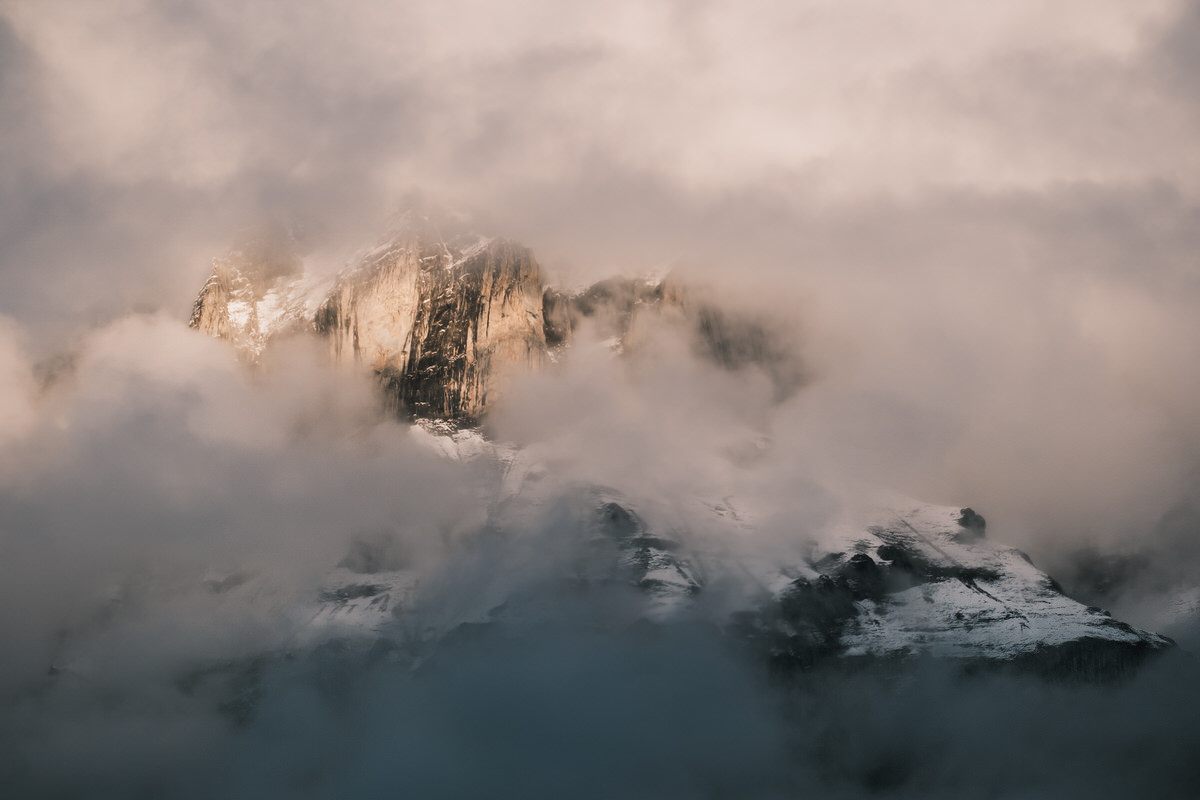
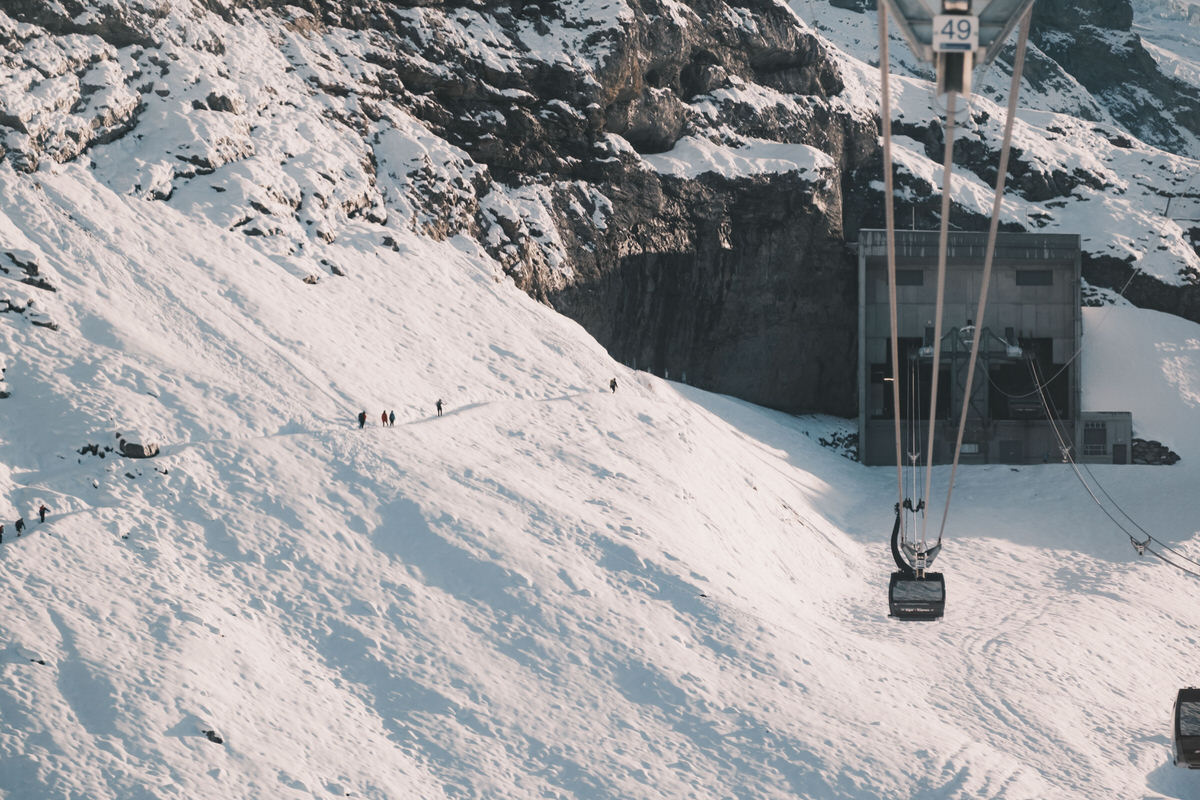
The Gemmibahn cable car can be one of the first things to do after you get to Leukerbad. It takes you from the village floor straight up into the wall of rock above, sometimes directly into a thick wall of cloud, like we experienced. Almost zero visibility the whole way up. Then, somewhere near the top station, we punched through into blue sky and sunshine.
At the Gemmi View, which hangs over the cliff edge, you get a clear view down into the village. When we first arrived, it was completely hidden by the layer of clouds.
In less than an hour the clouds parted, and it felt like we’d just been to two completely different places.
The pass sits at 2,350 meters and here, you’ll find one of the photo spots on the Grand Tour of Switzerland route, marked as ‘Gemmi 2350.’ The Daubenhorn at 2,942 meters (9,652 feet) is visible here and is the destination for those doing the K5/K6 rated via ferrata Klettersteig. More on that below.
Here, you’ll also find the Gemmi Lodge restaurant and hotel perched right on edge of the pass. The panoramic restaurants has been family-run for three generations, seats up to 200, and the kind of place you want to sit down and eat something even if you’re not hungry.
You can also stay the night at the Gemmi Lodge, with the cable car ride included for guests. I’d imagine waking up above the clouds here is something else.
3. The Daubensee Lake
On the far side of the Gemmipass, the Pendelbahn Daubensee lift takes you down to the Daubensee, an alpine lake hiding at 2,200 meters. It’s a shallow lake, draining through the rocks and essentially disappearing for winter. In the spring, snowmelt fills it back up.
We went there in September and the water levels were a bit low, but it was still worth it to hike around. There are a couple of routes around the lake that can fill up a solid two hours. The western route goes farther and you might even find yourself crossing into the canton of Bern without knowing it.
4. Lämmerenhütte
There’s also the hike to the Lämmerenhütte, a Swiss Alpine Club (SAC) mountain hut at 2,501 meters. It’s a 9.3 km hike that takes a little over 3 hours.
The trail starts at the Gemmi Pass, and follows a glacier path and riverbed across high alpine terrain. The final approach to the hut is a steep well-marked zig-zag path up a 200m path.
I have to mention this about this even though we didn’t do it, because it’s one of the defining things about Leukerbad for the extreme adventurer.
The Daubenhorn Klettersteig via ferrata is the longest via ferrata in Switzerland. It’s rated K5 to K6 on the Swiss scale, which is classified as extremely difficult. Point of reference. I did the via ferrata in Mürren-Gimmelwald, which was tiring but manageable as long as you are ok with exposure. That was a K3. This one is a completely different category, where you’ll need to be very confident in your strength, endurance, and ability.
The full Klettersteig via ferrata route covers 2,000 meters of fixed steel cable and 216 meters of ladders, some of them overhanging. Total vertical gain is around 1,150 meters and it takes 8-10 hours start to finish.
You start from the Gemmipass station, about 20 minutes on foot to the entry point. The descent comes back down via a small glacier to the Lämmerenboden and then by trail to the Gemmi cable car. You can find more information about the hike here.
6. Gemmipass Adventure Wall Via Ferrata
I probably should have started with this one. If you don’t want to do the 10 hour K5 extremely difficult via ferrata, it’s understandable. But you can still experience a part of it.
There’s a shorter section cover 782m running along the rock wall below the restaurant. You start at the Gemmi Pass and end up climbing out right by the Gemmi Cable Car station.
This was definitely more in line with what we did with the Mürren-Gimmelwald via ferrata. Both are rated K3 for moderate difficulty.
There’s a 65m rope bridge and a 20m vertical spiral ladder climb that’s worth doing just for the photos.
I wished we knew about via ferrata adventure beforehand, because we would have definitely made time for it.
You can read more about the adventure wall here. It’s free to enter, but a donation to the IG Klettersteig association is appreciated for maintenance. You can rent proper via ferrata gear at the Gemmi Cable Car station or in town at the Nordlys Sport.
If you’re not doing it, the Gemmipass is a good spot to watch people who are attempting it, since you can see climbers on the wall from the view point and in the outdoor sections of the restaurant.
7. Torrenthorn
On the opposite site to the Gemmipass and Dauben horn is the Torrenthorn.
The Torrentbahn gondola takes you up to the Rinderhütte at 2,312 meters. Completely different feel here. In winter, this is you’ll go for the ski terrain.
Up here the views open onto a lineup of Valais 4000m peaks. On a clear day you can see from Mont Blanc all the way to Weissmies. The panorama restaurant at the Rinderhütte is, according to our new local friend, the place to put on your list if you want a meal with THE view. Unfortunately, it wasn’t open when we visited, so check ahead seasonally.
From Rinderhütte you can do a moderate difficulty hike on towards the summit of the Torrenthorn itself at just under 3,000 meters, for the 360-degree view from the top.
It’s about 1.5 kilometers further along the ridge and takes roughly 3 hours to complete the 6.8 km loop from the gondola station. You can find more information about the hike here.
8. The Panoramaweg Hike to Torrentalp
We didn’t get to this one, but it on our recommended list from the start. The Panoramaweg is an easier one way 3.7 km trail from the Rinderhütte that follows the south face of the Torrenthorn and works its way down toward Torrentalp. It takes about 1. 5hours and you get views across the Rhône Valley for most of the way.
For a full list of summer hikes and biking routes, the Leukerbad official site has a great summer and winter activities guide. I covered a lot of the highlights if you have 2-3 days, but if you have a full week, there’s plenty of outdoor activities to do.
9. Take A Monster Trotti Down From Rinderhütte
This one I was not expecting to enjoy as much as I did. So a trotti bike is sort of like a full-sized adult scooter. Not one of those electric ones you rent in the cities, but a plank with two wheels and a long handle. It’s like a bike without a seat.
We were supposed to do a Trotti bike down part one of the legs from First Mountain back to Grindelwald. Unfortunately, the snowy conditions prevented that. Crazy to have to worry about snow in September right? But that’s part of the unpredictable weather you should expect when visiting Switzerland.
So when you’re done with the Rinderhütte, you can rent a Monster Trotti to take the switchback trail back to town. No need to take the gondola back down.
What makes this Trotti a ‘monster’ is the swapping out of the normal tires with giant oversized, deeply treaded tires and proper brakes so you can take it on the rocky uneven trails.
There are two routes down. The one we took goes directly back into Leukerbad, winding down the switchbacks and passing through parts of the ski tunnel network along the way. The other route goes toward Flaschen, a mid-station with a restaurant stop, and from there you’d need to take the bus back.
If you want to go straight back to the village, take the first route like we did.
Is The Monster Trotti Hard To Ride?
Depends. If you can ride a bike and you’re comfortable balancing yourself upright, you should be fine. But don’t overestimate your own fitness level and abilities.
A few things to know going in: it’s bumpier than it looks. Some sections are paved, some are not. I recommend staying relaxed with a firm, but not too tight grip on the handlebars. Also, don’t fight the micro movements of the handlebars. You will definitely feel it during and after if you grip on too tightly.
Brake earlier and more gently than you think you need to. It’s tempting is to let it go on the downhills but you pick up speed faster than you realize, and then you’re hard-braking and no one wants to go flying over the handlebar.
Take it slow and enjoy the fresh air. This was one of our favorite activities.
Skiing in Winter
Leukerbad is a proper ski resort, not just a thermal town with a couple of lifts. The Torrent ski area has around 55 kilometers of pistes, 13 lifts including 3 gondolas and a high-speed six-person chairlift.
The terrain skews intermediate to advanced. The longest run is 9.7 kilometers and the most technical is the Rinderhalde FIS, which is a World Cup-level descent.
The Gemmi side offers a different winter experience. 16 km of cross-country skiing, snowshoe trails, winter hikes, and two toboggan runs down toward Daubensee called the Gemmiwind and Gemmiblitz.
As of 2025/2026, Leukerbad has joined the Indy Pass network, if you happen to have that.
The Snowpark Sportarena in the village center has five beginner lifts and night skiing, so complete beginners have options here, but this probably isn’t the best resort for someone just starting out.
Is Leukerbad part of the Magic Pass?
Yes. The Magic Pass covers unlimited access to the Gemmi and Torrent cable cars and ski lifts. With the optional Pools add-on, it also covers free entry to all three public thermal baths.
The Three Thermal Baths
The baths are obviously the main reason most people come here. There are three public ones. They’re all fed by the same thermal water, which rises from deep underground, heated by geothermal energy as it travels through the rock bed, collecting minerals like calcium sulphate and calcium carbonate along the way. It gives the water a slightly silky quality that you can feel.
How Much Is Entry To The Baths?
Leukerbad Therme: CHF 33/39 for adults (3-hour session/full day) or CHF 28/33 with the Guest Card. Sauna admission is CHF 25.
Walliser Alpentherme: CHF 33 for adults (3-hour session) or CHF 28 with the Guest Card. This does not include admission to the sauna village or the Roman-Irish Bath. That’s a separate fee you pay there.
Therme 51: Free for hotel guests from 2 pm (arrival day) – 2 pm (departure day). CHF 25.5 with adults with Leukerbad Guest Card and CHF 30 without. You need to make a reservation for a time slot if you’re not a guest, but they may take walk-ins if it’s not too busy.
Which Thermal Bath Is The Best?
If you have time, why not visit all three. We did.
Practically speaking, they are quite different from each other and tailored to a different crowd.
Walliser Alpentherme
This was the first one we did, after arriving in the afternoon. I didn’t plan it, but we ended up timing sunset almost perfectly, to the last light of the day.
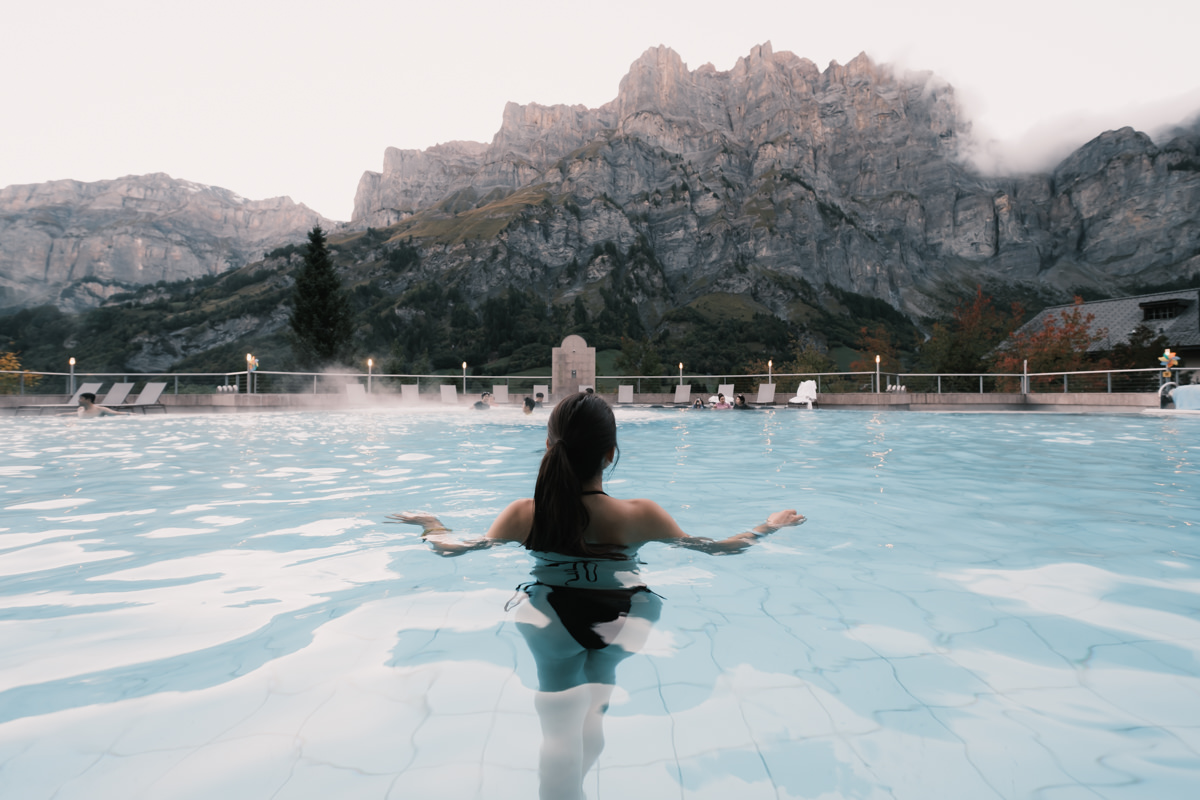
There’s one large indoor pool and then you walk outside to another pool, and that’s where the view hits you. The full Gemmipass wall right there dwarfing the horizon behind the pool.
The Alpentherme skews more adult and upscale compared to the Leukerbad Therme. There’s also a Roman-Irish bath circuit here, a sequence of progressively heated rooms and steam chambers modeled on ancient bathing traditions, worth doing if you have the time.
There’s also a separate sauna village that requires a separate admission.
Therme 51
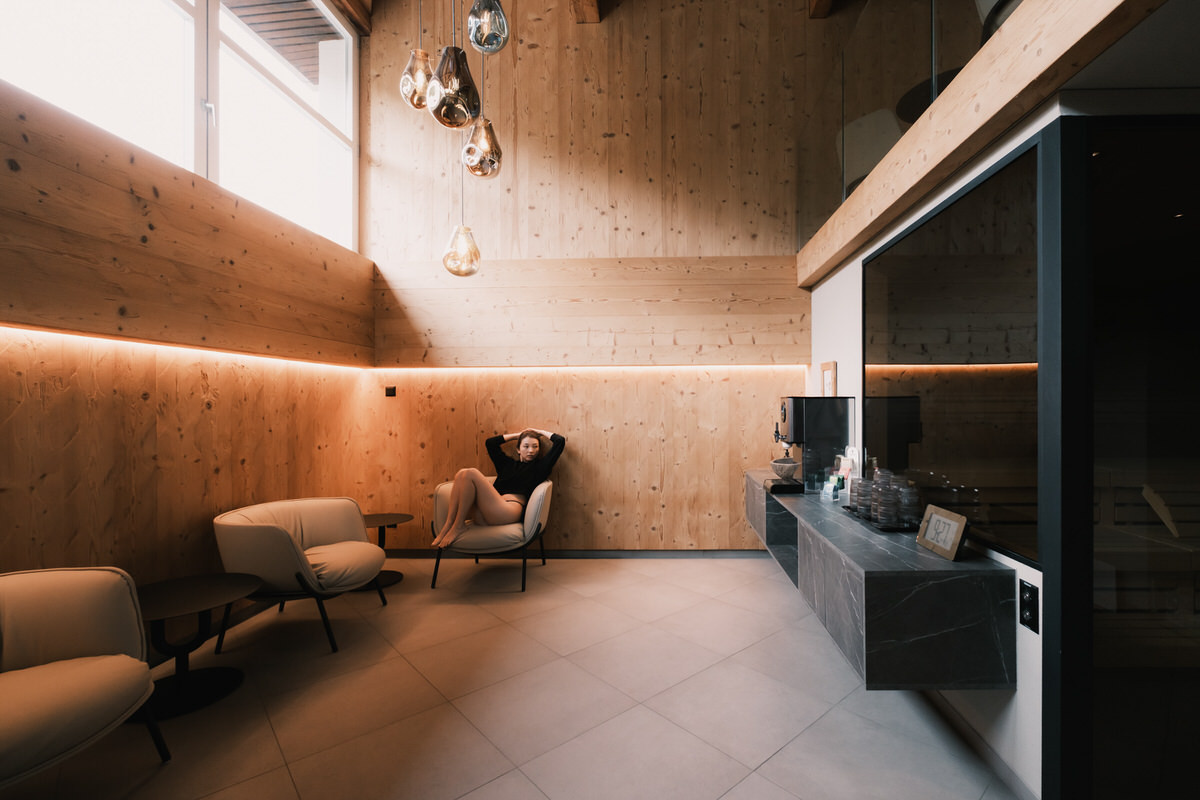
This was the second bath we visited, belong to the Therme 51 hotel, and probably the most refined of the three. Indoors, there’s a calm indoor relaxation pool at 36°C, sauna, steam, and relaxation lounge.
Outside, are a few pools looking up at the Daubenhorn and Gemmipass peaks, and an ‘infinity’ pool that looks right onto the main street in town. And the street looks right back at you. A little strange that one, but we got used to it.
There’s also wooden barrel tub running at 42-44°C that gets continuously refreshed with fresh spring water and a cold plunge for you to get that contrast therapy.
You need to make reservation here if you’re not a hotel guest, so that’s a bit of crowd control. There were only a couple of other people there when we visited. It was amazing. I feel like it’s quieter and more curated than either of the other two. Smaller overall, but that works in the bath and its guests’ favor.
Leukerbad Therme
We spent a few hours here the morning we were leaving for Geneva. It was by far the largest of the three. A full on bath complex, where we got turned around a few times just navigating between the different floors and wings.
There are ten thermal pools from 28°C to 43°C, a proper Olympic-size swimming pool, indoor and outdoor bathing areas across multiple levels, a couple of water slides, a full sauna complex, and several restaurants and bars inside. It’s half a day activity at a minimum and clearly the most popular.
Lots of families, a lot of energy, and that’s either a drawback or part of the charm depending on who you are. If you’re doing a family trip, everyone can split up and do your own thing and regroup for a meal. If you’re with a group of friends, the water bar and not so quiet atmosphere might be more comfortable.
If you’re looking for peace and quiet, you can find some corners for this, but one of the other two might be a better option.
Considering all the baths cost more of less the same for entry, it’s easy to feel like you’re getting the most value for your money here.
Is Leukerbad Good For Families?
Very much so. The Leukerbad Therme in particular is built for it, with slides and pools for all ages. The cable cars are family-friendly, the Monster Trotti works well for older kids, and the village is compact and easy to manage with children.
Where To Stay In Leukerbad
The whole town is very compact so it’s quite easy to walk anywhere in center within 10 minutes. Most of the hotels will be clustered around the baths and the train station. If you head north, you’ll find a more residential area with more apartment offerings. It’s all still very walkable.
A few tips and things to consider.
There’s a slight incline as you from the visitor center towards the Torrentbahn, so that’s the only minor thing to consider as far as locations.
The Migros and COOP supermarket is right next the train station.
You should decide if you want or need the hotel to have its own private thermal bath/wellness center or not. I usually look for hotels with this amenity, but if you’re planning to bath in the one of the three public baths while you’re here, that might not be necessary. We stayed at the Quellenhof for that reason.
I found the prices in Leukerbad refreshing lower than so many other popular mountain villages and quite a good deal for Switzerland in general.
Some hotels include entry to one or all the baths and or access to the cable cars in the price of the room. That can save you quite a bit.
We came up with a shortlist of our hotels we were considering before we booked. You can download my spreadsheet here if you’d like.
We stayed at Hotel Quellenhof. It was central, well-priced, and unpretentious. 36 rooms, friendly staff at the desk that were eager to answer our questions and gave us some great recommendations. There’s parking and a nice garden. It’s close to the Walliser Alpentherme, so the evening bath session was an easy walk there and back.
In our search, we also liked the Le Bristol Leukerbad and the Hotel Alex. Both had their own wellness center, which would be nice in the winter if you don’t want to leave the hotel to go to the public baths.
The Hotel Alex also has a cute little lift that takes you directly to the Torrenbahn station in 1 minute. I’d seriously consider staying here if I came back during the winter.
If you’re coming as a group, you might consider staying in one of the apartments north of the center. We really liked the look of the Luxuse Ferienwohnung Flüe 11 in particular.
The Haus Cristal had a good selection of apartments too, especially the ones with the balcony looking out to the mountains. Both charge one time cleaning fees, so it’s better for longer stays to spread the cost.
The lowest priced and most interesting option we found was the Campingplatz that had barrel-shaped concrete rooms and mobile home rooms. The barrel rooms looks kind of cool with the wooden door open, but I wonder if it would be claustrophobic once it was closed.
There’s also the Therme 51 hotel that’s attached to the Therme 51 baths. As a guest, you get unlimited access to their baths, but it’s a bit pricier than the other options. Similarly, there’s the Hotel Alpenblick that’s next to the large Leukerbad Therme. Guests get unlimited access to that thermal bath as well as cable car access to the Gemmipass.
Leukerbad Passes
Leukerbad Guest Card Benefits
You get the Leukerbad Guest Card automatically when you stay overnight at a Leukerbad property. You should get it from your host or hotel after checking in. You can contact the tourist information center if you don’t receive one.
It gives you up to 15% off bath admissions across all three, 10% off the cable cars, free access to the local Ringjet bus, and free entry to the Sportarena and use of the Hotel Regina Terme sand tennis court.
What Does The Leukerbad Summer Card and Winter Card Include?
The Summer Card and Winter Card both give you unlimited travel on the Gemmi and Torrent cable cars (including bike transport and ski slopes) and a 3-hour admission per day to one of the three public thermal baths.
With the Summer Card, you can get 3 days for the price of 2, up to 7 days for the price of 4. And it’s not for continuous days, so you can buy a 3 day pass and use it over a week or longer.
The Winter Card works on a dynamic pricing system, so you save money booking earlier, skiing during the weekdays, or during low season.
In general if you’re going to a bath and even one cable car one way, it’s worth it to get the Pass instead of paying individually for each experience.
Is The Magic Pass Worth Getting?
For people living or traveling frequently in Switzerland, the Magic Pass is an annual subscription that gives you unlimited 102 mountain and ski resorts across all the cantons, as well as some in France and Italy.
There’s a Pools Option that gives you access to 18 different thermal baths and swimming pools across the partner resorts.
If you’re just visiting from overseas, it’s not worth getting. If you’re planning to ski a lot in Switzerland, it’s a great value at around CHF 482. A lot less than some of the season passes in the US.
Where To Eat In Leukerbad
There are lots of restaurants in town giving you all the traditional alpine options, along with some international cuisine. A couple of recommendations that were passed along to me.
Rösti at the Gemmi Lodge
If you go up the Gemmipass, eat here. Rösti is a Swiss alpine staple: shredded potato pan-fried until the outside is golden and crispy and the inside stays soft. Simple, filling, and exactly the right thing to eat at 2,350 meters with a panorama of the Alps in front of you. In the Valais, you’ll often find it served with local cheese, cured meat, or a fried egg on top. The Gemmi Lodge keeps it traditional. Order it, eat it slowly, do not apologize.
The restaurant is big, seats around 200, and runs a self-service format where your food comes to the table hot. Family-run, warm, not fussy.
Restaurant Tradition by 1411
Back in the village, this is my pick for dinner. The name references Leukerbad’s long history and the menu follows that spirit: classic Wallis dishes with some Piedmontese influence. Fondue, raclette, rösti again if you want it, lamb shank with purple potato purée, handmade ravioli. They make their own sauces and take the local ingredient thing seriously. Cozy interior, local wines, not the kind of place you want to rush through.
A Few Practical Notes and Final Thoughts
Summer (June to October) is a great time to come for hiking, biking, and the canyon walk. Winter (December to April) for skiing. The baths open year-round, but I’d imagine they would be excellent in the winter after a day on the slopes.
The weather was great when we were here in September. Still, despite being warm in the village we rode straight into the clouds on the Gemmibahn. It was windy and chilly on both mountains. Alps weather is Alps weather. Definitely bring layers and something warm, regardless of the season.
Everything is walkable, and the free Ringjet bus connects the village to both cable car stations if you don’t feel like the walk.
How many days do you need here?
Two days is a minimum to genuinely hit the highlights. I think 3 – 5 days is a sweet spot if you’re here to skip or have a relaxing vacation. If you’re doing a tour across Switzerland, I’d suggest two nights.
We’re very glad we learned about Leukerbad ahead of time, and planned it into our trip before we left Switzerland.
Looking for more travel inspirations? Follow me @hellokien or scroll through some of the 450+ experiences on my bucket list. Maybe you’ll find your next adventure on there.
How You Can Help
If you’ve found the content useful, you can help support this site by using these links when you plan and book your trip.
Kien is an international photographer and filmmaker based in Colorado. He captures his adventures on whereandwander.com with a focus on curated travel advice and storytelling. He is working through his bucket list and wants to help others do the same. Follow him on Instagram @hellokien.
We use essential cookies to make our website work and to optimize user experience on our site. We also set additional cookies to perform analytics, make site improvements, and show curated content. By using our site, you consent to cookies.
This Website Uses Cookies
Websites store cookies to enhance functionality and personalise your experience. You can manage your preferences, but blocking some cookies will impact how the site is meant to look and function.
Essential cookies enable basic functions and are necessary for the proper function of the website.
Name
Description
Duration
Geolocation Config
This cookie is used to store the consent settings based on the visitor's location.
30 days
Cookie Preferences
This cookie is used to store the user's cookie consent preferences.
30 days
Google reCAPTCHA helps protect websites from spam and abuse by verifying user interactions through challenges.
Name
Description
Duration
_GRECAPTCHA
Google reCAPTCHA sets a necessary cookie (_GRECAPTCHA) when executed for the purpose of providing its risk analysis.
179 days
Statistics cookies collect information anonymously. This information helps us understand how visitors use our website.
Google Analytics is a powerful tool that tracks and analyzes website traffic for informed marketing decisions.
Used only with old Urchin versions of Google Analytics and not with GA.js. Was used to distinguish between new sessions and visits at the end of a session.
End of session (browser)
__utmz
Contains information about the traffic source or campaign that directed user to the website. The cookie is set when the GA.js javascript is loaded and updated when data is sent to the Google Anaytics server
6 months after last activity
__utmv
Contains custom information set by the web developer via the _setCustomVar method in Google Analytics. This cookie is updated every time new data is sent to the Google Analytics server.
2 years after last activity
__utmx
Used to determine whether a user is included in an A / B or Multivariate test.
18 months
_ga
ID used to identify users
2 years
_gali
Used by Google Analytics to determine which links on a page are being clicked
30 seconds
_ga_
ID used to identify users
2 years
_gid
ID used to identify users for 24 hours after last activity
24 hours
_gat
Used to monitor number of Google Analytics server requests when using Google Tag Manager
1 minute
_gac_
Contains information related to marketing campaigns of the user. These are shared with Google AdWords / Google Ads when the Google Ads and Google Analytics accounts are linked together.
90 days
__utma
ID used to identify users and sessions
2 years after last activity
__utmt
Used to monitor number of Google Analytics server requests
10 minutes
__utmb
Used to distinguish new sessions and visits. This cookie is set when the GA.js javascript library is loaded and there is no existing __utmb cookie. The cookie is updated every time data is sent to the Google Analytics server.
30 minutes after last activity
Jetpack's built-in visitor analytics. It records page views, referring sites, search terms, and outbound link clicks, and also carries the shared visitor-tracking library used by Jetpack Instant Search and WooCommerce Analytics.