My Private Tour Inside The World’s Oldest Restaurant: Is Madrid’s Botín Actually Worth It?
My Private Tour Inside The World’s Oldest Restaurant: Is Madrid’s Botín Actually Worth It?


Don’t judge me too harshly.
But I secretly enjoyed a moment of quiet satisfaction when we walked right past the line of people waiting by the still-closed doors of Sobrino de Botín, officially recognized by Guinness as the world’s oldest restaurant, and knocked.
One couple looked a bit confused, perhaps annoyed, and started explaining that the restaurant wasn’t open yet and that there was a line. But before the woman could finish her sentence, the doors opened and we were quietly welcomed inside behind our guide.

Fair? Debatable.
Still kind of cool? Yea, a bit.
But this was one the perks of booking the Prado Museum Tour and VIP Botín Lunch experience, put together by Devour Tours, that includes a private visit to the restaurant before it opens followed by a 3 course lunch that may well settle the debate over whether the Botín is actually a tourist trap or not.
And honestly, Guinness recognition aside, you’re still stepping into a restaurant steeped in history, stories, and rumors and eating meals prepared in the same original wood-fired oven that’s been continuously burning for centuries.
It genuinely feels like a living piece of Madrid history.
The World’s Oldest Restaurant… For Now
Founded in 1725, Sobrino de Botín currently holds the Guinness World Record as the oldest continuously operating restaurant in the world.
Even during the pandemic, when Madrid shut down completely, someone was sent everyday to keep the fire alive in the 300-year-old oven.
But two other restaurants are trying to gather the necessary paperwork to prove they’ve been around longer.
Casa Pedro, another restaurant in Madrid, claims to have been opened since 1702, while La Campana in Rome says they go back even further.
Regardless of technicalities and who will ultimately hold the title, Botín has long been a local institution for Madrileños and a bucket-list stop for visitors wanting to say they eaten at the world’s oldest restaurant – myself included.
And in my opinion, despite catering mostly to tourists nowadays, Botín still delivers in a genuine way, from the old recipes down to the decor, dinnerware and crockery that help to transport you back in time.
In other words, Botín still feels like a real restaurant and not just a place relying on reputation alone.
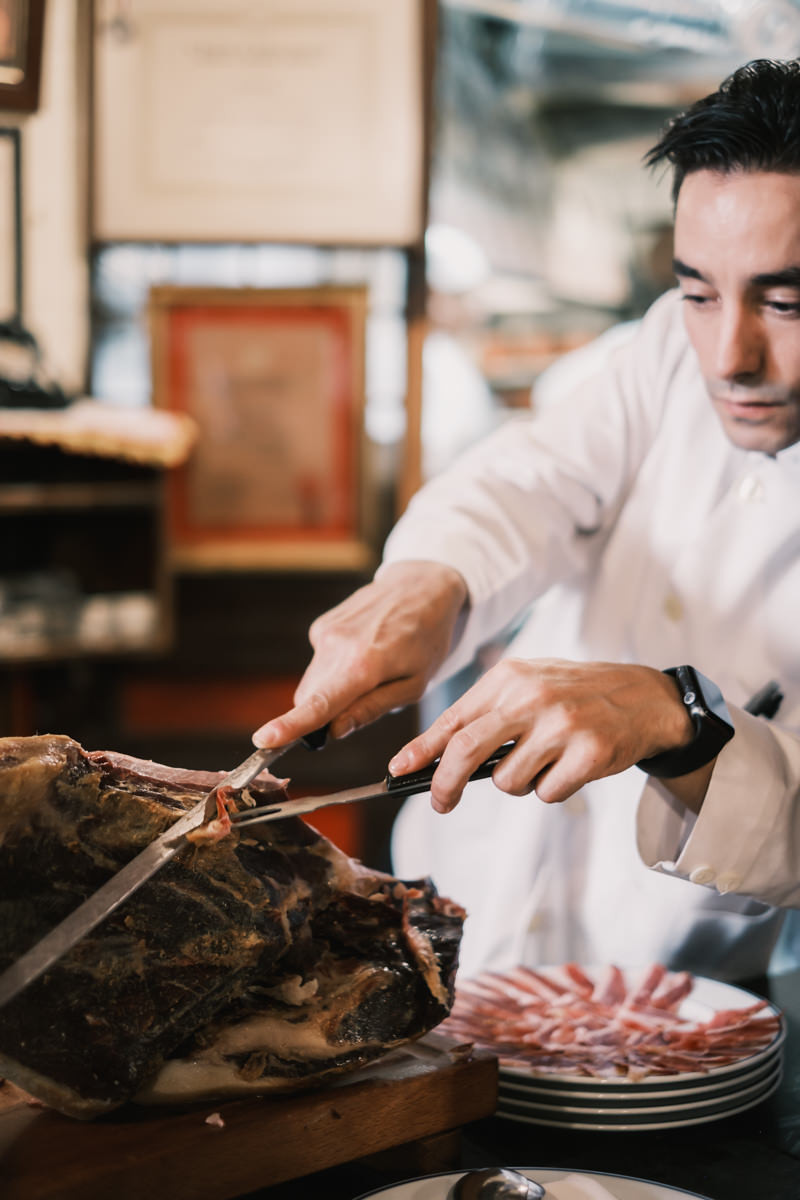
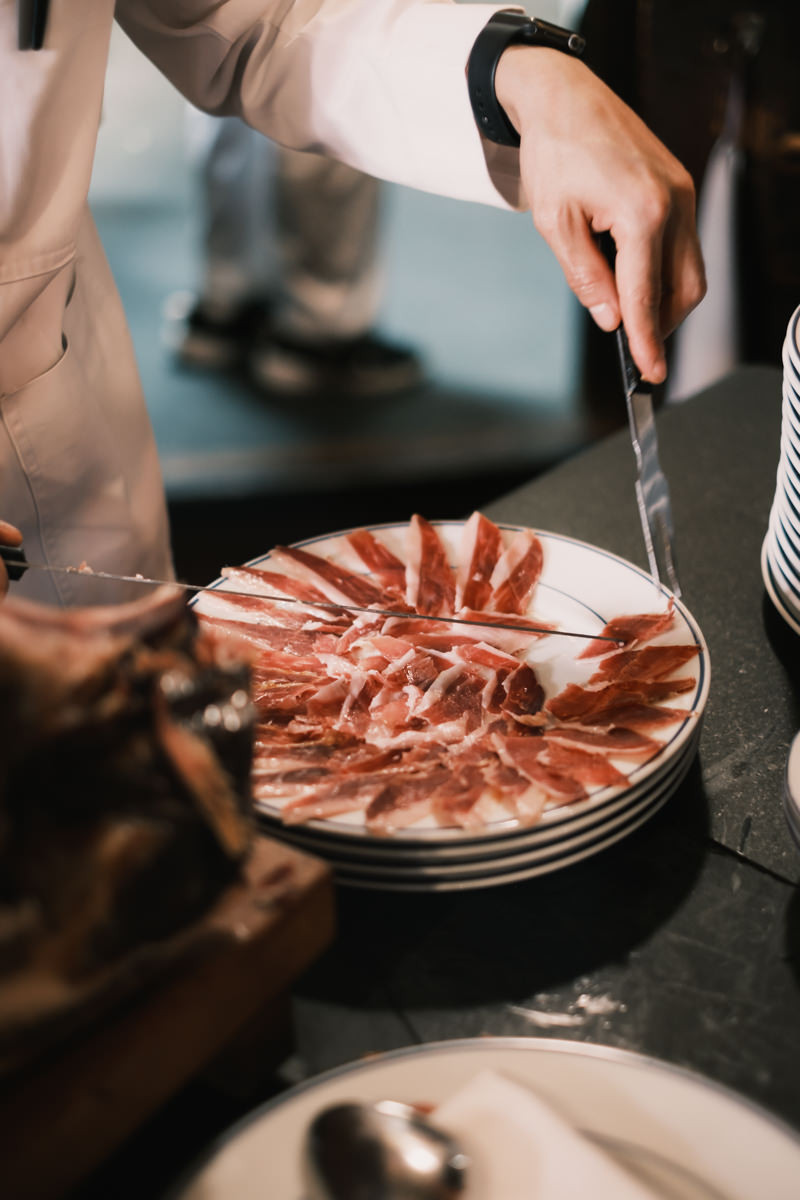
A Private VIP Tour Inside Botín’s Hidden Corners
Other than the line, Botín’s wood panel exterior blends unassumingly into the street just off Plaza Mayor.
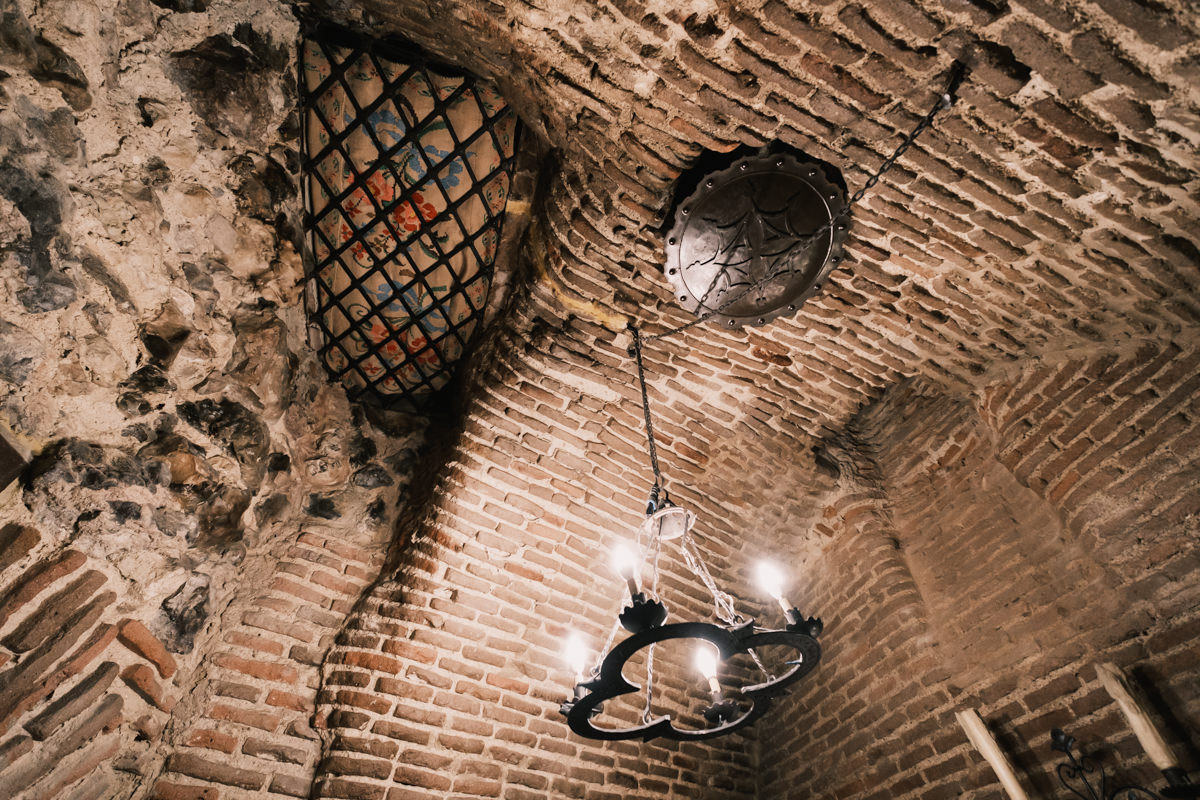
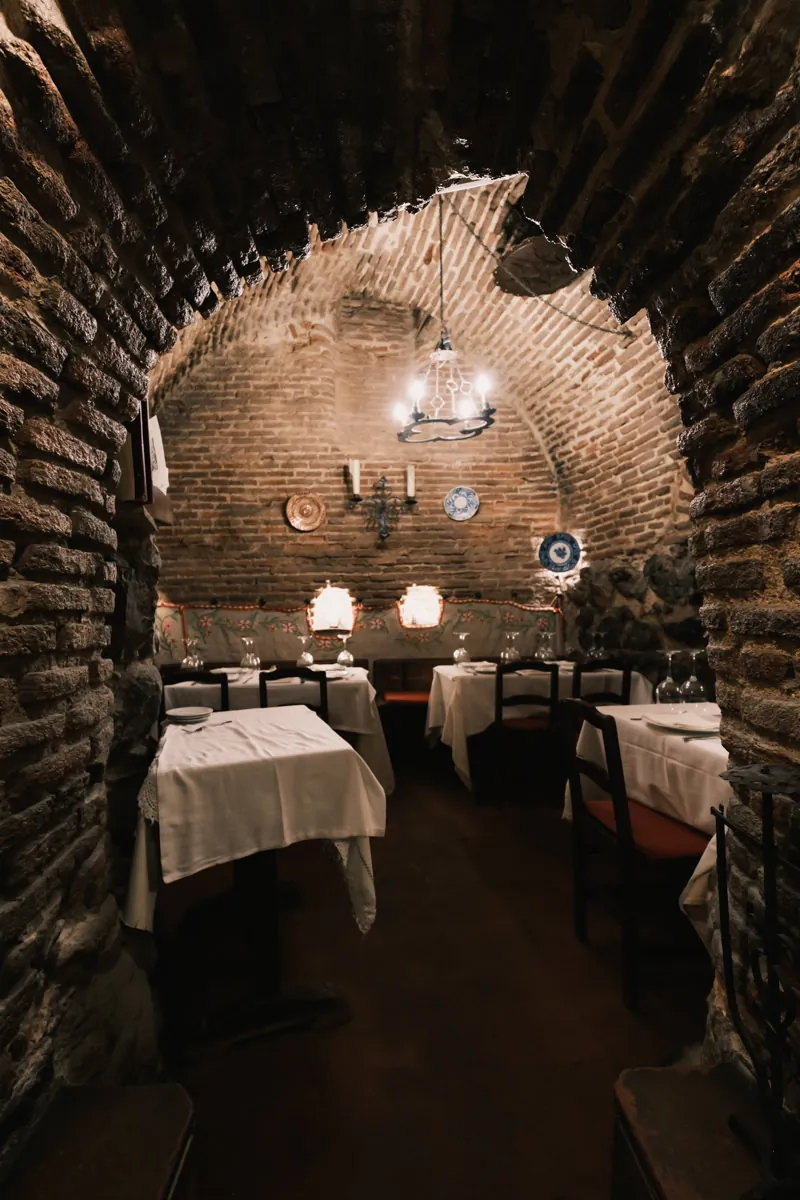
But inside, the restaurant stretches vertically across four floors connected by properly narrow staircases worn smooth over time. Dark wooden beams hang across low ceilings. Both so old, I’m not sure which is supporting which.
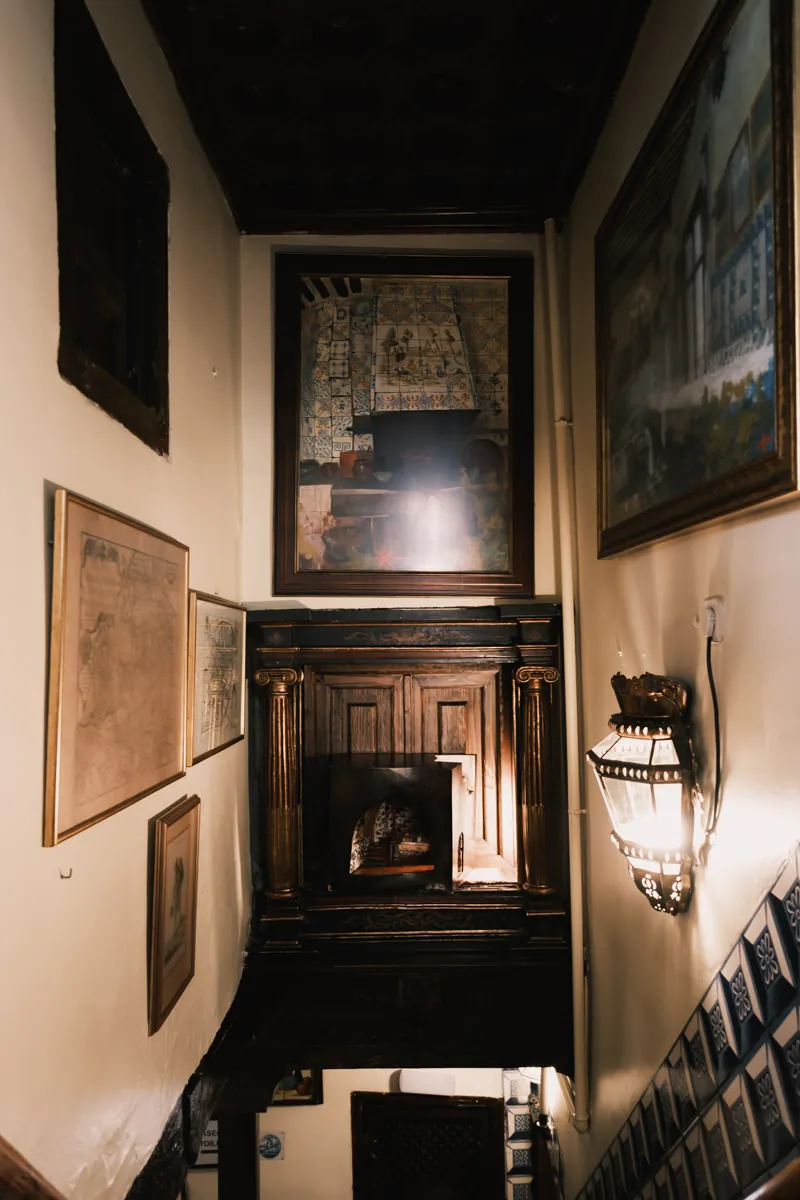
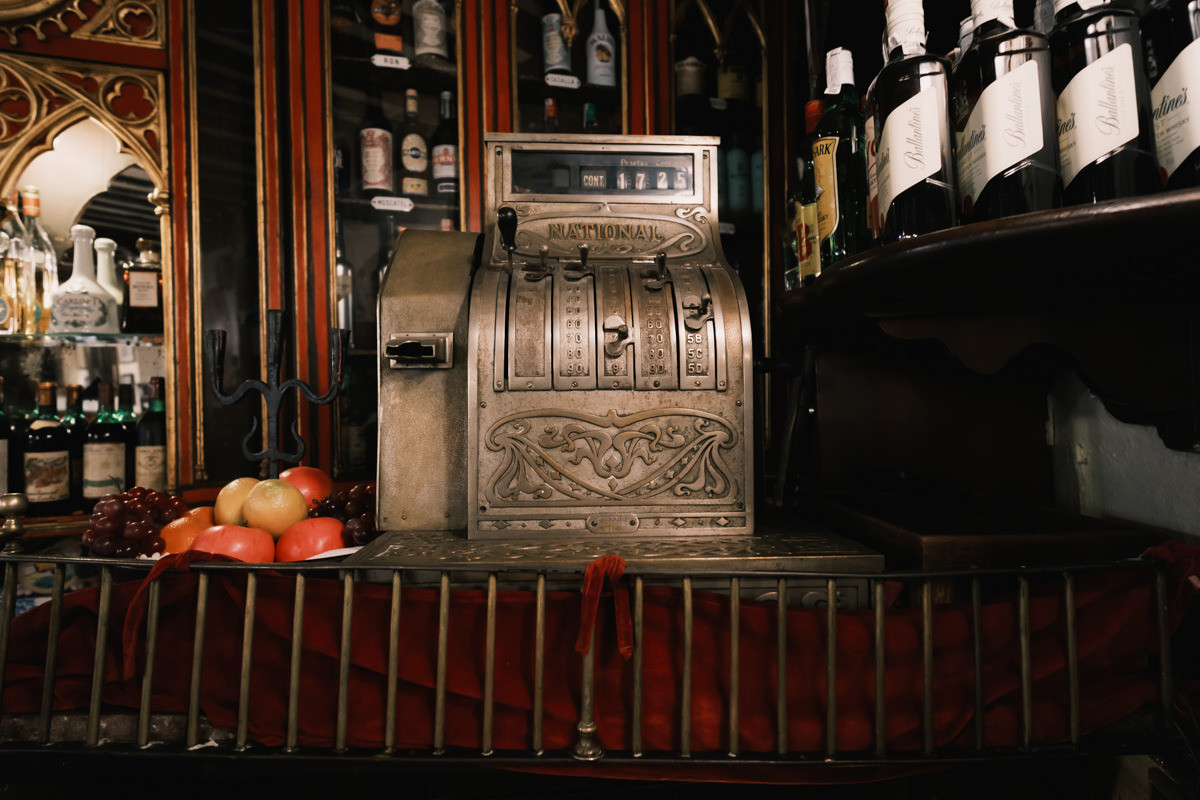
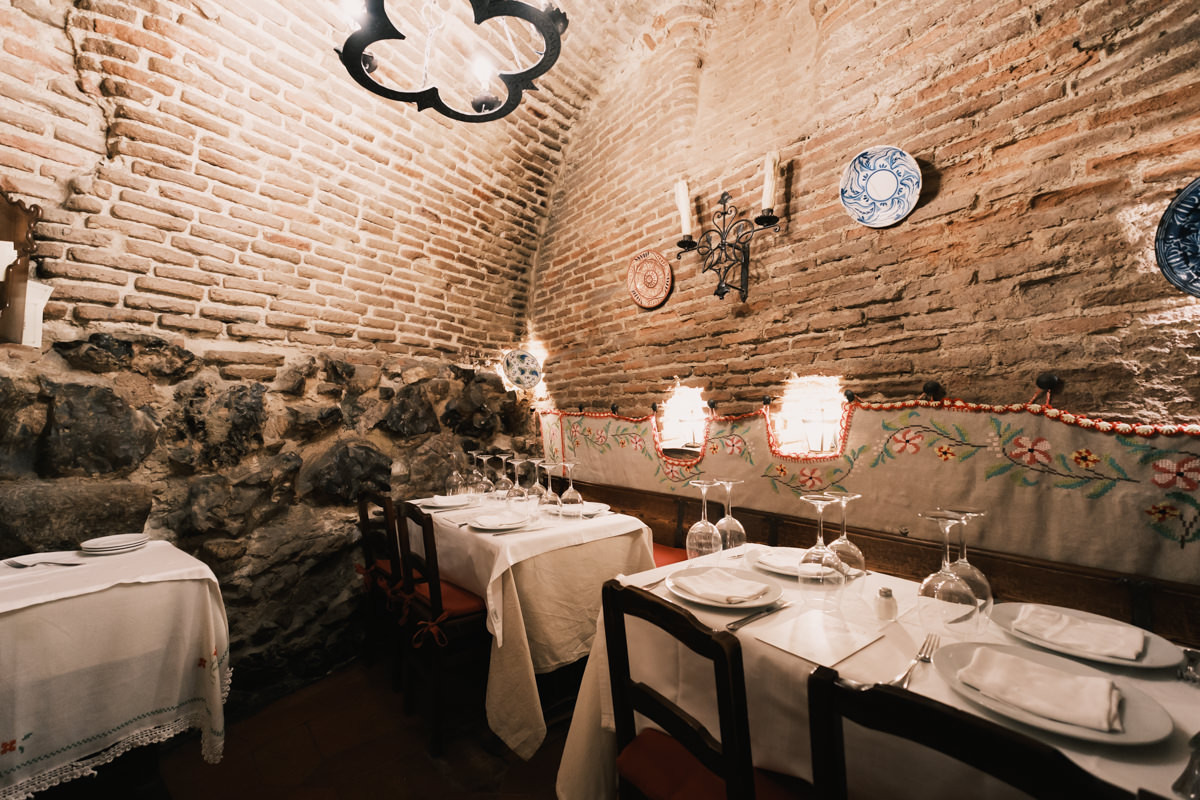
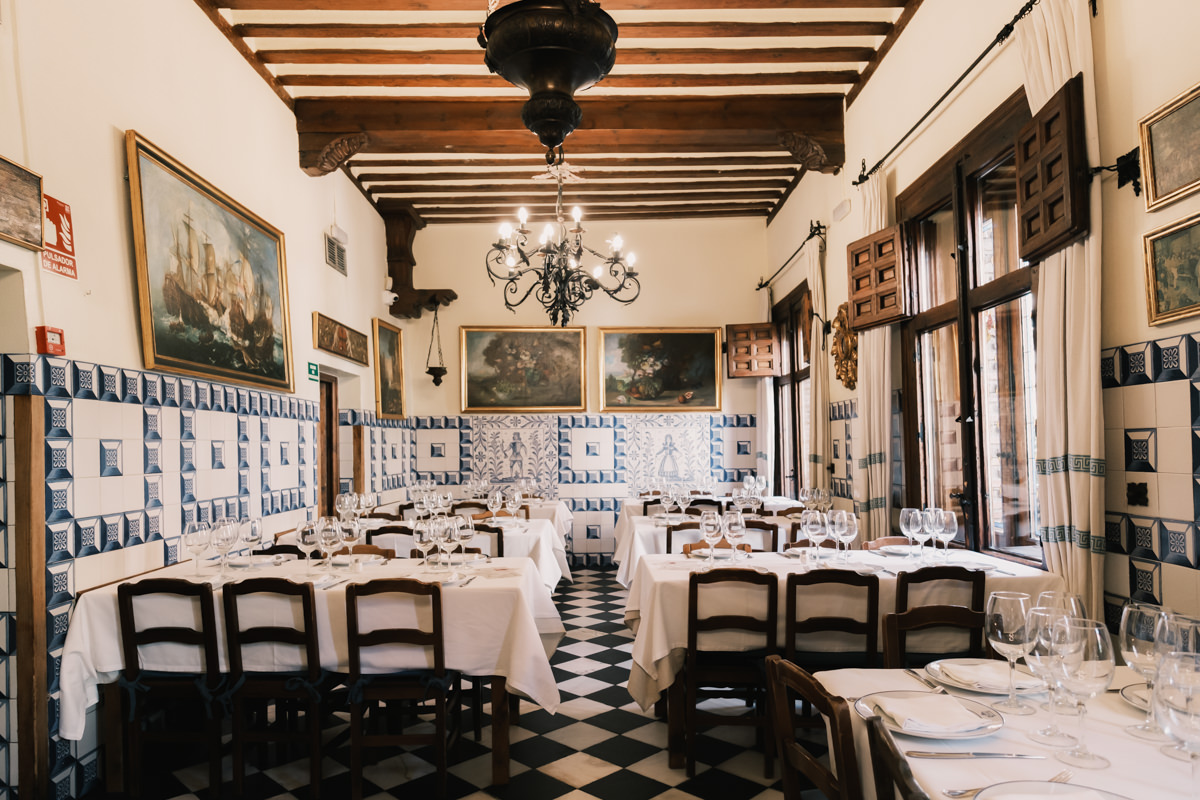
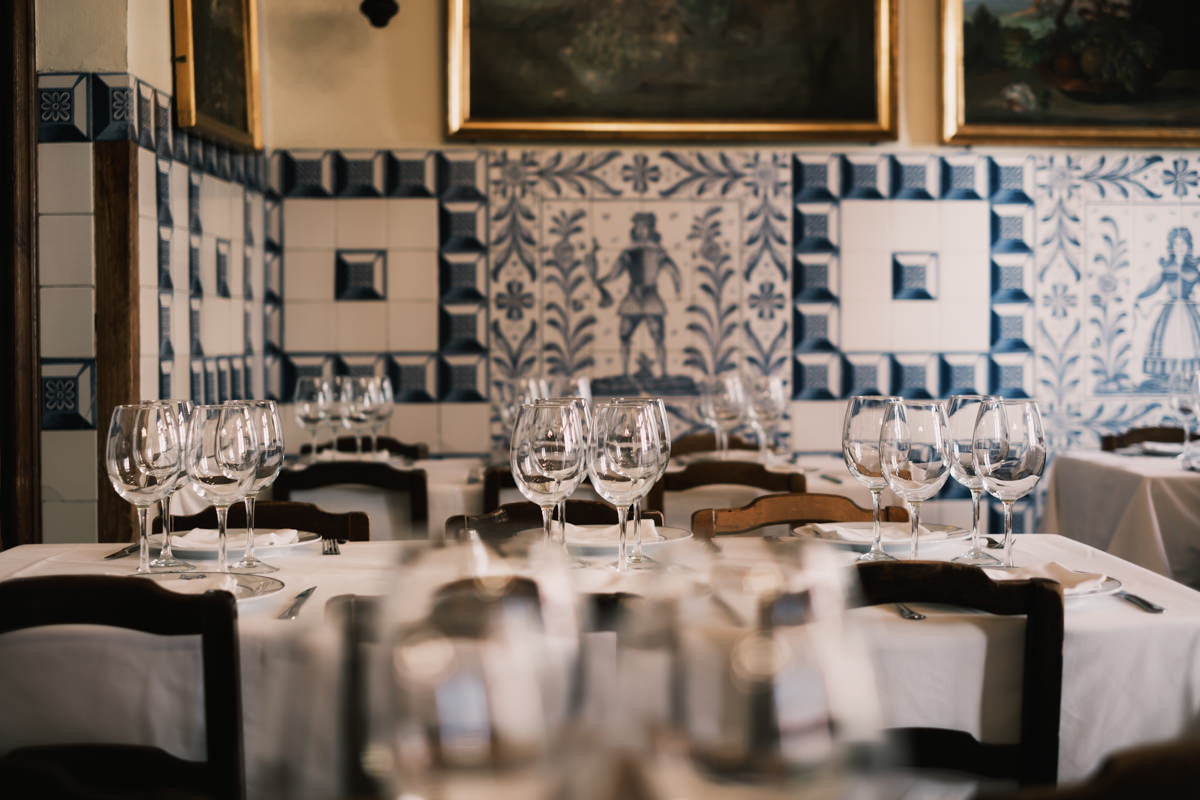
Brick archways separate dining rooms lit by warm yellow light that truly define the term ‘intimate’. Antique paintings, dusty bottles, old photographs, and Castilian décor fill the walls in a way that feels lived-in and influenced across the different generations of proprietors.
To me, it feels less like a restaurant and more like a preserved inn from another era.
The old cellar beneath the building is an area fewer diners ever get to see, especially the deeper tunnels and hidden corners, that possibly , definitely haunted, if you believe the stories.
The temperature is noticeably lower here and there’s the distinct smell of damp earth you’d expect in a cellar that’s actually older than the restaurant by almost 200 years.
Waterlogged wine bottles line the offshoots of the low walkways. Most of the collection is now decorative after flooding damaged the original bottles years ago, but the atmosphere remains intact and preserved.
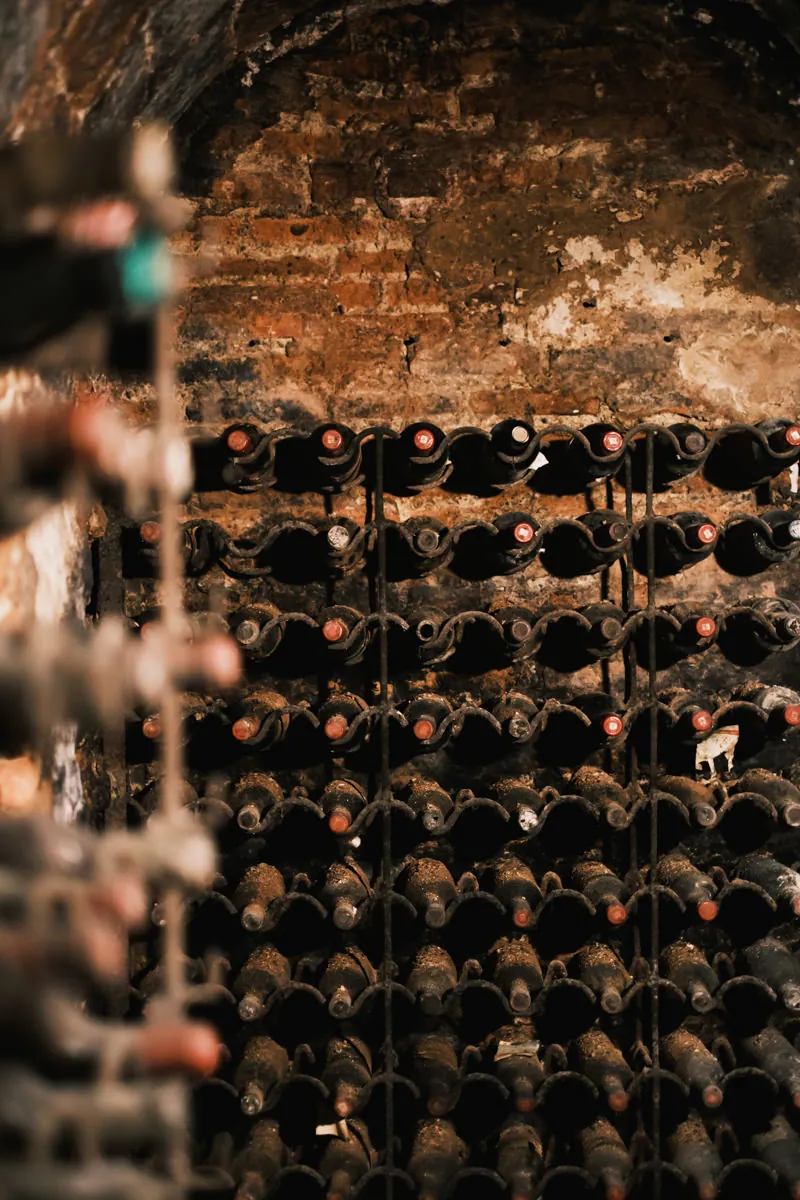
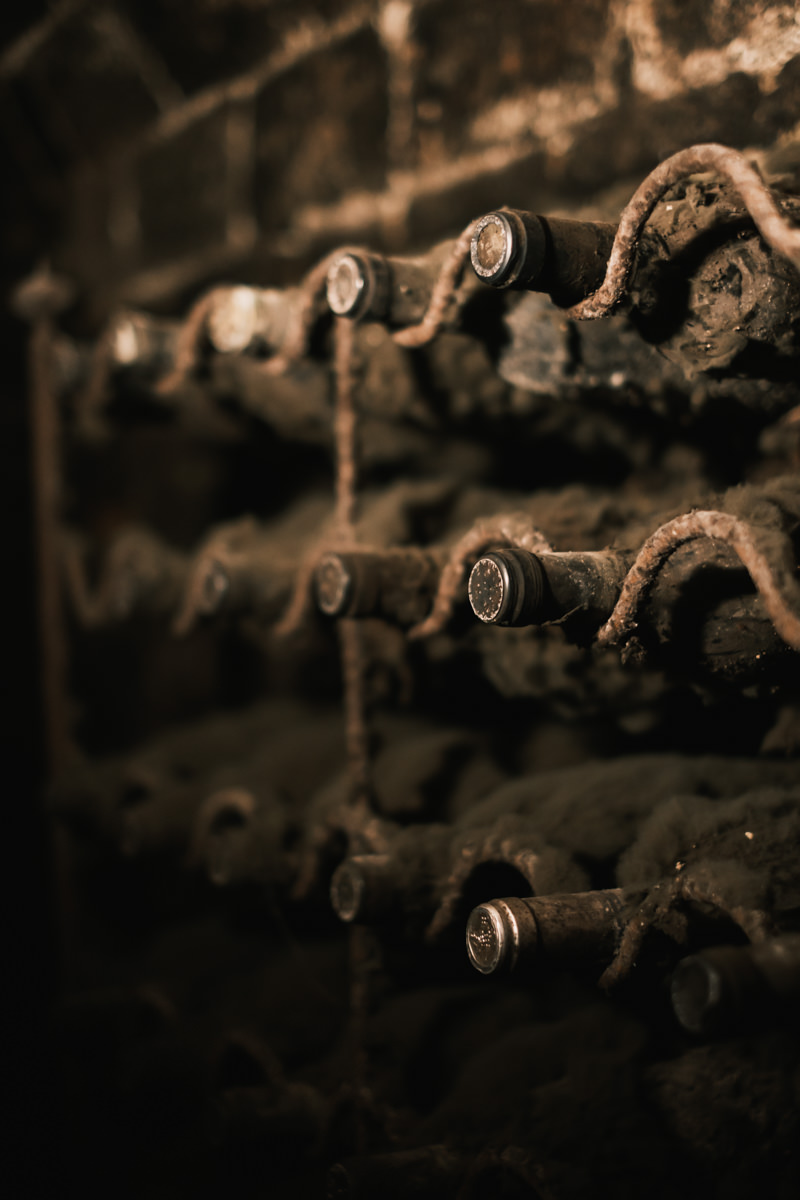
You can even dine down here if you don’t mind the tighter arrangements and dim lighting.
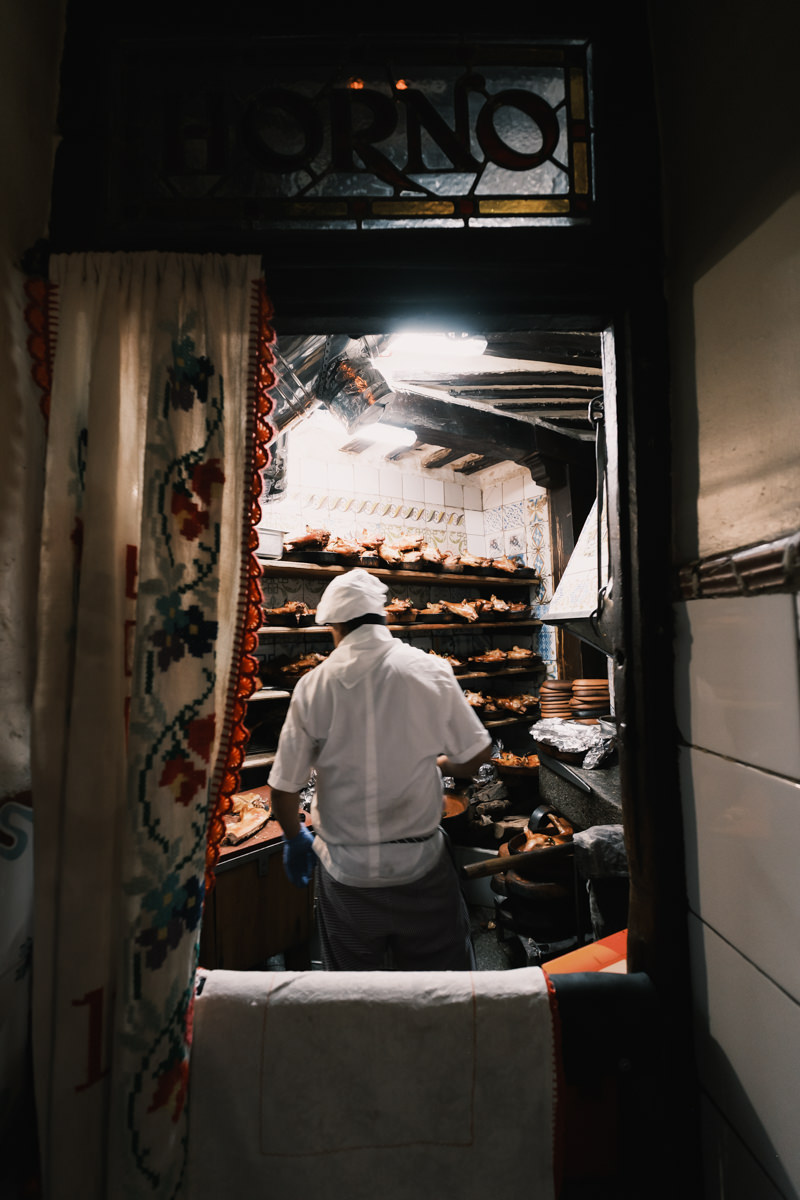
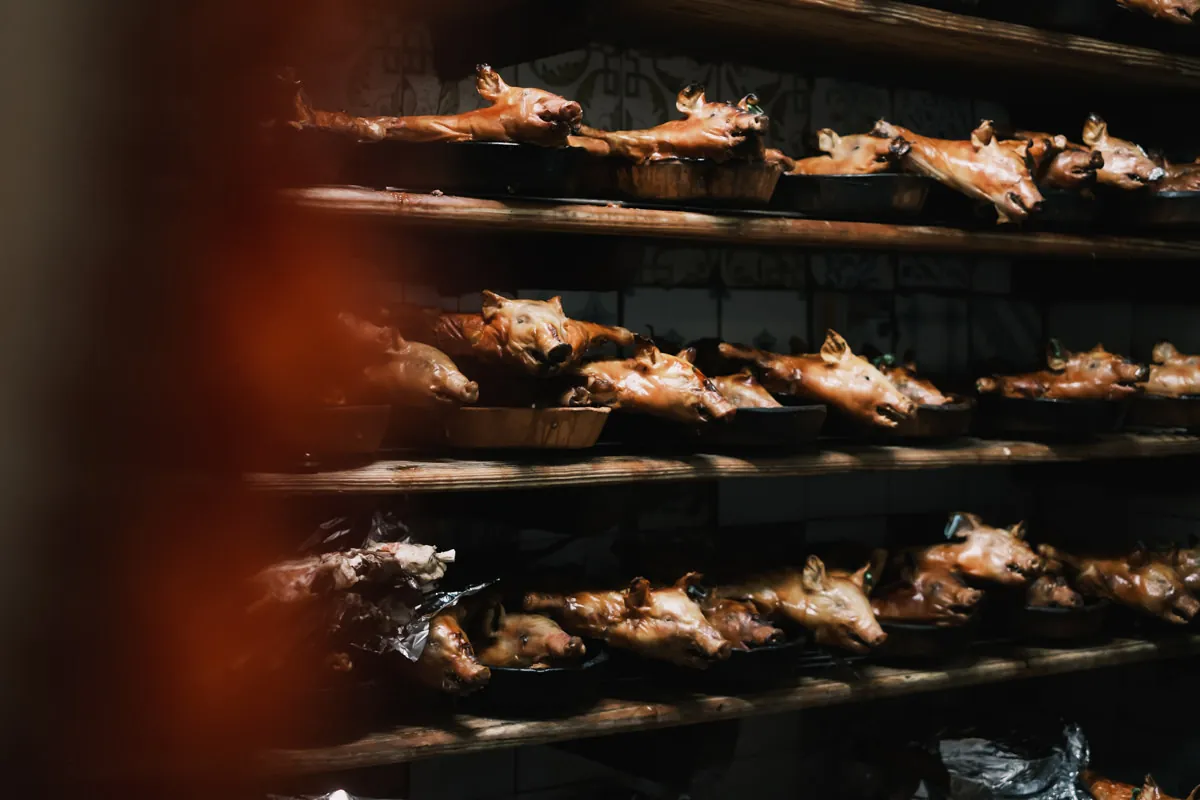
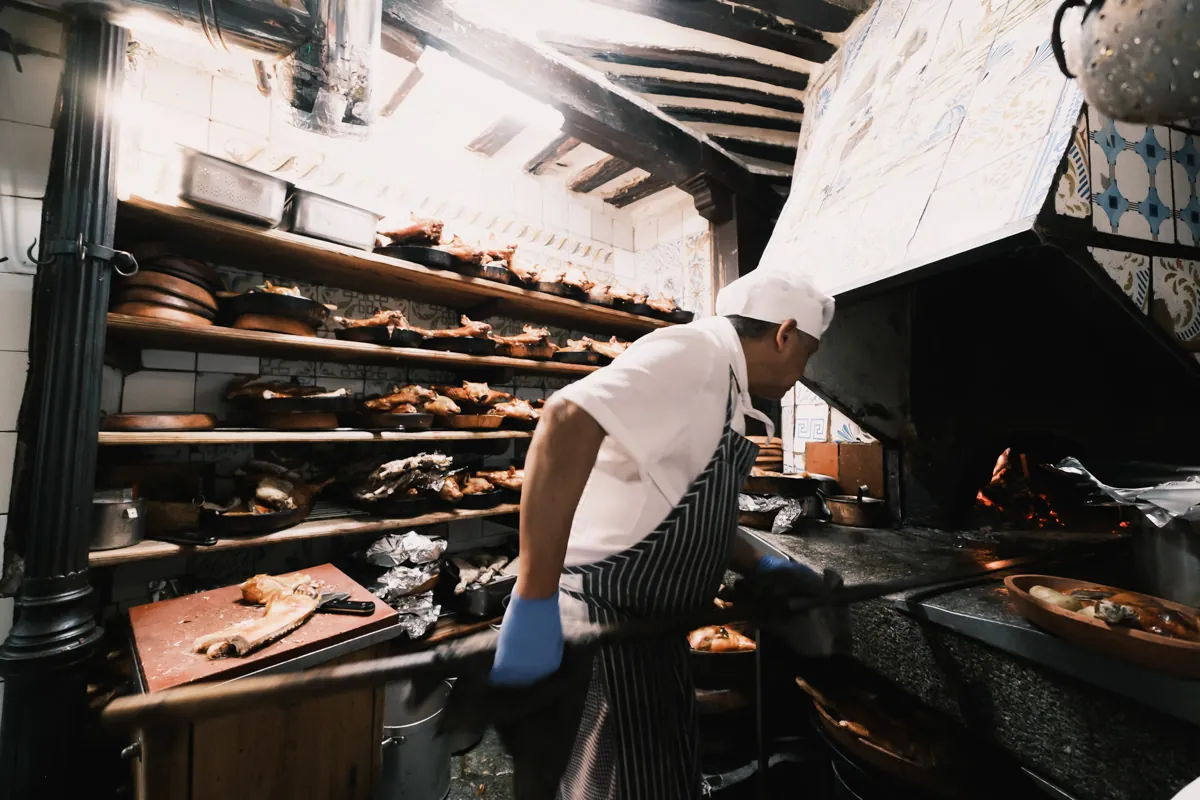
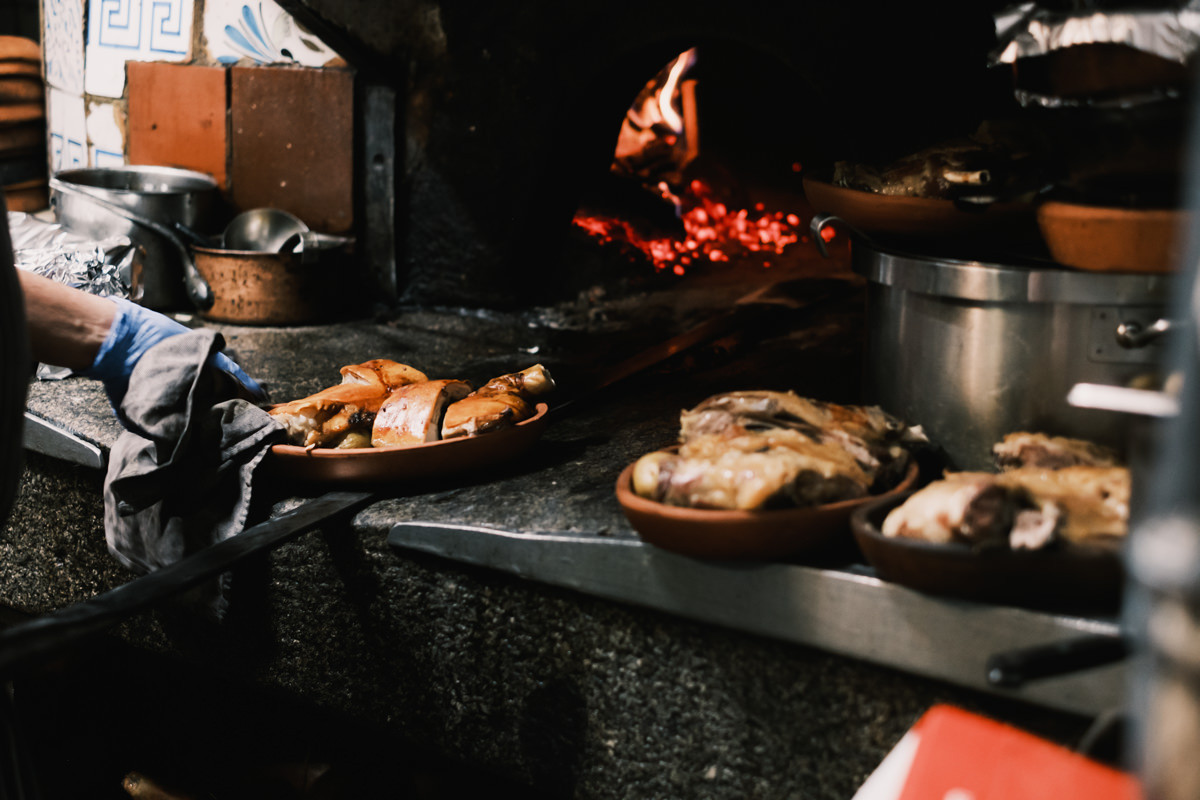
Back on the ground floor, we peeked through open top half of a dutch door into a room where the original wood-fired oven continues to burn. The shelves on the wall are lined with rows of whole suckling pigs, already roasted, but waiting for one last trip into the oven before service.
This was one of my favorite parts of the experience and I caught myself returning twice just to watch the cook maneuver trays of suckling pigs in and out of the glowing coals with deft hands.
Every floor is different, as if we’re moving across the centuries connected by the staircases. Our reserved table was on the top floor, the most well lit and elegant looking room. Just in time for lunch.
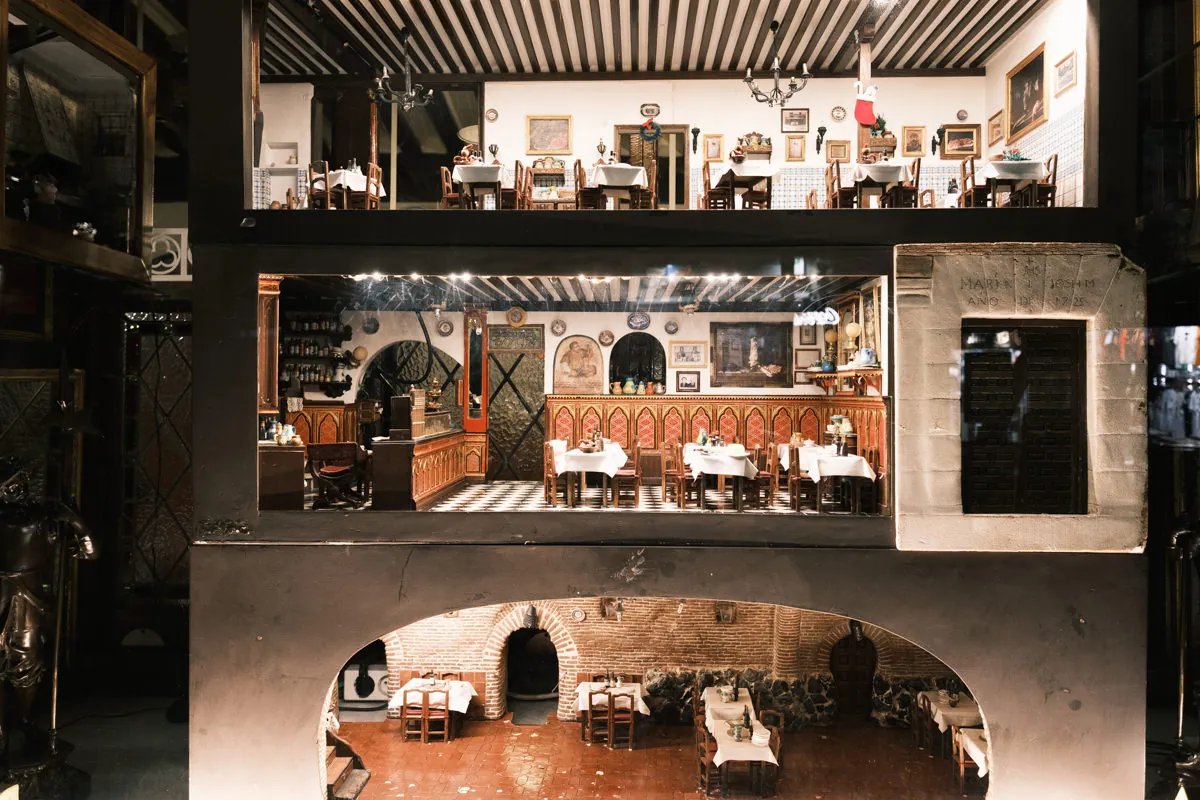
One detail I oddly loved was the miniature model of the building showing all four floors stacked together. Very meta.
A Morning Visit to the Prado Before Lunch
Before I get to the lunch, the restaurant visit was actually part of a private experience that began earlier that morning at the Prado Museum with our guide, Arantxa, a Madrid local trained at Le Cordon Bleu who does a great job of bridging art history, food culture, and Madrid lore all in a few hours without boring anyone in our small group.
The Prado, like Botín, is also a foundational part of any Madrid itinerary, and gives you one of the best condensed looks at Spanish history through its art.
We had 90 minutes here (like the Louvre in Paris, you’d need multiple visits to see everything properly) that started precisely at 10:00 on the dot when the museum opened. Arantxa made sure of that, so we could reach many of the Prado’s most famous works before the rest of the crowds arrived.
Note: Photography is prohibited throughout most of the Prado, except the lobby.
Tip: If you’re visiting the Prado, it’s worth it to get a guide.
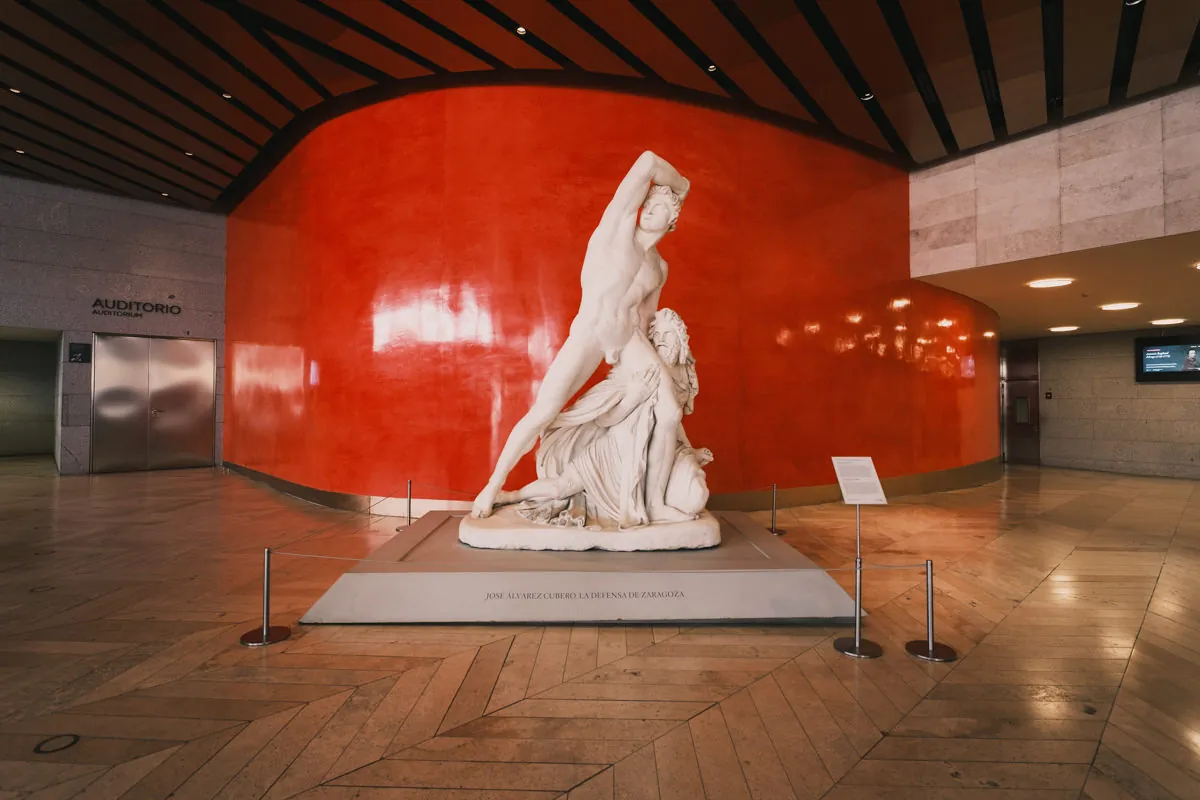
Almost right away, we were standing in front of Bosch’s Garden of Earthly Delights to hear about the artist’s medieval interpretation of lust, sin, and morality. We moved onto Velázquez’s Las Meninas, and discussed whether the artist had subtly painted himself as an equal to Spanish aristocracy.
I recognized many of the paintings, but never connected them or knew about the underlying stories. How Goya painted the royal family with barely concealed disdain. How El Greco’s dramatic elongated figures were rejected by the king but embraced in Toledo. How Titian softened the physical flaws of Charles V through careful angles and shadows.
We moved at a quick but deliberate pace, following Arantxa’s curated route of the museum’s most important pieces. While I could have easily wandered for another couple of hours on my own, for many, this amount of time would do for satisfied visit without overloading.
I’m glad we had a guide for the Prado. It was the same with the Reina Sofía.
And there’s even a Botín connection with the Prado, as it was rumored that a young Francisco de Goya worked as a dish runner and washer at the restaurant before eventually becoming Spain’s most famous painter.
So, Is the Food At Botín Actually Worth It?
Tip: If you are looking for a food tour, I recommend exploring Chamberi, instead of the city center.
Lunch itself was a three-course meal served partly family-style in the aforementioned top-floor dining room. This floor would have been my preference if I was making my own reservation.
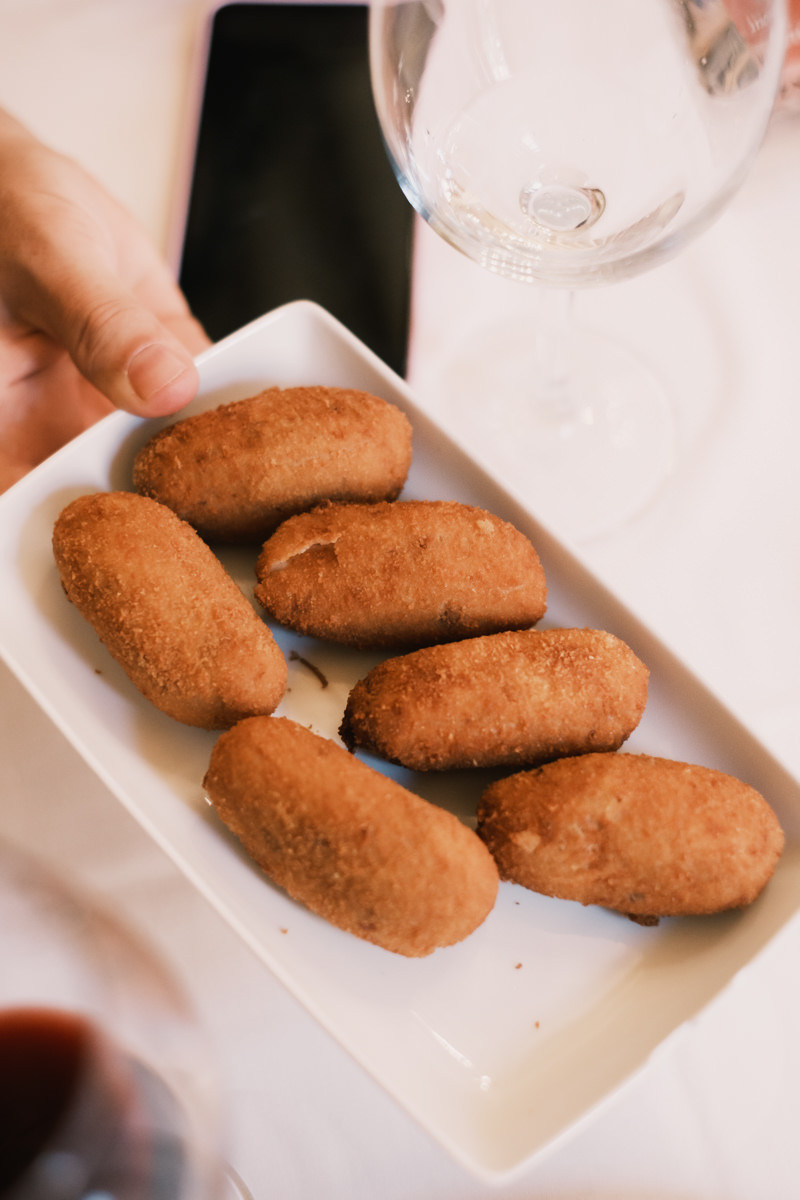
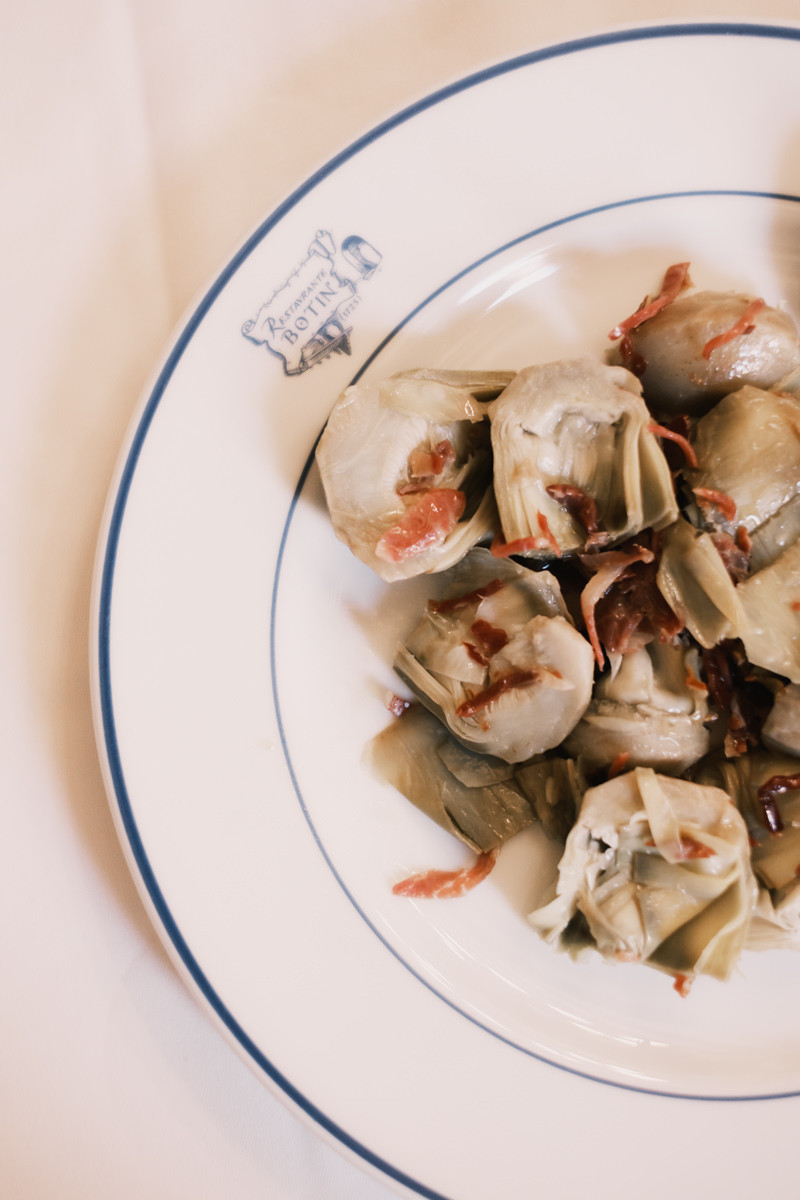
For starters, we shared croquettes alongside marinated mushrooms and artichokes and a couple bottles of local Spanish wine. For the main, everyone made their own selection from the menu.
And realistically, if you’re coming to Botín, there’s only one correct order. The famous suckling pig.
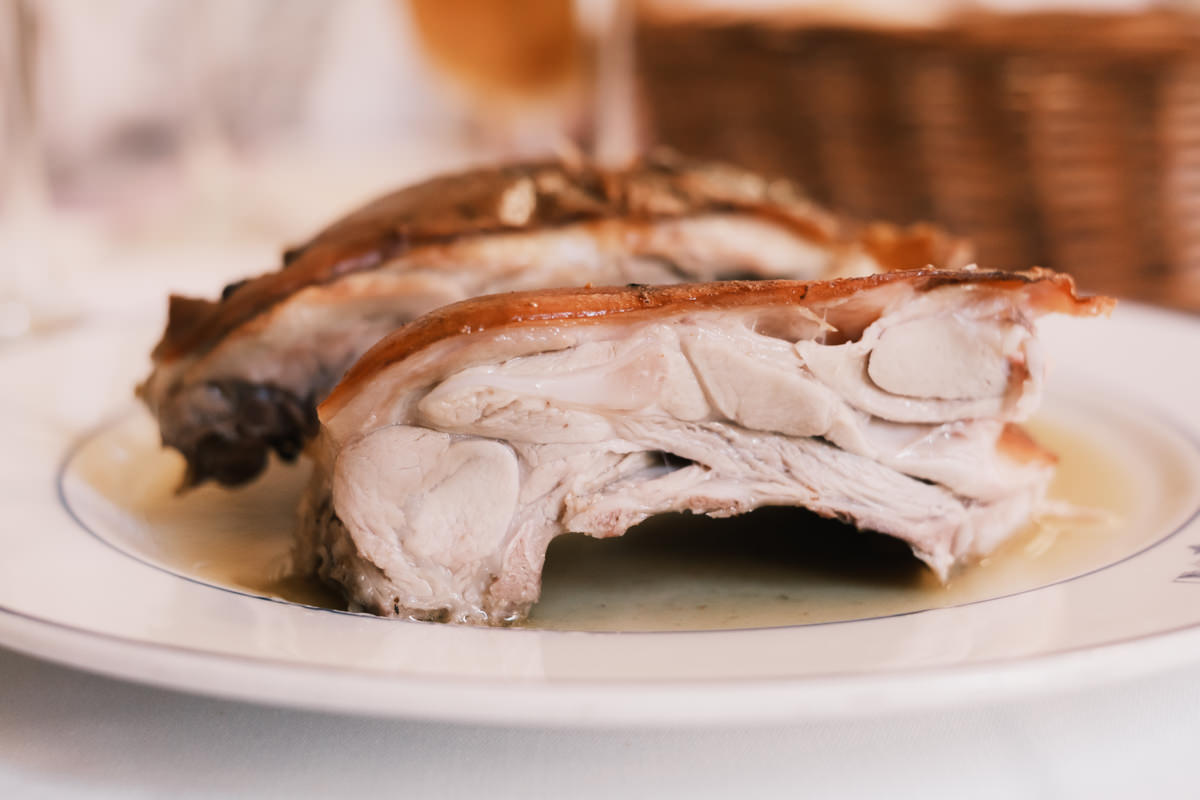
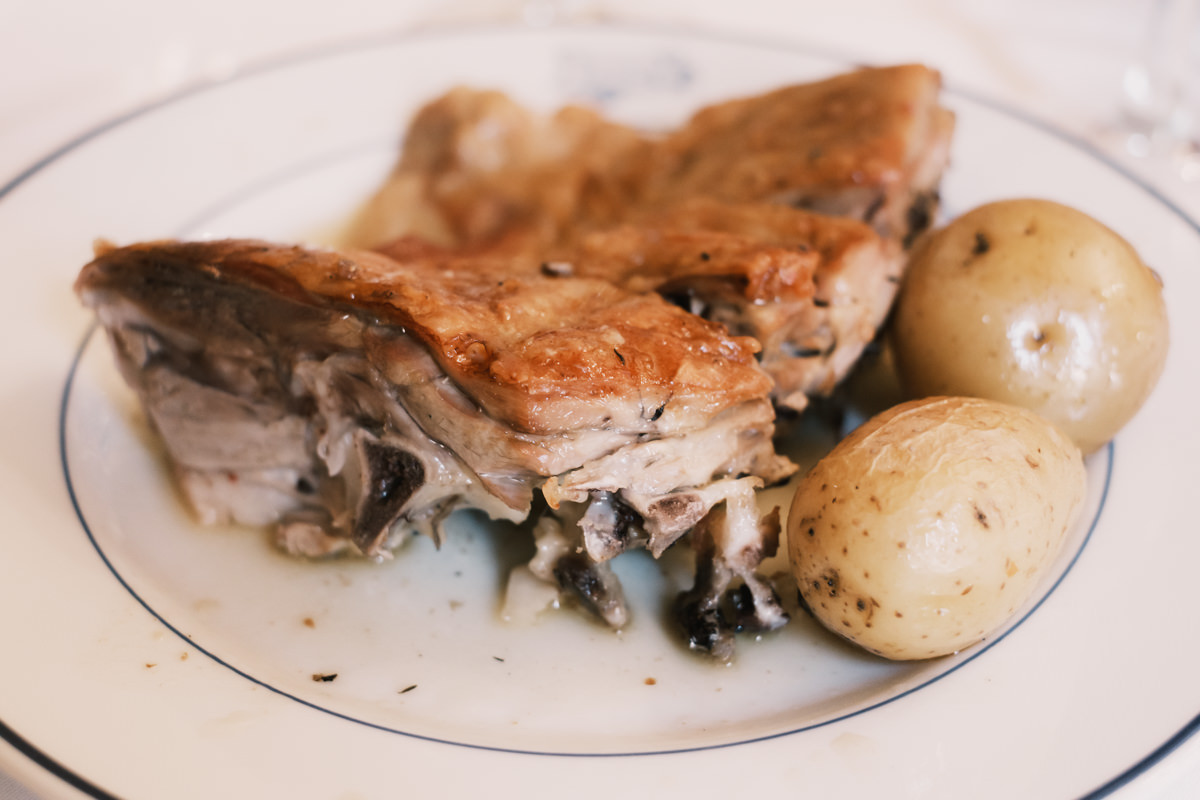
The cochinillo is roasted in the traditional Castilian style until the skin crisps while the meat underneath becomes tender enough to separate on its own. My partner ordered the lamb so we could compare both house specialties, and we were glad for it because both were excellent choices.
Tip: If you’re near Bilbao, put this place on your bucket list.
Dessert was a creamy Basque-style cheesecake made from the owner’s grandmother’s recipe.
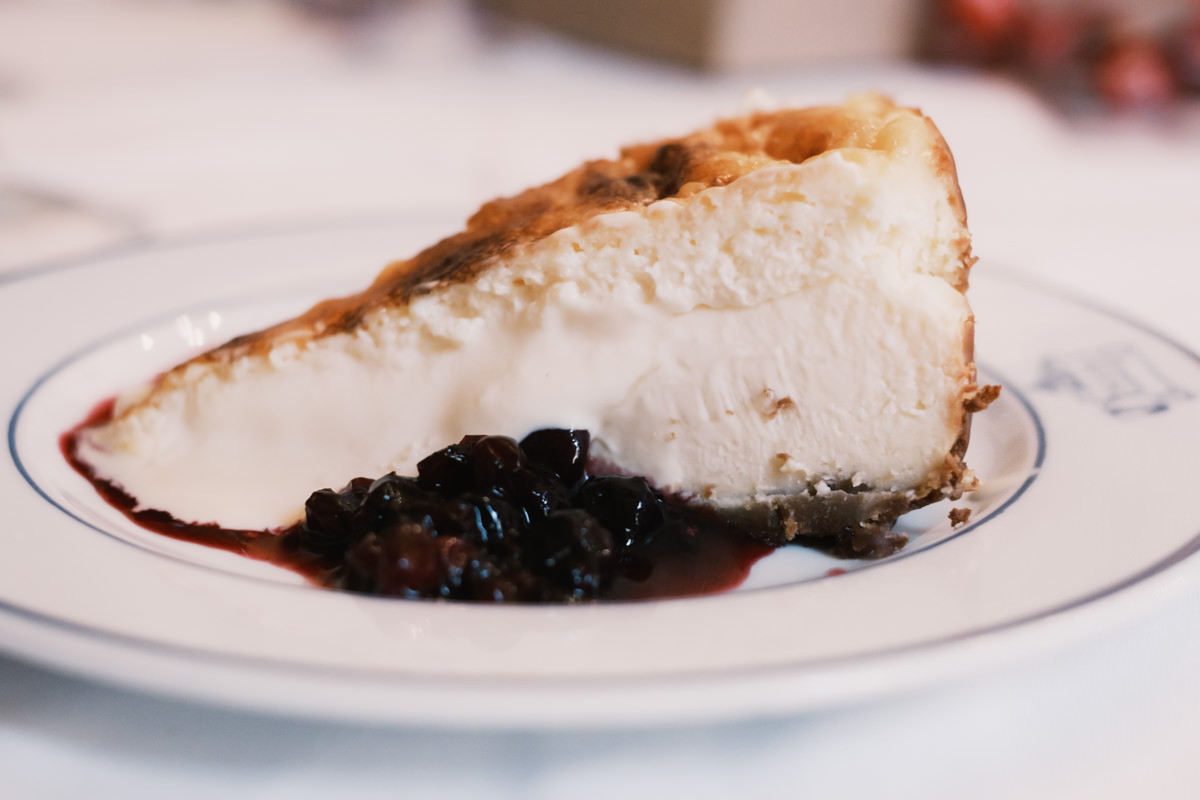
So bottom line, the food was actually really good. Portions were decent, but really, anything less than a whole suckling pig for me alone would have had me wishing for more, so I can understand a few of the reviews online.
Still, you don’t come to Botín if you’re chasing Madrid’s absolute best meal. There are other restaurants in the city that can do a pig roast just as well, but you’re here for the experience – and that, you do get .
And the claim of eating at the world’s oldest restaurant…for now, at least.
Initially, I was wondering why, of all things, the Botin experience was paired with a visit to the Prado, but it does make sense. Both are flagbearers of Madrid’s history and stories. And practically, for those that want to make the most of their time, you’re experiencing two of Madrid’s best offerings in a morning and some. You still have the rest of the day for a proper tapas crawl in Chamberi or to catch a flamenco show.
Is Botín a Tourist Trap?
Probably, a bit.
Most of the people eating here are tourists. Most locals likely only come when entertaining out-of-town friends or relatives.
But there’s a difference between a place built for tourists and a place that’s famous enough to draw tourists. It’s not cheap, but it’s not wildly overpriced for what you’re getting, assuming you can get a reservation at all.
And while the line and crowds outside can sometimes make it feel a bit overexposed, the moment you’re inside and seated, you’re probably going to forget about all that.
How To Get A Last Minute Table At Botín In Madrid
Tip: This is the same Prado + Botin VIP experience that I booked.
Reservations at Botín are difficult to secure on short notice, especially during busy seasons. I’ve tried a couple of times when I wasn’t planning ahead and it didn’t work out.
Your best bet is to line up and arrive right when lunch service begins at 1 pm. You might be lucky enough to get a walk-in, but don’t expect to be able to ask for a top floor or cellar table.
That’s one of the reasons this particular experience works so well.
The private Prado and Botín tour includes reserved seating along with early access to the restaurant before it opens. It’s smart to book this one ahead, because it can be booked out too, but if it’s available, it becomes one of the easiest ways to secure a table on short notice.
Final Thoughts
Bucket List: Segovia by Hot Air Balloon.
Maybe someday another restaurant will successfully take the “world’s oldest” title away from Botín, but I don’t think it will matter. The space and atmosphere alone is still worth visiting, and I can think of plenty of other spots that are proper tourist traps, like the Mercado de San Miguel.
Don’t overthink it. Make a reservation if you want to just eat or join this tour if you want to get a bit more of the world’s oldest restaurant experience.
There are also few other food experiences that I recommend on my Madrid short list if you want further reading. Food tour wise, there are three I recommend.
A day trip to Ribera del Duero for wine tasting and lunch, a tapas crawl to a non-touristy area away from the center like the one I did in Chamberi, and if it’s your first time in a city, a historic center food tour that you can do early on in the trip and knock off two birds with one stone.
Updated on August 19, 2026