PGYTECH OnePro Ultralight 20L vs 30L Comparison
PGYTECH OnePro Ultralight 20L vs 30L Comparison


I recently did an in-depth review of PGYTECH’s new OnePro Ultralight 20L, which is the first camera bag in 6 years to replace my well-loved and well-traveled Wandrd PRVKE 21L travel camera bag.

One of the first decisions I had to make was to choose between their 20L, 30L, or 40L version of the bag. And the color of course.
It was a bit tough since there were some key differences between the 20L and 30L/40L versions. Ultimately, I went with both. One in Misty Green and the other in Space Black.
So since I now have both the 20L and 30L, I wanted to highlight some differences and who I should think should buy the 20L version vs the 30L (or even the 40L) version.
For an in-depth look at the main features that are shared across all the bags, you can check out my 20L review first.

OnePro Ultralight 30L vs 40L
First off, I should point out that the 30L and 40L versions are very similar compared to the 20L version.
Note: For the purpose of comparison, you can use the 30L and 40L versions interchangeably when comparing it with the 20L.
The 30L is 55cm x 33.5 cm x 14.5mm or 21.65” x 13.2” x 5.7” and weighs 1.45kg (3.2 lbs) without the inner compartment and 1.98 kg (4.37 lbs) with it.
The 40L is 61cm x 33.5 cm x 15.5mm or 24” x 13.2” x 6.1” and weighs 1.6 kg (3.53 lbs) without the inner compartment and 2.13 kg (4.7 lbs) with it.
So basically 10 extra liters of space in the top compartment with about a 2.5” height different and 15g or 1/3 of a lb heavier.
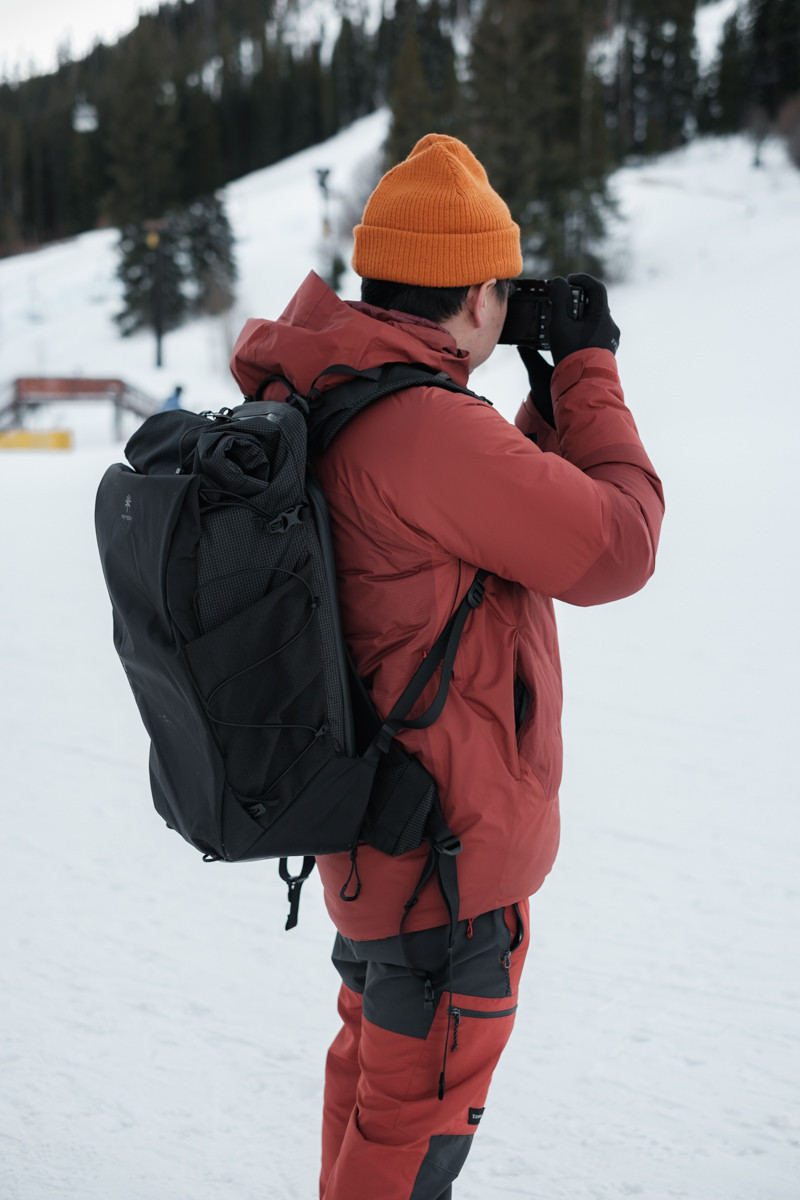
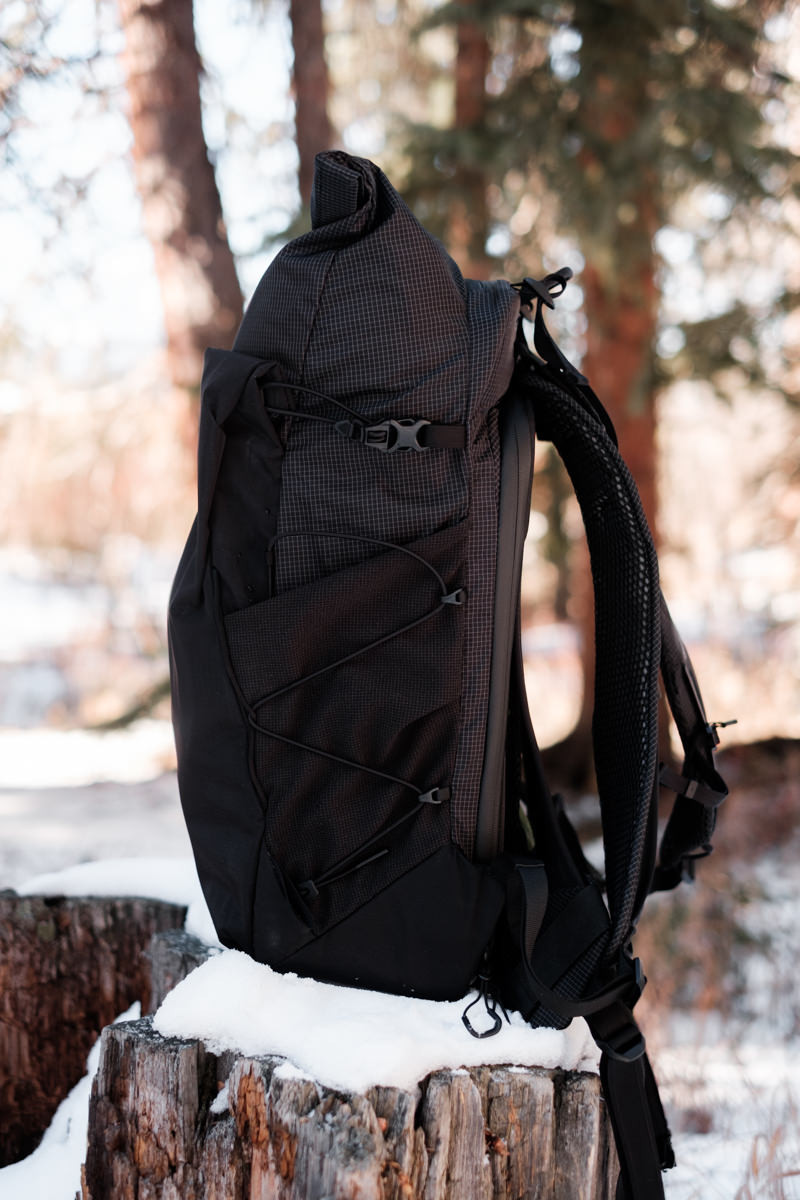
You can see how it’s meant to look on different heights.
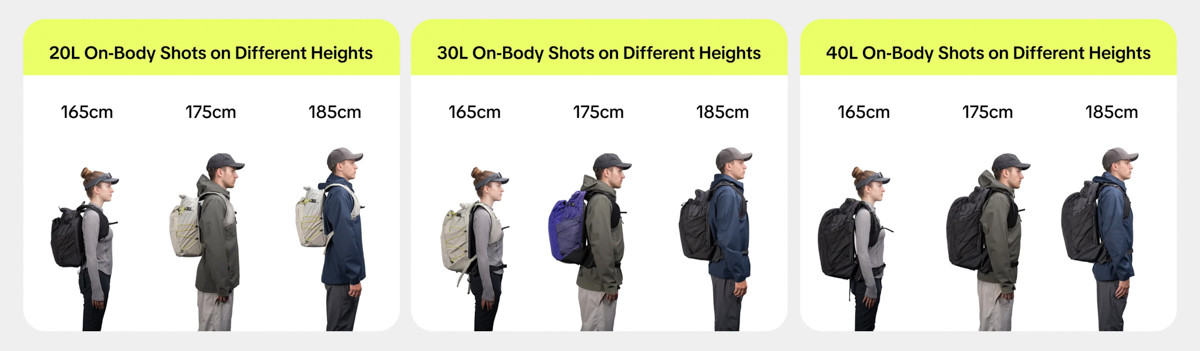
Note: I went with the 30L because I’m about 5’6 (~167cm) and generally prefer something more compact for my frame. If you’re taller or want that extra space and you’re deciding between the two, go for the 40L.
Main Differences Between the OnePro Ultralight 20L vs 30L
There are four notable differences between the OnePro Ultralight 20L vs 30L.
1. Airfoam Suspension vs Ace Frame Suspension
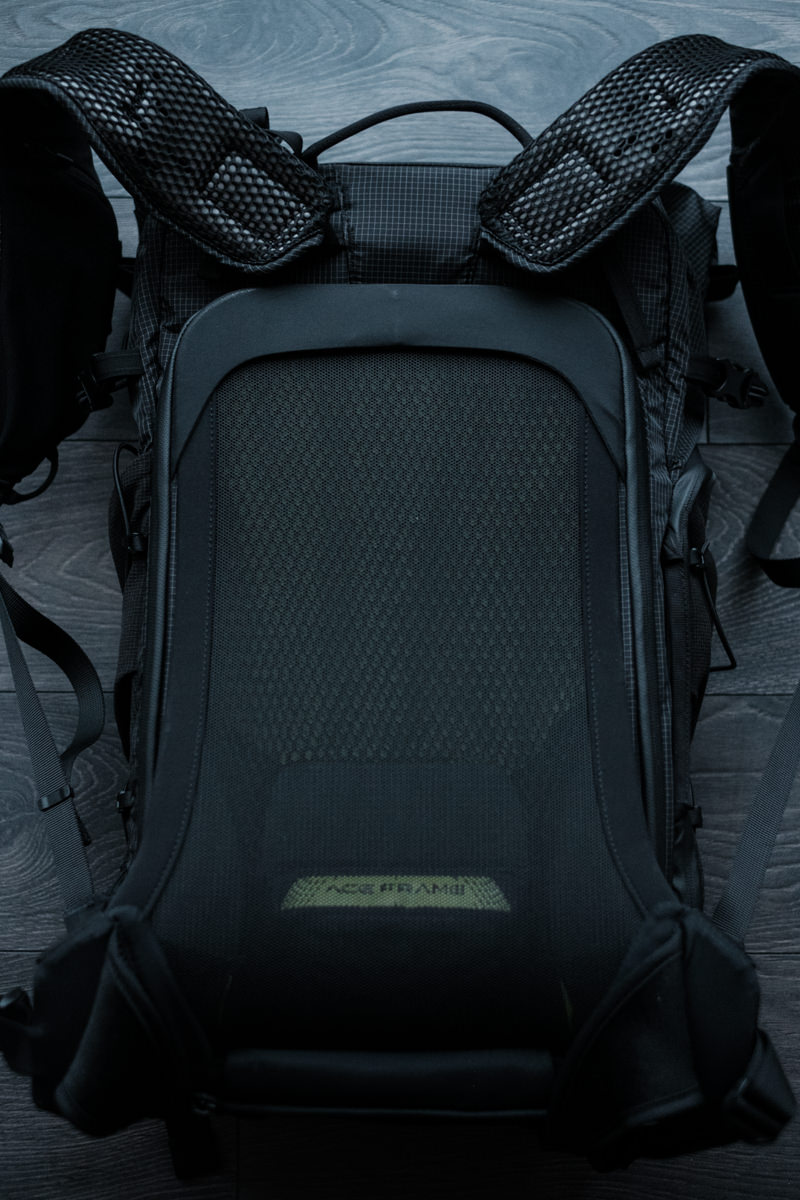
The back panel and suspension system are the easily the biggest differences between the two bags. The larger 30L and 40L versions has a more robust dual-frame suspension system that’s designed to evenly distribute the weight for carrying heavier loads on longer treks.
Think of the the rigid frame as more of something you’d find in a hiking backpack. The fine mesh ventilation back panel also separates the pack from your back for better air circulation and cooling.
The 20L version has an Airfoam suspension that’s more of a comfortable and breathable foam panel with channeling for cooling. There’s no hip belt so it’s designed to carry a slightly lighter load.
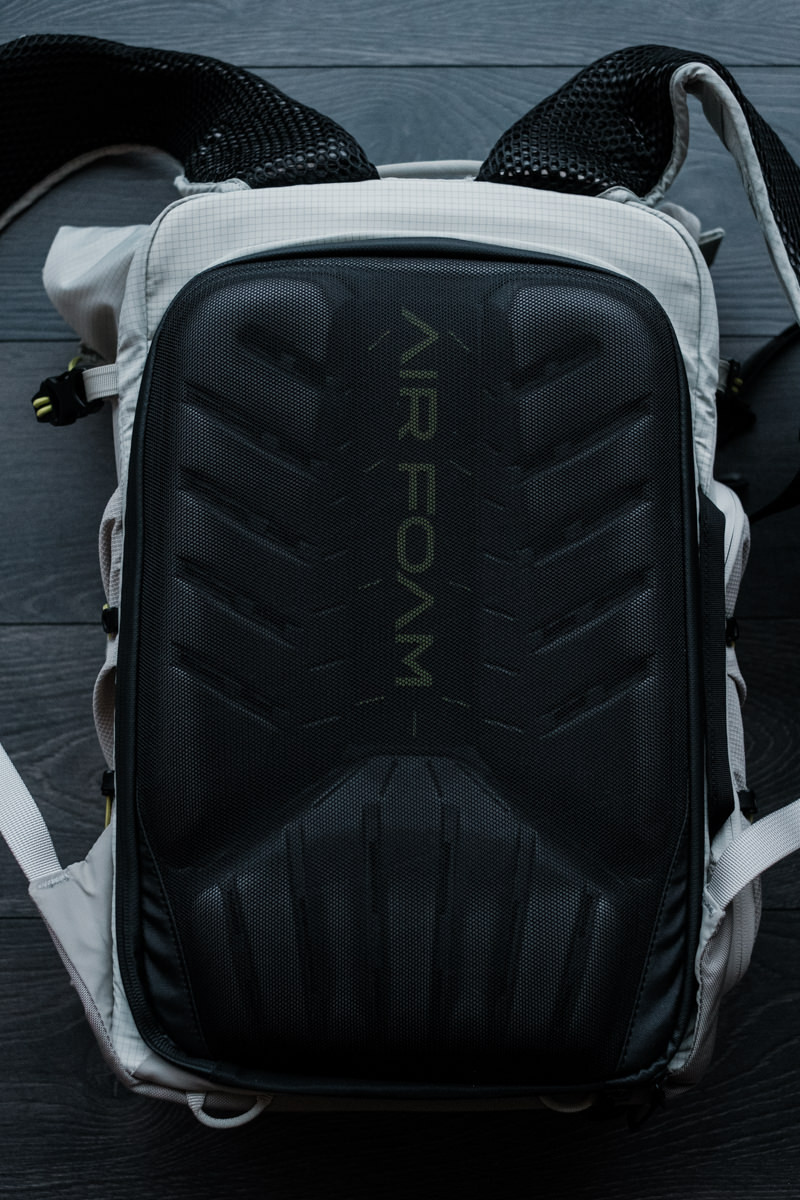
In reality, both are comfortable. I was still able to fill out the 20L with 20-25 lbs of gear and had no problems carrying it comfortably without a hip belt to distribute the weight.
The OnePro Ultralight 30L is a good 5” longer, so while it easily goes on a plane as a carry-on, the 20L version can go on the plane as a personal item.
2. Price
The OnePro Ultralight 20L goes for around $179 while the Ultralight 30L goes for $229. The 40L goes for $269.
I think the 20L and 30L are excellent value at their price point. It’s debatable whether you need the extra space in the 40L for another $40, but it might be a no-brainer for some people.
Update: PGYTECH reached out and offered a 10% off discount if you use the promo code KIENULTRA at checkout.
That brings the 20L bag down to about $161.
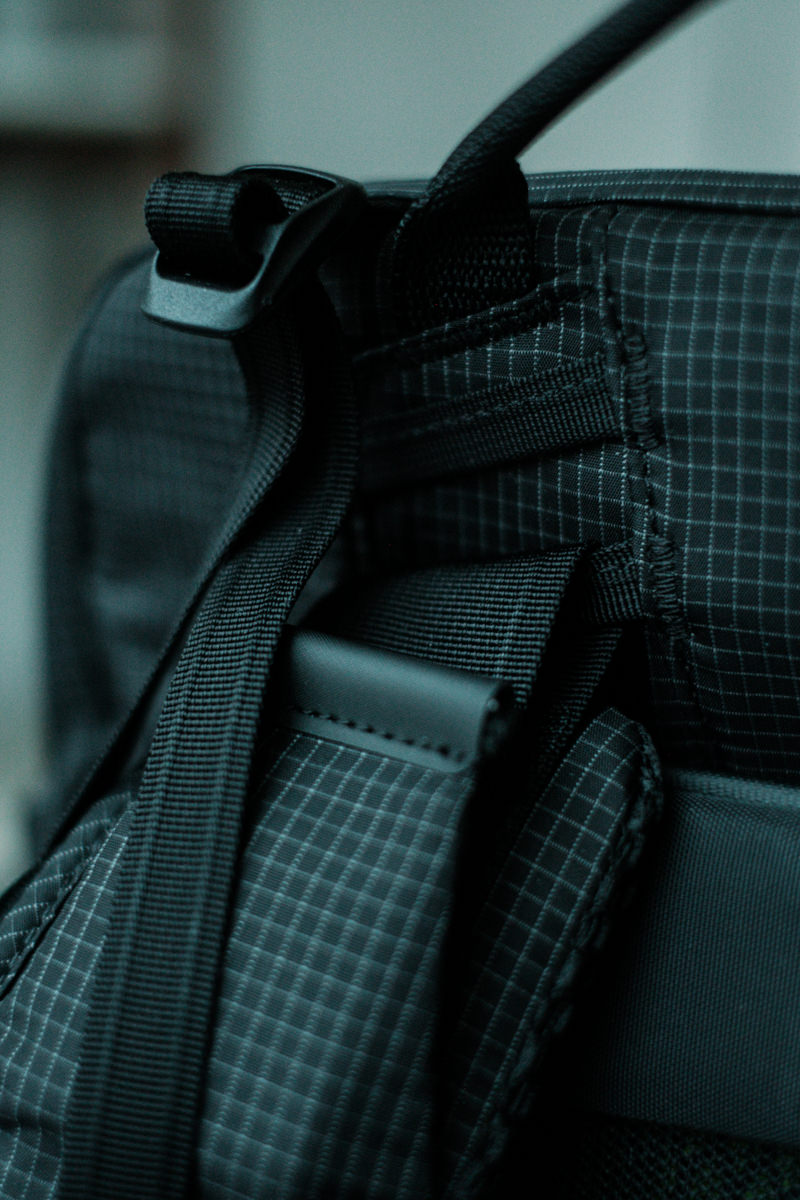
3. Adjustable Back Length
The Ultralight 30L allows you to change where you attach the shoulder straps to adapt to different body types. This micro adjustment is useful for finding the perfect fit.
It’s a thoughtful inclusion and experience hikers will know that adapting a pack to your body and distributing the weight properly can make a world of difference at the end of a long hike (and definitely the day after).
4. Detachable Waist Belt
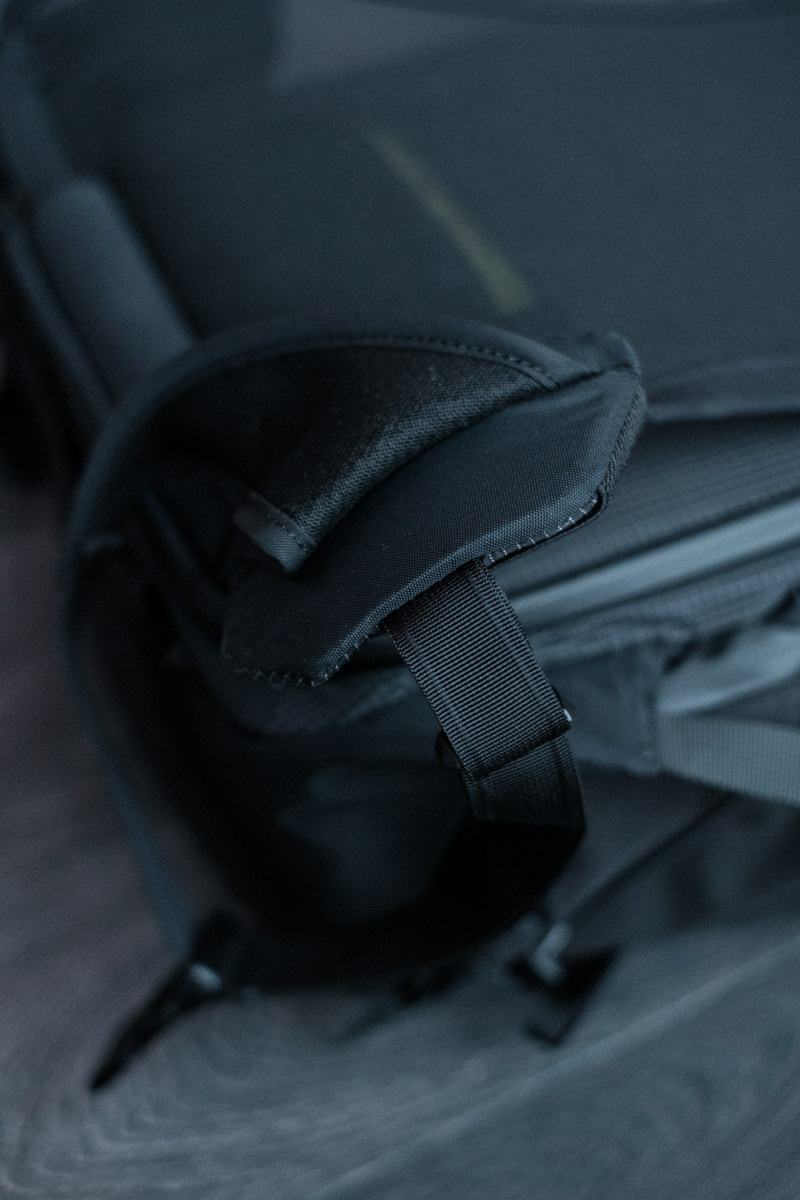
There’s no waist support or belt on the 20L. The suspension frame on the 30L version has a rigid hip stabilizer that helps to redistribute some of the weight from your shoulders to your hips.
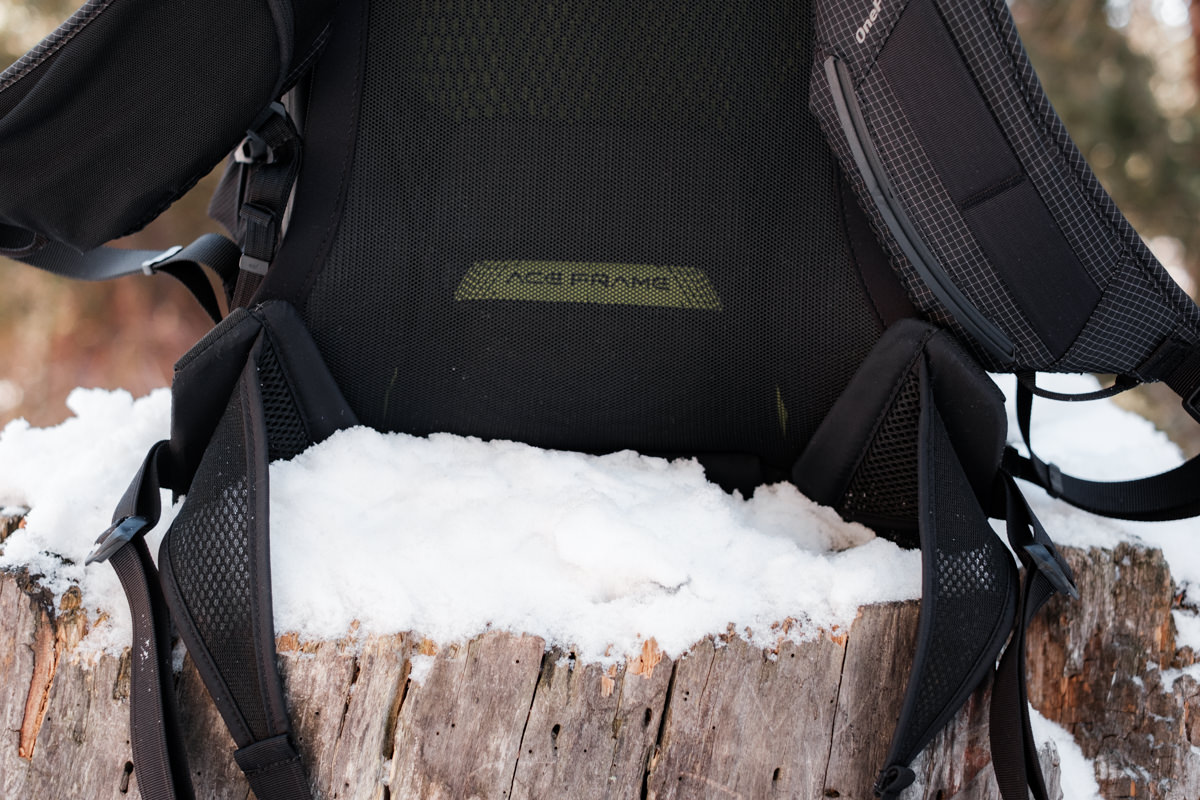
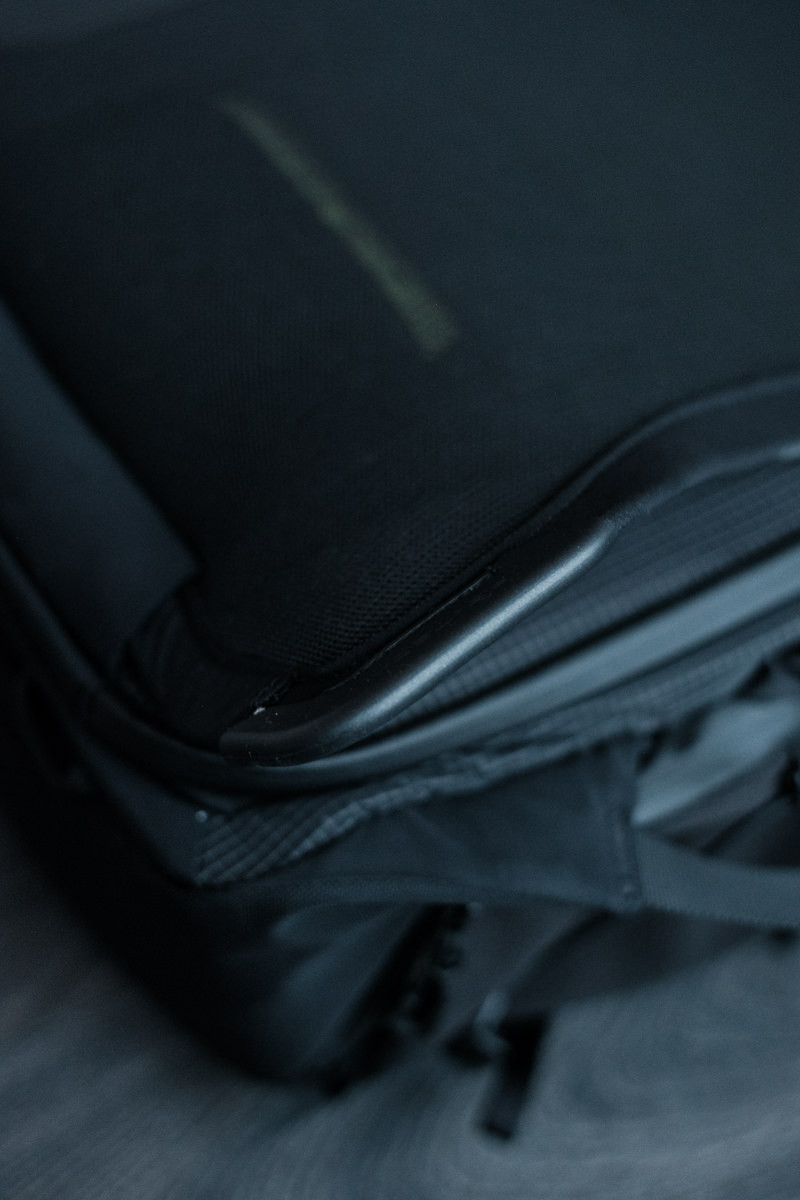
But more of note is that it pushes the bottom of the pack away from your body and slightly angles it so that the pack’s center of gravity doesn’t pull back on your shoulders as much.
Once dialed in, I hardly felt the pack even with 30 lbs of gear, water, and other equipment.
The hip-belt is also removable or tucked away when not in use. I found that the frame is still there somewhat contouring to your lower back, so it still helps with the weight distribution even when the hip-belt isn’t on.
In the outdoor space, there are many well designed packs that might be lighter or use a more sophisticated suspension system, but this is the first hiking camera bag that I’ve really liked.
I’ve looked at F-Stops packs, but I never quite liked the design or the price.
TheShimoda Designs Action X30 is the closest comparable pack that I liked, but comes in at a higher price point as well.
5. Included Rain Shell + Storage Pocket
The material on both the 20L and 30L are pretty weather resistant, but since the 30L is designed for long treks, the included rain shell and pocket is a necessary inclusion.
I had a rain shell with my Wandrd PRVKE 21L and I used it no more than a hand full of times over 6 years.
Personally, I’m fine with the 20L not coming with one, but if I were taking my 30L on a multi-day trek, it’s definitely worth having the rain shell tucked away for peace of mind.
Why Choose The OnePro Ultralight 20L
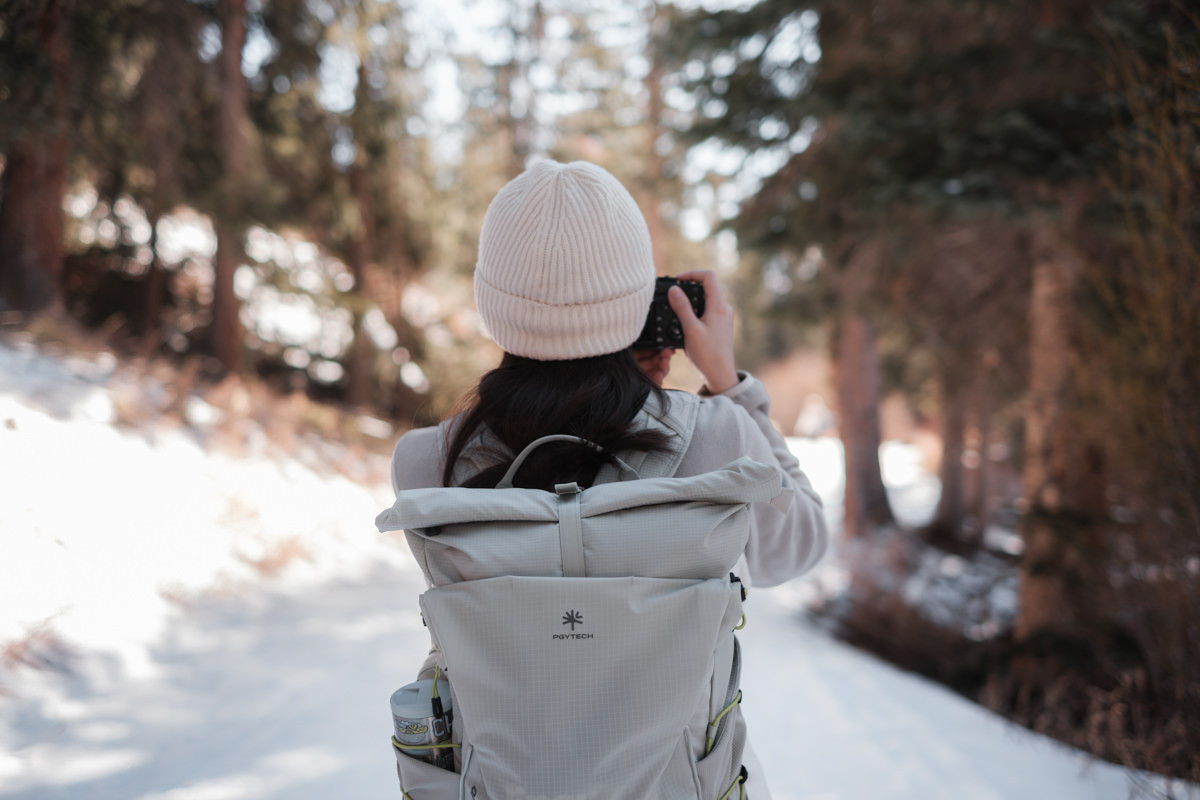
If you want an everyday camera bag that doubles as an everyday backpack or want something that you can take as a personal item, go for the 20L.
It comes in around $50 less than the 30L version, doesn’t take up a carry-on allowance space, and carries the same amount of gear as the 30L and 40L version. The difference in space is in the the expandable roll-top compartment.
Why Choose The OnePro Ultralight 30L
If you want a hiking camera backpack or something where you’re carrying more gear that’s not just camera equipment, and don’t mind the extra 5” in height, go extra space and features on the 30L/40L.
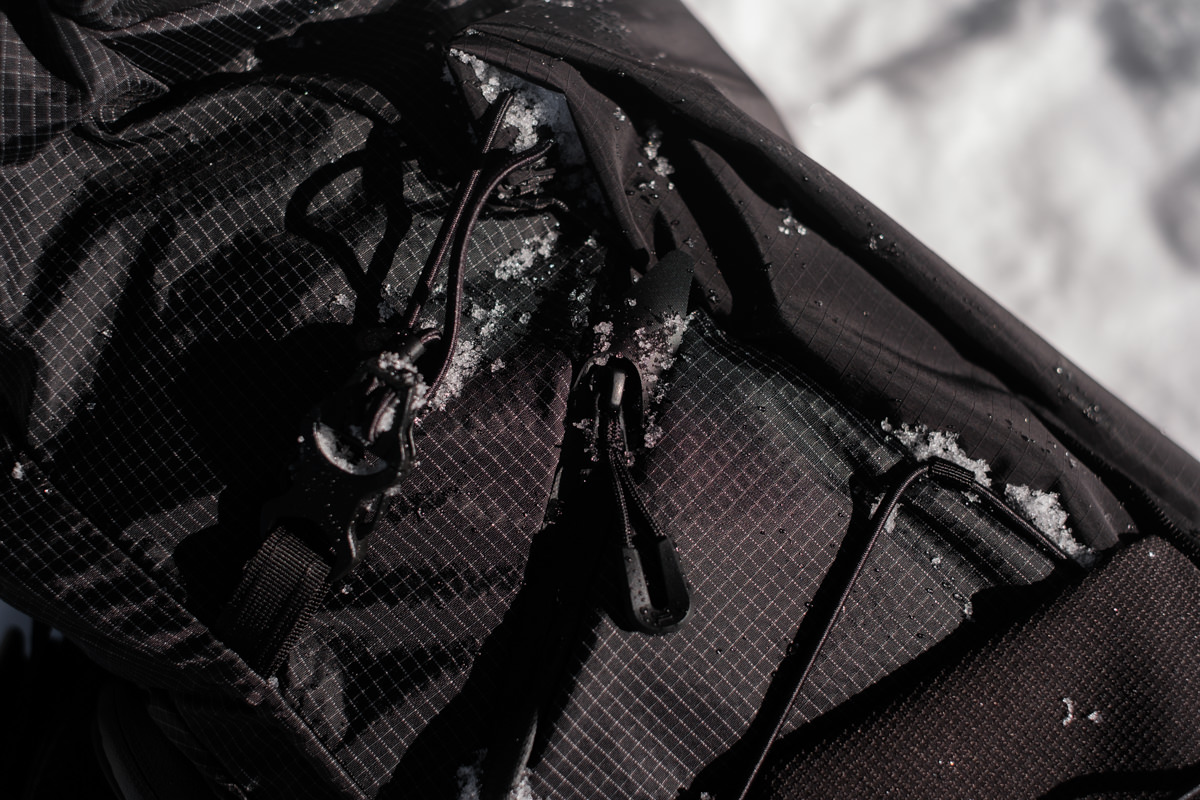
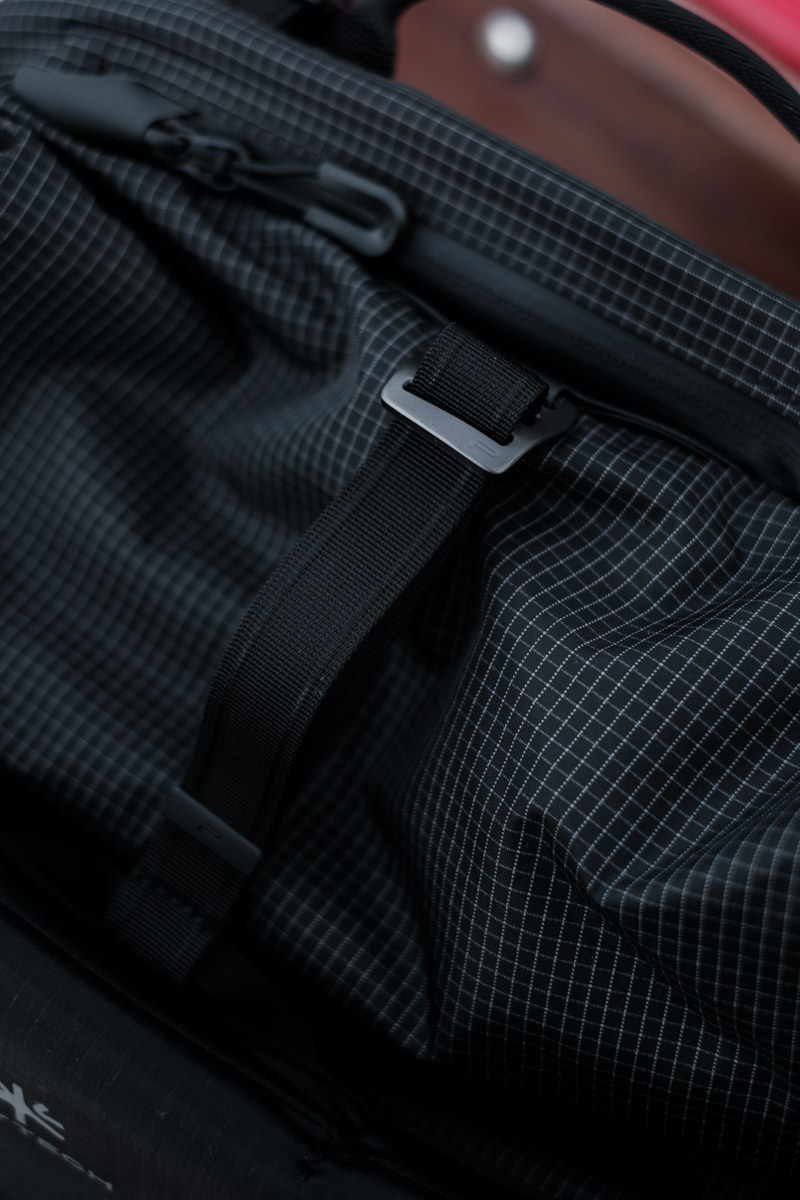
I liked how everything looked so nice in the black on black design with the grid pattern. And of course all the details like the straps, zippers, clips, are the same here as they are on the 20L.
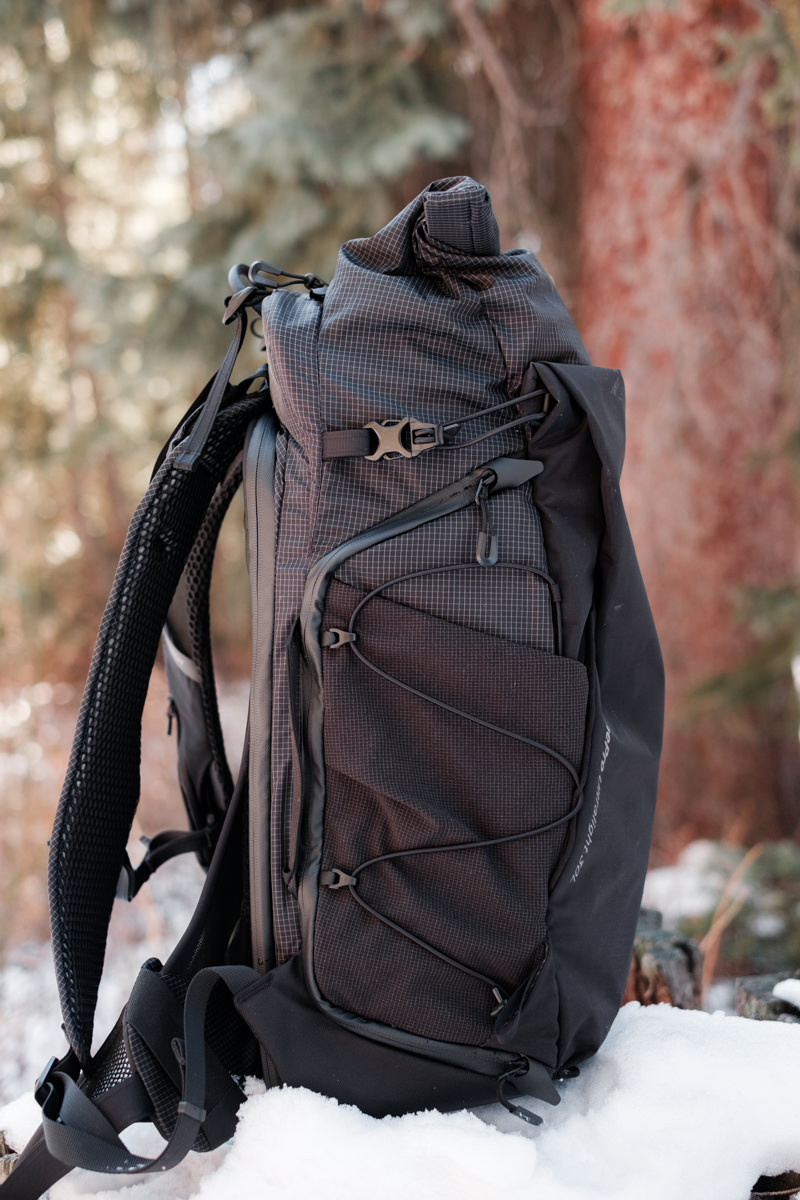
The suspension frame and hip-belt will help you carry anything over 30 lbs with greater comfort, especially if you’re carry it all day.
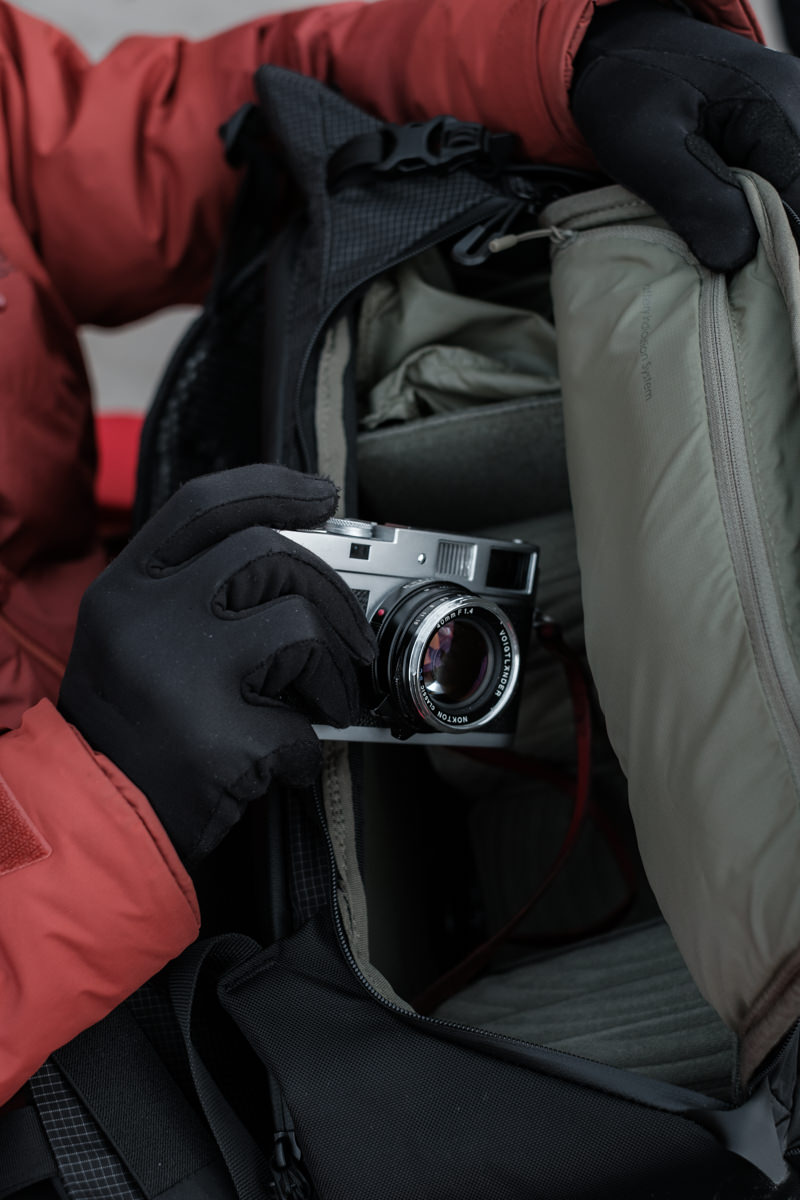
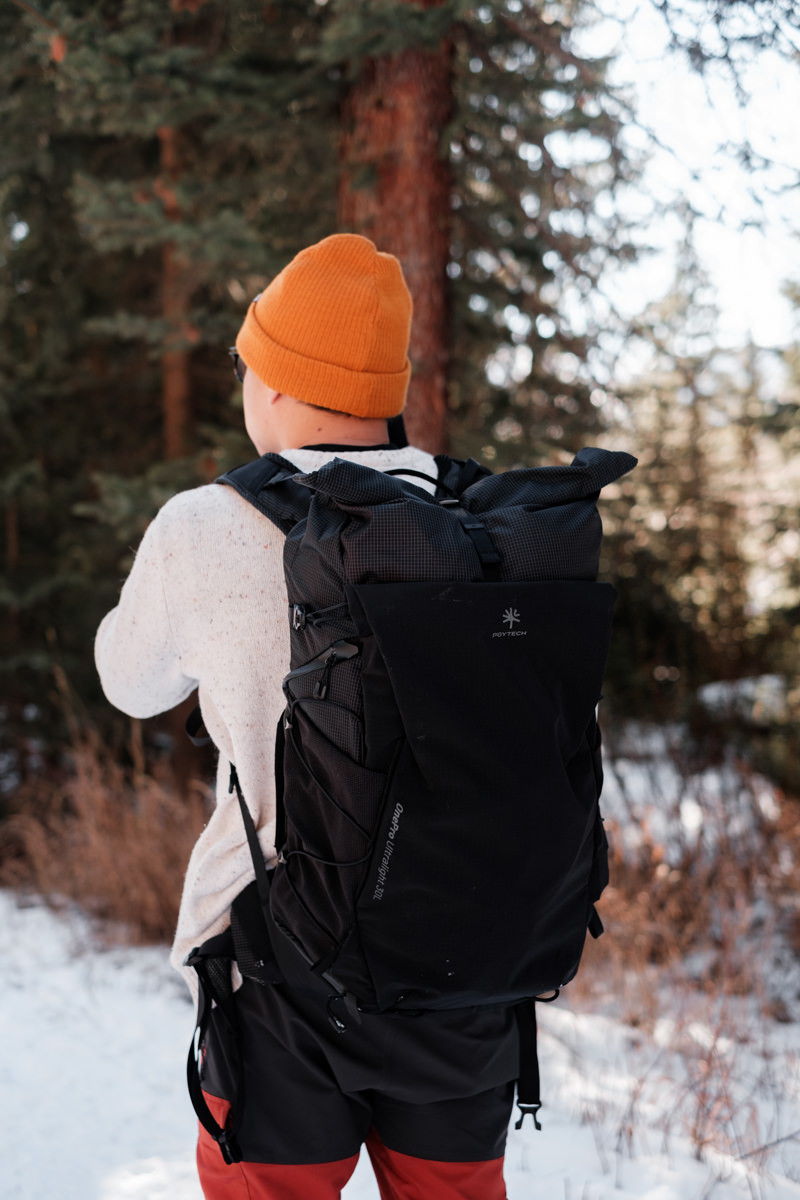
Why I Chose Both Versions
I only change gear once in a while, because if something works, it works. Since my partner and I share bags, I found both versions to serve the camera carry purpose but for different types of trips.
I would use the 20L every time I’m flying somewhere, so I can keep my everything close to me. It’s discrete and easy to take everywhere. She uses it as a regular daily carry.
The 30L is what I reach for when my shoots involve trekking or I’m on a multi-day adventure. This would have been my pack for my crazy Dolomites trip, my Iceland roadtrip and my recent Finland Northern Lights adventure.
If I’m going skiing or doing something winter activities, this will probably be the pack I take with me so I can pack or offload extra layers, carry more food and water, and have access to the rain shell if the weather turns.
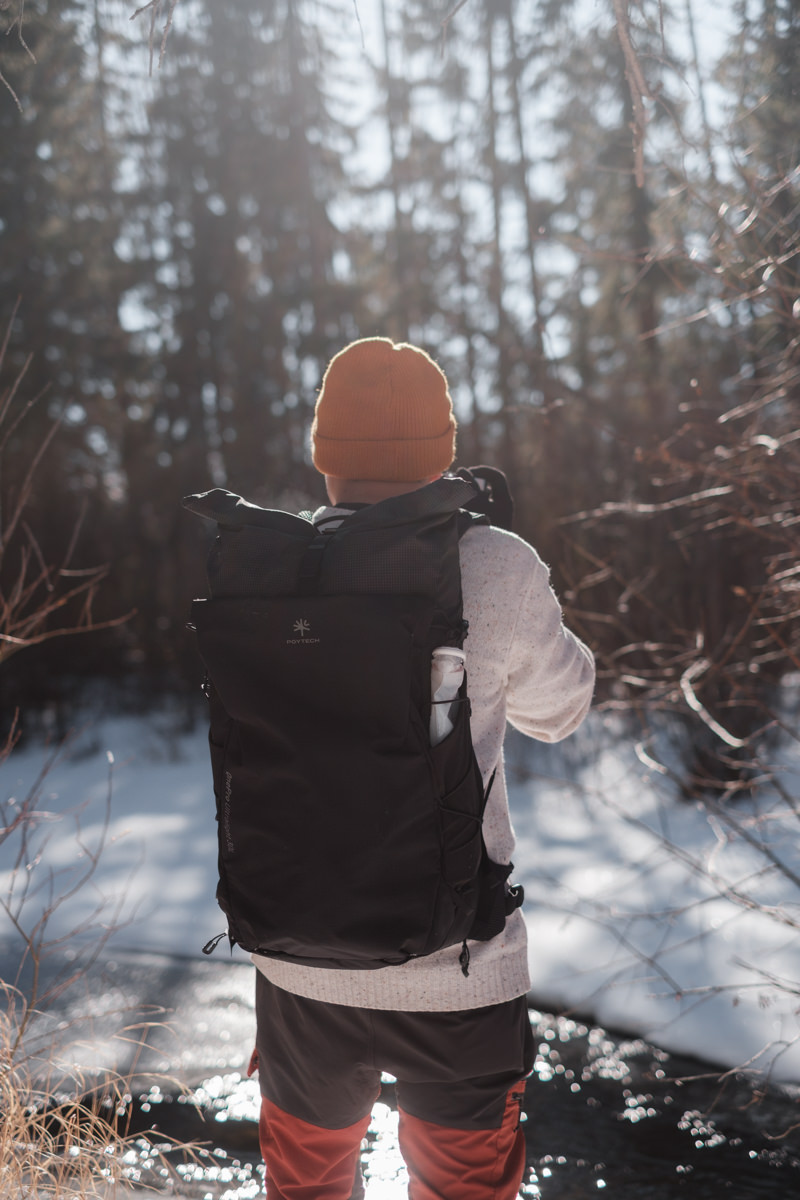
Final Thoughts
Honestly, whichever pack you choose, I think these new OnePro Ultralight bags are great value at $179 (20L) and $229 (30L).
It took an exceptional bag for me to replace my PRVKE 21L, so I’m excited to see how many new countries these bags will see, especially the 20L version.
Update: PGYTECH reached out and offered a 10% off discount if you use the promo code KIENULTRA at checkout.
Updated on March 8, 2026