
The Complete Guide To The 2026 World Nomad Games In Kyrgyzstan
The Complete Guide To The 2026 World Nomad Games In Kyrgyzstan



From my personal journal. 2018.
“In 6 days, I’ll be leaving for Kyrgyzstan, a country I had never heard with a name I can barely pronounce. On a map, it’s flanked by the other ‘Stans and China, and was once part of the great Silk Road journey, but that’s as much knowledge as I have of this place.
How serendipitous that my adventure will coincide with the World Nomad Games that takes place only once every two years. From the little the I’ve learned about it, this is the Olympics of Central Asia, but instead of sports like swimming and track and field, there’s horseback wrestling and a game where a dead goat carcass is used instead of a ball. This will be wild.”
I travel the world to find unique curiosities and the 2018 World Nomad Games had everything I searched for in an experience: a celebration of the region’s nomadic past and culture taking place in a far off land. I came as part of a large contingent of over 500 local and foreign journalists covering the 3rd Nomad Games in Kyrgyzstan.
National Geographic was there. The New York Times was there. And right alongside them, little ol’ Where and Wander.
So What Is The World Nomad Games?
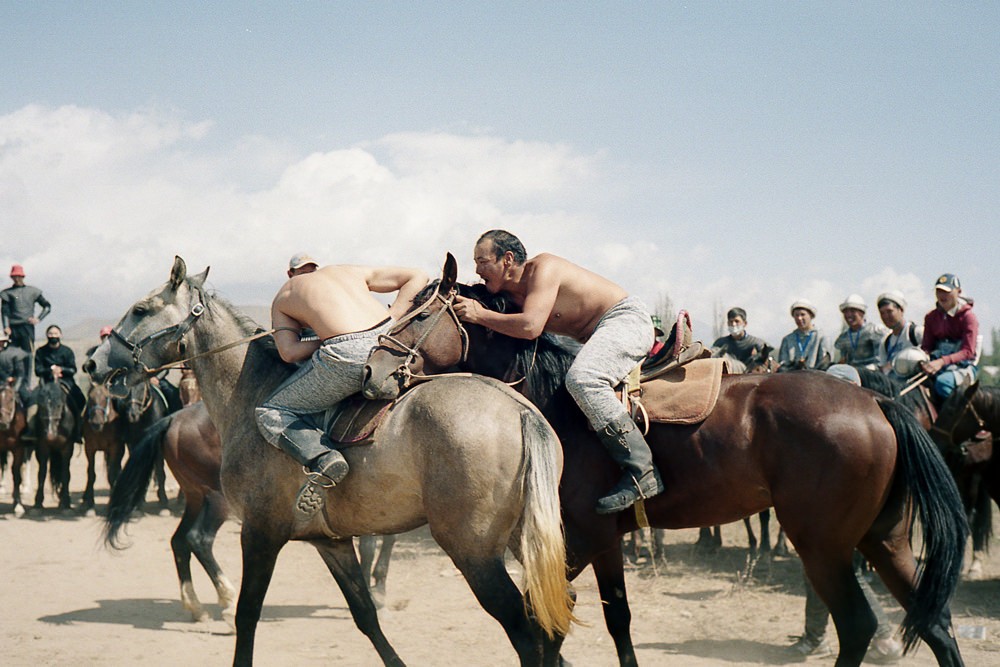
“What’s the World Nomad Games?” was a common question I got before heading to Kyrgyzstan. The short answer is it’s basically the Olympics of Central Asia, but instead of swimming and volleyball, athletes compete in horseback archery, hunt with falcons, and play a game on horseback using a goat carcass as the ball.
On paper, that’s exactly what it is, traditional games that were played by the nomadic people of Central Asia. Today, it is a celebration of its past and tradition.
The 6 day event takes place once every two years and moves between countries in the Central Asian region.
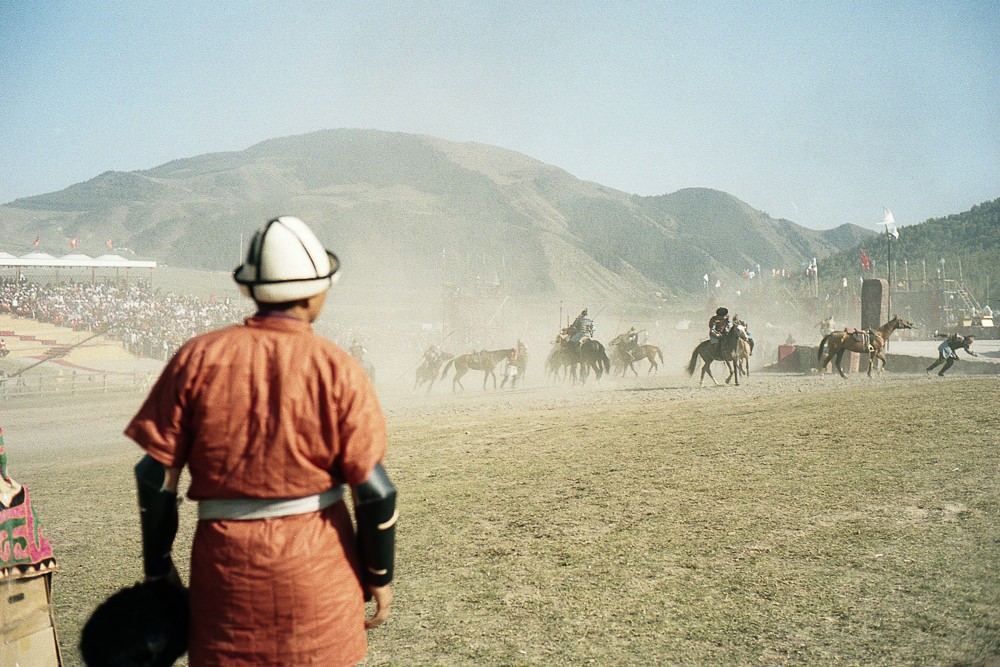
The games, which include sports like Kok-Boru (headless goat polo), Er Enish (horseback wrestling), Salburun (falconry), and Ordo (bocci balls with cow and goat bones) are split between the modern athletic facilities at the Hippodrome and Gasprom Sports Center in Cholpon-Ata and in the open valleys of the Kyrchyn Village about 45 miles away.
When Is The Next World Nomad Games?
The 2026 World Nomad Games is set to return to Kyrgyzstan from August 31 – September 6, 2026.
After being hosted in Turkey and Kazakhstan for the last two runs, the 6th edition of the World Nomad Games will return to its birthplace in Kyrgyzstan.
I will be attending the 2026 World Nomad Games on September 3-4, so feel free to hit me up on instagram @hellokien if you want to say hi.
How To Get Tickets For the 2026 World Nomad Games
Ticket sales to the 2026 World Nomad Games are now available for sale online and in person at each venue’s box office. You can find more detailed information here or on their official social channels for the latest information.
At a high level, you only need to purchase tickets for a few events, while the rest of the World Nomad Games are free to attend without tickets.
1000 KGS is roughly 11.50 USD or 9.9 Euros
- The Opening Ceremonies will be held at Bishkek Arena in Bishkek.
- The Closing Ceremonies will be held in Cholpon-Ata and tickets can be purchased here for between 500 – 4000 KGS.
- The Echo of the Nomads International Ethno-Song Music Festival takes place at the Hippodrome in Cholpon-Ata and can be purchased here for 500 KGS for one-day admission.
- The Kochmondor Sanaty International Traditional Music Festival can be purchased here for 500 KGS.
- The NOMAD Fest International Music and Ethnographic Festival at Bosteri will require tickets. They cost 500 KGS for one day admission.
- Kok-Boru and Kok-Par Finals are the only two sporting events that will require tickets. You can buy them here for 1000 KGS.
Tickets For Opening and Closing Ceremony
This year, the Opening Ceremonies are expected to take place in the capital of Bishkek, which is roughly 3-4 hours away from Issyk-Kul where the games will be held. The Closing Ceremonies will take place at the Hippodrome in Cholpon-Ata.
Tickets for the Closing Ceremonies can be purchased here and seats range from 500 to 4000 KGS. The Closing Ceremonies for the World Nomad Games will kick off at 7 pm local time on September 6, 2026.
Participant Accreditation For The 2026 World Nomad Games
Applications for participants to the 2026 World Nomad Games will open on May 1, 2026. If you’re interested as an international participant/athlete, email requests to [email protected] before April 1, 2026.
The participant accreditation system will open on May 1, 2026.
Bookmark this page to return as you get closer to the events. I’ll include relevant updated information and links as they become available.
Where Will The 2026 World Nomad Games Events Be Held?
The venues for the 2026 World Nomad Games have been announced at the following locations:
Hippodrome, Cholpon-Ata (location on map): The horse track arena will host most of the horse related activities including horse racing, Er-Enish, and Kok Boru. The closing ceremonies as well as the Echos of the Nomad music festival will also be held here.
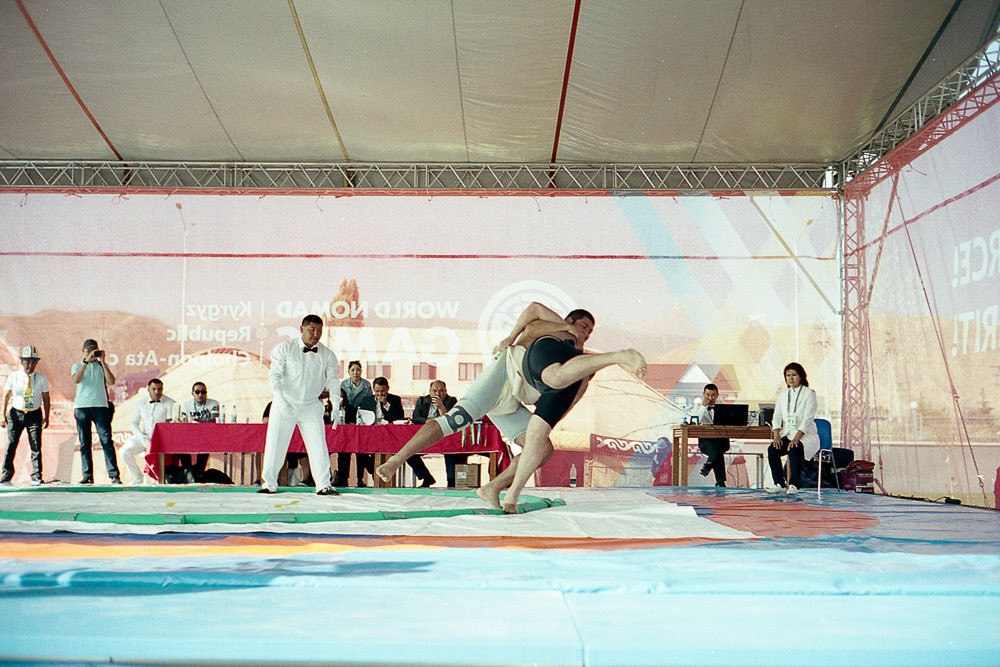
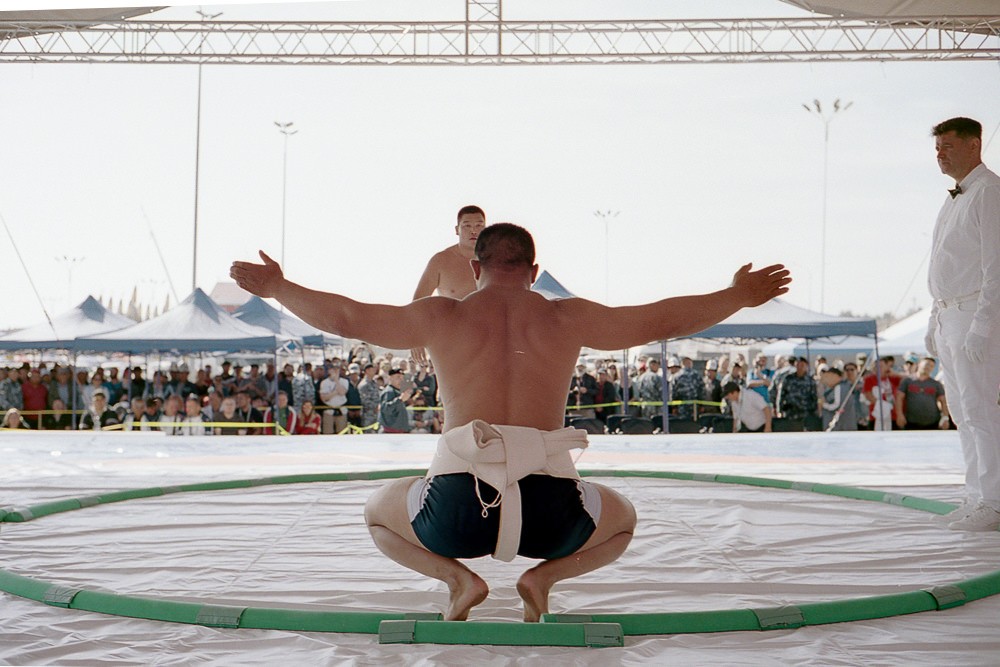
Gazprom Sports Complex, Cholpon-Ata (location on map): The modern sports complex will host most of the wrestling competitions including sumo and sambo, kurosh, and great nomadic wrestling.
Rukh Ordo Cultural Center (location on map): Events like Mas wrestling, tug of war, and Toguz Korgool (nine pebbles) will be held here as as well as panels and stalls for the international ethno festival and the Kochmondor Sanaty traditional music festival.
Ethno Village, Kyrchyn (approximate location on map): Events like archery, horseback archery, falconry will be held here as well as cultural stalls and performances. For this edition, they are building a new ethno village that is unlike anything that existed at the previous games. This is where you want to go to truly experience the World Nomad Games.
Dordoy Nomad Cultural Complex, Cholpon-Ata (location on map): The new Nomad Fest will be held here at the Amphiteater venue, which located a little over 2 km east of Bosteri.
The Opening Ceremony (August 31, 2026) will be held at the new Bishkek Arena, also known as Azattyk Arena, which is expected to launch its grand opening to coincide with the Opening Ceremony.
Note: Bishkek is the capital of Kyrgyzstan, but most of the events will be held in the Issyl-Kul lake region, which is about 3 hours away to the east.
While some of the major events like Kok-Boru will take place in Cholpon-Ata, the Ethno Village location in Kyrchyn (about an hour drive away form Cholpon Ata) is where most of the festivities and cultural events will be held.
Where To Stay In Bishkek and Cholpon Ata For The World Nomad Games
First off, the Opening (August 31, 2026) will be held in the capital city of Bishkek, while the Closing ceremony (September 6, 2026) will be held in Cholpon-Ata where the games will be held. What’s important to note is that August 31st also happens to be Kyrgyzstan’s Independence Day. We’ve already booked our accommodations ahead of time for this period.
If you’re planning to go for the entire games, I would recommend booking accommodations in Bishkek at least on August 31st and accommodations in Issyk-Kul for the week after.
For the week of the games, while the Hippodrome and Sports Complex is in Cholpon Ata, there are plenty of other places to stay along the lake. The Issyl-Kul lake region is a popular local vacation destination, so you’ll find many options here. We’ll be staying in Bosteri specifically, since it’s one the villages closest to Cholpon-Ata.
Important Note For Getting To Kyrchyn Village
Updated September 2, 2026.
You will not be able to drive directly to the Kyrchyn Gorge will personal vehicles.
There will be shuttles running from Cholpon-Ata and various stops along the way that will take you to the game. There’s high demands, so expect potential high wait times.
Do You Need To Rent A Car For The World Nomad Games?
Outside of the Opening taking place in Bishkek, most of the events will take place roughly 3 hours away from Bishkek in the Issyl-Kul region. There will be shuttles between the town of Cholpon Ata and the Kyrchyn Gorge, but expect wait times.
There are buses from Bishkek to Cholpon-Ata or you can take a taxi here as well.
An alternative option is to a rent a car so you can get around more easily where most of the events will be held. With a car, you can also stay anywhere along the northern side of Issyl-Kul lake, and not just Cholpon Ata.
Note: I found the roads and driving in Kyrgyzstan to be a bit unpredictable, especially in Bishkek. As always, exercise caution when you’re driving and make sure you have insurance coverage. The road from Bishkek to Issyl-Kul is a bit more open and should be relatively well maintained as it’s a popular route. However, expect some dirt roads as you go from Cholpon Ata to Kyrchyn.
The Format For The World Nomad Games In Kyrgyzstan
For this edition of the World Nomad Games, participants from around the world will compete and showcase in three areas: Sports, Cultural, and Scientific
For the traditional Sports Program, there will be 21 different competitive sports and 10 demonstrative events. I’ll include the full list below.
In the Cultural Program, different performances and interactive displays will be organized next to the Kazanat race course as part of the Ethno-Aul fairground. This will be a showcase of nomadic culture with exhibitions from the best craftsmen of Kazakhstan.
Classes and demonstration will be held to share the knowledge of different music, arts and crafts with visiting guests.
The Ethno-Aul will also host hunting competitions with birds, performances of national wrestling styles. Traditional food and drinks will be served and shared as part of the cultural exchange.
Lastly, and for the first time, a Scientific Program in the form of a conference will take place to showcase and share knowledge from amongst the nomad countries. Participants can apply to submit abstracts and posters that will be displayed around the Games.
Sports Program Competition At The 2026 World Nomad Games
The follow are the different sports competitions held at the World Nomad Games. 110 medals will be awarded. These games celebrate the rich cultural heritage and traditional sports of nomadic peoples from around the world. Below is a high level break down of the different games and categories
Games on Horseback
- Baige: A long-distance horse race where riders compete over an 18 km course, showcasing their endurance and horsemanship.
- Tenge Ilu: A game where participants on horseback try to pick up coins from the ground while galloping, testing their dexterity and riding skills.
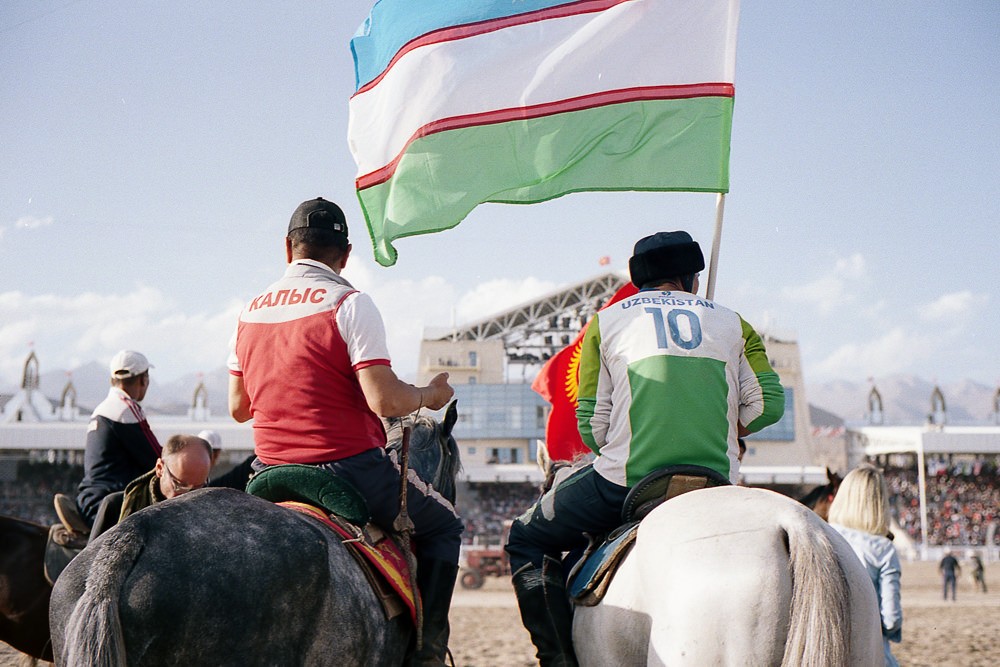
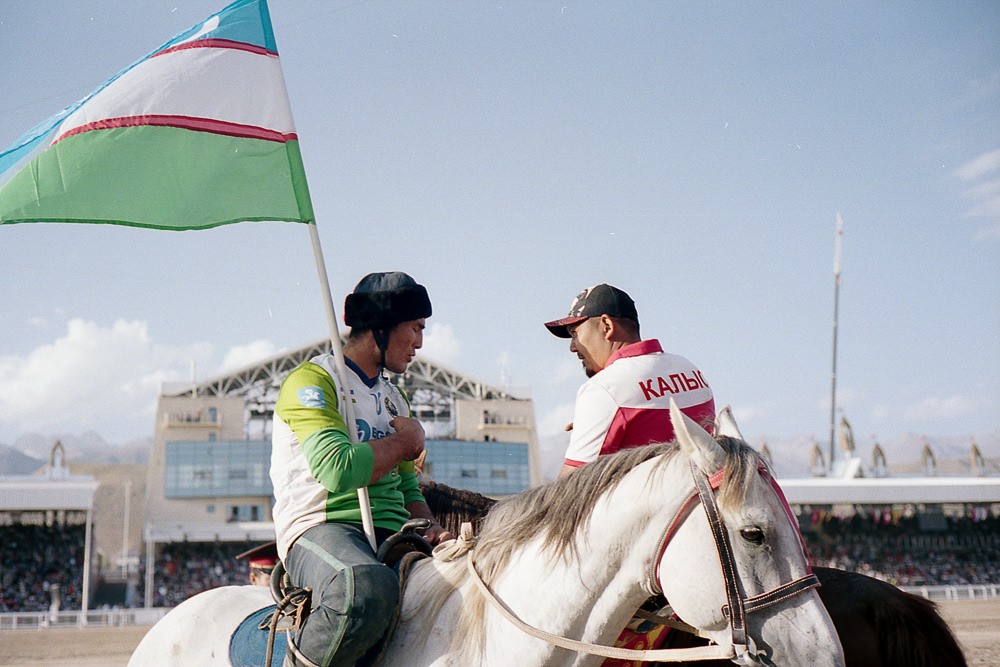
- Kok Boru: A traditional game similar to polo, where two teams on horseback compete to place a goat carcass in the opposing team’s goal circle.
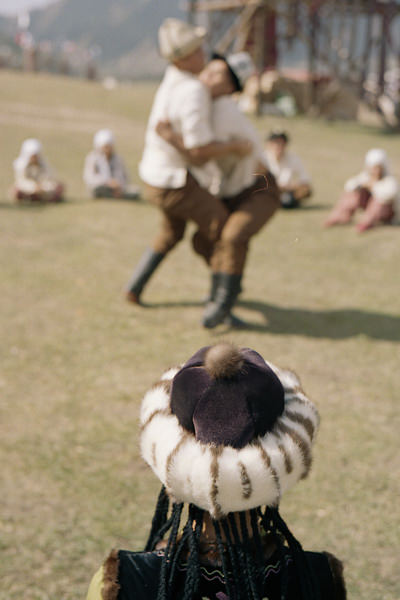
- Horseback Wrestling: A wrestling match conducted on horseback where participants try to unseat their opponent from their horse.
- Horseback Archery: Competitions where archers shoot at targets from horseback, demonstrating their skills in various traditional styles.
Games of Strength
- Kurash: A form of wrestling where athletes compete in a standing position, aiming to throw their opponent to the ground without using leg holds.
- Qazaq Kuresi: A traditional Kazakh wrestling style where competitors must stay standing and use upper body strength to throw their opponents.
- Nomad Strongman: A strongman competition featuring feats like lifting and carrying heavy stones, squats with heavy bags, and javelin throwing.
- Mas Wrestling: A stick tug-of-war game where two opponents sit facing each other and try to pull a stick out of the other’s hands or drag them over a barrier.
- Tug of War: A classic team competition where two teams pull on opposite ends of a rope, aiming to drag the other team across a central line.
- Alysh: Kyrgyz belt wrestling where opponents grip each other’s belts and attempt to throw their opponent onto their back.
- Ashyrtmaly Aba Gureshi: Turkish belt wrestling conducted on a grassy field where competitors try to throw each other while holding onto belts.
- Koresh: A form of belt wrestling from the Turkic cultures where competitors try to throw each other while holding onto a belt.
Games of Skill
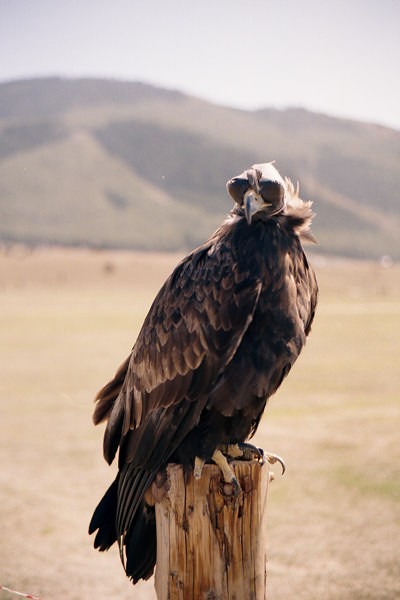
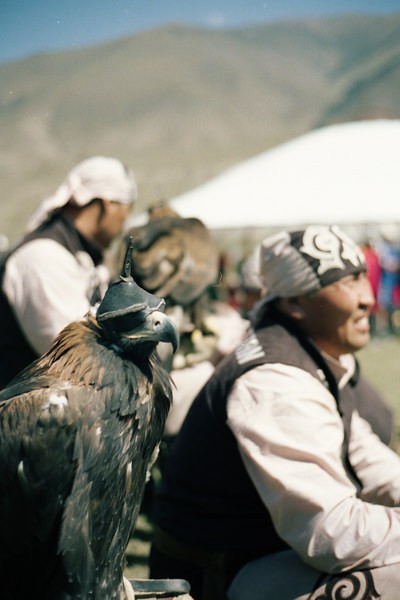
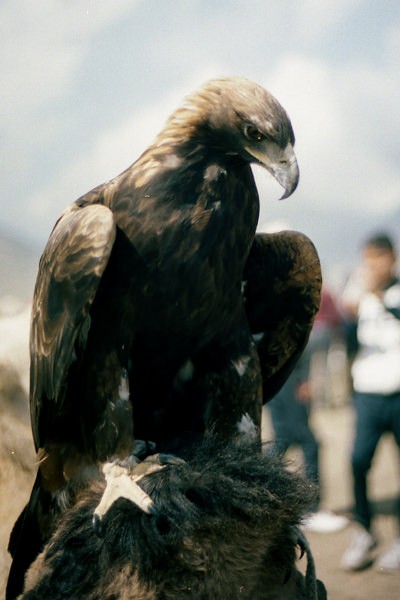
- Kusbegilik: Traditional hunting with golden eagles, where trained birds are tested on their ability to respond to calls and catch bait.
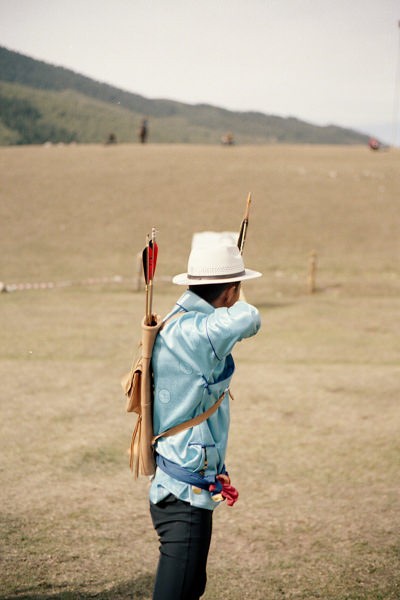
- Traditional Archery: Competitions in traditional archery held at various distances, with participants wearing traditional uniforms and using traditional bows.
- Asyk Atu: A traditional game involving tossing and catching sheep knucklebones in various stages of difficulty, often played by children in Central Asia.
- Ordo: A team game played on a circular field where participants try to knock over pieces arranged in the center using a throwing stone.
Games of Strategy
What Is Kok-Boru and Kokpar?
Kok-Boru, a traditional horseback competition similar to polo, is probably the game that most people refer to when they talk of the World Nomad Games. These are the most coveted seats of the entire week, much like the 100 meter sprint at the Summer Olympics. It is also the most eyebrow raising of the games. So what exactly is Kok-Boru?
In Kazahstan, Kok-Boru îs referred to as Kok Par and it’s referred to as Buzkashi in Afghanistan. The rules might differ a bit, but the game is basically the same: get the goat carcass into the goal.
That’s right. 12 players on a team. 4 are field at a time and fight against the other team to carry and toss a prepared goat carcass called the ‘ulak’ into the ‘kazan,’ a large bowl like goal on either ends of the field.
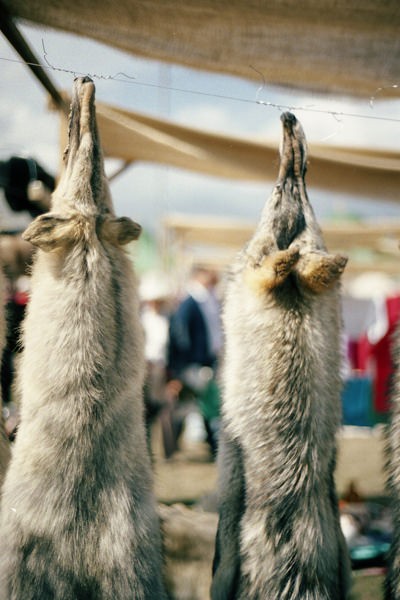
Translated as ‘grey wolf’, the game originated hundreds of years ago in the open plains of Central Asia when hunters defending their herds from wolves would return with the carcasses of the wolves and entertain themselves by playing keep away with those carcasses. The games evolved over the centuries and today is played with the carcass of a dead goat with the aim of getting it to the opponent’s side of the field. If there’s a game that really brings out the patriotism of competition countries, it’s this one.
It’s a brutal game that requires a lot of strength (to haul a 30-33 kg goat carcass) and skill on horseback (to outmaneuver the other opposing horseback riders). I’ll go into detail below if you want to learn more about the game and see my photographs of Kok-Boru.
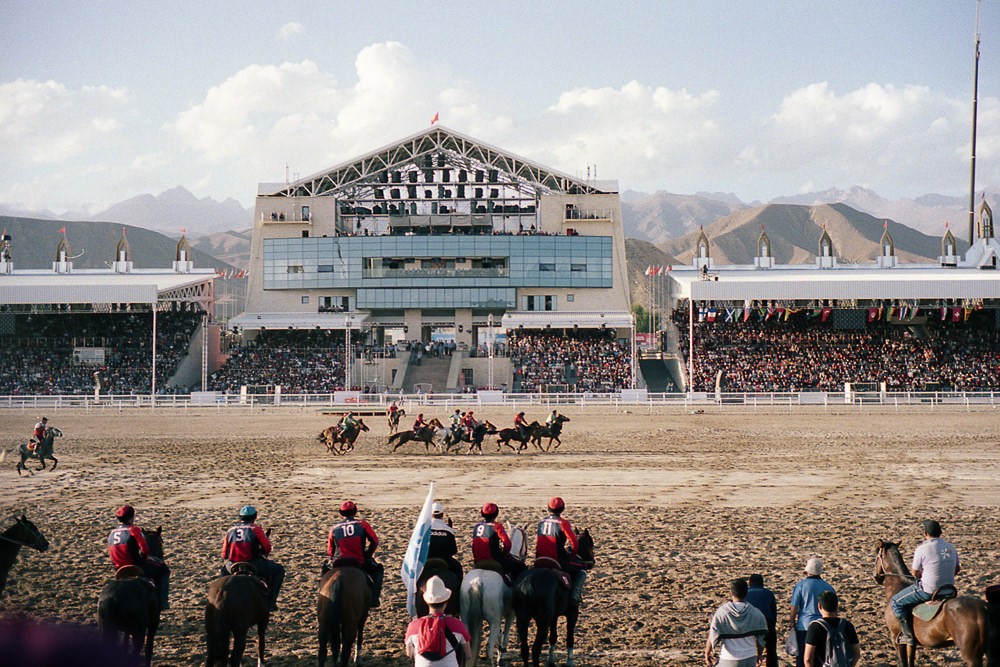
How I Captured The 2018 World Nomad Games on 35mm Film
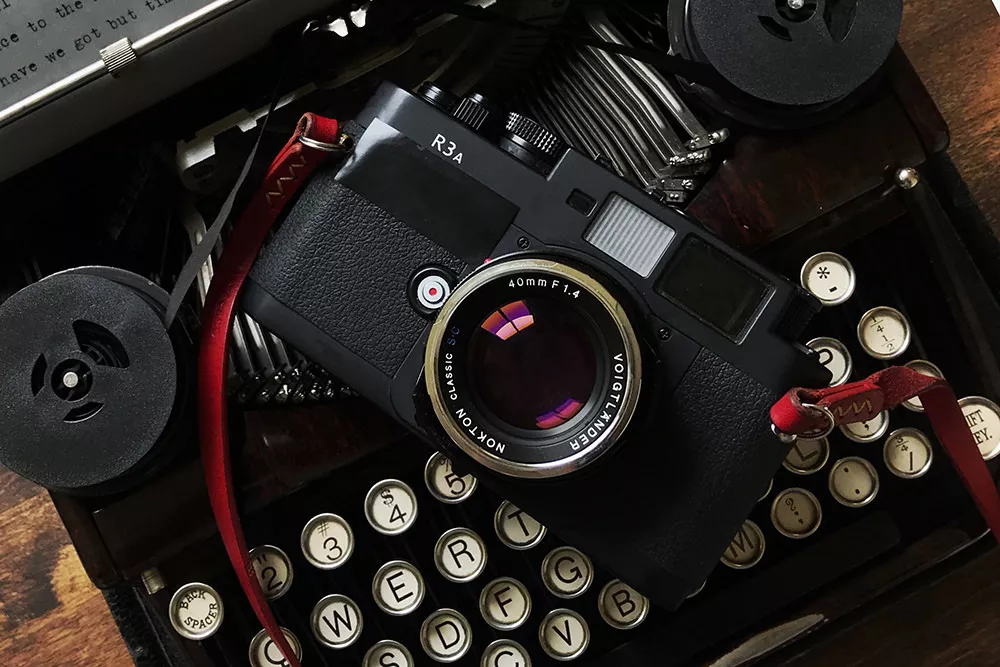
For my assignment, I decided to go analog and left my usual gear at home for a much more simple kit: a Voigtlander Bessa R3A 35mm camera, the perfectly paired Voigtlander 40mm f/1.4 lens, and 30 rolls of 35mm Portra 400 film.
36 shots per roll. One focal length, no zoom, no instant review, and no telling if I got the shot or completely screwed up the focus, exposure or composition. It had been years since I’ve shot on film, so there was certainly some pressure and palpable excitement prior to pressing down on the shutter and exposing that first shot onto the negatives. I would also have to wait until returning home to develop and scan the negatives.
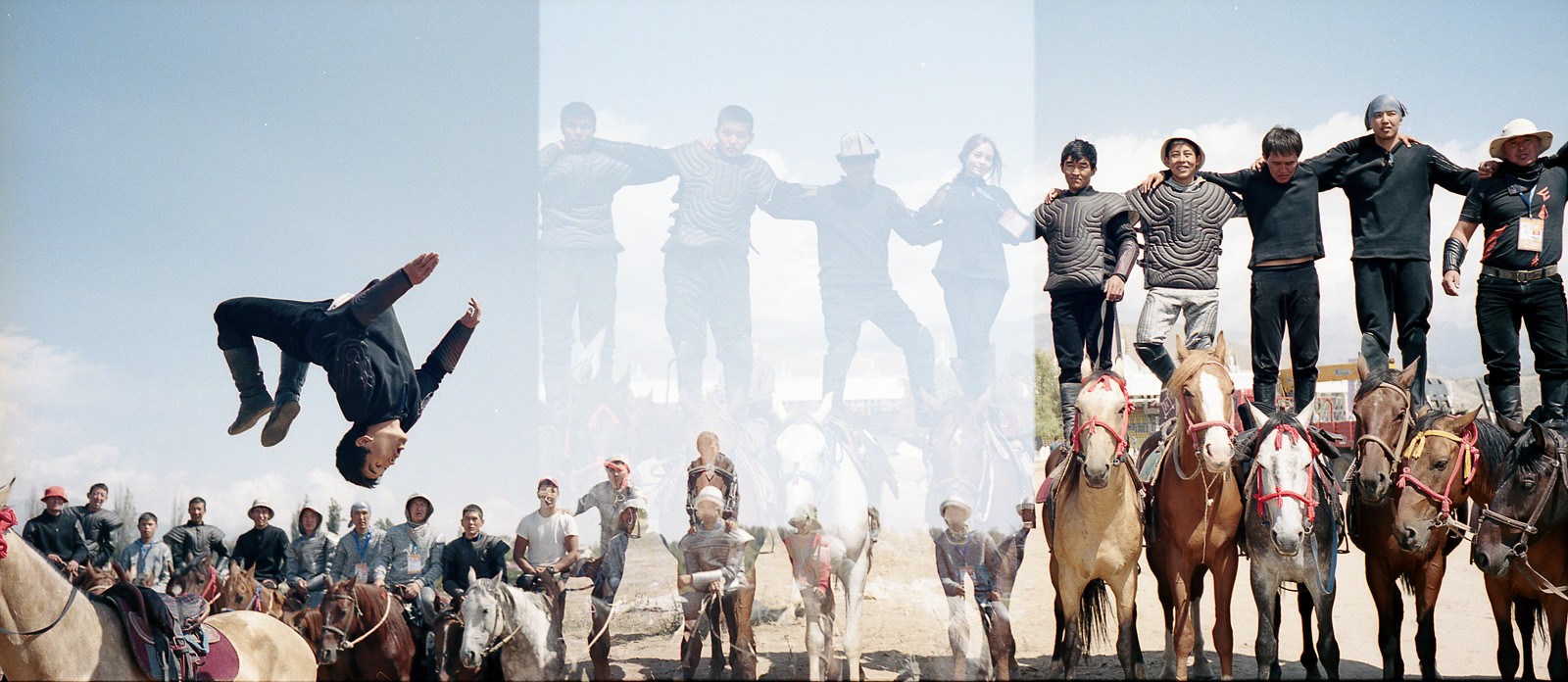
A Beautiful Mistake
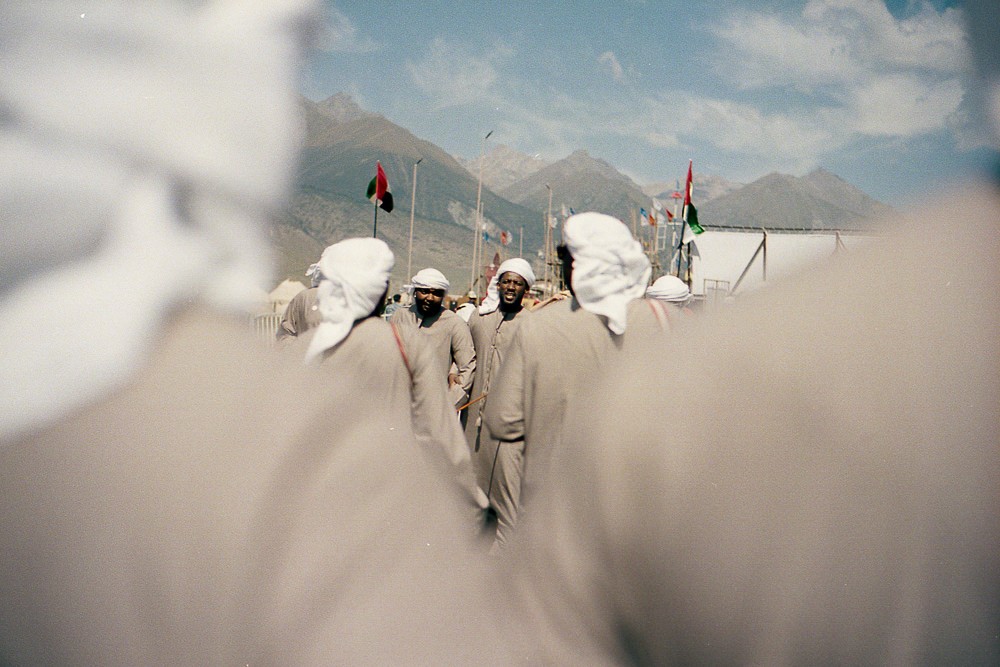
The magic of shooting on film is that you can’t fully predict what will happen, and two of my first shots were partially exposed on top of each other from not being properly winded forward. It was a definitely an error, but it also turned out to be one of my favorite captures from the game. Seeing these photographs nearly two months after the games brought back so many memories.
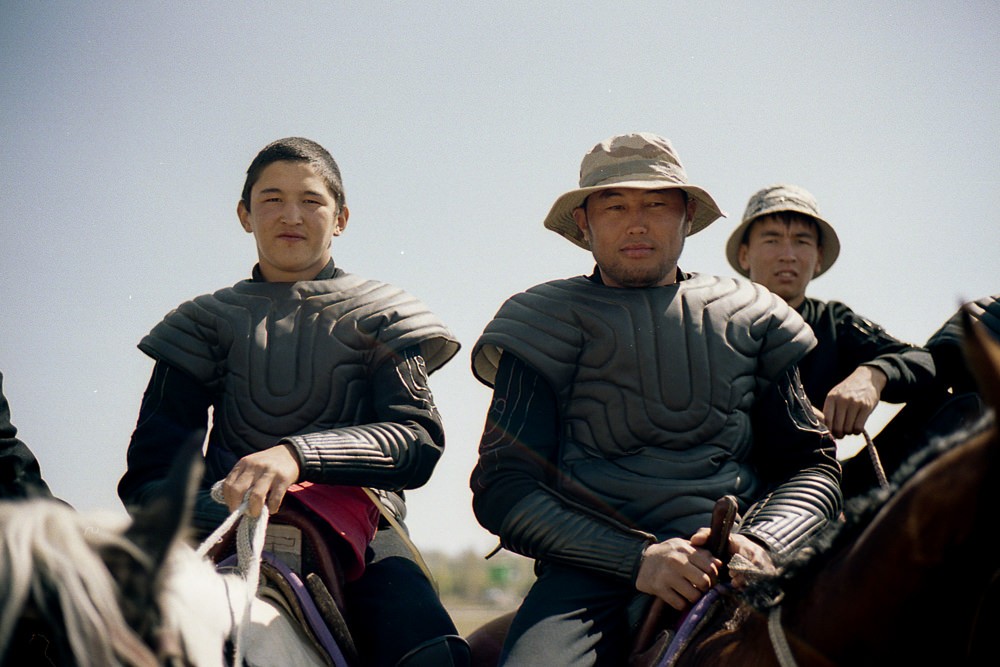
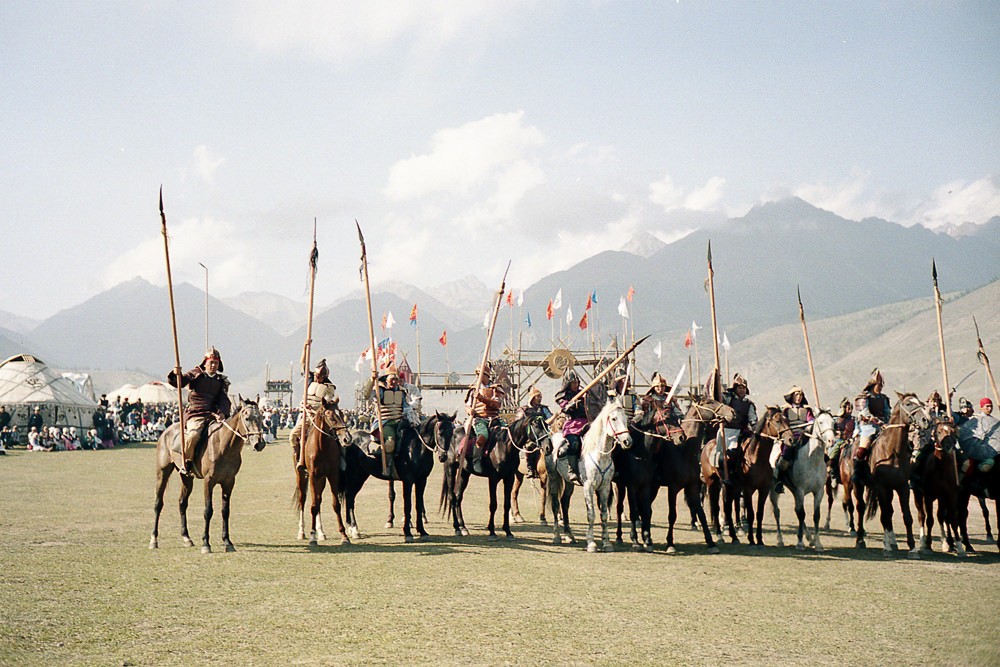
With media credentials, I was able to go to the Hippodrome Stadium while preparations were still being made for the Opening Ceremony. Dancers rehearsed their choreography, a large crew of people was putting the final touches on the staging area, and a group of horse riders (including men, women and children) assembled to practice a bit of everything.
During their break, the riders formed a large circle while different individuals showed off their skills and I had a front row seat to seeing riders back flip off their horses, men wrestling on horseback, and even one singing a serenade on the Kyrgyz komuz.
What Story Did I Want To Tell With My 40mm Perspective
A 40mm focal length on a 35mm film body is the visual equivalent of just being a hair wider than the human eye’s field of attention. In other words, it’s a little wider than what we see in focus with our eyes.
It’s a beautifully simple focal length that captures what I see. Not much more and not much less. Uncomplicated. For me, it was always going to be about the people.
Although a 600mm telephoto lens would have been nice to capture the brutal detail of Kok-Boru, I was actually more excited to roam around searching for portraits, moments between the action, and frames caught when everyone’s attention is turned elsewhere.
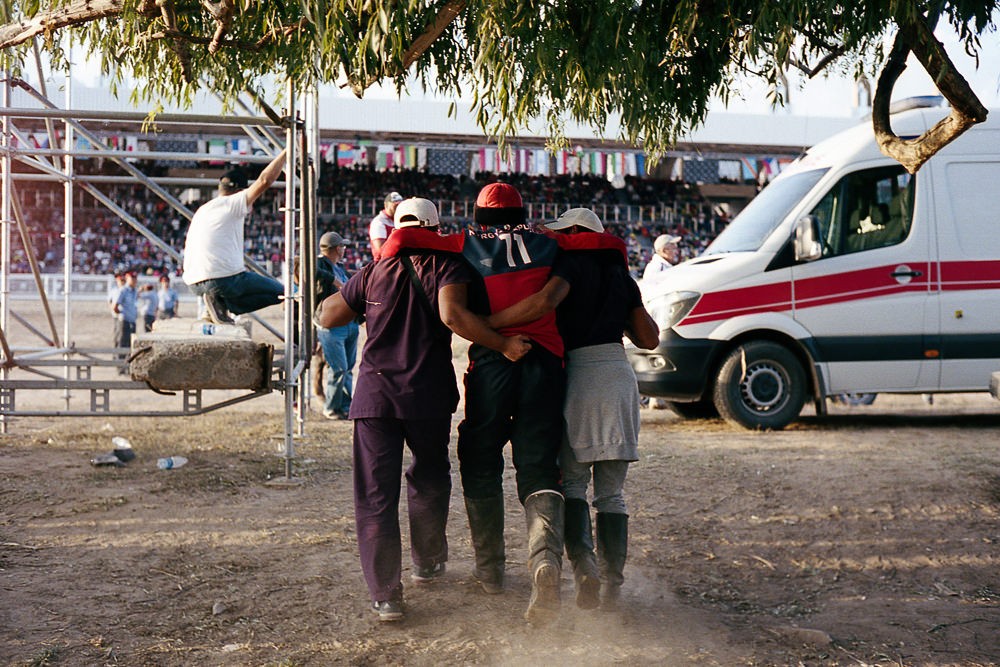
Finding My Stories In The Kyrchyn Gorge
The freedom of shooting with one lens, meant I had to really move around to find what I wanted to capture. The limited number of exposures per roll meant I had to be very deliberate about each shot. In the expansive valley of the Kyrchyn Gorge, I had no shortage of subjects to photograph.
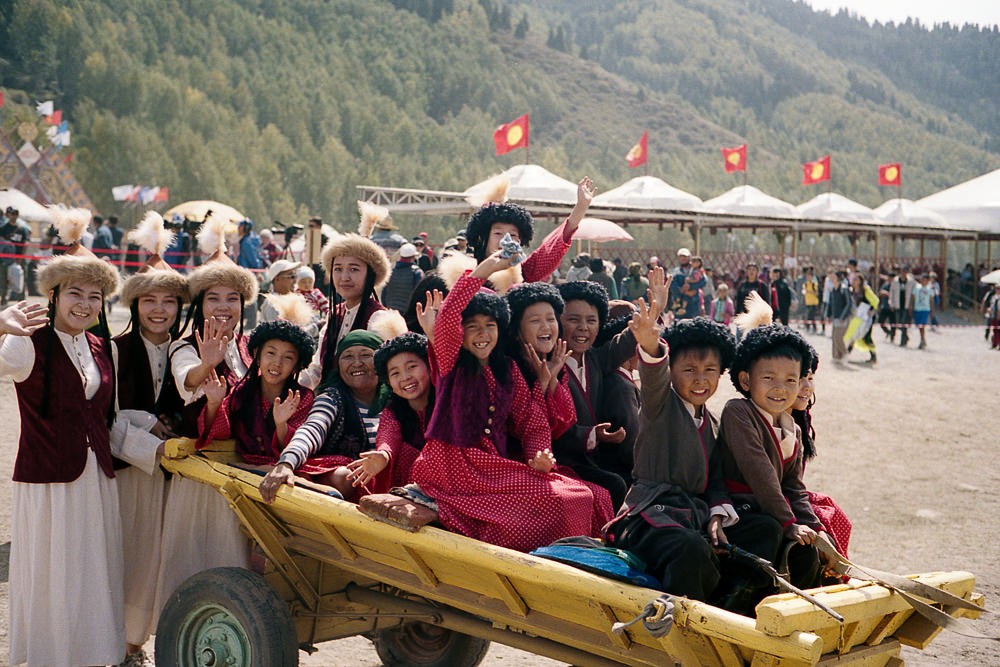
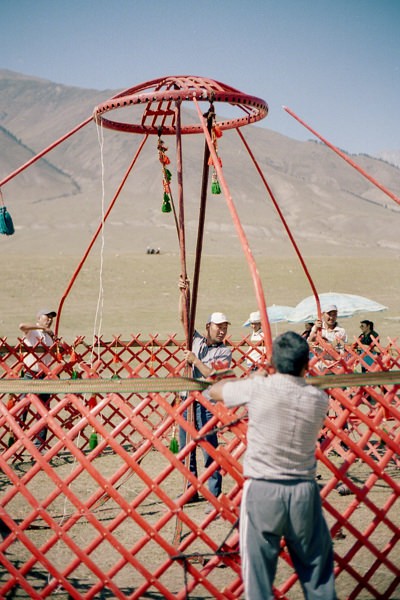
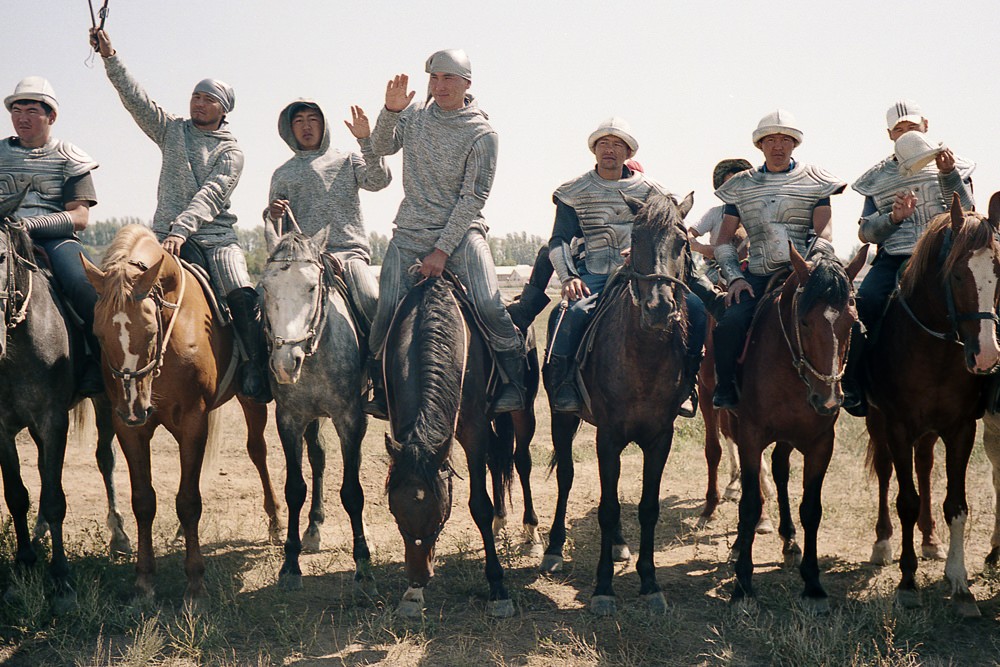
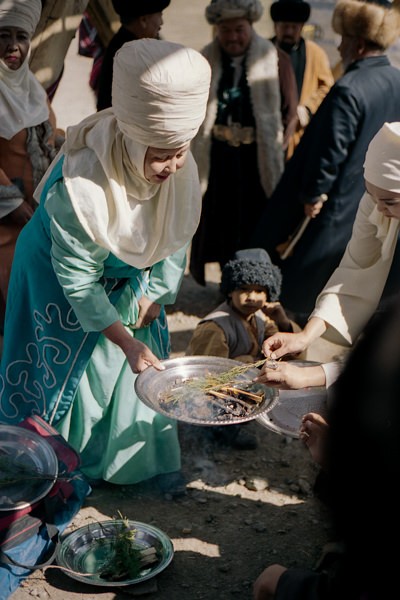
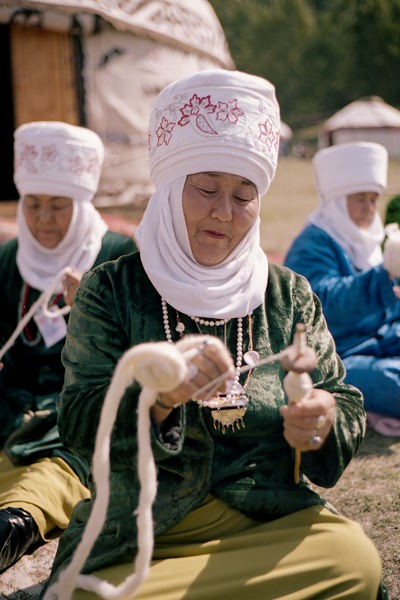
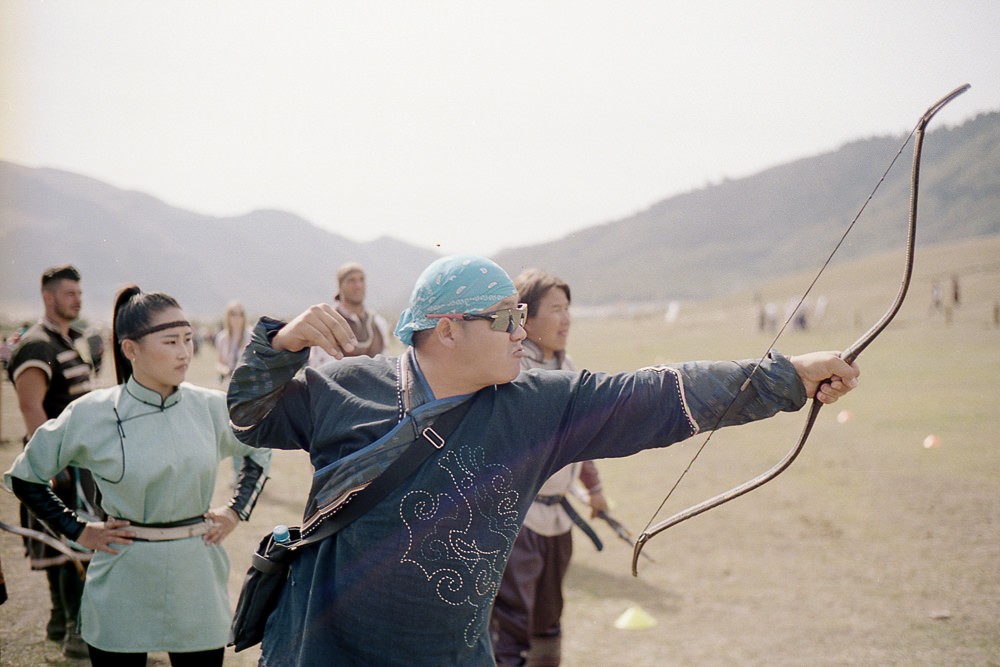
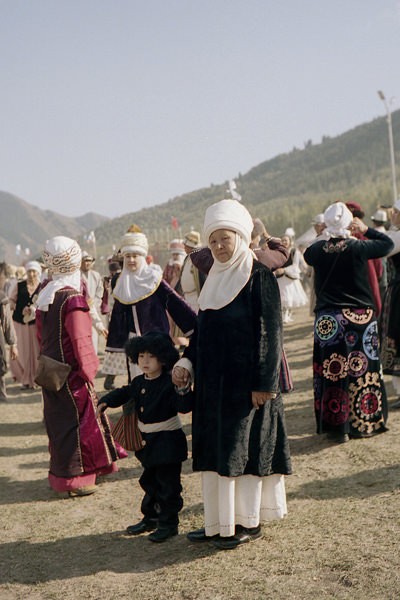
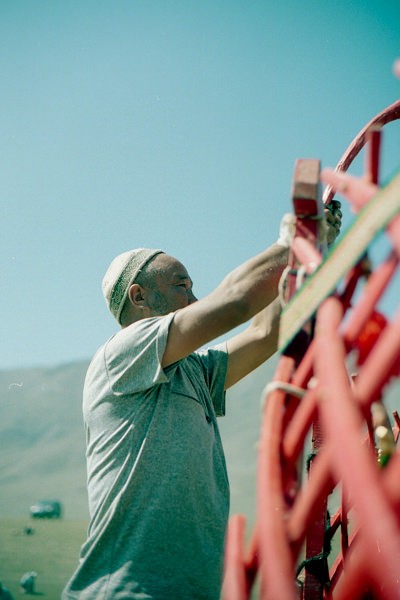
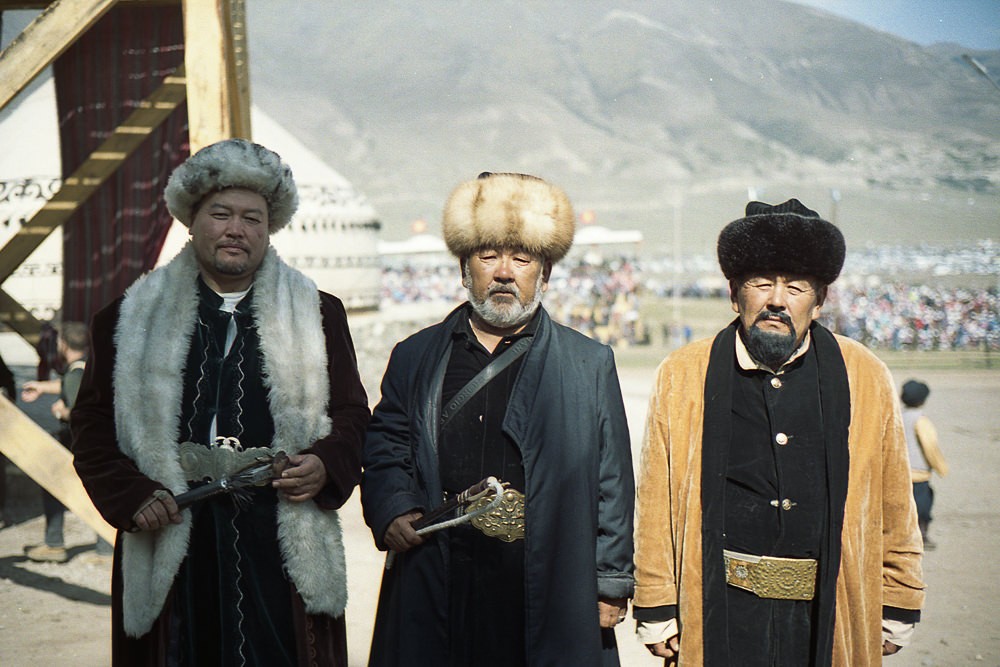
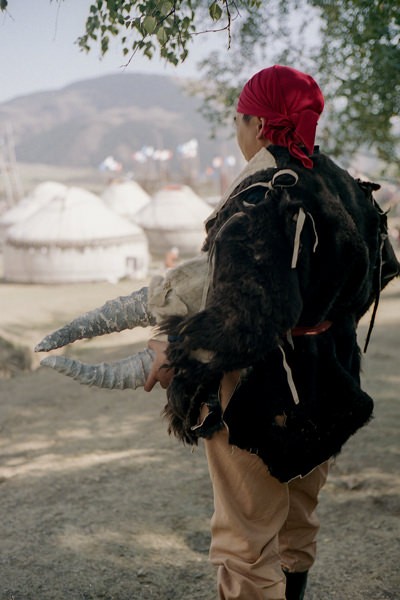
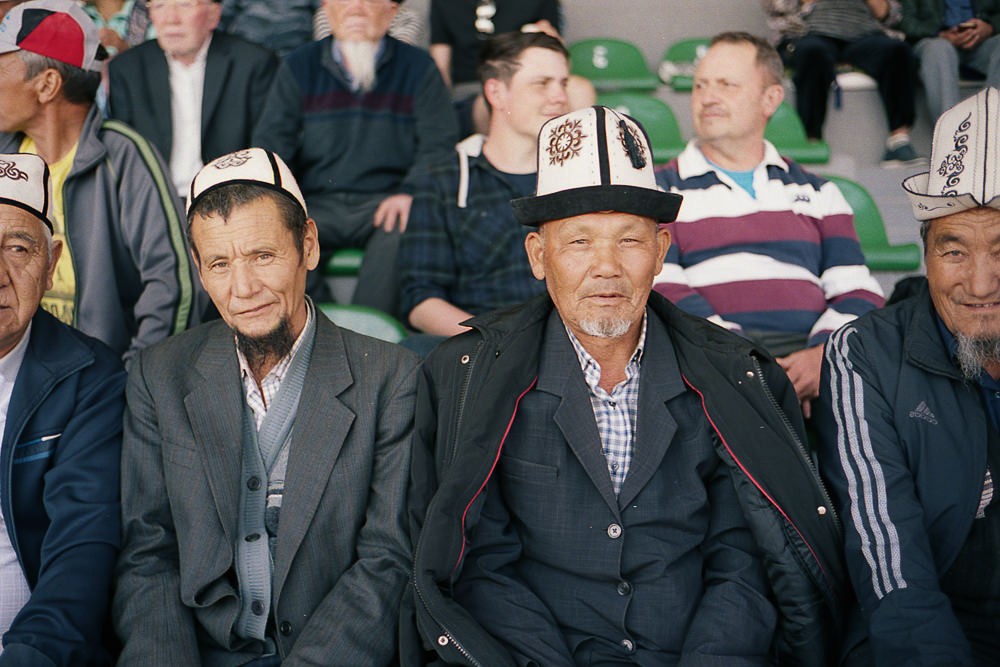
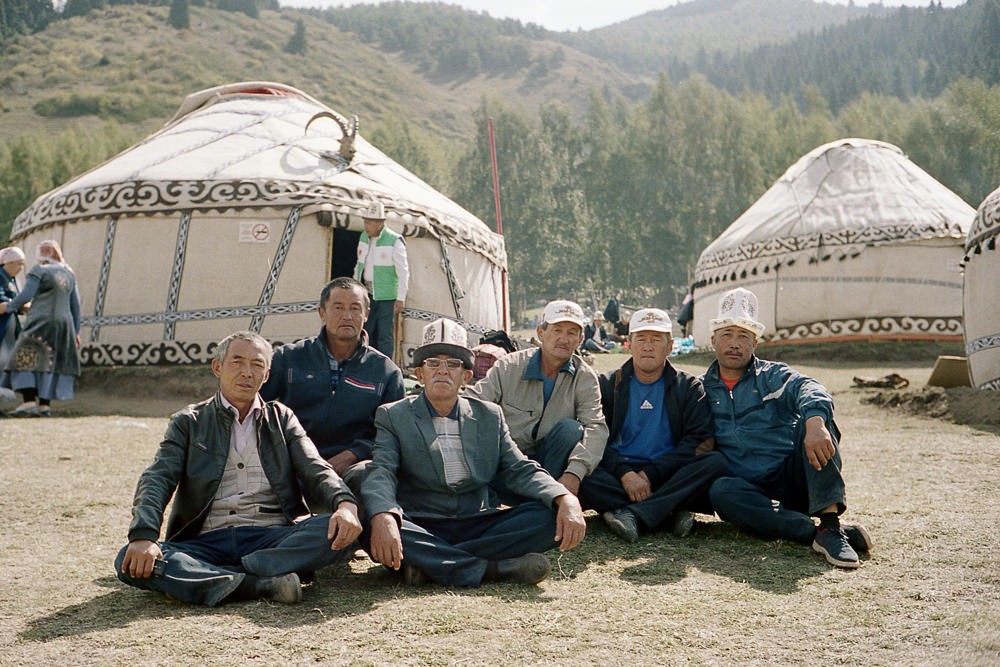
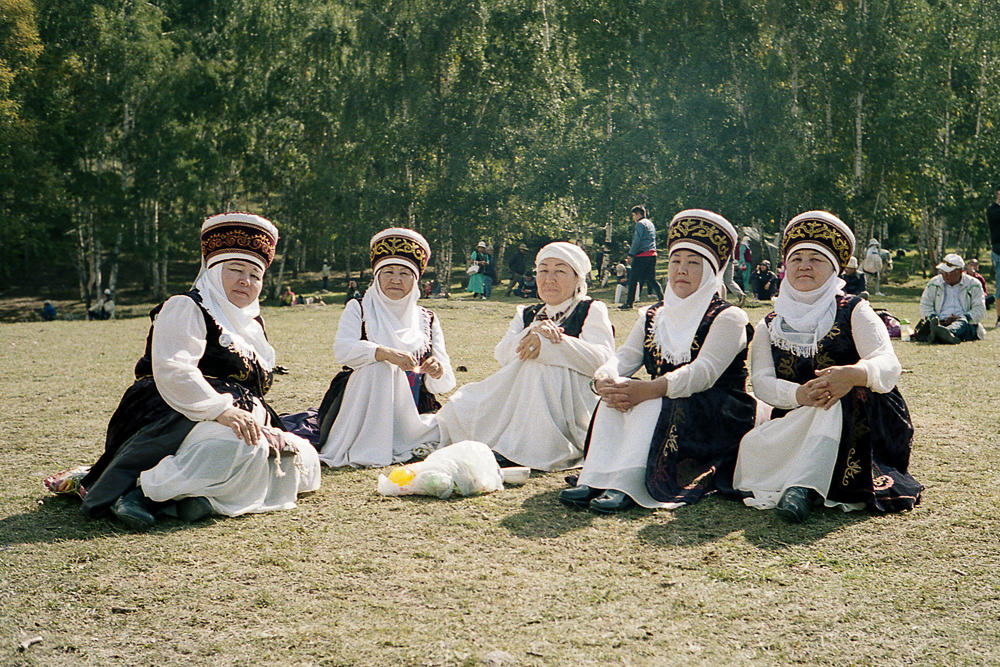
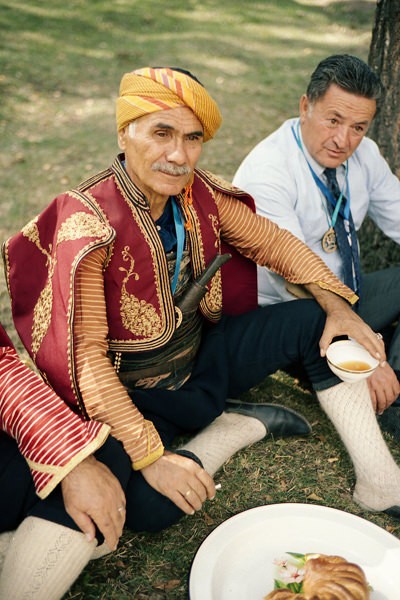
While the sports themselves were supposed to be the main focus of the Games, I personally found myself more drawn to everything else going on in the village, from the people dressed in traditional clothes putting on a display of the old ways, to the visitors camping out and just passing the time.
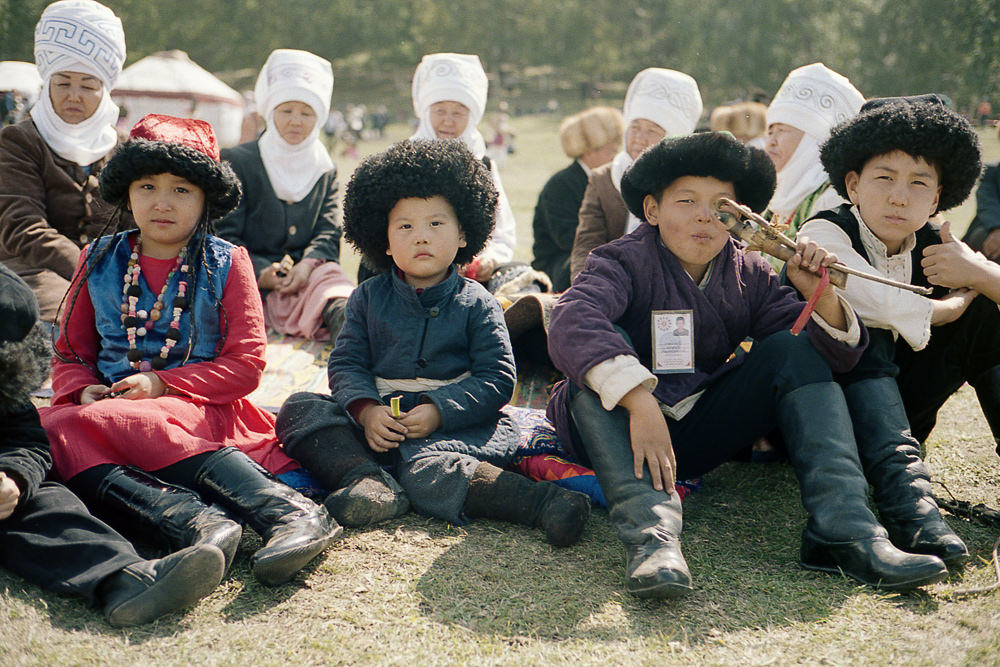
During the opening and closing ceremonies at the village, I chose to give up my seat in the media section to wander behind the main stage. Much to my satisfaction, I had a much closer view of the people putting on the show.
Some practiced and prepared for their parts, but most seemed to just be taking it all in and enjoying the moment just like the visitors.
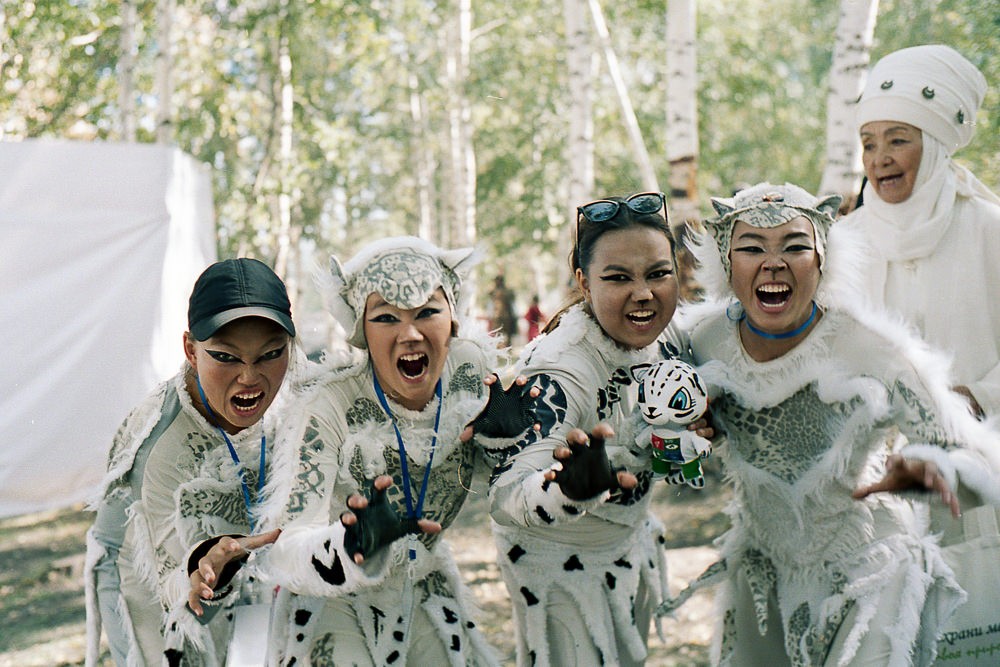
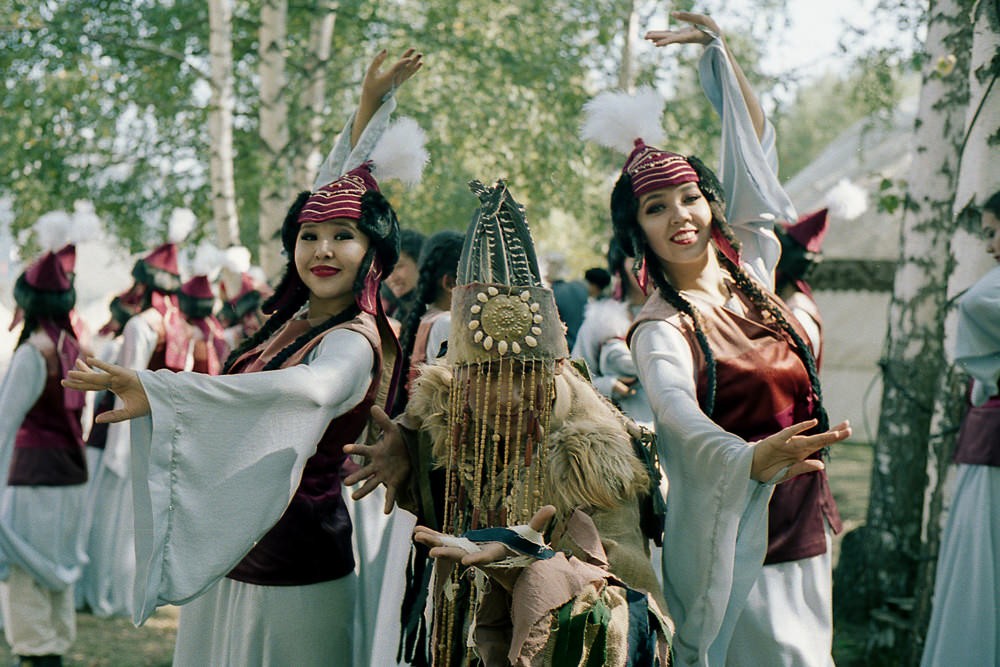
I was lucky enough to walk around with another American photographer, who used to be peace corp member 10 years back in Kyrgyzstan and learned the language. We were an odd enough pair because I more resembled a local, and yet this white dude from New York was the one speaking fluent Kyrgyz. Everyone loved it and were very happy to let us photograph them naturally.
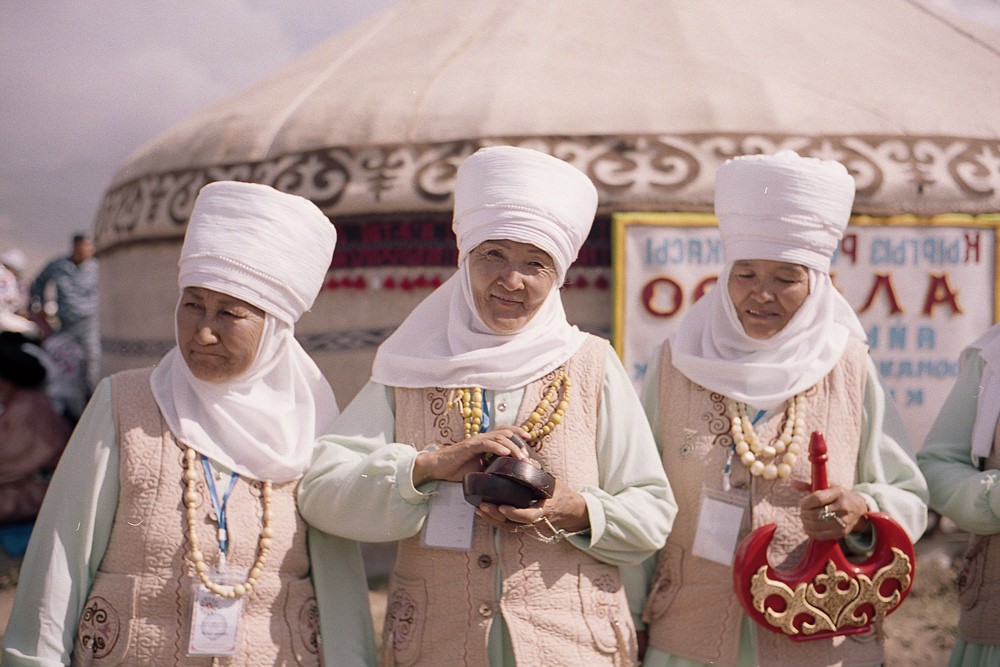
The Faces Of The 3rd World Nomad Games In Kyrgyzstan
With my normal gear, I could quick focus and capture 10 shots in a few seconds. If I didn’t feel like I had it, I’d fire off another 5 or 10 and I’d know instantly if I got a ‘good enough’ shot.
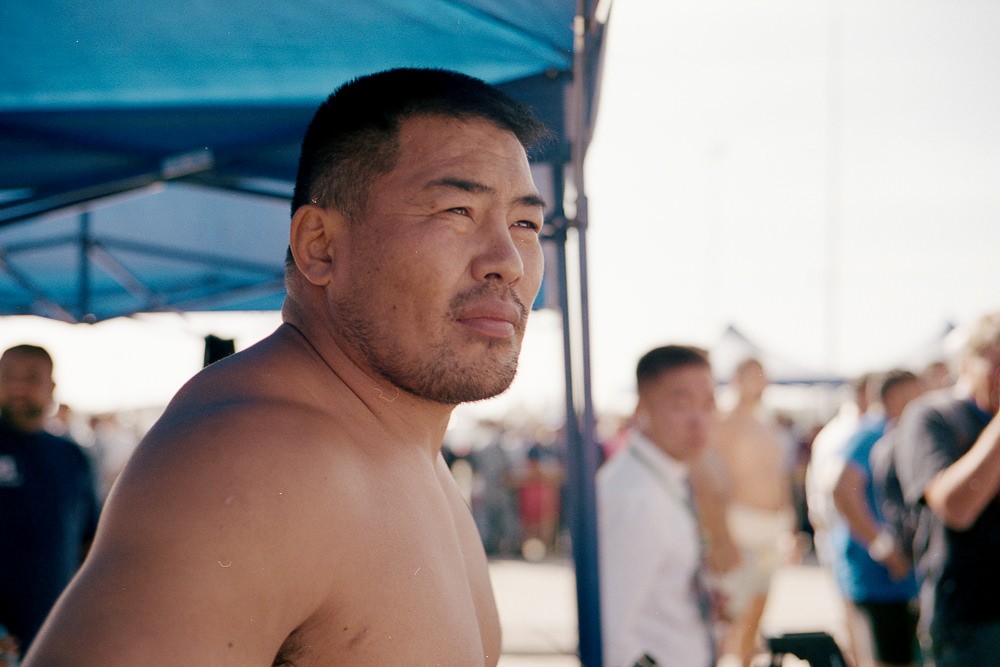
Shooting on film was a much slower process. I’d first have to meter for the light and do a mental adjustment in my head to get the exposure correct. After that, I’d carefully focus and keep everything steady. Only then, can I start to wait for the right moment to press the shutter. Every shot mattered. Without a common tongue, I could not ask anything from the people I shot and yet in some ways, they understood what I wanted to capture each time and very few ‘posed’ for the camera. They let me take my time and just take what I saw.
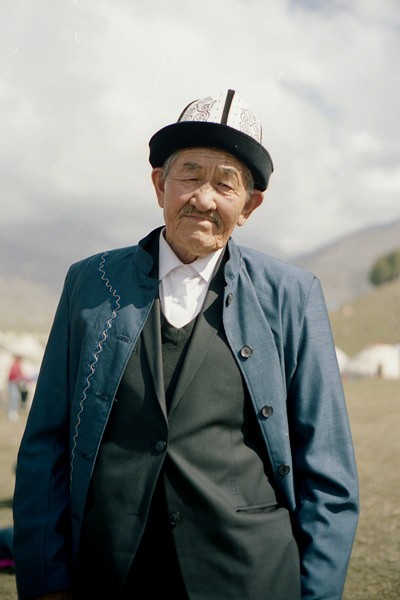
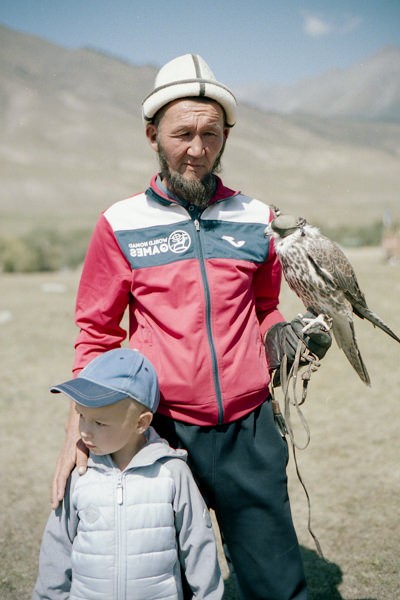
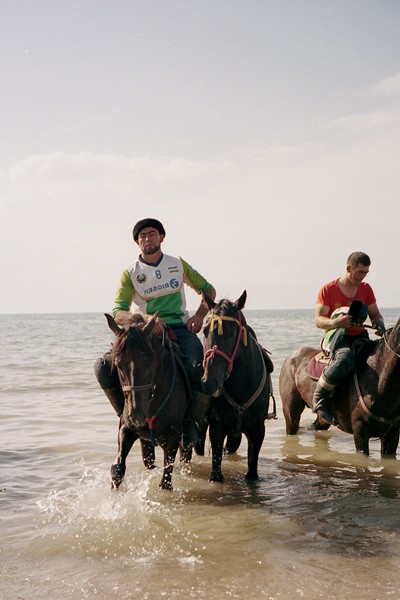
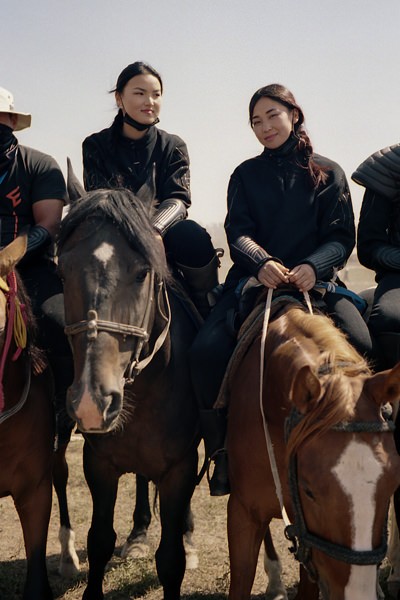
What initially felt like a slow and restrictive processed turned into something meditative. When I had to wait for the right shot, it was like waiting for a feeling, or a connection with my subject. I was just as still, looking at them, as they were, looking at me. When I felt like I found it, I released the shutter.
We often exchanged a smile only after I made the exposure. I keep those memories for myself.
Developing Images From The 3rd World Nomad Games
After I’ve processed these images at home, I found the look on these faces to be as raw and honest as the moment I captured them.
I almost never took more than one frame of the same person, so what I saw after developing the film was the only capture I had. Every shot counted, no matter how imperfect it was.
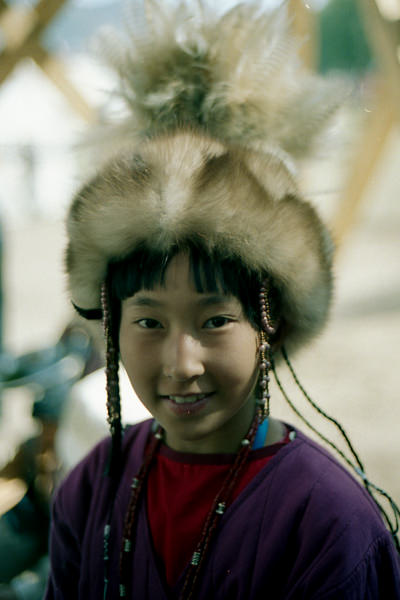
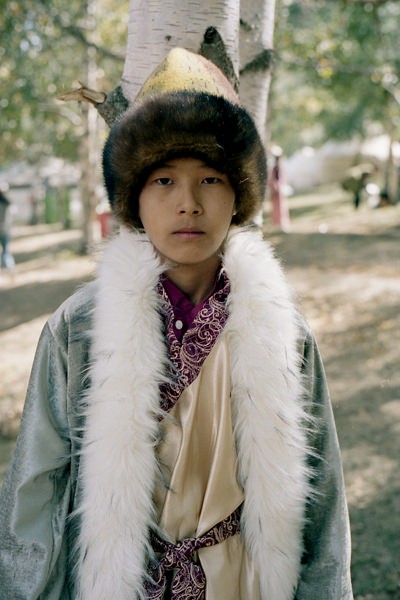
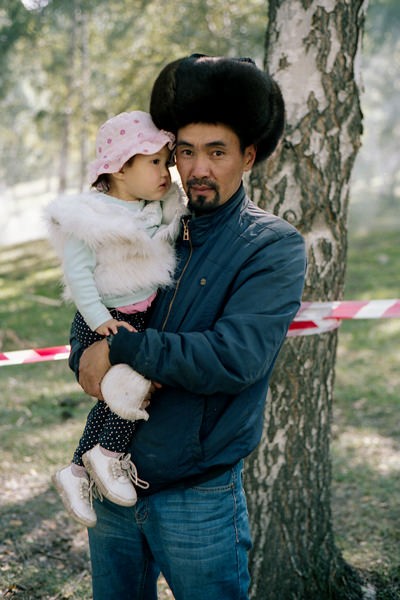
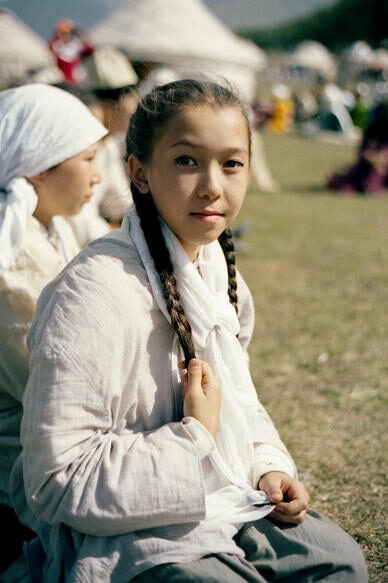
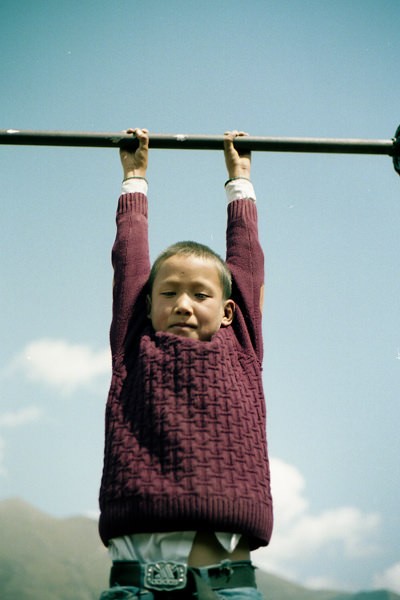
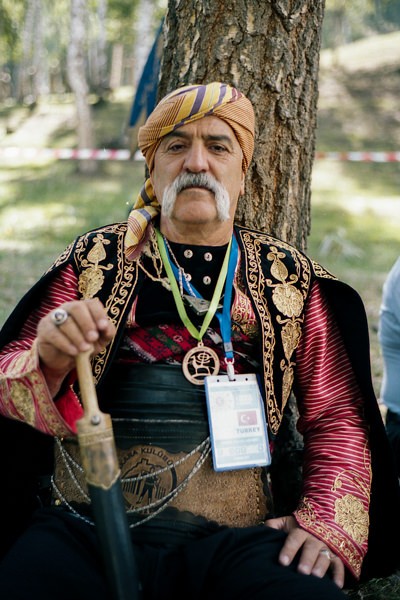
When I looked back at my collection of photographs, most ended up being of the people. They are my attempt to capture what I saw at the games beyond the actual games themselves. For me, it was more about the people who dressed up in traditional clothes, playing the roles of their ancestors and reminding people and guests of their rich history.
Is Kok-Boru Really Played With A Dead Goat?
As strange of a question as that may be, it’s a common one I get when it comes to the World Nomad Games.
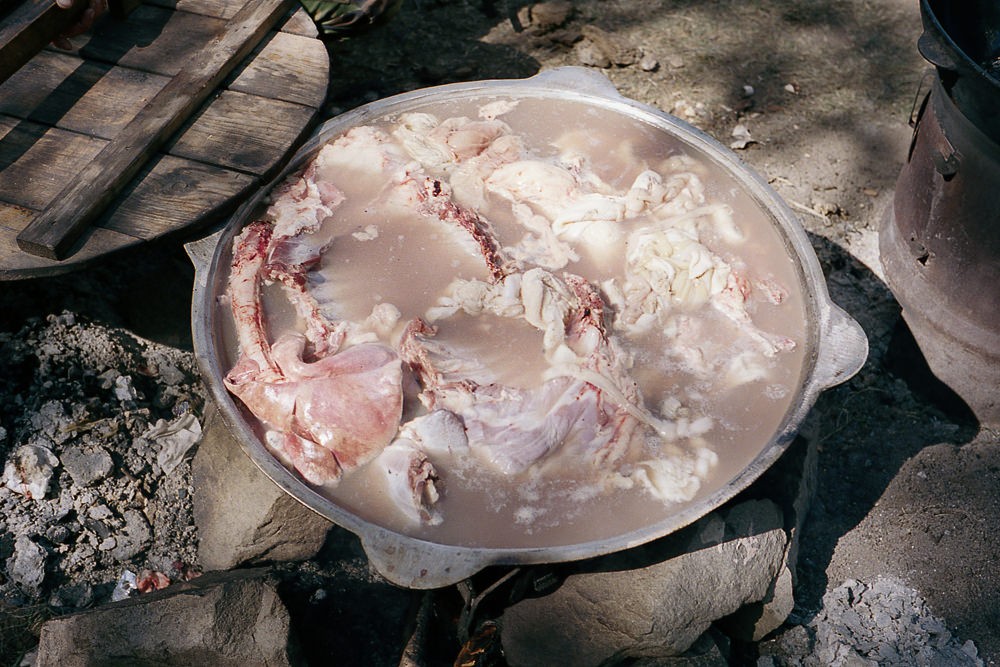
Yes, they actually prepare a real goat carcass ahead of the games. Ceremonially, they kill the goat and drain its blood. They remove the head, guts, and hooves, then sew the whole goat back up, ready to go.
Kok-Boru, one of the traditional and headliner games, is a display of strength, skill, and bravado, all on horseback. Competitors put it all together to hoist, attack, defend and try to maneuver the 30-33 kg goat carcass into the opponent’s goal.
People around these parts of the world still regularly play Kok-Boru and other nomadic games today, continuing a tradition that dates back to the past.
How Kok-Boru Is Played
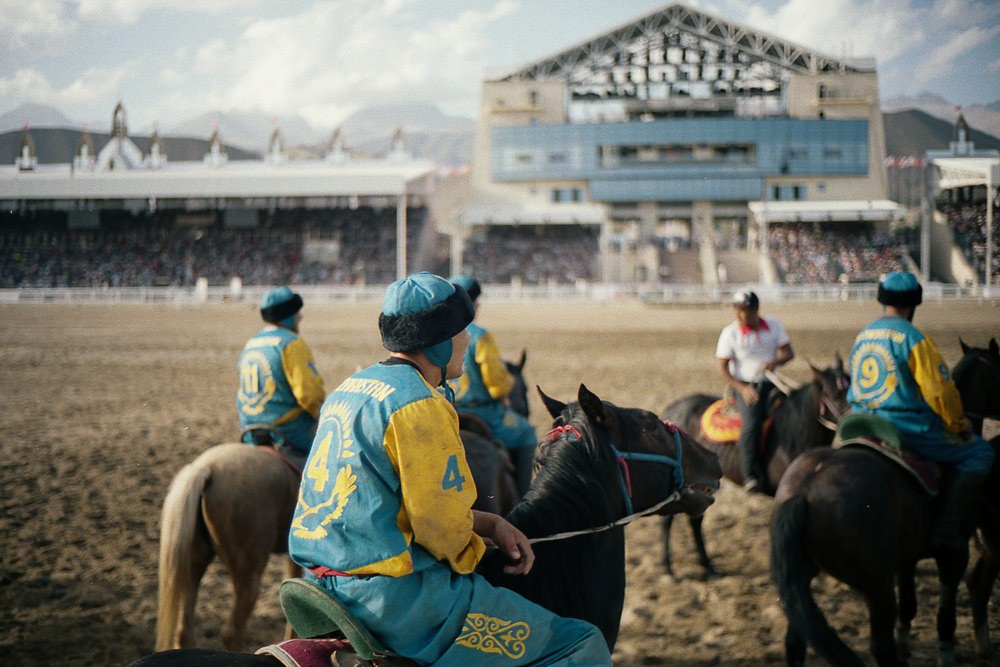
When the game starts, spectators will see two main phases of play. The first involves the horses almost huddling as the two teams create positions to section off and wrestle for control of the goat. When a player reaches down and heaves the goat to his hips, it’s off to the races. This is when the defending team chases after the carrier, hoping to block off his path to the kazan.
It’s incredible to see their maneuvering and control, especially how the riders can stop on a dime to toss the goat without flying in themselves. And at times, they do just that, flipping right into the kazan with the goat and leaping up in triumph.
There must feel exulted for not only scoring, but also because they are to still be standing in one piece.
There are 12 players on a team, but only 4 players will be on the field at a time. The last for 3 periods of 20 minutes of play with a 10 minute break between the periods.
Put Your Hips Into It
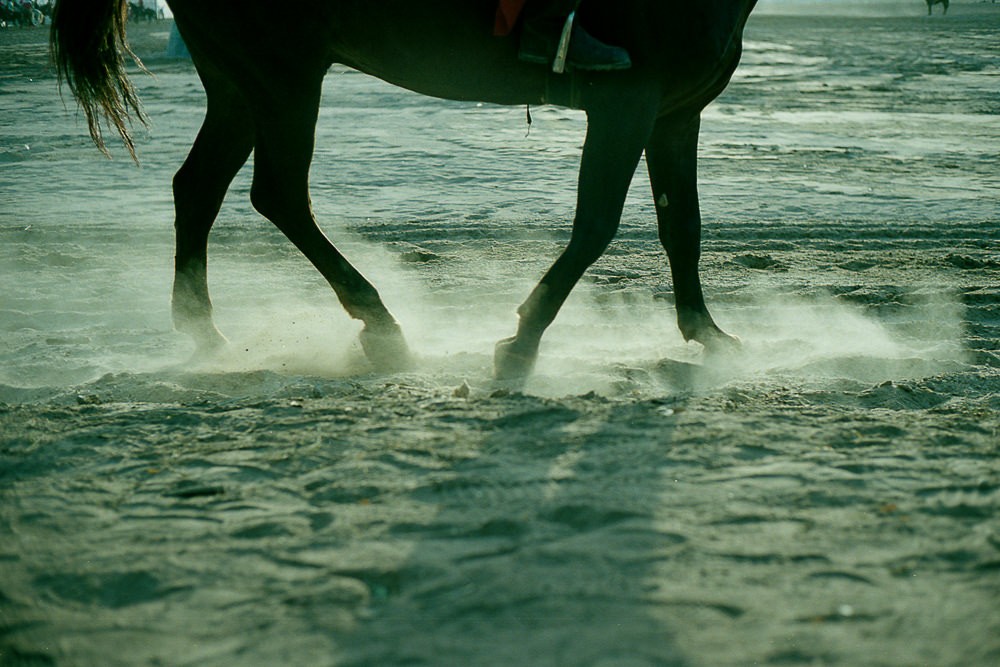
The melee begins when a rider drops the goat or the other team blocks them off. In the chaotic madness, both sides struggle and kick up a cloud of dust in hopes of gaining control of the goat.
Imagine leaning deeply over one side of your horse, without falling over, and trying to pull up 30 kg of floppy dead weight to your hips. And then riding away as fast as possible before the opposing riders try to take it always from you.
As ridiculous as Kok Born sounds, there were still plenty of games that left me slack-jawed. In Er Enish, two people wrestle to pull the other down from their horse.
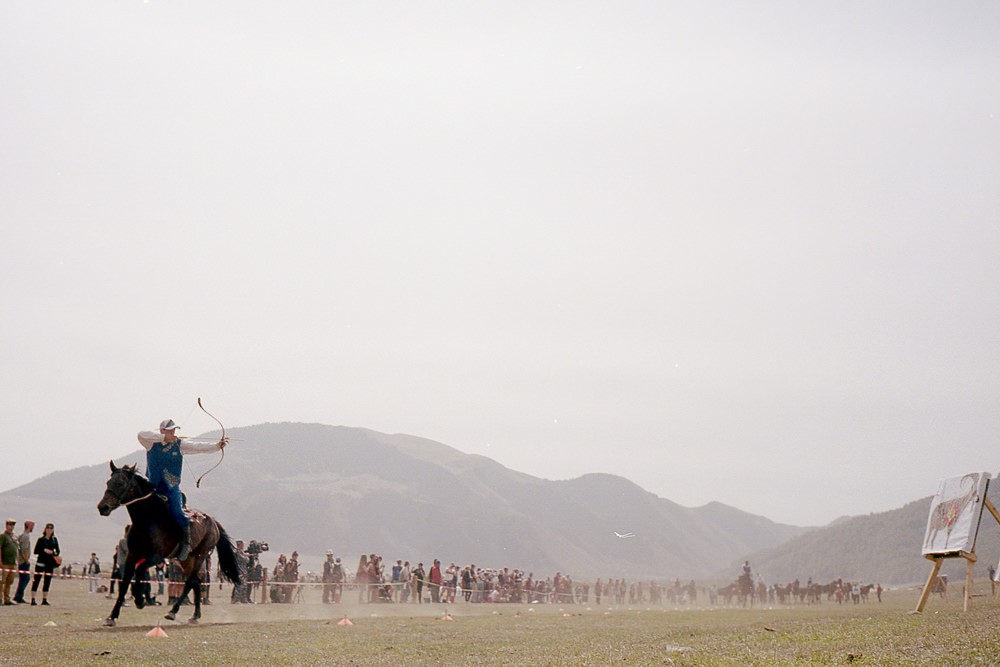
And as if archery with traditional bows and arrows wasn’t hard enough, there’s horseback archery. Outside of the games, I could not have imagined where else I could see this except perhaps in movies about Mongolia during the Khanate era.
Location Rotation Amongst The Nomad Countries
Since the inception of the World Nomad Games in 2014, organizers have held the event every 2 years in the Issyk-Kul region of Kyrgyzstan.
After the 2018 3rd World Nomad Games, the location moved from Cholpon-Ata, Kyrgyzstan to Antalya, Turkey. The 4th edition was delayed due to the Pandemic and eventually a shortened edition took place between September 29 – October 2 in Iznik, Turkey. The 5th edition took place between September 8-15, 2024 in Astana, Kazakhstan and the 6th edition will return to Kyrgyzstan between August 31-September 6, 2026.
The 7th edition of the World Nomad Games in 2028 will next move to the Republic of Tatarstan in Russia.
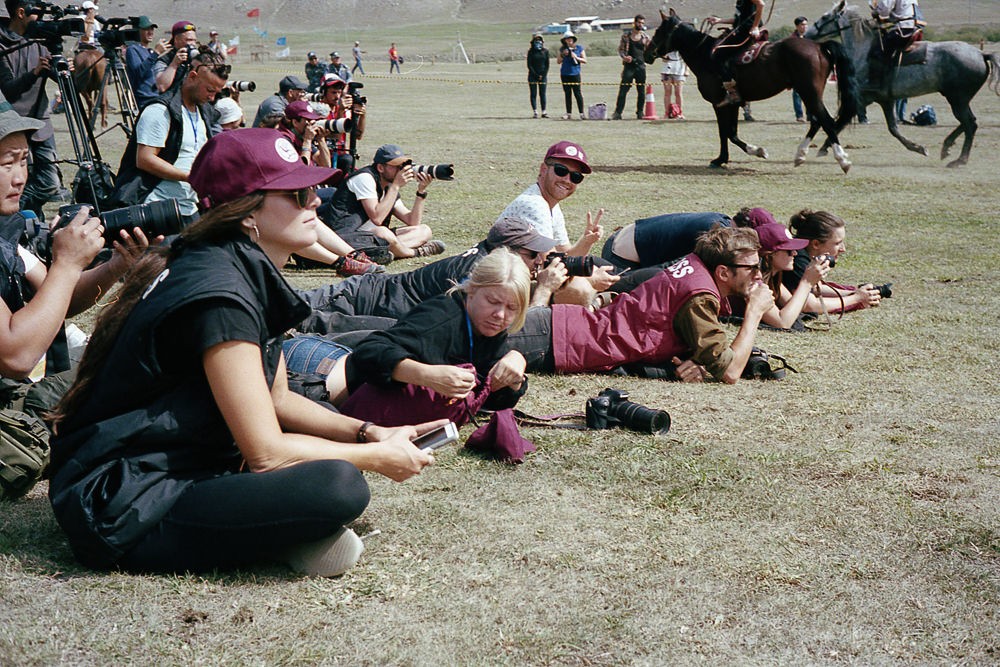
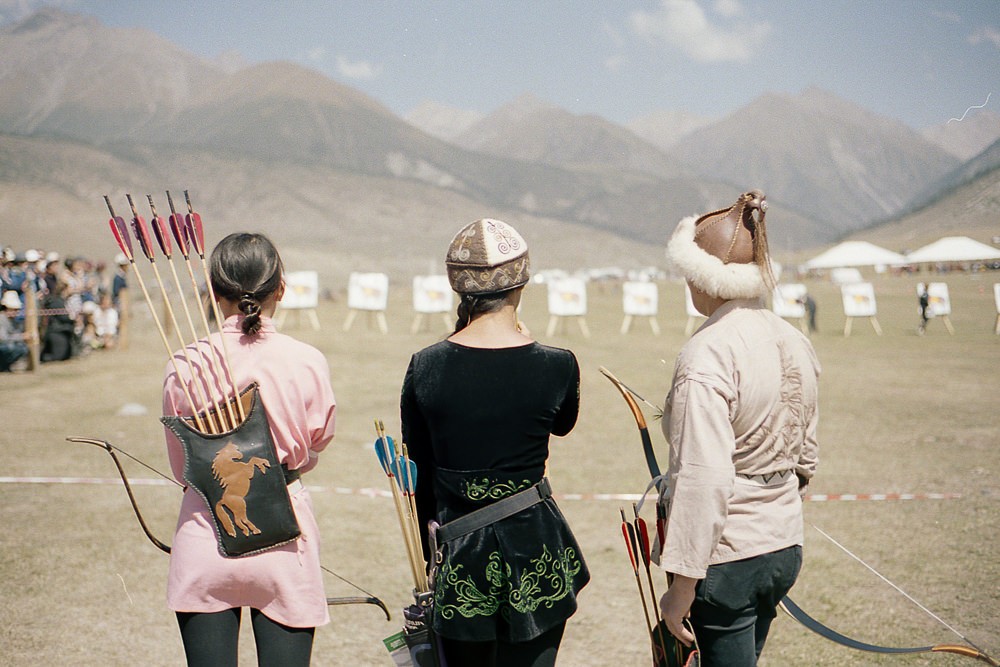
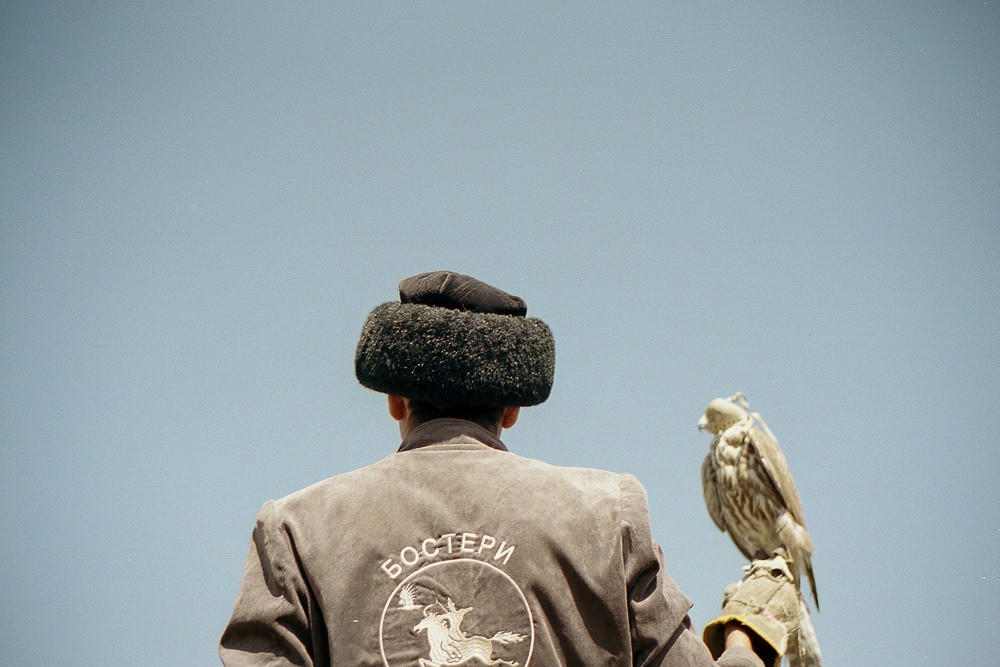
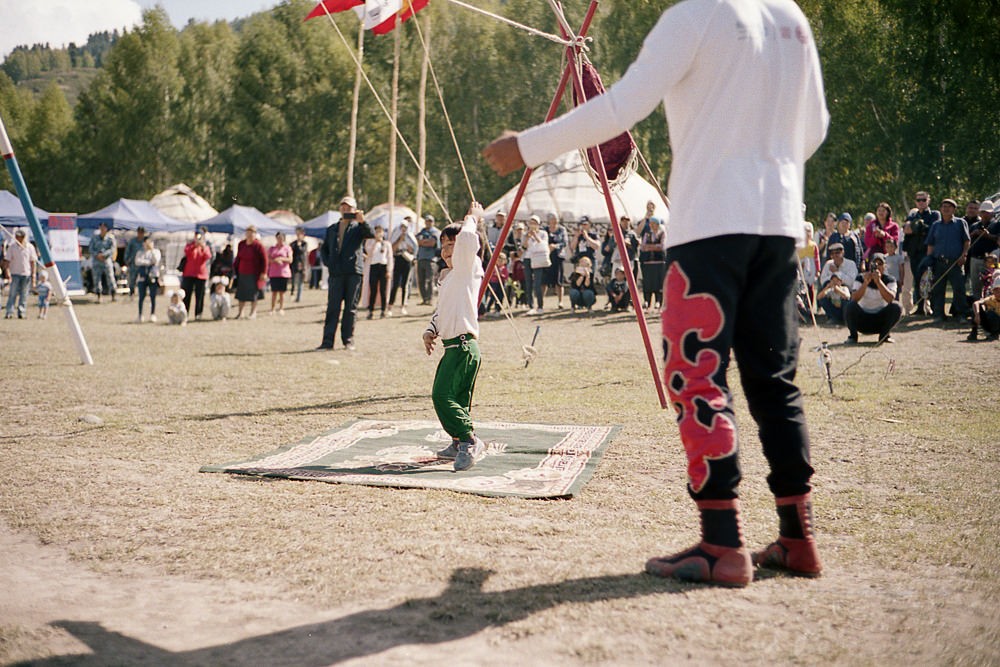
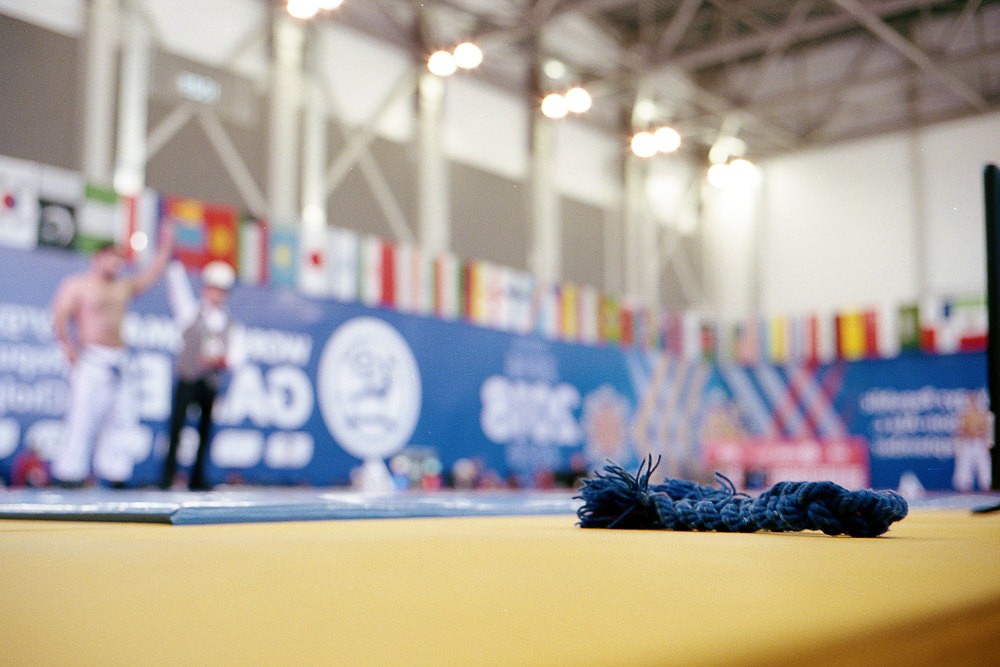
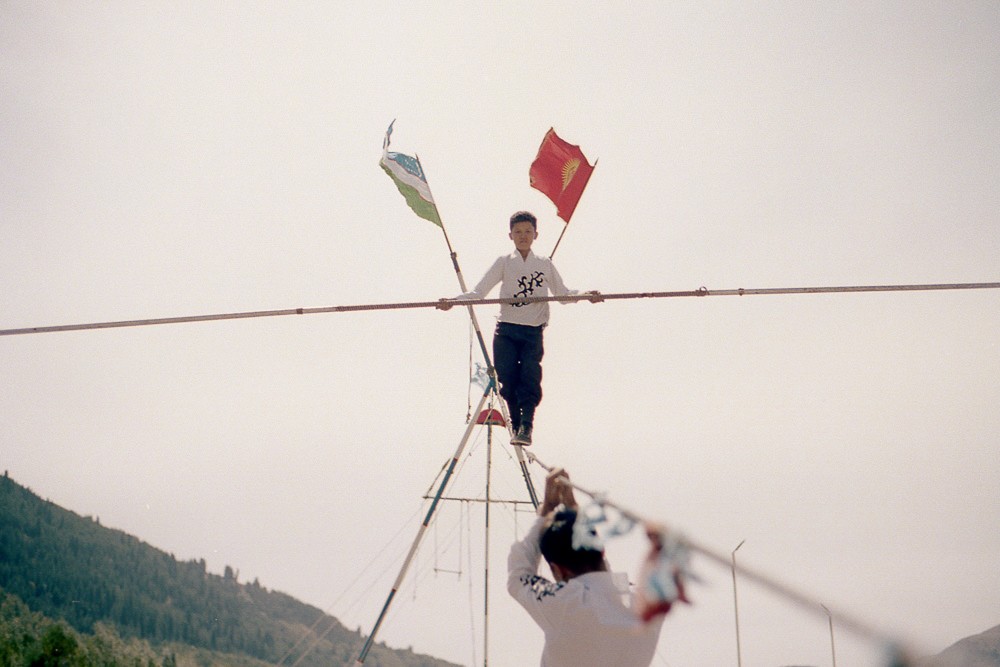
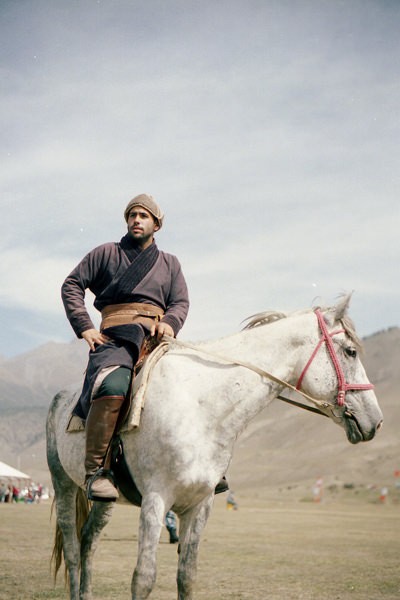
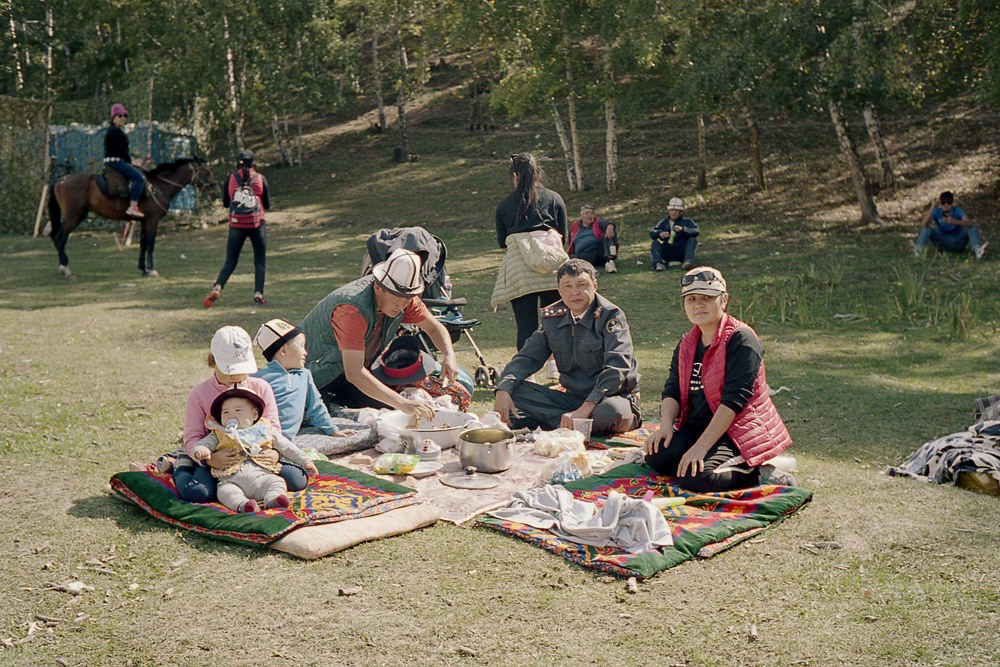
See my full gallery of 35mm photographs from the games below.
Updated on September 2, 2026


beautiful, Kien! inspiring as always!
Do you have any information on how to buy tickets for the closing ceremony?